Hydrogel dressings have emerged as a versatile solution in the realm of wound care, offering unique advantages for effective healing. As advancements in medical technology continue to progress, understanding the various products available and their respective uses is paramount for healthcare professionals and caregivers. This article dives into what hydrogel dressings are, their common applications, advantages, potential disadvantages, and the proper methods of application. Exploring these facets will provide valuable insights into why hydrogel dressings are distinguished among other wound care dressing types, whether you're considering hydrogel dressing wound applications or are interested in their broader uses and benefits.
What Are Hydrogel Dressings?
Hydrogel dressings consist of a gel-like substance that is predominantly composed of water, enhancing their hydrating properties, which are crucial for effective wound care. They are designed to maintain a moist environment at the wound surface to support the natural healing process, preventing the wound from drying out.
The primary components of hydrogel dressings include:
Component | Material | Properties |
Water | 50%-90% content | Moisturizing |
Polymer Matrix | Synthetic Materials | Structure and Integrity |
Active Agents | Antimicrobials, Pain Relievers | Healing and Comfort |
The water content in hydrogel dressings offers one of the biggest benefits: the cooling effect. This feature can be particularly soothing for blister injury care and cases that involve painful wounds or burns, helping to alleviate discomfort while promoting healing.
Common Applications for Hydrogels
Hydrogels are versatile in their application, accommodating a broad spectrum of wound types and conditions. Their adaptability makes them suitable for various uses, such as:
Burn Wounds: The moist and cooling effect helps soothe burns, aiding in pain reduction and faster healing.
Pressure Ulcers: Often employed to hydrate pressure ulcers and prevent the wound from drying out, promoting healing.
Partial-Thickness Wounds: Effective at managing wounds that don't penetrate the full thickness of the skin.
Necrotic Wounds: Encourages autolytic debridement, helping in the removal of dead tissue to promote healing.
In addition to these specific wounds, hydrogel dressings are also used in managing diabetic ulcers, surgical incisions, and other wounds requiring a moist environment to facilitate the healing process.
Advantages Over Other Dressings
Hydrogel dressings offer several advantages over traditional wound care dressing types. These benefits can significantly impact healing outcomes and include:
Moist Wound Healing: Promotes faster epithelialization, enhancing tissue regeneration and healing.
Reduced Pain: The soothing effect of hydrogels helps decrease pain levels, making the healing process more comfortable for patients.
Autolytic Debridement: The moist environment facilitates the breakdown and removal of necrotic tissue, enabling healthier tissue growth.
Transparent Observation: Some hydrogel dressings are transparent, allowing easy visual inspection of the wound without removing the dressing.
These advantages highlight why many healthcare providers and patients opt for hydrogels as a superior choice over more traditional options like gauze hemostatic or vaseline gauze dressings.
How to Apply Hydrogel Properly
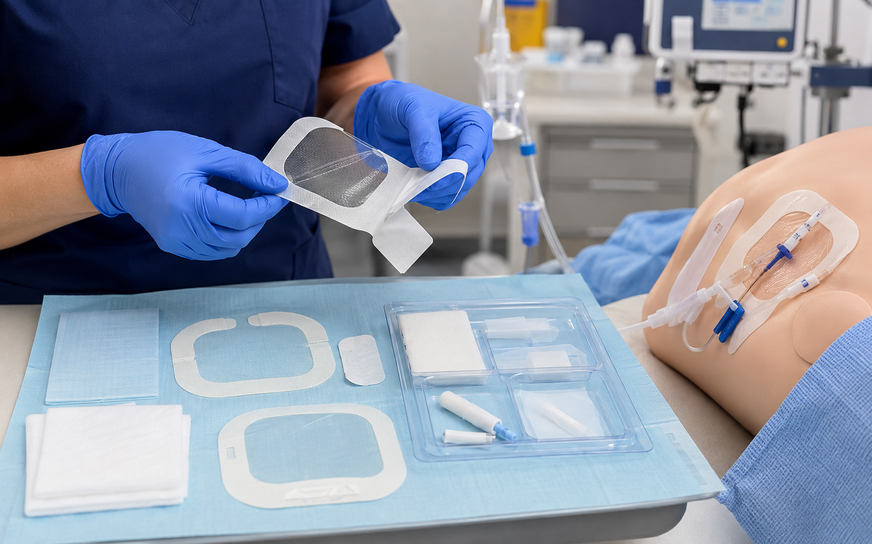
Proper application of hydrogel dressings is crucial to maximize their benefits in wound healing. Follow these steps to ensure effective use:
Clean the Wound: Use a gentle saline solution to cleanse the wound, removing any debris or contaminants.
Dry the Surrounding Skin: Ensure the surrounding skin is dry to help prevent maceration and provide a secure surface for the dressing to adhere to.
Apply the Hydrogel: Gently spread or apply the hydrogel dressing over the wound area, ensuring full coverage.
Secure with Secondary Dressing: If required, use a secondary dressing to hold the hydrogel in place, such as a transparent film dressing or adhesive bandage.
Following these steps will assist in achieving optimal results when using hydrogel dressings for wound care, enhancing healing effectiveness while ensuring patient comfort.
Conclusion
In conclusion, JCmed hydrogel dressings present a flexible and efficient solution for a range of wound dressing products. Their capacity to promote moist wound healing and comfort those through painful injuries makes them a prominent choice among various medical dressings provided by JCmed. However, understanding their proper application and limitations is essential for maximizing benefits and mitigating any potential negative aspects. As the field of wound care continues to advance, staying informed about resources like JCmed hydrogel dressing wound applications will empower healthcare providers and patients alike, fostering improved healing outcomes and patient satisfaction.