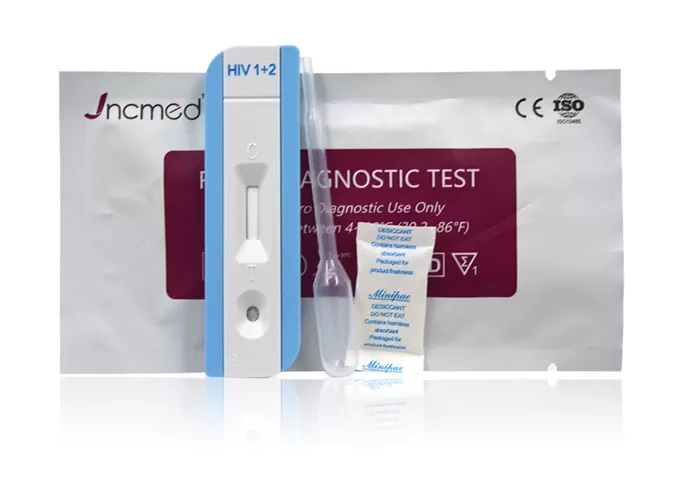
In a world still grappling with stigma and misinformation surrounding HIV, the idea of an at-home HIV test brings privacy, empowerment, and earlier detection into reach. For those seeking discreet, reliable, and timely assurance, JCMedica's HIV test reagents offer a pathway to self-monitoring that aligns with modern in vitro diagnostic standards. This article explores why an at-home HIV test matters, how JCMedica's reagents support accurate outcomes, and what users should understand as they incorporate self-testing into personal health care.
Understanding the Role of At-Home HIV Test in Public Health
An at-home HIV test allows individuals to collect a sample—typically a finger-prick blood drop or oral fluid—in private and send it for analysis or wait for results at home. This approach helps overcome barriers like stigma, inconvenience, or fear of judgment that deter many from clinic-based testing. By enabling earlier diagnosis, at-home testing helps reduce onward transmission, facilitate timely access to care, and destigmatize routine HIV surveillance. The reagents behind such hiv tests must meet stringent standards of sensitivity, specificity, stability, and reproducibility to deliver trustworthy results. As part of JCMedica's in vitro diagnostic product line, their HIV test reagents are engineered to detect HIV antigens and antibodies reliably in controlled laboratory settings. When integrated into at-home test kits or partner laboratories, these reagents bridge user convenience with clinical accuracy.
How Do JCMedica's HIV Test Reagents Support Reliable Self-Testing?
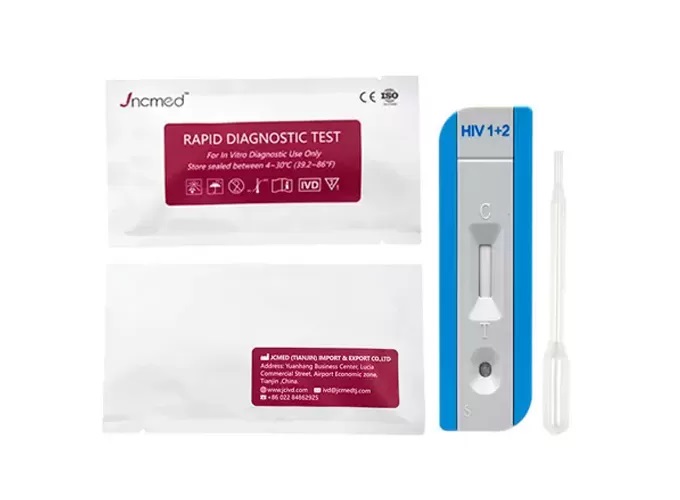
JCMedica's HIV reagents are part of its broader in vitro diagnostic portfolio, designed for infectious disease assays, including sexually transmitted disease tests like HIV. These reagents typically include antigens, antibodies, buffers, and control materials that work together in immunoassay formats to detect the presence of HIV markers in human samples. The JCmed reagents are formulated to meet high standards of sensitivity and specificity, aligning with expectations for diagnostic-grade performance in HIV screening. When these reagents are integrated into at-home HIV test kits or used by certified labs supporting self-sample kits, they support accurate interpretation of results under validated conditions. Because of their standardized quality, they help reduce false negatives or false positives when test instructions and storage conditions are properly followed.

What Challenges and Precautions Should Users Know about the At-Home HIV Test?
While at-home HIV testing brings many benefits, users should be aware of limitations and precautions. First, the "window period" between HIV exposure and detectable markers means early use might yield false negatives. Modern tests reduce this period by detecting antigen and antibody combinations, but no test is infallible. Second, the sample collection technique matters: inadequate blood volume, contamination, or improper handling may interfere with the reaction. Third, storage of reagents and test kits matters greatly—temperature fluctuations, humidity, or exposure to light can degrade sensitive components. Users should adhere strictly to the product instructions regarding storage. Fourth, emotional preparedness is important: an unexpected result, positive or negative, may provoke anxiety, and users should be ready to seek confirmatory testing and counseling from health professionals. Lastly, one must interpret a reactive (positive) result as preliminary—it always requires follow-up with confirmatory assays before any diagnosis or treatment decisions.
Could At-Home HIV Test Become the New Standard for Early Detection?
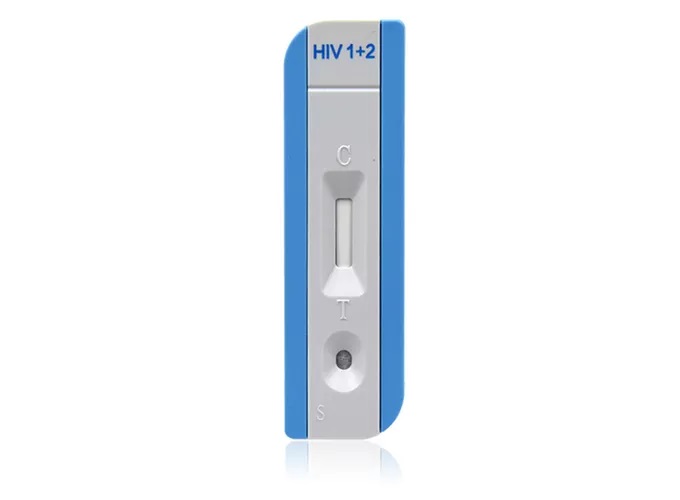
Although clinic-based testing remains foundational, the at-home HIV test is increasingly recognized as a vital complement to public health strategies. For many, privacy, convenience, and accessibility make self-testing more acceptable, enabling more frequent screening among at-risk populations. Provided the reagents and supporting infrastructure are robust—as in JCMedica's diagnostic reagents—self-testing yields results comparable to institution-based testing in many contexts. Over time, with integration into telehealth platforms, automated result reporting, and linkage to care pathways, the at-home HIV test could redefine how communities monitor HIV status. That said, it is not a complete replacement for in-clinic testing where full panels, viral load measurement, resistance genotyping, and counseling are needed. But for routine preliminary screening, it offers a powerful tool to expand reach, reduce stigma, and accelerate linkage to therapy.
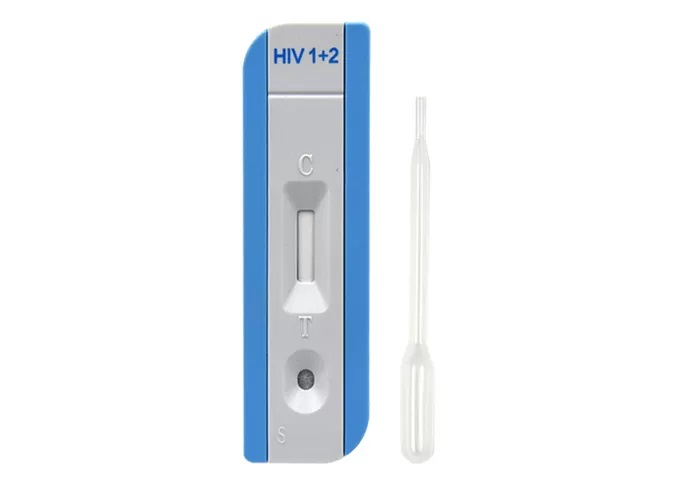
In sum, the at-home HIV test is much more than a convenience—it is a force for earlier awareness, personal empowerment, and public health impact. With high-quality reagents such as those provided by JCMedica, self-testing becomes a credible, responsible choice. When combined with education, confirmatory protocols, and compassionate care networks, it contributes meaningfully to breaking silence and protecting health.