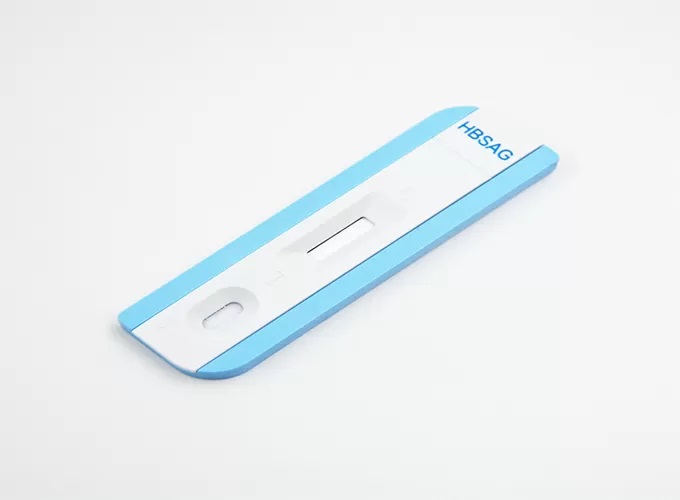
When it comes to diagnosing hepatitis B virus (HBV) infection, the HBsAg antigen test remains a central pillar. JCMedica's HBsAg test reagents are designed to embody the qualities essential for reliable detection of hepatitis B surface antigen (HBsAg).
Sensitivity and Specificity as Core Features of the HBsAg Antigen Test
One of the most important characteristics of a robust hbsag antigen test is its ability to detect even low levels of antigen while distinguishing true positives from negatives. JCMedica's HBsAg test reagents emphasize high sensitivity and specificity, enabling early detection of infection when antigen levels are still low. On the JCMedica product page, the test is described as capable of detecting HBsAg at low concentrations, which helps ensure reliable results even in early-stage or low-replication HBV infections. The test is also formulated to maintain specificity so that cross-reactivity with non-HBV antigens is minimized, reducing false positives. Alongside sensitivity, specificity helps ensure that individuals without infection are less likely to be misclassified.
Versatility and Formats in an HBsAg Antigen Test
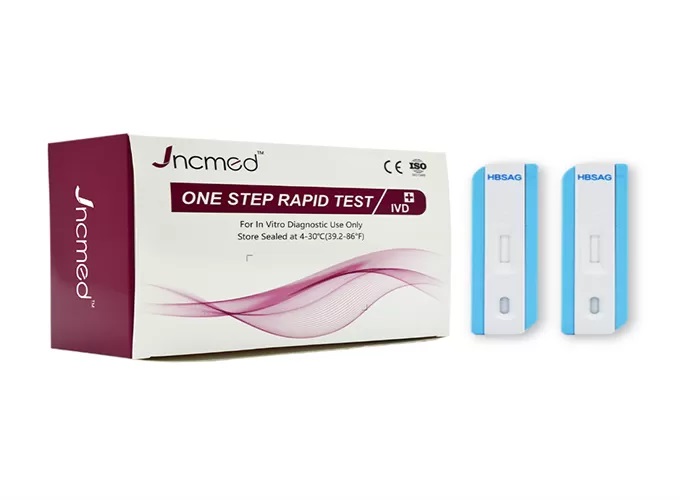
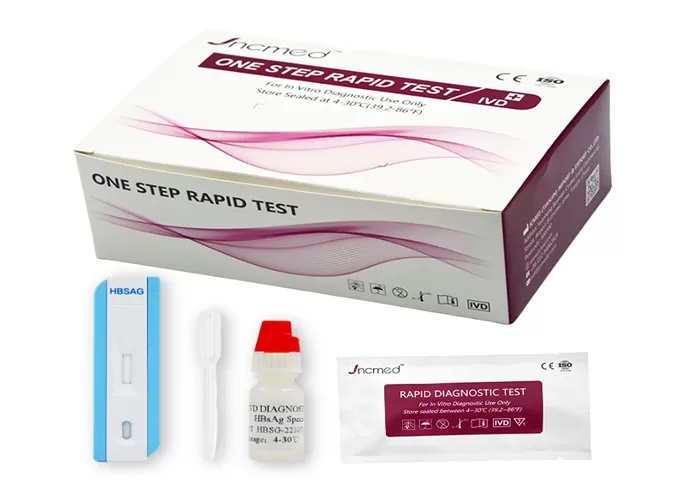
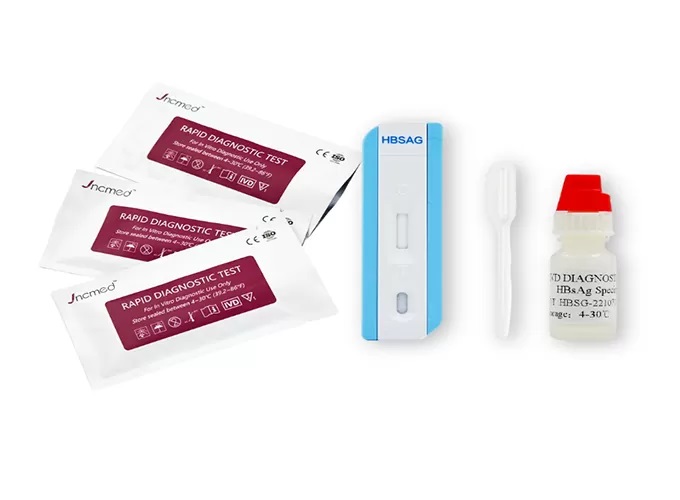
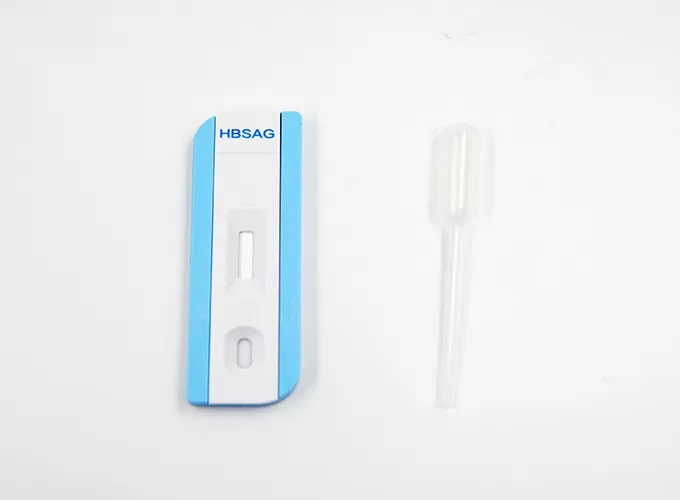
Another notable characteristic of the hbsag antigen test is versatility—being adaptable across methods and settings. JCMedica provides multiple formats of its HBsAg reagent, covering rapid lateral flow tests that yield results in 10–15 minutes, traditional ELISA, and chemiluminescence immunoassays (CLIA) to suit different laboratory demands. Such flexibility allows the hbsag antigen test to be deployed in high-throughput hospital labs, outpatient clinics, point-of-care settings, or mobile testing units. The ability to support both manual visual methods and automated instrument workflows means the reagent can be integrated into diverse diagnostic infrastructures without needing entirely new platforms.
When Should the HBsAg Antigen Test Be Used?
The hbsag antigen test is optimally used in several clinical scenarios. It is fundamental in screening populations at risk for hepatitis B, such as blood donors, pregnant women, or individuals with elevated liver enzymes or clinical signs of hepatitis. Because HBsAg appears early in infection, this antigen test can detect infection before symptoms emerge or before antibodies develop. According to clinical lab practice, the assay helps distinguish active infection from resolved or vaccinated states. Further, the hbsag antigen test is employed in monitoring patients over time, assessing persistence of antigen as an index of chronic infection, or evaluating the effect of antiviral therapy. In many settings, repeated antigen testing can indicate whether HBsAg has been cleared (seroclearance) or whether active viral replication continues, guiding further management decisions.
What Precautions and Limitations Must Be Kept in Mind?
While the hbsag antigen test offers strong capability, it also has limitations and requires caution in interpretation. In the window period shortly after HBV exposure, antigen levels may be below detection threshold, leading to false negatives. Mutant strains of HBV with variations in the surface antigen region may evade detection in certain antigen assays. Some antigen tests may suffer from a "high-dose hook effect" at very high antigen concentrations, paradoxically reducing signal and yielding false negatives unless the assay is well designed. Sample integrity is critical: serum or plasma samples must be properly collected, processed, stored, and transported to preserve antigen stability. Interfering substances—such as heterophilic antibodies, lipemia, hemolysis, or medications--may distort antigen detection. Also, a positive HBsAg result cannot distinguish acute from chronic infection on its own; supplemental testing is necessary for full diagnostic insight. Even well-designed reagent kits from JCMedica must be used within the constraints of these technical and clinical factors.
How Do These Features Translate into Better Diagnostic Performance?
The combination of high sensitivity, specificity, format versatility, and mindful limitation awareness means the hbsag antigen test can serve as a dependable frontline tool in HBV diagnostics. Early detection enables starting antiviral measures, monitoring changes across therapy, and flagging seroclearance or treatment failure. The multiple formats supported by JCMedica allow laboratories to adopt the antigen test according to their volume, equipment, and clinical needs. When reagent quality is consistent and robust, the outcomes become more reliable, reducing ambiguity in test results. These characteristics help clinicians make informed decisions, help public health efforts by identifying infectious carriers, and ultimately support better management of HBV infection.