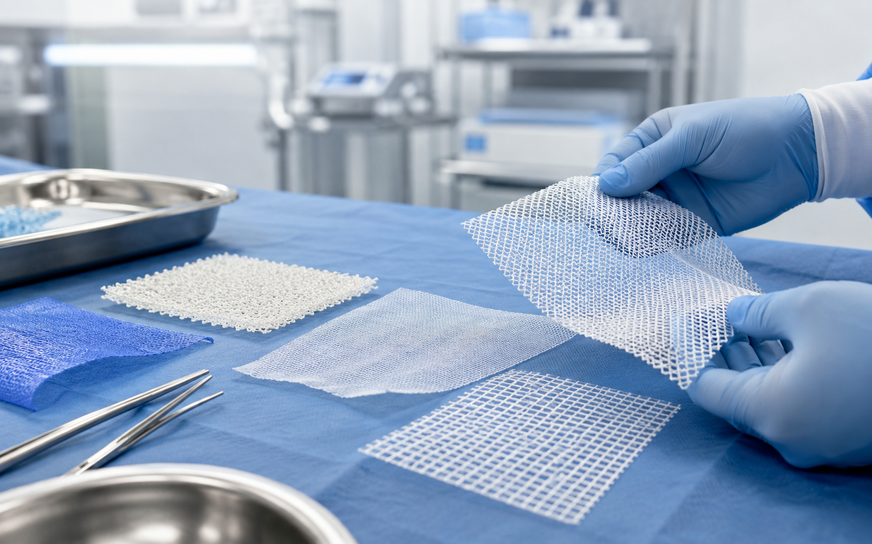
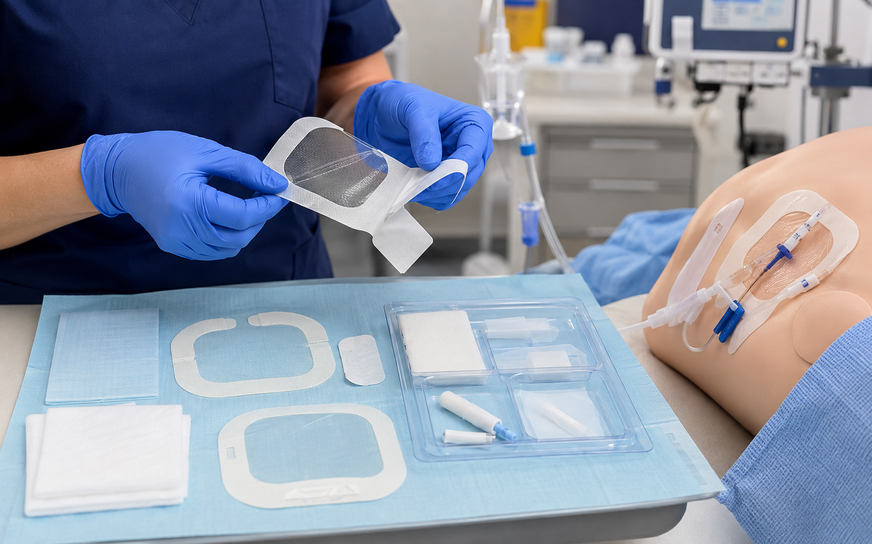
Negative Pressure Wound Therapy (NPWT) is a transformative treatment method that aids in wound healing by removing excess fluids and promoting tissue growth. While often handled by healthcare professionals, understanding how to change NPWT dressing at home can be beneficial for patients managing this therapy independently. Mastering this process ensures continued healing and reduces the risk of complications. This article explores crucial aspects, including the frequency of changes, step-by-step instructions for changing the dressing, recognizing signs of complications, maintaining hygiene and safety, and knowing when to seek professional help. Equip yourself with vital knowledge to ensure you employ NPWT dressing efficiently and safely in a home setting.
Frequency of Dressing Changes
NPWT dressing changes are typically guided by the healthcare provider's instructions, as the frequency depends on individual wound characteristics and healing progress. Generally, negative pressure dressings are changed every 48 to 72 hours. However, certain wounds may need more frequent changes due to factors like excessive drainage or signs of infection.
Regular monitoring of the dressing is essential to ensure it remains intact and functioning correctly. Beyond set schedules, observing the wound and the dressing condition can provide cues for when an unscheduled change is necessary. For instance, if the dressing becomes loose or saturated with fluids, an immediate change is advised to prevent contamination and maintain the healing environment.
Wound Type | Change Frequency | Comments |
Acute Surgical Wounds | 48-72 hours | Depends on drainage levels and wound healing progress |
Chronic Wounds | 24-48 hours | Monitor closely for signs of infection |
Burns | Every 24 hours | Prevent exposure and infection |
Step-by-Step Changing Guide
Changing NPWT dressing requires precision and care to minimize disruption and maintain the therapeutic environment. Begin by gathering the necessary supplies, including clean gloves, scissors, gauze hemostatic, and a transparent dressing film, to facilitate a smooth transition.
Wash and sanitize your hands before touching any materials to decrease the risk of contamination.
Remove the old dressing carefully. Use scissors if required to cut the adhesive without pulling the skin.
Inspect the wound for any signs of infection or irregularities in the healing process.
Clean the wound with a mild antiseptic or saline solution to prepare the area for the new dressing.
Apply the hydrogel dressing or other suitable medical dressing types as recommended by your healthcare provider.
Ensure that the wound is completely covered and secure the dressing with an IV securement device or small butterfly bandage as necessary.
Check the functioning of the NPWT device to ensure there is an appropriate vacuum seal.
Signs of Complications
Recognizing signs of complications early can prevent further medical issues while allowing timely professional intervention where needed. Common signs to be mindful of include increased pain, unusual odor, or excessive redness around the wound. These may be indicators of infection or inadequate healing.
Monitoring for systemic symptoms, such as fever or malaise, is also crucial as they can signal an infection that requires antibiotic treatment. Continued swelling or unusual drainage from the wound may necessitate an additional dressing change or assessment by healthcare professionals. Employing awareness of these indicators can enhance self-care and prevent complications in the NPWT regimen.
Hygiene and Safety Precautions
Hygiene and safety are paramount when managing wound dressing products at home. Properly sanitizing hands and using sterile tools and materials can significantly reduce infection risks. Always use clean gloves and dispose of used dressings and gloves safely to prevent cross-contamination.
Ensuring an environmentally clean and calm setting can also aid in applying the dressing without hasty mistakes. Utilize disposable ostomy bags and properly seal any waste to uphold sanitary conditions. Engaging family members or caregivers in understanding safe handling practices can further fortify home-based NPWT management.
When to Seek Professional Help
Despite successful management at home, there are circumstances where professional medical advice becomes necessary. Persistent discomfort or observing a lack of improvement over time warrants a consultation with your healthcare provider.
Significant changes in wound appearance, burgeoning infection signs, or device malfunction respect no delay in seeking professional intervention. Early professional consultation helps in reassessing treatment and ensuring that patients receive optimal care, possibly recommending alternate therapies such as silicone foam wound dressing or silver antimicrobial wound gel for improved outcomes.
Engaging actively with healthcare providers also keeps patients informed about the latest wound care innovations, like hemostatic wound dressing and transparent dressings, which could be more suitable for certain wound types.
Conclusion
Understanding and successfully implementing the best practices for changing JCmed NPWT dressing at home can substantially aid in healing and improve patient outcomes. By following a structured approach and adhering to professional guidelines for frequency, technique, and safety, individuals can effectively utilize JCmed NPWT for enhanced wound management. Remaining vigilant for complications and understanding when professional intervention is necessary ensures a comprehensive care approach. Equip yourself with the knowledge and tools for successful JCmed NPWT therapy and promote sustained healing in your home environment.