Negative Pressure Wound Therapy (NPWT) is a transformative innovation in the field of wound care that has redefined strategies for managing complex wounds. This therapy involves creating a vacuum environment at the wound site to promote healing and remove excess exudate and infectious materials. As more healthcare professionals recognize the pivotal role of NPWT in improving healing outcomes, understanding its mechanics, indications, and implementation becomes crucial. From proper material selection, such as choosing the right NPWT dressing to understanding potential risks, this guide offers comprehensive insights into NPWT, benefiting both practitioners and patients seeking advanced wound healing solutions.
What is NPWT and How Does It Work?
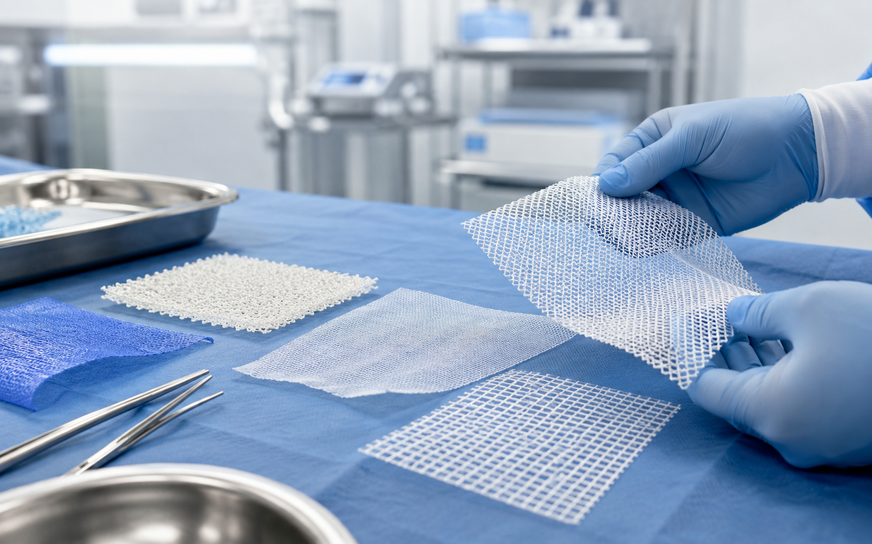
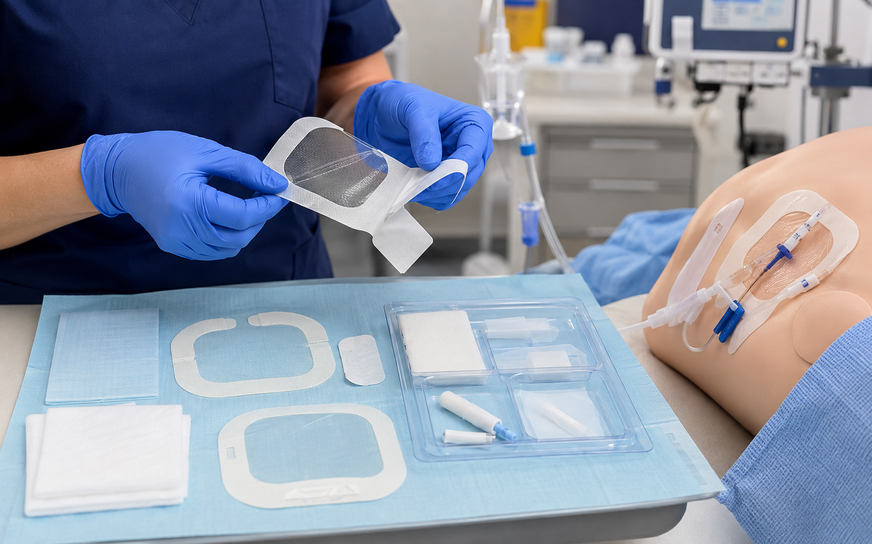
NPWT involves a therapeutic technique utilizing a vacuum pump connected to a wound dressing sealed with a transparent film to maintain a specified negative pressure at the wound site. This process promotes healing through several mechanisms: it reduces edema, increases blood flow, enhances granulation tissue formation, and decreases bacterial load in the wound. The technology typically utilizes either foam or gauze wound dressings connected to a vacuum system.
Component | Material | Function |
NPWT Device | Mechanized unit | Generates vacuum |
Hydrogel Dressing | Gel-infused sheets | Moisture maintenance |
Wound Sealing Film | Transparent dressing | Seals wound |
Canister | Collection unit | Catches exudate |
This technology can significantly improve the healing trajectory of chronic and acute wounds. Its usage is reinforced by thousands of clinical studies underscoring improved recovery rates, making it a staple in advanced wound care.
Indications for Using NPWT
NPWT is indicated for a variety of wound types that require efficient and effective healing methods. It has shown exceptional results in treating wounds with high exudate levels, persistent infections, and those requiring continuous drainage management. Some recognized indications include diabetic ulcers, venous leg ulcers, pressure ulcers, and surgical wounds.
Hydrocolloid dressings for pressure ulcers and hydrocolloid blister treatments are among the critical components in selecting the optimal dressing for NPWT. These dressings provide a conducive environment for cell migration and tissue growth, enhancing NPWT's efficacy. Furthermore, utilizing silver antimicrobial wound gel in tandem with NPWT can help control infection rates, contributing to faster healing times.
Understanding the specific indications where NPWT excels can guide clinicians in selecting the most effective treatment options, optimizing patient outcomes.
Contraindications and Risks
While NPWT offers significant benefits, it's not without contraindications. Certain conditions and wounds may not be suitable for NPWT. These include wounds with untreated osteomyelitis, malignancies in the wound area, non-enteric and unexplored fistulas, and necrotic tissue with eschar.
Risks associated with NPWT include pain during dressing changes, potential skin maceration around the wound site, and bleeding complications in patients with coagulopathies. The correct implementation of device settings and the selection of appropriate wound care dressing types are essential for minimizing risks.
The choice of materials can mitigate some risks, such as using vaseline gauze in patients with sensitive skin or employing silicone foam dressing and silicone foam wound dressing for delicate tissue areas to enhance patient comfort during therapy.
Steps for Applying NPWT Dressings
Applying an NPWT system necessitates precise steps to ensure efficiency and prevent complications. Proper application not only depends on the medical dressings employed but also on following a structured procedure:
Wound Assessment: Evaluate the wound thoroughly to determine NPWT eligibility and select appropriate dressing materials like hydrogel gauze or paraffin gauze.
Wound Preparation: Clean and debride the wound bed to remove non-viable tissue, ensuring the wound is free from necrotic materials.
Dressing Application: Place a suitable foam silicone dressing or gauze dressing over the wound, covering it with an adhesive drape to form an airtight seal.
Vacuum Application: Connect the drainage tube to the vacuum device, adjusting the pressure settings based on clinical guidelines.
Seal Check: Confirm that the dressing and drape adhere completely to maintain an effective negative pressure environment.
Attention to each step is vital, with every detail from the choice of hydrogel dressing to the precise cut of drapes affecting the therapy's success.
Maintenance and Monitoring Tips
Effective maintenance of NPWT systems requires committing to regular monitoring and timely interventions if issues arise. It's critical to consistently evaluate and adjust all components to maintain the therapeutic vacuum and ensure optimal healing progress.
Transparent dressing inspection: Routinely check dressings for integrity and assess wound healing progress.
Regular canister checks: Ensure the canister appropriate levels and change it as needed to prevent overflow.
Error Monitoring: Be vigilant for any alarms or alerts on the NPWT device, which may indicate blockages or system malfunctions.
Pressure Setting Adjustments: Tailor the pressure settings to the individual patient's requirements, with considerations for comfort and wound condition.
Investing time and resources into the meticulous management of NPWT systems enhances the therapy's healing potential and prolongs the lifespan of system components.
Conclusion
By integrating Negative Pressure Wound Therapy (NPWT) into comprehensive wound care strategies, clinicians can significantly improve patient outcomes in healing complex wounds. The efficacy of NPWT, bolstered by precise dressing selection such as transparent dressing film or silicone sheets and gel, underscores its prominence in modern healthcare. Understanding both the potential and the limitations of NPWT equips healthcare providers with the knowledge to optimize therapeutic interventions tailored to patient needs, ensuring best practices are applied for efficient wound management.
Whether exploring new technologies in wound care or refining existing protocols, NPWT's evolving landscape offers ample opportunities for advancing healing methodologies and improving patient quality of life.