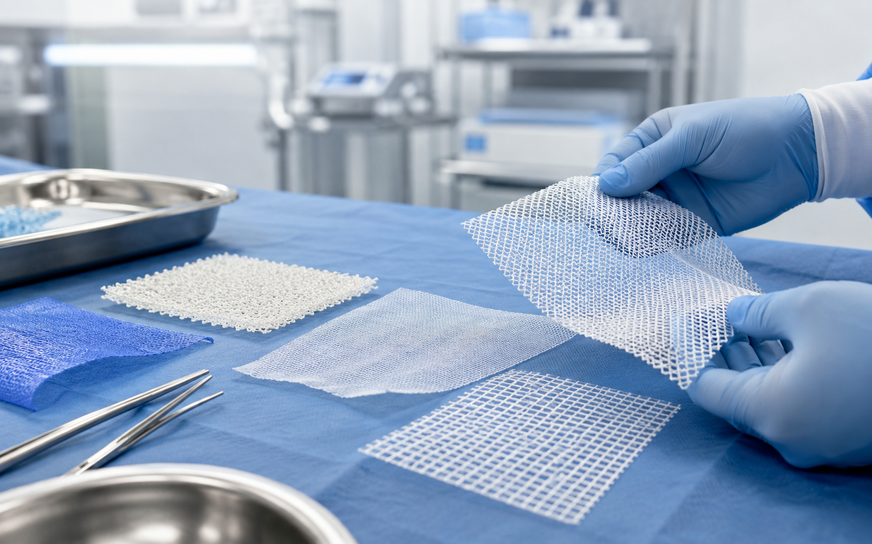
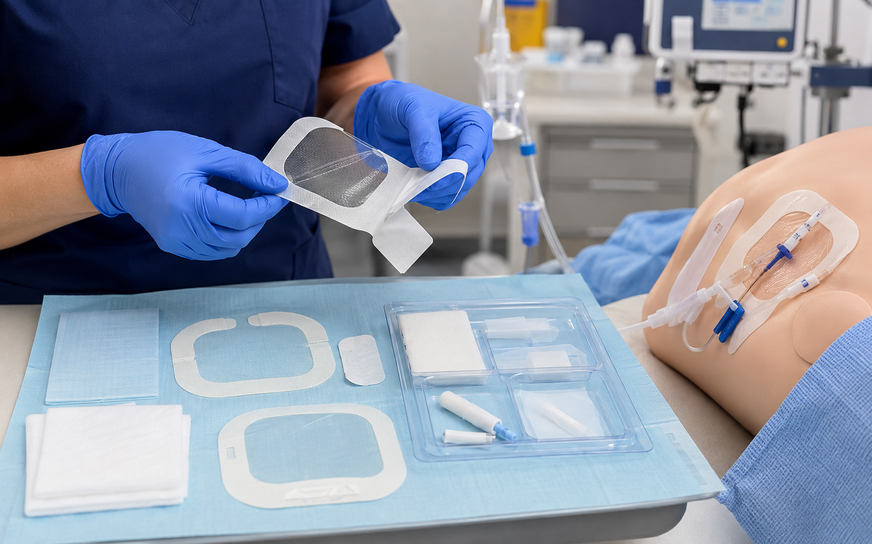
In the realm of wound care dressing types, understanding the differences between hydrocolloid and hydrogel dressings is essential for medical professionals and patients alike. These dressings play critical roles in wound management, offering distinct benefits that cater to specific wound conditions. With an array of wound dressing products available, choosing the right type, such as a npwt dressing or a hydrogel dressing, can significantly impact healing outcomes. This comprehensive guide explores the compositions, effectiveness, practical uses, and user feedback for hydrocolloid and hydrogel dressings, helping you make informed decisions in wound care management.
Key Composition Differences
Understanding the fundamental makeup of hydrocolloid and hydrogel dressings reveals much about their functionality and suitability for different types of wounds.
Dressing Type | Composition | Properties |
Hydrocolloid Dressing | Gel-forming agents (e.g., gelatin, pectin) on a backing film | Absorbent, adhesive, provides a moist environment |
Hydrogel Dressing | 90% water/gel base with a polymer matrix | Hydrating, cooling, non-adhesive |
Hydrocolloid dressing typically consists of gel-forming agents like gelatin or pectin affixed to a polyurethane film, which not only cushions the wound but maintains a moist environment crucial for wound healing. On the other hand, hydrogel dressings are primarily composed of water suspended within a polymer, offering excellent hydration and serving as a medium for cooling.
Healing Effectiveness Comparison
The effectiveness of wound care significantly depends on the appropriate application of dressing types. Here's a comparison of how hydrocolloid and hydrogel dressings perform in various scenarios:
Dressing | Benefits | Healing Impact |
Hydrocolloid Dressing | Protection from bacteria, self-adhesion | Effective for granulating and necrotic wounds |
Hydrogel Dressing | Hydration reduces pain | Ideal for dry, necrotic, and painful wounds |
A hydrocolloid dressing provides a sterile barrier against bacteria and debris, making it well-suited for granulating wounds. As one of the reliable hydrocolloid dressing suppliers, JCMED offers hydrocolloid dressings whose adhesive nature helps maintain a stable healing environment. Conversely, hydrogel dressings are effective for dry or necrotic wounds due to their high water content, which enhances autolytic debridement and soothes pain.
Best Use Cases for Each
The application of medical products like bandage wound dressing, gauze hemostatic, and hydrogels varies based on the wound type:
Hydrocolloid dressing: Particularly effective for minor burns, clinically clean wounds, and mildly exuding wounds that require protection and cushioning.
Hydrogel Dressings: Best used for wounds with low to moderate exudate, especially if pain relief and rehydration are sought. Suitable for infected wounds, as hydrogels can be combined with silver for wounds for an antimicrobial effect.
A hydrocolloid dressing find their niche in treating minor burns and mildly exudating wounds, offering not only protection but also cushioning to promote healing. On the other hand, when addressing wounds in need of pain relief or lacking sufficient moisture, hydrogel dressings prove advantageous. They are also compatible with silver antimicrobial wound gel, elevating their antibacterial potential.
User Experiences and Reviews
First-hand accounts from users provide practical insights into the real-world application of these dressings:
Hydrocolloid: Users appreciate its moisture retention and cushioning properties, noting its effectiveness on blisters and minor wounds.
Hydrogel: Praised for its immediate pain relief and hydrating effects, especially in complicated wound management scenarios.
Feedback from users of hydrocolloid dressing highlights the products' proficiency in treating skin blisters and light injuries due to their proficient moisture control and cushioning. Meanwhile, JCmed hydrogel dressings garner praise for their ability to swiftly alleviate discomfort and moisturize, particularly under complex wound management conditions.
Armed with this knowledge of the commonalities and distinctions between hydrocolloid and hydrogel dressings, JCmed ensures medical professionals and consumers can make more informed decisions in wound care. These JCmed dressings offer significant benefits tailored to specific healing environments, contributing to healthier outcomes through carefully chosen applications.
References:
[1] Hydrocolloid dressing: Healthline Article
[2] Hydrogel Dressings: Wound Source
[3] Medical Dressing Types: Johns Hopkins Medicine