In 2026, sourcing reliable vaseline gauze has become a more consequential procurement decision than it was even two or three years ago. Tighter clinical compliance requirements, longer and more complex distribution chains, and sharply higher return-cost sensitivity mean that a single underperforming shipment can generate complaints, write-offs, and tender disqualifications that far outweigh any unit-price savings. At the same time, the range of paraffin gauze uses across hospitals, clinics, surgical centers, and export distribution channels has expanded—making consistent product performance a baseline expectation rather than a premium feature.
The two most common failure modes buyers encounter with low-cost products are straightforward but damaging. The first is uneven impregnation: petrolatum or paraffin is not distributed uniformly across the gauze surface, leaving dry zones that can adhere to wound tissue and produce inconsistent handling behavior across the same batch. The second is poor package sealing: inadequate barrier materials or weak heat seals allow oil migration, oxidation, or evaporation during storage and transit, so the dressing arrives at the point of use already partially dried out.
Both failures are preventable. This guide provides a practical, three-standard evaluation framework—saturation uniformity, packaging material and seal integrity, and sterilization method—that procurement teams can apply at the supplier qualification stage to reduce sourcing risk before it reaches the warehouse or the bedside.
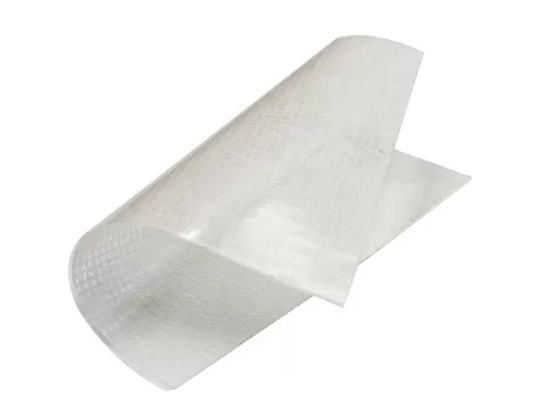
Standard 1: Saturation Levels — How to Verify Uniform Impregnation
What "Uniform Saturation" Means for Buyers
Saturation uniformity refers to the consistency of petrolatum or paraffin distribution across the entire gauze surface—every fiber zone, every corner, every edge. A uniformly impregnated dressing has no dry patches, no areas of over-concentration, and no visible clumping. From a buyer's perspective, uniformity is not an abstract quality metric; it is the physical condition that determines whether the product will behave predictably when it is opened and applied.
The practical definition for procurement purposes: if you lay a sheet flat and examine it visually, the entire surface should appear consistently translucent and moist. If you run a finger across it, the drag should feel uniform from one end to the other. Any area that looks white, feels dry, or resists the same light pressure as the rest of the sheet is a dry zone—and a dry zone is a performance failure waiting to happen.
How Uniform Saturation Solves the Core Problem
The functional mechanism is straightforward. A consistent petrolatum layer across the gauze surface creates a uniform non-adherent interface between the dressing and the wound bed. When that layer is present everywhere, the dressing lifts away cleanly during removal without pulling on healing tissue. When it is absent in some zones—because the impregnation process was inconsistent—those dry areas can bond to the wound surface, making removal more difficult and potentially disrupting tissue repair.
For buyers, this means that saturation uniformity is not just a quality-of-life issue; it is directly tied to the clinical outcome the product is supposed to support. A dressing that adheres in some areas and releases cleanly in others is not performing its intended function, regardless of how it looks in a product photograph.
Practical Inspection Points for Procurement and QC
When evaluating a new supplier or auditing an existing one, the following checks provide a fast, low-cost screening layer before committing to volume orders:
Multi-batch sampling: Request samples from at least two or three separate production batches. A single sample—even a perfect one—tells you nothing about batch-to-batch consistency, which is the variable that matters most at scale.
Visual inspection: Examine each sheet under good lighting. Look for white or dry-looking areas, uneven sheen, or visible pooling of impregnant in the center while edges appear under-coated.
Hand-feel check: Run a finger across the full surface. Uniform drag with no dry or rough patches is the acceptance criterion.
Appearance on opening: The dressing should not appear partially dried when the pouch is first opened. If it does, the failure is either in the impregnation process or the packaging—both of which need investigation.
Supplier QC documentation: Ask the supplier to describe their in-process saturation controls. A credible manufacturer should be able to explain how they monitor petrolatum content per unit area and what their batch acceptance criteria are. If they cannot, that is a meaningful qualification risk.
Standard 2: Packaging Material — Why Aluminum Foil Pouches Prevent Dry-Out and Protect Shelf Stability
The Failure Mode: Why Cheap Packaging Backfires
A well-impregnated dressing can still fail if the packaging cannot protect it through the full stated shelf life. The degradation mechanism is not dramatic—it is slow and invisible until the pouch is opened. Petrolatum is susceptible to two primary degradation pathways in storage: oil migration, where the impregnant gradually transfers into the packaging material itself, leaving the gauze progressively drier over time; and oxidation, where oxygen ingress through a weak barrier or imperfect seal degrades the petrolatum layer.
Both pathways are accelerated by inadequate barrier materials—plain paper, low-grade film laminates, or foil pouches with inconsistent heat sealing. The result is a product that meets specification on day one but arrives at the point of use six or eighteen months later in a condition that no longer supports its intended function. For distributors managing inventory across multiple locations and temperature zones, this is a recurring and costly problem.
What to Specify in an RFQ
The packaging standard that reliably prevents both failure modes is an aluminum foil laminate pouch with validated heat sealing. Aluminum foil provides near-zero moisture vapor transmission rate (MVTR) and oxygen transmission rate (OTR), making it the most effective barrier material available for petrolatum-impregnated products at standard storage conditions.
When issuing an RFQ or qualifying a supplier, specify and verify the following:
Pouch material: Aluminum foil laminate (not plain paper, not low-barrier film). Ask for the material specification sheet, not just a verbal confirmation.
Seal integrity: Ask what seal strength testing or leak testing method the supplier uses, and what the acceptance criterion is. A supplier who cannot answer this question has not validated their sealing process.
Shelf-life claim with supporting data: A stated shelf life of two or three years should be backed by accelerated aging or real-time stability data. A shelf-life claim without supporting packaging validation is a marketing statement, not a specification.
Individual unit pouching: Each dressing should be individually pouched to prevent cross-contamination and to allow single-unit dispensing without exposing remaining stock.
Outer carton protection: For export and long-transit applications, ask whether the outer carton provides adequate secondary protection against humidity and temperature cycling. In 2026 logistics environments, products may pass through multiple climate zones before reaching the end user.
A practical field check on receipt: examine the seal edges of sample pouches carefully. Clean, uniform seal lines with no micro-tears, delamination, or thin areas indicate a well-controlled sealing process. A gentle press on the pouch should produce a slightly pressurized feel with no air ingress.
How This Supports Paraffin Gauze Uses in Real Workflows
For clinical buyers, reliable packaging means the dressing opened in month twenty of a two-year shelf life performs identically to the one opened on day one. For distributors, it means fewer complaints, fewer returns, and fewer unusable units written off at inventory rotation. For export channels with long transit times and variable storage conditions, aluminum foil pouching with validated sealing is not a premium option—it is the minimum specification for a product that will actually arrive in usable condition.
The connection to real-world paraffin gauze uses is direct: whether the application is post-operative wound interface management, burn or donor site coverage, or superficial wound care, the dressing must be in the condition it was manufactured in when it reaches the patient. Packaging is what makes that possible.
Standard 3: Sterilization Method (Gamma Ray or EO) — How to Choose Based on Channel and Compliance
Gamma vs. EO: What Buyers Should Ask For
Both Gamma Ray irradiation and Ethylene Oxide (EO) sterilization are established, widely accepted methods for sterile wound dressings. Neither is universally superior—the right choice depends on your channel, your regulatory environment, and your documentation requirements.
Gamma Ray sterilization is a terminal sterilization method applied to the final sealed product. It penetrates the packaging without leaving chemical residue and provides a clear, documentable sterility assurance level (SAL) for the finished unit. It is often the preferred method for hospital tender submissions because the sterilization occurs after final packaging, and the documentation chain is straightforward.
EO sterilization is also widely used and accepted, particularly where material sensitivity to radiation is a consideration. EO-sterilized products require a validated aeration period to ensure residual gas dissipation below accepted limits, and some regulatory environments have specific documentation requirements around EO residuals. For markets where EO is the standard channel expectation, it is a fully appropriate choice with its own well-established validation framework.
The buyer's practical position: do not accept a sterilization claim without documentation. The sterilization method stated on the label should be backed by a validation report, a COA with SAL stated, and lot-level traceability.
Procurement Checklist for Sterilization Documentation
Before finalizing a supplier, request and review:
Sterilization method confirmation (Gamma Ray or EO) and the name of the sterilization facility
Sterilization validation documentation (ISO 11137 for Gamma; ISO 11135 for EO)
Certificate of Analysis (COA) with sterility assurance level (typically SAL 10⁻⁶) stated per lot
Lot traceability records linking sterilization batch to product lot numbers
Labeling compliance: sterilization method, expiry date, and lot number clearly stated in a format compatible with your tender or institutional requirements
Regulatory fit: confirm that the sterilization method and documentation package meet the requirements of your target market or distribution channel
A supplier offering both Gamma and EO options with full validation documentation for each gives buyers the flexibility to match product specifications to channel requirements without switching suppliers—a meaningful operational advantage for distributors serving multiple markets.
How Vaseline Gauze Performs Across Key Paraffin Gauze Uses: Application Scenarios and SKU Standardization
Scenario Mapping: Matching Specification to Use Case
The three quality standards described above apply universally, but their relative priority shifts depending on the application context:
Hospitals and surgical clinics sourcing for direct clinical use prioritize consistent non-adherence (saturation uniformity) and sterile presentation (validated sterilization with full documentation). Batch-to-batch consistency is critical because clinical protocols depend on predictable product behavior.
Distributors managing inventory across multiple locations and customer types prioritize shelf stability (aluminum foil packaging with validated sealing) and low return risk. A product that arrives dry or unevenly coated generates complaints that are disproportionately expensive to handle relative to the unit cost of the dressing.
Export channels and long-transit applications face the most demanding packaging requirements. Products may pass through multiple climate zones, humidity ranges, and handling environments before reaching the end user. Aluminum foil pouching, outer carton integrity, and a shelf-life claim backed by real stability data are non-negotiable for these channels.
What to Standardize Across SKUs
For buyers managing multiple SKUs or serving multiple channels from a single supplier relationship, the following parameters should be standardized and confirmed in writing before the first volume order:
Available dressing sizes (dimensions in centimeters; confirm that stated sizes match actual product dimensions)
Individual pouch format (confirm unit pouching, not bulk packaging, for clinical and single-use distribution applications)
Units per box and cartons per pallet (for logistics and inventory planning)
Sterilization type per SKU and corresponding labeling format
Labeling language and regulatory marking requirements for each target market
Installation, Handling, and Selection Guide: A 4-Step Configuration Process
Step 1: Confirm Application Scenario and Channel Requirement
Define the end use before specifying the product. Is this for direct clinical use in a sterile environment? Distribution to clinics or pharmacies? Export to a regulated market with specific documentation requirements? The answer determines which quality standards carry the most weight and which documentation package you need from the supplier.
Step 2: Choose Sterilization Method
Based on your channel and regulatory environment, specify Gamma Ray or EO sterilization. If you serve multiple channels with different requirements, confirm whether the supplier can provide both options with separate validation documentation.
Step 3: Lock Packaging Format
Specify aluminum foil laminate individual pouching as the baseline. Confirm seal integrity testing methodology and shelf-life validation data. For export or long-transit applications, confirm outer carton specifications as well.
Step 4: Choose Sizes, Specifications, and Volume
Confirm available dressing sizes against your usage requirements. Establish MOQ, lead time, and annual volume expectations. Request samples from multiple batches before placing the first volume order—not after.
What to Request from the Supplier Before Committing
Multi-batch samples (minimum two batches) for visual and hand-feel inspection
Packaging material specification sheet confirming foil laminate construction
Sterilization validation documentation and sample COA
Written description of in-process saturation uniformity controls
Shelf-life claim with supporting stability data
Maintenance, Storage, and Total Cost of Ownership in 2026 Procurement
Storage and Rotation Rules
vaseline gauze is a consumable, but storage conditions directly affect whether the product performs as specified when it is used. Key operational rules:
Store away from heat sources and direct sunlight; elevated temperatures accelerate oil migration even through high-barrier packaging
Maintain carton integrity during storage and handling; damaged outer cartons increase the risk of pouch damage and seal compromise
Apply strict FIFO (first-in, first-out) rotation to prevent older stock from sitting past its optimal performance window
Inspect incoming shipments for carton damage and pouch seal integrity before accepting into inventory
TCO Model: Where the Real Cost Comes From
For procurement teams focused on total cost of ownership, the unit price of a vaseline gauze dressing is rarely the largest cost variable. The real cost drivers are:
Waste from dry-out: Units that arrive unusable due to packaging failure must be discarded. At volume, this waste accumulates quickly and is rarely captured in unit-price comparisons.
Complaint handling and returns: Processing a return, investigating a complaint, and managing a customer relationship after a quality failure costs significantly more than the price difference between a reliable product and a cheap one.
Rush re-purchasing: When a shipment fails quality inspection or generates clinical complaints, emergency re-purchasing at short notice typically carries a cost premium and supply chain disruption.
Tender and reputational risk: In regulated procurement environments, a documented quality failure can affect tender eligibility for future cycles—a cost that is difficult to quantify but very real.
All three quality standards described in this guide function as TCO reducers. Saturation uniformity reduces waste and complaint rates. Aluminum foil packaging reduces dry-out write-offs and shelf-life failures. Validated sterilization documentation reduces tender risk and regulatory exposure. The investment in specifying these standards at the sourcing stage is recovered through avoided costs across the supply chain.
Conclusion
In 2026, the two most common and costly failures in vaseline gauze procurement—uneven impregnation and packaging-related dry-out—are both preventable at the supplier qualification stage. They are not random quality events; they are predictable outcomes of sourcing without a structured evaluation framework.
The three standards covered in this guide provide that framework:
Saturation uniformity: verify batch-to-batch impregnation consistency through multi-batch sampling and supplier QC documentation; no dry zones, no pooling, uniform hand-feel across the full sheet
Aluminum foil pouch barrier and seal integrity: specify high-barrier foil laminate pouching with validated sealing and stability-backed shelf-life claims; this is what keeps the product in usable condition from manufacture to point of use
Validated sterilization (Gamma Ray or EO) with full documentation: match the method to your channel and regulatory requirements; request COA, validation references, and lot traceability before the first order
Applying these three checkpoints systematically will filter out the majority of underperforming products before they reach your inventory, your customers, or your clinical workflows.
Request a Recommended Configuration and Quote
To review available specifications, sizes, and packaging options, visit the vaseline gauze dressings product page. To receive a configuration recommendation and pricing tailored to your specific requirements, submit the following information:
Working condition and application scenario (wound type, clinical setting, distribution channel, or export destination)
Quantity (annual volume or per-order quantity)
Size or specifications (dressing dimensions, packaging format, units per box)
Target metrics (shelf-life expectation, sterilization requirement, channel compliance documentation)
Current problems (uneven coating, dry-out complaints, sterilization documentation gaps, return rate issues, or other)
For a real-world application reference, the use-case page for a Colombian distribution customer provides a practical benchmark for how product specifications translate into field performance across a multi-channel distribution workflow.
FAQ
1. What is vaseline gauze?
Vaseline gauze is a wound-contact dressing made by impregnating a woven gauze substrate with petrolatum (petroleum jelly). The petrolatum layer creates a non-adherent surface that reduces the risk of the dressing bonding to wound tissue, supporting cleaner and less traumatic removal during dressing changes. It is one of the most widely used primary wound-contact layers in surgical, burn, donor site, and general wound care applications, typically used as an interface layer beneath an absorbent secondary dressing.
2. Vaseline gauze vs. paraffin gauze — what is the difference, and what matters most for buyers?
The terms are often used interchangeably in procurement and clinical contexts. The functional distinction is in the impregnant: vaseline gauze uses petrolatum (a semi-solid petroleum-derived ointment), while paraffin gauze uses paraffin wax or a paraffin-based blend. In practice, both serve the same primary function—creating a non-adherent wound-contact interface—and the performance differences between them are less significant for most buyers than the manufacturing quality variables covered in this guide (saturation uniformity, packaging integrity, sterilization). When evaluating products, focus on impregnation consistency and packaging specification rather than the specific impregnant terminology.
3. What is the ROI or payback period for sourcing higher-quality vaseline gauze?
The payback is typically realized across three cost categories. First, reduced product waste: fewer units discarded due to dry-out or uneven impregnation directly reduces per-unit effective cost. Second, fewer complaints and returns: the operational cost of processing a return or managing a clinical complaint is disproportionately high relative to the unit price of the dressing. Third, more stable supply performance: consistent batch quality reduces the frequency of emergency re-purchasing and the associated cost premiums. For high-volume buyers, even a modest reduction in complaint and write-off rates typically offsets any unit-price premium within the first one or two shipment cycles.
4. Do we need to modify our workflow or packaging process to switch vaseline gauze suppliers?
In most cases, no significant workflow modification is required. The primary alignment steps are: confirming that the new supplier's available sizes match your current usage specifications; verifying that the pouching format (individual unit pouch, units per box) is compatible with your dispensing or distribution process; ensuring that the sterilization method and labeling format meet your institutional, tender, or regulatory requirements; and confirming any language or market-specific labeling requirements before the first shipment. If you have specific tender labeling requirements—lot number format, language, regulatory marking—address these during supplier qualification rather than after the first order is placed.
5. What parameters should we provide to get an accurate product recommendation and quote?
To receive a configuration recommendation and pricing that accurately reflects your requirements, provide the following: your intended application or use case (wound type, clinical setting, distribution channel, or export destination); your sterilization preference (Gamma Ray or EO); required dressing sizes (dimensions in centimeters); preferred packaging format (individual pouch, units per box, cartons per pallet); annual or per-order volume; target shelf life; and a description of any current problems with your existing supply—such as uneven saturation, seal failures, dry-out on opening, documentation gaps, or return rate issues. The more specific the input, the more precisely a supplier can match configuration and pricing to your actual procurement requirements.