In 2026, negative pressure wound therapy (NPWT) is being scaled across more complex wound-care programs than ever before—yet one of the most preventable complications still occurs at the dressing change. Using gauze with petroleum as a thin contact layer before placing the NPWT filler is a procurement conversation that directly addresses one of the most documented pain points in high-acuity wound management: granulation tissue ingrowth into the foam or gauze filler, which can turn a routine dressing change into a painful, bleeding, and clinically disruptive event. For wound-care program managers and procurement teams familiar with paraffin gauze uses in non-adherent dressing protocols, this application represents a logical and high-impact extension of the same principle.
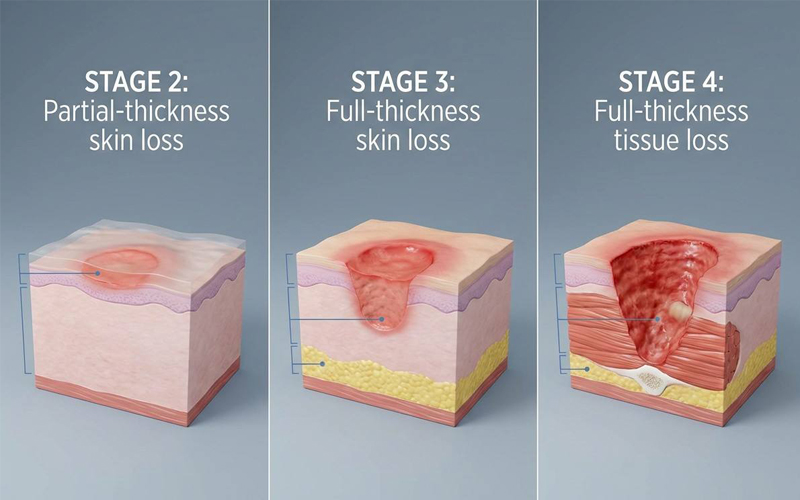
The field pain point is specific and well-recognized. When NPWT foam or gauze filler is placed directly against an actively granulating wound bed, the negative pressure environment accelerates tissue ingrowth into the filler structure. By the time the dressing is changed—typically every 48 to 72 hours—the filler has become mechanically bonded to the wound surface. Removal requires force, causes bleeding, disrupts the granulation tissue that the therapy was designed to build, and generates significant patient distress. In high-volume NPWT programs, this scenario is not an edge case; it is a recurring operational and clinical cost.
A thin layer of petroleum-impregnated gauze placed between the wound bed and the filler interrupts this ingrowth mechanism before it starts. The hydrophobic, non-adherent ointment base creates a physical interface that the granulation tissue cannot penetrate, allowing the filler to be removed cleanly at the dressing change without disrupting the wound bed beneath. The clinical use of this approach must follow the NPWT device IFU and clinician protocol, but for procurement teams evaluating consumable standardization, the specification logic is straightforward and the TCO case is compelling.
How Gauze with Petroleum Works as an NPWT Contact Layer
What the Contact Layer Does in NPWT Workflows
The mechanism is direct. When petroleum-impregnated gauze is placed as the first layer against the wound surface—before the NPWT foam or gauze filler is applied—the hydrophobic ointment base creates a non-adherent interface between the wound bed and the filler material. Granulation tissue, which grows rapidly under negative pressure conditions, encounters the petroleum layer rather than the open-pore structure of the foam or filler gauze. Because the petroleum base is hydrophobic and physically occlusive at the fiber level, tissue cannot penetrate or bond to it.
The result at dressing change is a filler that lifts away from the contact layer cleanly, and a contact layer that separates from the wound surface with minimal mechanical force. The granulation tissue beneath remains intact, undisturbed, and ready to continue the healing process at the next therapy cycle.
Why It Matters in High-Acuity Dressing Changes
In NPWT programs operating at scale—multi-bed wound care units, home health NPWT programs, or multi-site hospital systems—the cumulative impact of difficult dressing changes is significant. Each removal event that involves tissue disruption, bleeding, or patient distress adds unplanned nursing time, may require additional clinical intervention, and can delay the therapy timeline. In some cases, repeated traumatic removals cause enough wound bed disruption to set back the healing trajectory measurably.
From a procurement and program management perspective, the contact layer is a low-unit-cost consumable that addresses a high-cost problem. The cost of a petroleum gauze contact layer per dressing change is a fraction of the cost of an extended nursing intervention, an unplanned wound assessment, or a delayed discharge. For programs that have already invested in NPWT devices and filler consumables, standardizing a petroleum gauze contact layer is one of the highest-leverage specification decisions available.
Key Specifications for Gauze with Petroleum: What Buyers Should Lock In
Impregnation Uniformity: No Dry Zones Across the Contact Area
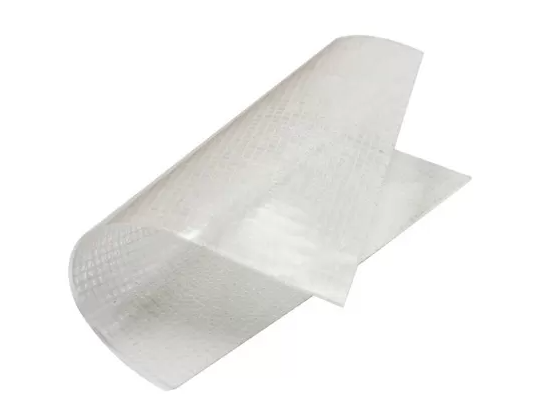
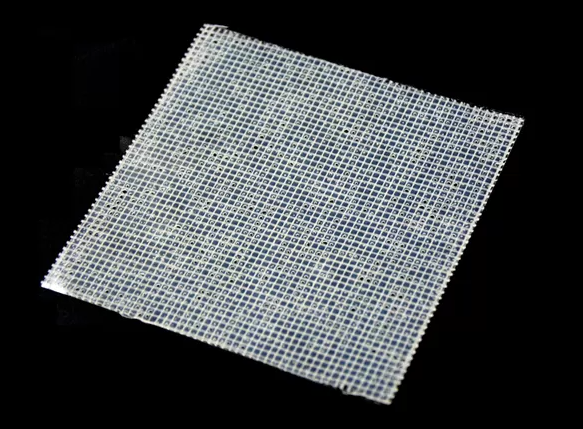
In the NPWT contact-layer application, impregnation uniformity is more critical than in standard wound dressing use. The contact layer must cover the entire wound surface with a consistent petroleum interface—any dry zone is a zone where tissue ingrowth can occur. A dressing with uneven petrolatum distribution, where some areas are adequately coated and others are nearly dry, will not provide reliable protection across the full wound bed.
Procurement and incoming QC criteria for impregnation uniformity should include:
Visual inspection: the full dressing surface should appear consistently translucent and moist, with no white, dry, or under-coated areas at corners, edges, or center
Hand-feel check: uniform, low-drag sensation across the entire sheet with no patchy or rough areas indicating dry zones
Multi-batch sampling: request samples from at least two or three separate production batches to verify consistency over time, not just in a single evaluation sample
Supplier QC documentation: ask the supplier to describe their in-process saturation controls and batch acceptance criteria for petrolatum content per unit area
Packaging Barrier and Seal Integrity: Preventing Dry-Out in Storage and Transit
A petroleum gauze contact layer that has partially dried out before use—due to inadequate packaging barrier or a compromised heat seal—will not perform its intended function. The petroleum layer that was present at manufacture has migrated into the packaging material or oxidized, leaving a dressing that looks intact but lacks the consistent hydrophobic interface required for reliable non-adherence.
For hospital systems managing NPWT consumable inventory across multiple wards or sites, and for distributors supplying NPWT programs across geographic regions, packaging specification is a direct operational risk variable. The standard that reliably prevents dry-out is an aluminum foil laminate pouch with validated heat sealing. Specify:
Aluminum foil laminate pouch material with confirmed barrier properties
Seal integrity verification method and acceptance criterion from the supplier
Shelf-life claim supported by stability data, not just a stated date
Outer carton protection adequate for multi-site distribution and storage condition variability
Sterilization and Documentation: Gamma Ray or EO for Clinical Use
NPWT is used in clinical environments where sterile consumables are the standard expectation. The petroleum gauze contact layer, placed directly against the wound bed, must be supplied sterile with full documentation supporting the sterility claim.
Both Gamma Ray irradiation and Ethylene Oxide (EO) sterilization are appropriate methods. The choice should be driven by your institutional or tender requirements. For either method, request: sterilization validation documentation (ISO 11137 for Gamma; ISO 11135 for EO), a Certificate of Analysis (COA) with sterility assurance level stated per lot, lot-level traceability records, and labeling that clearly identifies the sterilization method and expiry date in a format compatible with your hospital or distributor documentation requirements.
Paraffin Gauze Uses in NPWT: When This Contact-Layer Approach Fits Best
Typical B2B Use-Case Triggers
The petroleum gauze contact layer approach is most relevant in the following procurement and program contexts:
Fragile or highly active wound beds where granulation tissue ingrowth into NPWT filler is a known and recurring problem. If a wound-care program is already experiencing complaints about painful removals, bleeding at dressing changes, or disrupted wound beds, this is the primary indicator that a contact layer specification review is warranted.
High-volume NPWT programs where dressing-change efficiency and nursing time predictability are operational priorities. In programs managing large numbers of NPWT patients simultaneously, the cumulative time cost of difficult removals is significant and measurable. Standardizing a petroleum gauze contact layer converts an unpredictable removal event into a routine, time-consistent procedure.
Multi-center NPWT rollouts where consumable standardization reduces variability across sites. When multiple facilities within a health system are running NPWT programs with different contact-layer practices, standardizing on a specified petroleum gauze product creates consistent clinical outcomes and simplifies procurement, inventory management, and staff training.
Distributors supplying NPWT programs who want to offer a complete consumable solution rather than just the primary filler. Adding a petroleum gauze contact layer to the NPWT consumable bundle is a value-add that addresses a documented clinical need and differentiates the offering from commodity filler-only supply.
Operational Outcomes Procurement Teams Care About
Beyond the clinical rationale, the operational outcomes that drive procurement decisions in this application are:
Fewer complaints about painful or difficult dressing removals, which reduces escalation handling and clinical review time
More predictable dressing-change workflow time, which supports nursing scheduling and resource planning in high-volume programs
Reduced waste from rework—dressings that must be replaced ahead of schedule due to wound bed disruption at removal
Lower total cost per NPWT therapy episode, driven by fewer unplanned interventions and more consistent therapy continuity
Selection Guide: How to Specify Gauze with Petroleum for NPWT Without Spec Mismatch
Practical Selection Checklist for RFQ and Standardization
When issuing an RFQ or building a standardization specification for petroleum gauze as an NPWT contact layer, the following parameters should be confirmed before the first volume order:
NPWT device type(s) in use and filler type (foam or gauze) per device IFU—confirm that the contact layer approach is compatible with the specific device and protocol in use
Contact layer requirement: non-adherent petroleum gauze interface, sterile, individually pouched
Size options: confirm available dressing sizes against the wound dimensions and coverage practice in your program; the contact layer should cover the full wound surface without significant overlap onto periwound skin
Packaging format: individual aluminum foil pouch, units per box, cartons per pallet—confirm compatibility with ward dispensing and multi-site distribution logistics
Sterilization method preference (Gamma Ray or EO) and required documentation package (COA format, validation references, lot traceability structure)
Suggested Evaluation Method for Procurement Teams
Before committing to volume orders, apply the following evaluation steps:
Request multi-batch samples (minimum two batches) for visual inspection and hand-feel consistency assessment
Define incoming QC criteria in writing: impregnation uniformity acceptance standard, pouch seal integrity check method, sterility labeling and traceability verification
Evaluate samples against the specific wound sizes in your program to confirm that available dressing dimensions provide adequate coverage
Confirm with your wound-care clinical lead that the contact layer approach aligns with the NPWT device IFU and institutional protocol before broad rollout
Maintenance, Storage, and TCO: Reducing Waste, Returns, and Dressing-Change Cost in 2026
Storage and Rotation Basics That Protect Performance
Petroleum gauze contact layers are consumables, but storage conditions directly affect whether they perform as specified at the point of use. Key operational rules for hospital and distributor inventory management:
Store away from heat sources and direct sunlight; elevated temperatures accelerate oil migration even through high-barrier packaging
Maintain carton integrity during storage and handling; damaged outer cartons increase the risk of pouch damage and seal compromise
Apply strict FIFO (first-in, first-out) rotation to prevent older stock from sitting past its optimal performance window
Inspect incoming shipments for carton damage and pouch seal integrity before accepting into inventory
Where TCO Improves in a Scaled NPWT Program
For procurement teams evaluating the total cost of ownership of a petroleum gauze contact layer specification, the cost reduction levers are distributed across the therapy episode:
Lower incidence of dried-out units: high-barrier aluminum foil packaging with validated sealing reduces the write-off rate from unusable stock, which is a recurring cost in programs with extended inventory holding periods
Fewer difficult removals: each avoided traumatic dressing change eliminates the associated nursing time overrun, potential clinical escalation, and patient distress—costs that are individually small but cumulatively significant in high-volume programs
Better consumable standardization: fewer SKU mix-ups across sites, simpler ordering and inventory management, and more consistent clinical outcomes reduce the administrative and operational overhead of running a multi-site NPWT program
Reduced rework waste: dressings replaced ahead of schedule due to wound bed disruption at removal represent a direct consumable cost that is eliminated when the contact layer prevents the disruption from occurring
The unit cost of a petroleum gauze contact layer is a small fraction of the total cost of an NPWT therapy episode. Its TCO impact, however, is disproportionately large relative to that unit cost—which is why it represents one of the highest-leverage specification decisions available to NPWT program procurement teams in 2026.
Conclusion: A Small Specification Change with a Large Impact on NPWT Program Performance
Using gauze with petroleum as a contact layer in NPWT is a highly specific but high-impact consumable decision. It targets one of the most expensive and preventable pain points in NPWT workflows—traumatic, time-consuming dressing removal caused by granulation tissue ingrowth into the filler—and addresses it with a low-unit-cost, well-understood product that aligns directly with established paraffin gauze uses in non-adherent wound care.
For procurement teams and wound-care program managers evaluating this approach in 2026, the specification framework is clear: standardize on uniform impregnation with no dry zones, high-barrier aluminum foil sealed packaging that protects shelf stability through the full distribution chain, and validated Gamma Ray or EO sterilization with complete documentation. These three criteria, applied at the supplier qualification stage, ensure that the contact layer performs its intended function reliably—from the warehouse to the wound bed.
The clinical use of this approach must follow the NPWT device IFU and clinician protocol. But for programs that have already identified traumatic removal as a recurring problem, the procurement case for standardizing a petroleum gauze contact layer is straightforward, measurable, and actionable.
Next Step: Request a Recommended Configuration and Quote
Visit the product page to review available specifications, sizes, sterilization options, and packaging configurations for petroleum gauze contact layers. For a real-world application reference showing how these specifications translate into field performance across a distribution workflow, view the Colombian customer use-case here.
To receive a configuration recommendation and pricing tailored to your NPWT program requirements, submit the following:
Application scenario / working condition (NPWT device type and filler type per IFU, clinical setting, or distribution channel)
Quantity (annual volume or per-order quantity)
Size or specifications (dressing dimensions required to cover wound size range in your program)
Target metrics (reduction in removal complaints, shelf stability expectation, sterilization requirement, documentation needs)
Current issues (tissue ingrowth and adhesion at removal, dry-out, packaging failures, sterilization documentation gaps, or other)
FAQ
1. What is gauze with petroleum?
Gauze with petroleum is a wound-contact dressing made by impregnating an open-weave gauze substrate with a hydrophobic petroleum or paraffin-based ointment. The impregnated layer creates a non-adherent surface that prevents the dressing from bonding to wound tissue, supporting cleaner and less traumatic removal. In the NPWT context, it is used as a thin contact layer placed directly against the wound bed before the primary filler, creating a physical interface that prevents granulation tissue from growing into the filler structure. It is specified by impregnation uniformity, packaging format, sterilization method, and dressing size, and must be used in accordance with the NPWT device IFU and clinician protocol.
2. Gauze with petroleum vs. alternative contact layers (silicone contact layers, mesh dressings, perforated films) — what is the difference?
Petroleum or paraffin gauze is a cost-effective, widely available non-adherent interface with a long clinical track record in wound dressing protocols. Silicone contact layers offer a different non-adherent mechanism—a soft silicone coating rather than a hydrophobic ointment base—and may provide different fluid-transfer characteristics and handling properties. Perforated films and mesh dressings offer varying degrees of non-adherence and exudate transmission. The selection between these options should be based on clinical protocol, NPWT device IFU compatibility, wound type, and TCO goals. For programs where cost-effectiveness and proven non-adherent performance are the primary criteria, petroleum gauze is a well-established and procurement-friendly choice.
3. What is the ROI or payback for standardizing petroleum gauze as an NPWT contact layer?
The primary payback levers are: fewer traumatic dressing removals, which reduces nursing time overruns and clinical escalation costs; fewer wound bed disruptions, which reduces rework dressings and potential therapy delays; fewer dried-out unusable units from improved packaging specification, which reduces write-off waste; and fewer complaint-driven escalations in high-volume programs, which reduces administrative and clinical review overhead. For programs managing significant NPWT volumes, the cumulative impact of these reductions typically offsets the unit cost of the contact layer many times over within a single procurement cycle.
4. Do we need to modify existing NPWT workflows to use petroleum gauze as a contact layer?
The addition of a petroleum gauze contact layer is a protocol-level change rather than a device or equipment modification. It involves placing one additional dressing layer—the petroleum gauze—directly against the wound bed before applying the standard NPWT filler. No device modification is required. However, the approach must be confirmed as compatible with the specific NPWT device IFU in use and approved by the wound-care clinical lead before broad rollout. Staff training on the correct placement sequence and the rationale for the contact layer is recommended to ensure consistent application across the program.
5. What parameters should we provide for accurate product selection?
To receive a configuration recommendation that accurately reflects your NPWT program requirements, provide the following: NPWT device model(s) in use and filler type (foam or gauze) per device IFU; wound size range in your program (to confirm appropriate dressing dimensions); sterile requirement and preferred sterilization method (Gamma Ray or EO); packaging unit preference (individual pouch, units per box, cartons per pallet); annual or per-order volume; target outcomes (reduction in removal trauma, shelf stability expectation, documentation requirements); and a description of current problems—such as tissue ingrowth and adhesion at removal, bleeding at dressing changes, dry-out complaints, packaging failures, or sterilization documentation gaps. The more specific the input, the more precisely a supplier can match product configuration and pricing to your program's actual requirements.