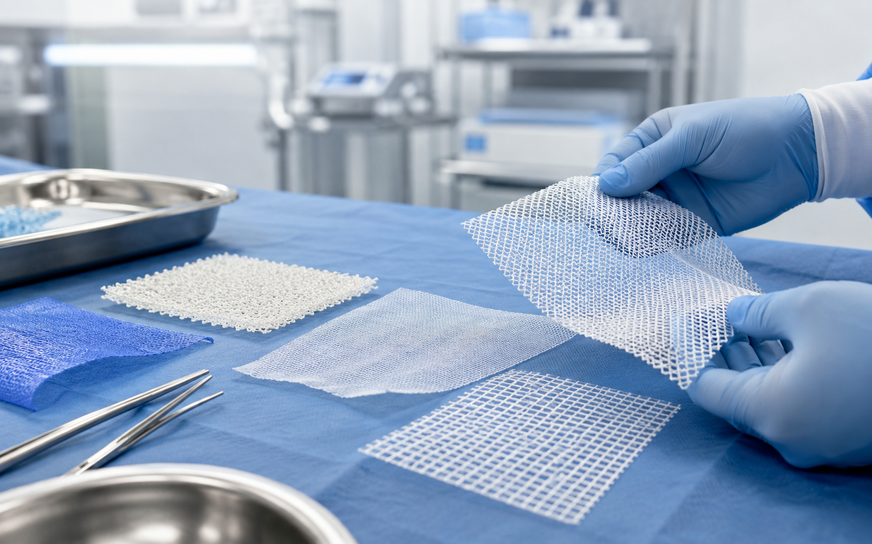
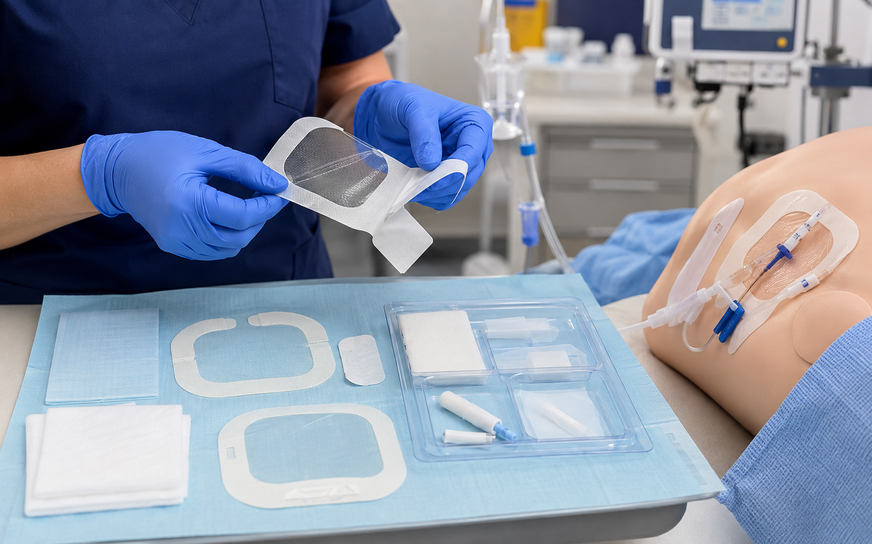
After skin grafts, donor-site harvesting, or laser dermatology procedures, the skin is at its most vulnerable. Clinicians and procurement teams prioritize protection with very low allergen potential and minimal trauma on dressing changes — because at this stage, the dressing itself can become a source of secondary injury if it adheres to fragile tissue. That is where vaseline gauze consistently earns its place in clinical protocols, and why decision-makers across surgical, dermatology, and wound care departments research practical paraffin gauze uses when standardizing their dressing formularies.
For 2026 B2B sourcing teams, the evaluation goes beyond clinical performance. Hospitals and distributors face increasing compliance and traceability pressure — batch records for audits, sterile barrier integrity for export channels, and supplier consistency across multi-site procurement. Standardizing on a proven, well-documented dressing format like vaseline gauze is as much a risk-reduction decision as a clinical one.
This article covers the working principle, key specifications, clinical applications, selection guidance, and total cost of ownership so procurement managers, clinical leads, and distributors can make a well-grounded sourcing decision.
How Vaseline Gauze Works: The Gentle Contact Layer That Protects Fragile Tissue
The clinical value of vaseline gauze is straightforward, but the mechanism behind it is worth understanding clearly — because it explains why the product performs consistently across such a wide range of post-procedure indications.
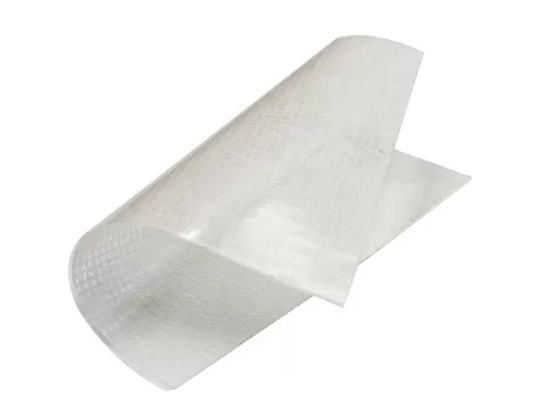
Non-Adherent Interface: Reducing Trauma at Dressing Changes
Vaseline gauze is a woven gauze substrate impregnated with petrolatum (petroleum jelly) or paraffin. The impregnation fills the interstices of the gauze weave, creating a surface that does not bond to wound exudate or regenerating tissue in the way that dry gauze does.
When a dry gauze dressing contacts a wound, exudate dries within the gauze fibers and effectively glues the dressing to the wound surface. Removal tears away newly formed tissue, causes pain, and can set back the healing process. On a graft recipient site or a freshly harvested donor site, this kind of mechanical trauma at dressing change is a genuine clinical risk.
The petrolatum layer in vaseline gauze prevents this bonding. The dressing lifts away from the wound surface without pulling on fragile tissue, making dressing changes less traumatic for the patient and less disruptive to the healing process.
Moist Environment Support: Why It Matters Post-Procedure
Beyond non-adherence, the petrolatum impregnation helps maintain a moist microenvironment at the wound surface. Moist wound healing is well established in the clinical literature as supporting faster re-epithelialization, reducing scar formation risk, and improving patient comfort compared with dry wound management.
For post-dermatology procedures — excisions, laser resurfacing, cosmetic treatments — where the goal is both healing and cosmetic outcome, maintaining a moist interface under the contact layer is a meaningful clinical consideration. Vaseline gauze provides this function passively, without requiring an occlusive dressing that might trap exudate or create maceration risk.
The dressing is used as a contact layer, not a stand-alone system. It is typically paired with an absorbent secondary dressing and appropriate fixation based on exudate level and clinician judgment — a combination that allows the system to be tailored to the specific wound and procedure type.
Explore vaseline gauze dressing specifications and packaging options
The Specs That Decide Clinical Consistency: What Procurement Teams Should Standardize
Clinical performance depends on product consistency. A vaseline gauze dressing that varies in impregnation level, gauze softness, or packaging integrity between batches creates unpredictable clinical outcomes and procurement headaches. The following specifications are the ones that matter most for standardization.
| Specification | What to Evaluate | Why It Matters |
|---|
| Impregnation uniformity | Consistent petrolatum distribution across the gauze surface | Dry spots can adhere to wound tissue, defeating the purpose of the dressing |
| Gauze weave and softness | Thread count, fiber type, and surface texture | Affects drape on contoured surfaces, patient comfort, and conformity on graft sites |
| Sterility and packaging integrity | Sterile presentation, seal strength, and shelf-life labeling | Required for OR and post-op use; seal failures create write-offs and audit risk |
| Low-sensitization positioning | Petrolatum grade and absence of known sensitizers | Critical for post-op skin with compromised barrier function |
| Size range | Small formats for dermatology; larger for graft and donor sites | Reduces waste and simplifies SKU management by department |
| Lot and batch traceability | Clear lot coding, COA availability, and recall readiness documentation | Supports hospital audits, distributor obligations, and regulatory compliance |
Impregnation uniformity deserves particular attention. A dressing that is adequately impregnated in the center but dry at the edges will adhere at the margins — exactly where the wound boundary is most vulnerable. Specifying and verifying impregnation consistency across the full dressing surface is the single most important quality parameter for this product category.
Paraffin Gauze Uses Across Specialized Medicine: Where the Dressing Earns Its Place
The range of clinical applications for vaseline gauze is broader than many procurement teams realize. Understanding the specific role the dressing plays in each indication helps with both clinical standardization and SKU selection.
Skin Graft Recipient Sites
At the graft recipient site, the newly placed skin graft is extremely fragile and must not be disturbed during dressing changes. Vaseline gauze is applied directly over the graft as the contact layer, providing a non-adherent interface that protects the graft from mechanical disruption when the outer dressings are changed. The moist interface also supports graft take by preventing desiccation of the graft surface.
This is one of the most demanding applications for vaseline gauze — the consequences of a dressing that adheres and disrupts the graft are significant, which is why impregnation consistency and gauze softness are critical specifications for surgical procurement.
Donor Sites
The donor site — where skin is harvested for grafting — is a partial-thickness wound that is often more painful than the recipient site and requires careful management to heal cleanly. Vaseline gauze applied to the donor site provides a protective, non-adherent contact layer under the absorbent secondary dressing. It helps maintain a moist interface that supports re-epithelialization and reduces the risk of the secondary dressing adhering to the healing surface.
Post-Dermatology Procedures
After excisions, laser resurfacing, dermabrasion, and certain cosmetic procedures, the treated skin is raw, sensitive, and at risk of both infection and scar formation. Vaseline gauze provides gentle coverage that protects the treated area from environmental contamination and mechanical trauma while supporting the moist environment that minimizes scar formation risk. Its low-sensitization profile makes it appropriate for use on skin that has already been stressed by the procedure.
Outpatient Wound Care Pathways
In outpatient wound care clinics, vaseline gauze serves as a standard contact layer that simplifies SOPs across a range of wound types. Using a single, well-characterized contact layer product reduces the complexity of wound care protocols, simplifies staff training, and makes inventory management more predictable. For multi-site clinic groups, standardizing on a single vaseline gauze SKU across all locations reduces substitution errors and procurement complexity.
Why It Functions as a Contact Layer, Not a Stand-Alone System
Vaseline gauze is not designed to manage exudate — it is designed to protect the wound surface and provide a non-adherent interface. It is always used in combination with an absorbent secondary dressing that manages exudate, and appropriate fixation to hold the system in place. The secondary dressing selection depends on the exudate level and the specific wound type, and is determined by the clinician based on the clinical presentation.
Selecting the Right Vaseline Gauze for Your Facility or Distribution Line
Practical Selection Checklist
The following checklist reduces the risk of returns, complaints, and substitution errors when standardizing vaseline gauze across a facility or distribution line:
| Selection Factor | Questions to Answer |
|---|
| Procedure type | Graft recipient site, donor site, dermatology post-op, or general wound care? |
| Exudate level | Low, moderate, or high — determines secondary dressing selection |
| Size requirements | Small formats for dermatology; larger formats for surgical sites |
| Sterile requirement | Most post-op indications require sterile presentation |
| Packing configuration | OR packs (individual sterile) vs clinic packs (bulk sterile) |
| Private label or OEM needs | If distributing under your own brand, confirm labeling and documentation requirements |
| Documentation set | COA, lot traceability records, labeling language, carton marking for destination market |
Workflow Integration Tips
Standardizing SKUs by department reduces substitution errors and simplifies inventory management. A dermatology department using small-format vaseline gauze and a surgical ward using larger formats for graft sites can both be served from the same supplier with a defined SKU set — reducing the number of approved vendors and simplifying the audit trail.
For distributors supplying multiple hospital clients, a consistent product specification with reliable batch documentation reduces the risk of client complaints and simplifies the response to any quality inquiry. Packaging integrity for export channels — seal strength, carton marking, and shelf-life labeling — should be confirmed before committing to a supply arrangement for overseas clients.
TCO, QA, and Audit Readiness: The Procurement Case for Standardization
The total cost of ownership argument for standardizing on a quality-consistent vaseline gauze product is built on several compounding factors that are easy to overlook when evaluating unit price alone.
Reducing Hidden Costs from Dressing Problems
Dressing-related complications — adhesion on removal, skin sensitivity reactions, packaging failures — generate costs that do not appear on the dressing line of the procurement budget. Nursing time for re-dressing, clinical time for managing complications, and patient dissatisfaction all have real costs. A consistent, well-impregnated vaseline gauze product reduces the frequency of these events, which reduces the total cost of the dressing episode even if the unit price is slightly higher than a lower-quality alternative.
Inventory Efficiency and Audit Readiness
| TCO Factor | Impact of Standardization |
|---|
| SKU count | Fewer SKUs per department reduces inventory complexity and ordering errors |
| Consumption predictability | Consistent product performance makes consumption forecasting more reliable |
| Audit documentation | Batch traceability and COA availability simplifies hospital audits and distributor obligations |
| Sterile barrier failures | Consistent packaging quality reduces write-offs from seal failures in storage and transit |
| Supplier qualification effort | Single qualified supplier reduces ongoing QA burden for procurement teams |
For multi-site hospital groups and distributors operating in regulated markets, the audit readiness argument is increasingly important. Batch records, lot traceability, and labeling compliance are not optional — they are baseline requirements for procurement approval in most hospital systems. A supplier who provides complete documentation consistently reduces the procurement team's administrative burden and protects the organization in the event of a quality inquiry or recall.
Conclusion
From graft recipient sites to donor sites and dermatology post-op care, the clinical value of vaseline gauze is its simple, reliable role: a gentle, low-sensitization contact layer that helps minimize dressing-change trauma while supporting a moist wound interface that promotes healing and reduces scar formation risk. For 2026 procurement teams, consistent impregnation, sterile packaging integrity, and batch traceability matter as much as unit price — because they reduce audit risk, standardize clinical outcomes, and protect downstream reputation in both hospital and distributor channels. The product's versatility across surgical and dermatology indications makes it a practical standardization choice for facilities that want to simplify their wound care formulary without compromising clinical performance.
Request a Configuration Recommendation and Quotation
Click through to the product page and submit your requirements for an accurate recommendation and quotation:
Vaseline Gauze Dressings — View Specifications and Request a Quote
You may also review a real-world use case from a distributor customer:
Colombian Customer Vaseline Dressing Use Case
To receive a precise recommendation and quotation, provide the following when you submit:
Work conditions: Department and procedure types (dermatology, OR, wound clinic; graft recipient site, donor site, laser post-op), sterile handling requirements, and any infection-control or facility-specific constraints.
Quantity: Monthly usage volume, tender quantity, trial order size, and target delivery schedule.
Size and spec: Preferred dressing sizes, packing configuration (individual sterile vs bulk), sterile requirement, labeling language, and any private label or OEM requirements.
Target metrics: Low-adherence priority, packaging integrity requirement for export, traceability and documentation set requirements, and shelf-life requirement.
Current problem: Adhesion on dressing removal, skin sensitivity complaints from patients, inconsistent supplier quality between batches, sterile barrier failures in storage or transit, or gaps in audit documentation.
FAQ
1. What is vaseline gauze?
Vaseline gauze is a woven gauze dressing impregnated with petrolatum (petroleum jelly) or paraffin. It is used as a non-adherent contact layer to protect fragile or post-procedure wound tissue, reduce sticking during dressing changes, and support a moist wound interface. It is typically applied directly to the wound surface and used in combination with an absorbent secondary dressing and appropriate fixation. It is available in sterile presentation for surgical and post-operative use.
2. How does vaseline gauze compare with silicone contact layers or hydrocolloids?
Silicone contact layers offer very low adherence and are often used where minimal trauma on removal is the primary requirement, particularly in fragile or pediatric skin. Hydrocolloids provide occlusion and are used for specific wound types where a moist, sealed environment is indicated. Vaseline gauze is often chosen for its simplicity, broad availability, established clinical familiarity, and cost-effectiveness across a wide range of post-procedure indications. The selection between these options should follow clinical protocols, wound characteristics, and clinician preference — vaseline gauze is not appropriate for all wound types, and clinical judgment should guide the choice.
3. What is the ROI of standardizing paraffin gauze uses across departments?
ROI is typically realized through several compounding effects: reduced inventory complexity from fewer SKUs, fewer dressing-related complaints and re-dressing events, smoother procurement and audit processes from consistent batch documentation, and lower write-offs from packaging failures or supplier inconsistency. For multi-site hospital groups and distributors, the administrative and compliance cost savings from working with a single qualified supplier with complete traceability documentation can be significant — particularly in markets with increasing regulatory scrutiny of medical consumable supply chains.
4. Do we need to change our current dressing procedure to adopt vaseline gauze?
In most cases, vaseline gauze can be integrated with existing secondary dressings and fixation methods without significant procedural changes. The contact layer is simply substituted into the existing dressing system. Facilities should align the adoption with clinician preference, infection-control requirements, and department SOPs — particularly for sterile technique in the OR. If the facility is moving from a non-sterile to a sterile contact layer, or changing the secondary dressing system at the same time, a brief protocol review and staff communication is advisable.
5. What parameters should we provide for selection and quoting?
Provide the following: clinical indications (graft recipient site, donor site, dermatology post-op, or general wound care), sterile requirement, preferred dressing sizes, packing configuration, monthly consumption volume, desired documentation and traceability requirements, destination market labeling needs, and any current issues such as adhesion on removal, patient sensitivity complaints, supplier inconsistency, or sterile barrier failures. Complete information at the inquiry stage allows the supplier to recommend the correct product configuration and provide an accurate quotation with the appropriate documentation set.