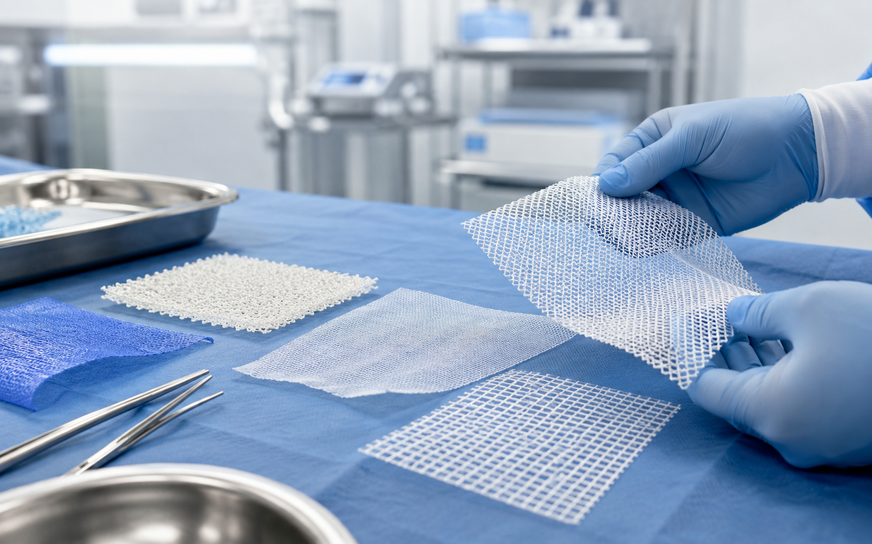
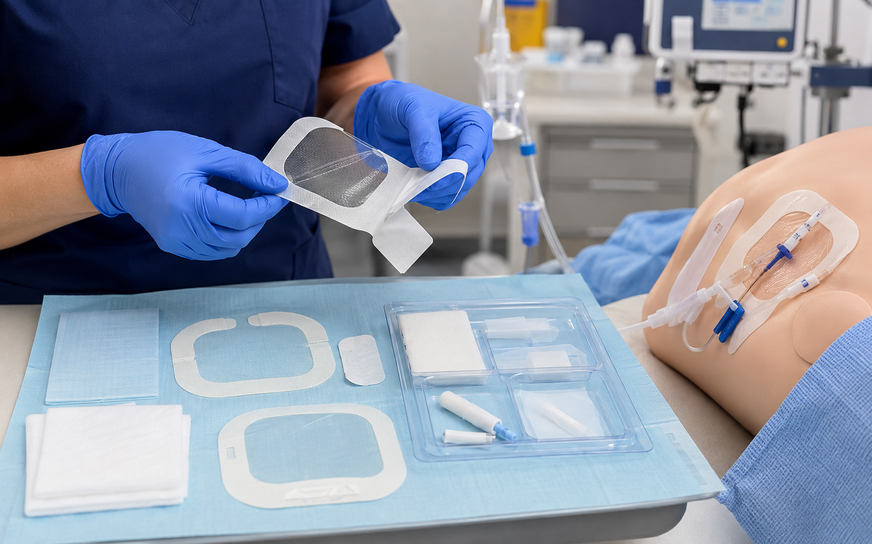
PU film dressings are a staple in modern wound and device care because they solve a very practical problem: how to protect skin and wounds while still allowing clinicians to see what’s happening underneath. A well-made polyurethane film dressing is thin, flexible, and comfortable—yet it can provide a reliable barrier against outside contamination.
JCMED PU film dressing is made from a highly breathable polyurethane (PU) film substrate coated with a high-quality acrylic adhesive. It’s transparent, waterproof, and breathable, helping protect the site while making observation easy. The film acts as a barrier to help reduce bacterial entry, supports comfort by reducing moisture buildup (maceration), and offers secure adhesion that can last up to 7 days in appropriate use conditions. It also removes cleanly, typically without residue and with minimal discomfort, which is especially important for sensitive skin.
Below are five of the most common medical applications where PU film dressings deliver clear value in everyday practice.
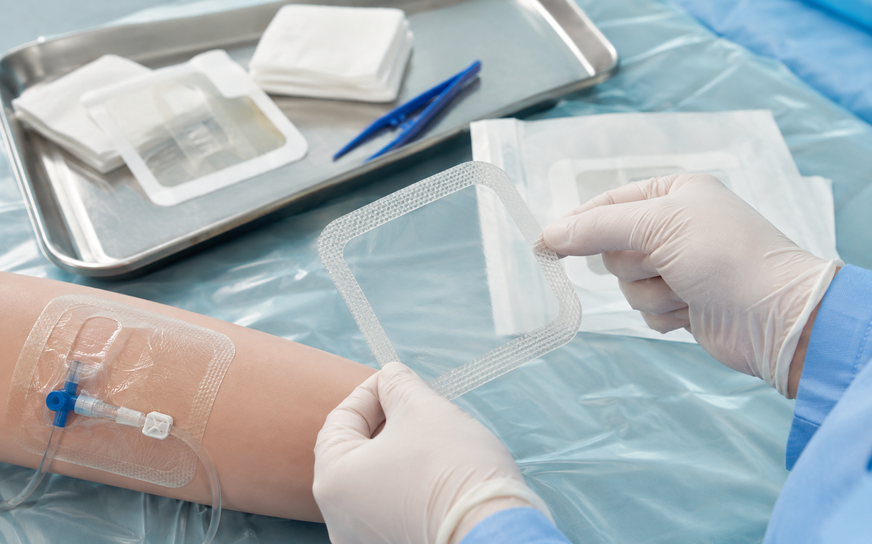
IV Cannula and Infusion Site Fixation
One of the most widely recognized uses of PU film is securing peripheral IV catheters and infusion sites. Because the dressing is transparent, staff can monitor the insertion site for early signs of complications—such as redness, swelling, or leakage—without repeatedly removing the dressing.
JCMED’s breathable film helps manage moisture around the site, while the acrylic adhesive provides stable fixation. In fast-paced settings where lines are frequently checked, a transparent film dressing can reduce unnecessary disturbance to the site and help maintain a cleaner, more controlled environment.
Why PU film fits this application: visibility + secure adhesion + moisture control.
Postoperative Incision Protection (Low to Moderate Exudate)
For closed surgical incisions or sutured wounds with low to moderate drainage, PU film is often used as a protective cover. The outer surface helps shield the incision from external contamination, while the breathable structure supports comfort during wear.
Because JCMED PU film dressing is waterproof, patients can maintain normal hygiene routines, including showering, without constantly worrying about wet gauze or tape loosening. That convenience can improve compliance and reduce unplanned dressing changes.
Best suited for: clean, closed incisions and areas where observation and hygiene are priorities.
Minor Cuts, Abrasions, and Daily Trauma Coverage
In outpatient care, first aid, and home healthcare, PU film is commonly used for superficial wounds—small cuts, abrasions, or friction injuries—where the goal is simple protection and a comfortable barrier.
The flexibility of polyurethane film matters here. A dressing that moves with the skin is less likely to pull, wrinkle, or cause discomfort on joints and high-mobility areas. JCMED’s film is designed to be soft and conformable, supporting daily movement while keeping the wound covered.
Why it works well: thin profile, comfort, and barrier protection for everyday wounds.
Secondary Dressing and Device Protection
PU film is also used as a secondary cover to help secure other wound care materials in place, or to protect skin around medical devices. In many facilities, transparent film becomes a “workhorse” product because it can support multiple workflows—fixation, protection, and observation—without adding bulk.
For purchasing teams, this versatility is one reason PU film is often stocked in roll formats: it can be cut to size quickly and applied across different departments.
Common scenarios: covering a primary dressing, protecting high-friction areas, or securing tubing and small devices.
Tattoo Protection and Light-Shielding Options
Beyond traditional medical settings, PU film is widely used for tattoo aftercare because it forms a waterproof, breathable cover that helps protect fresh tattooed skin from friction and external contamination. The transparent film makes it easy to check the condition without repeated removal.
JCMED also offers black film options for situations where light shielding is preferred, while maintaining the same core benefits of adhesion and flexibility. For distributors, this creates an additional product line opportunity that overlaps with medical film performance requirements.
Why it’s popular: comfort, waterproofing, and easy monitoring—especially in the first days.
Product Formats and Sizing (JCMED)
JCMED PU film dressing is available in roll sizes commonly used in clinical purchasing:
2.5 cm × 10 m (1 roll/box, 160 rolls/ctn)
5 cm × 10 m (1 roll/box, 100 rolls/ctn)
7.5 cm × 10 m (1 roll/box, 80 rolls/ctn)
10 cm × 10 m (1 roll/box, 50 rolls/ctn)
Roll formats are practical for IV fixation, device protection, and custom-cut coverage where standardized pre-cut shapes aren’t required.