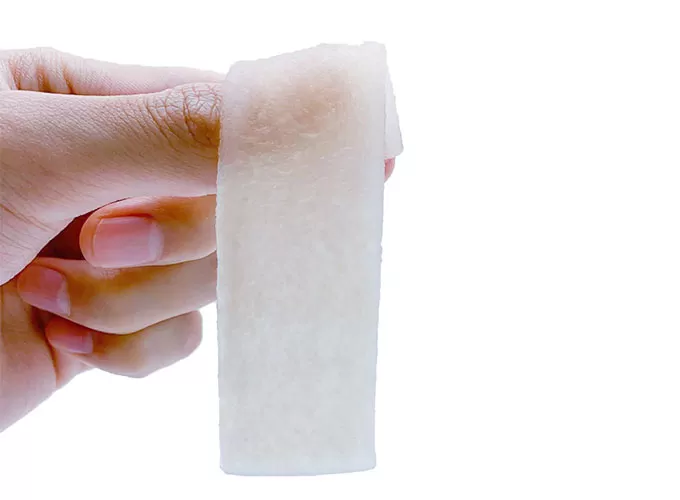
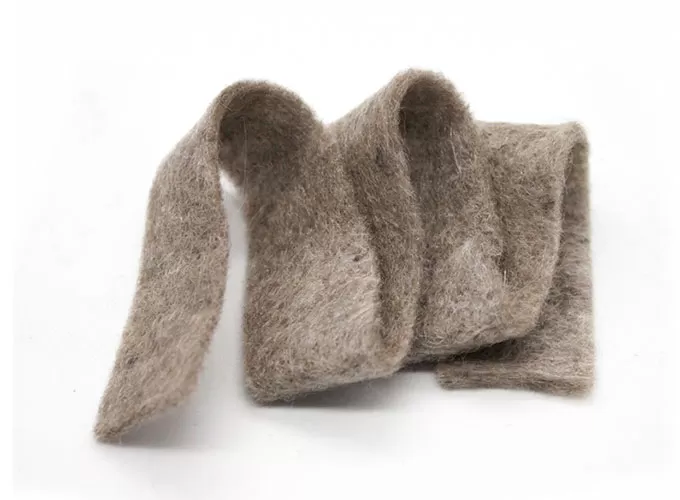
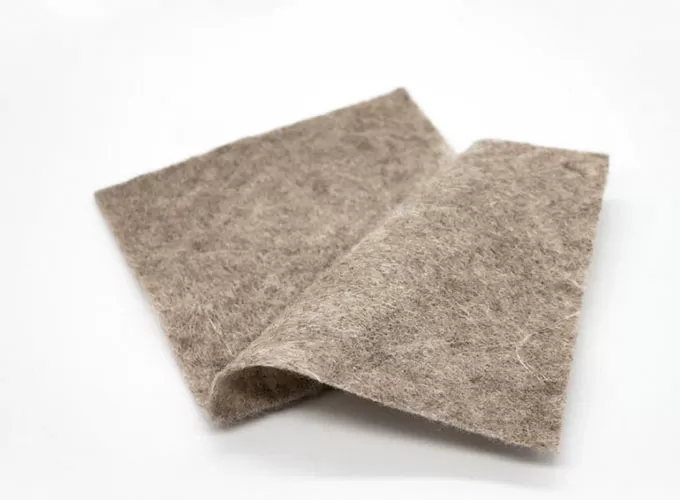
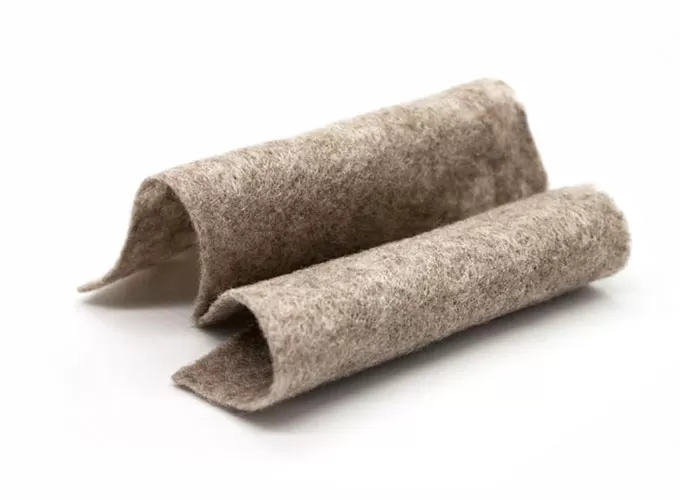
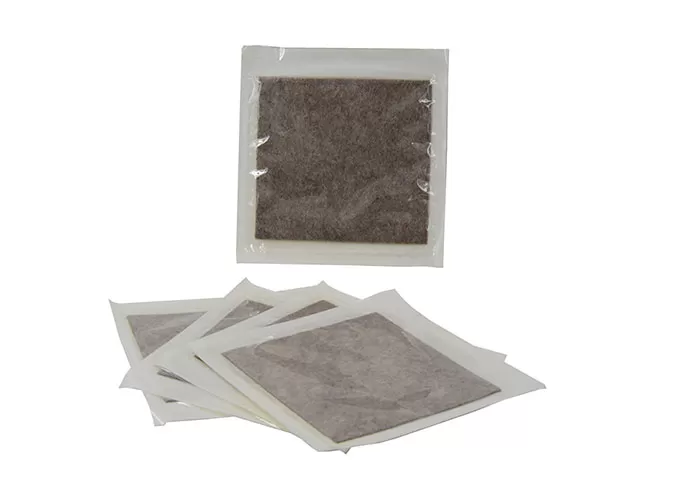
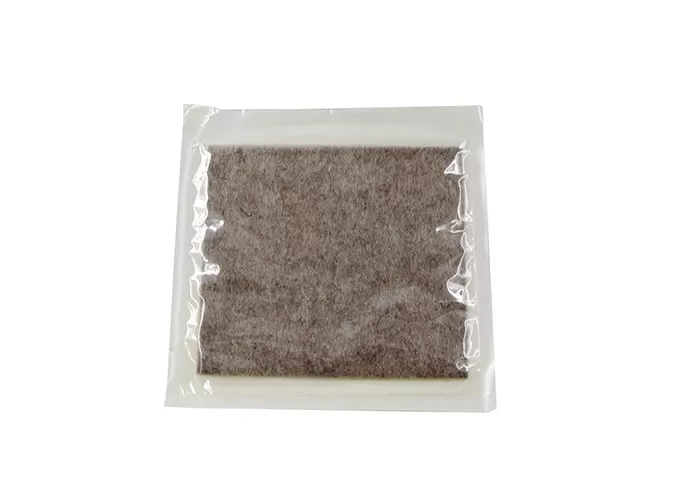
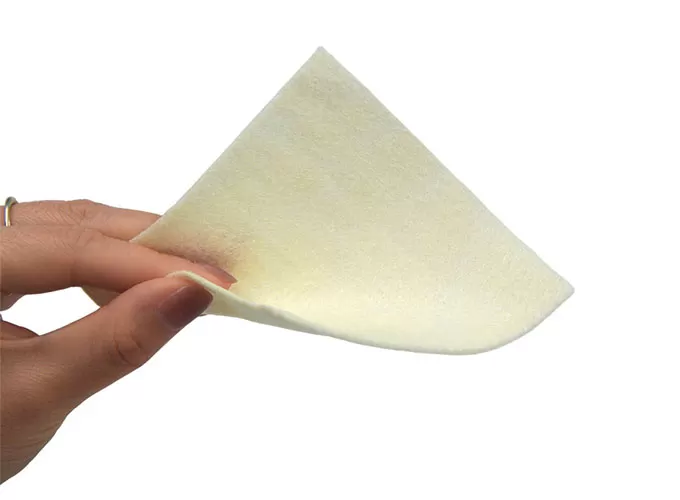
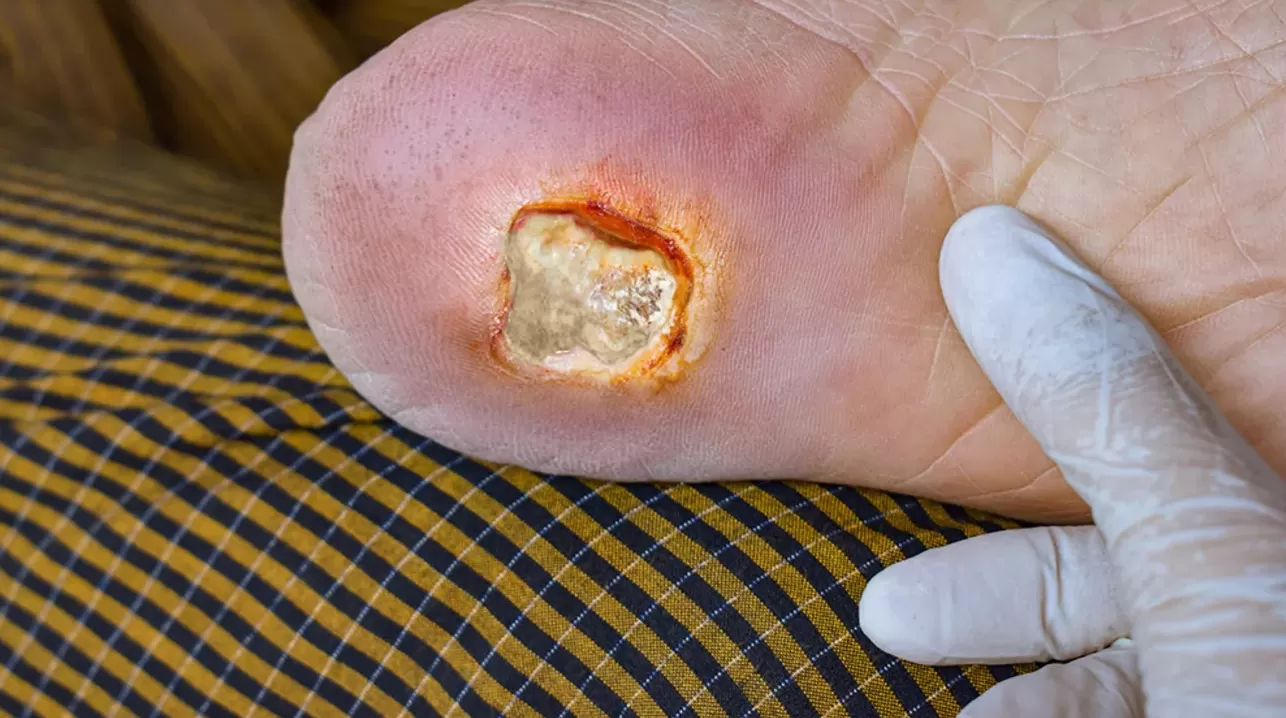
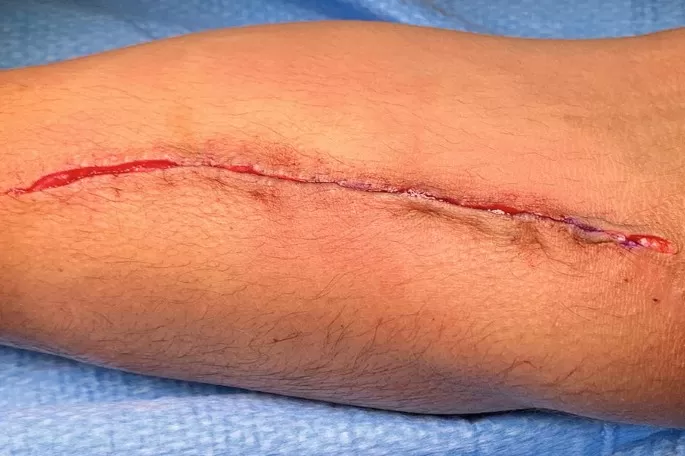
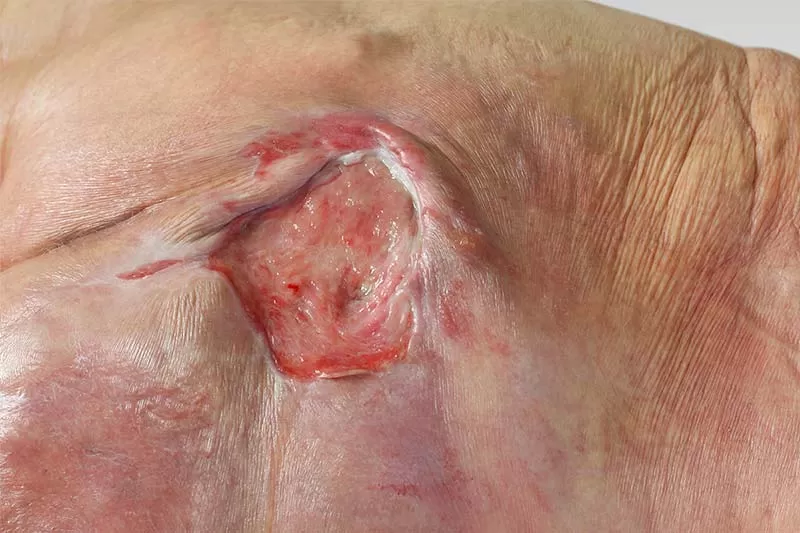
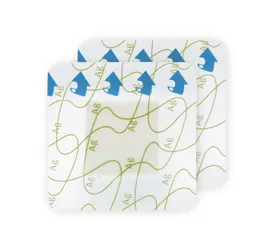
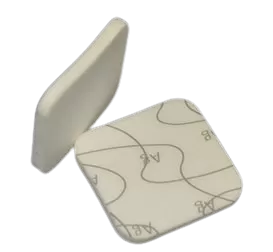
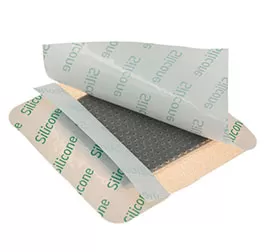
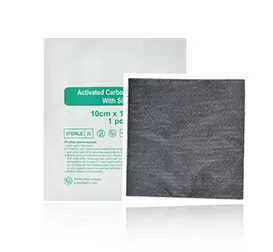
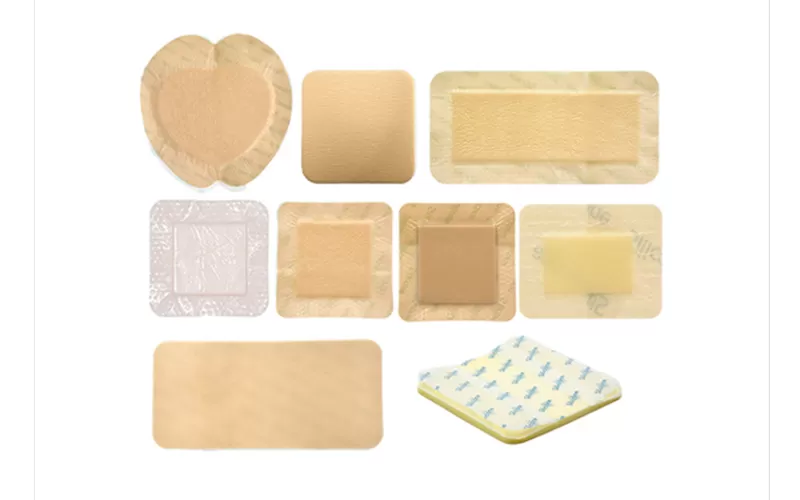
Silver ion alginate dressing is a highly effective wound dressing that combines the antibacterial properties of silver ions with the moisturizing and absorbing properties of alginate. Alginate is extracted from seaweed and can absorb a large amount of exudate and form a gel to maintain a moist environment and promote healing; silver ions have a broad spectrum of bactericidal properties to prevent or control infection. It is suitable for infected wounds (such as diabetic foot ulcers, pressure sores) and medium to high exudation wounds (such as burns and trauma).
The characteristics of silver ion alginate dressing include strong antibacterial properties, reduced adhesion, high biocompatibility, and continuous release of silver ions (3-7 days). When used, it is necessary to fit the wound after debridement and change it regularly. Be careful to avoid using it on dry wounds or those who are allergic to silver. This dressing can significantly improve the healing efficiency of chronic and complex wounds and is one of the preferred choices for clinical wound management.
| Silver lon Alginate Dressing | |
| Pcs/pkg | Size |
| 10 | 5×5cm |
| 10 | 10×10cm |
| 10 | 10×12.5cm |
| 10 | 10×20cm |
| 10 | 2×30cm |
| 10 | 2g |
Strong antibacterial effect: Silver ions can be released continuously (usually for 3-7 days) to cover common pathogens (such as Staphylococcus aureus, Pseudomonas aeruginosa, etc.).
Absorb exudate: Alginate fibers absorb a large amount of exudate, reducing the risk of wound maceration.
Promote healing: A moist environment is conducive to the growth of granulation tissue and the migration of epithelial cells.
Reduce adhesion: After the gel is formed, it avoids adhesion between the dressing and the wound surface, reducing the pain of dressing change.
High biocompatibility: Natural materials, low allergenicity.

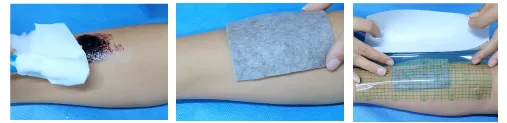
1. Debridement: First clean the wound with saline to remove necrotic tissue.
2. Cut the dressing: Cut according to the shape of the wound, slightly beyond the edge when covering.
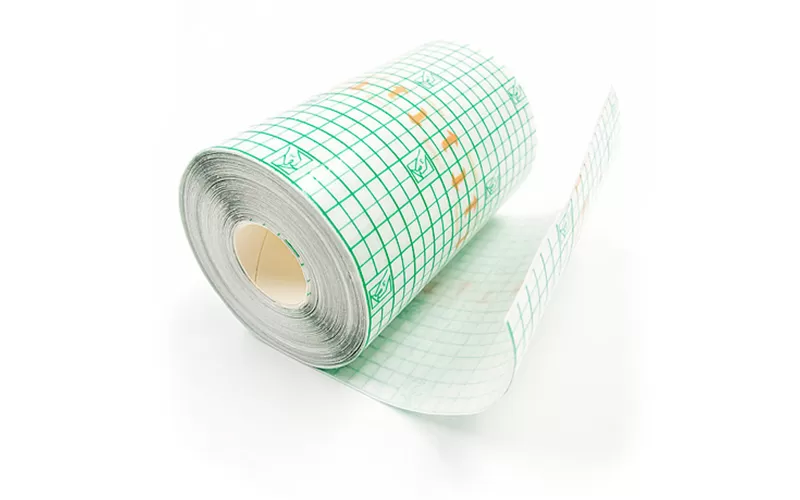
3. Cover and fix: fix the outer layer with a transparent film or gauze.
4. Change frequency: determined by the amount of exudate (usually changed every 1-3 days, can be extended after the exudate decreases).
Infected or high-risk infected wounds: such as diabetic foot ulcers, pressure sores, venous ulcers, etc.

Moderate to highly exudative wounds: burns, trauma, postoperative exudative wounds.

Chronic refractory wounds: complex wounds that do not heal for a long time.

Want to Get More Details About JCMED Medical Consumables?
We're waiting for your contact!