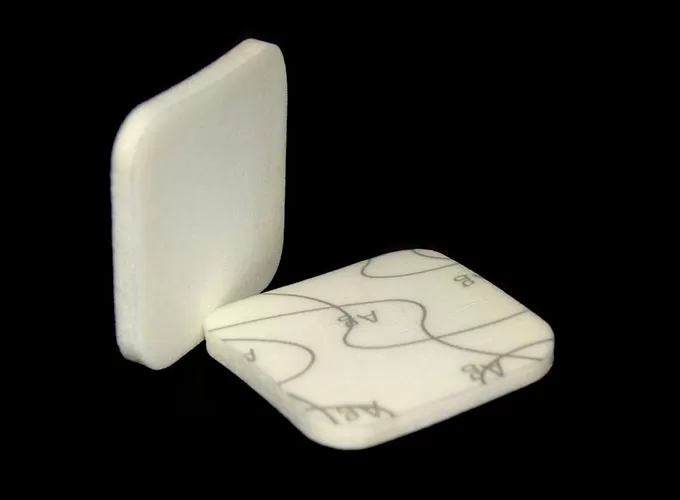
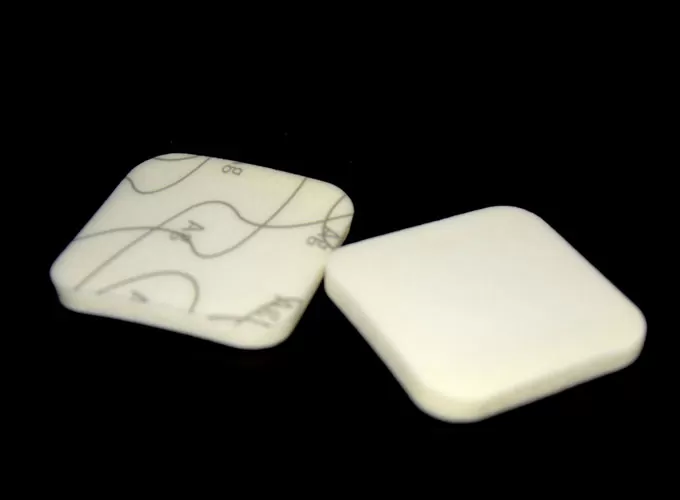
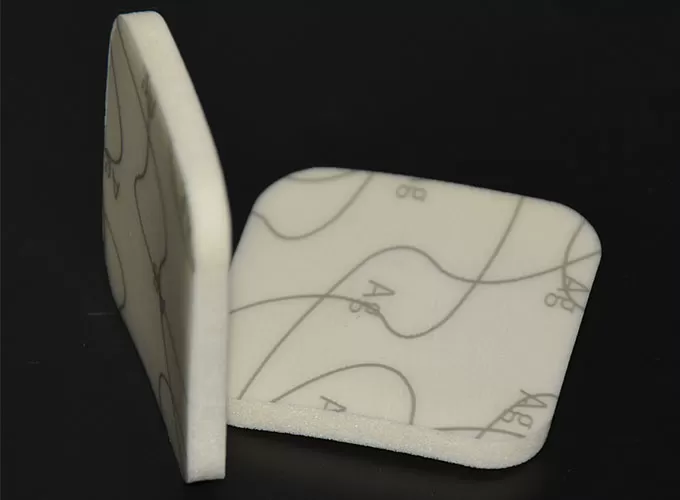
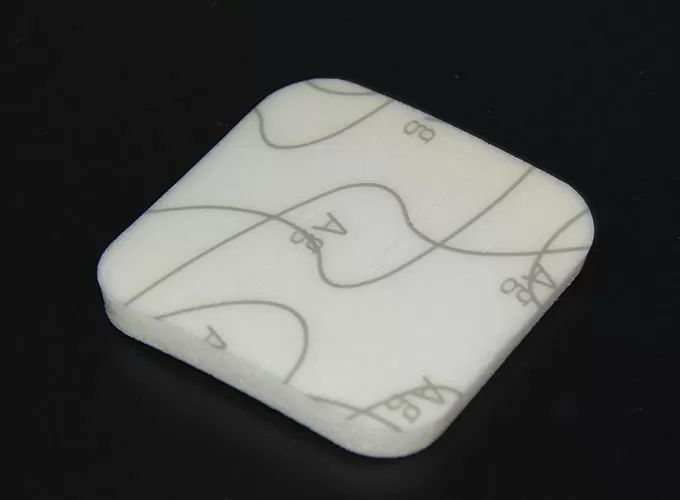
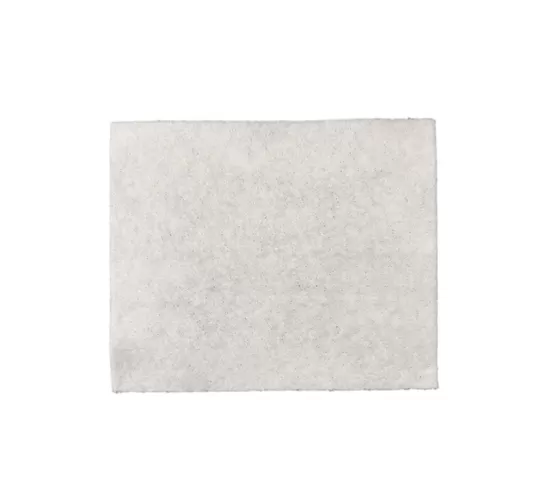
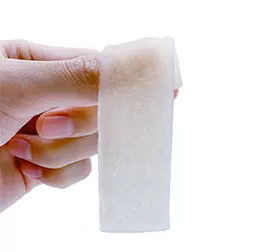
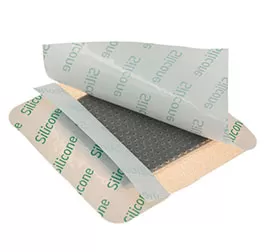
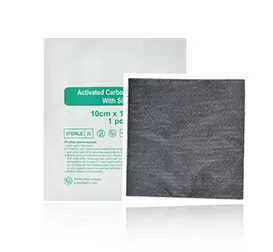

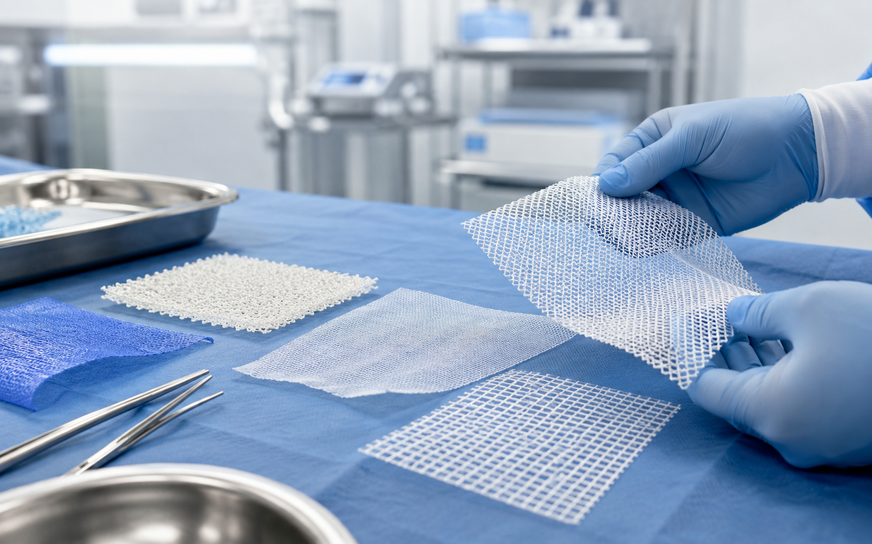
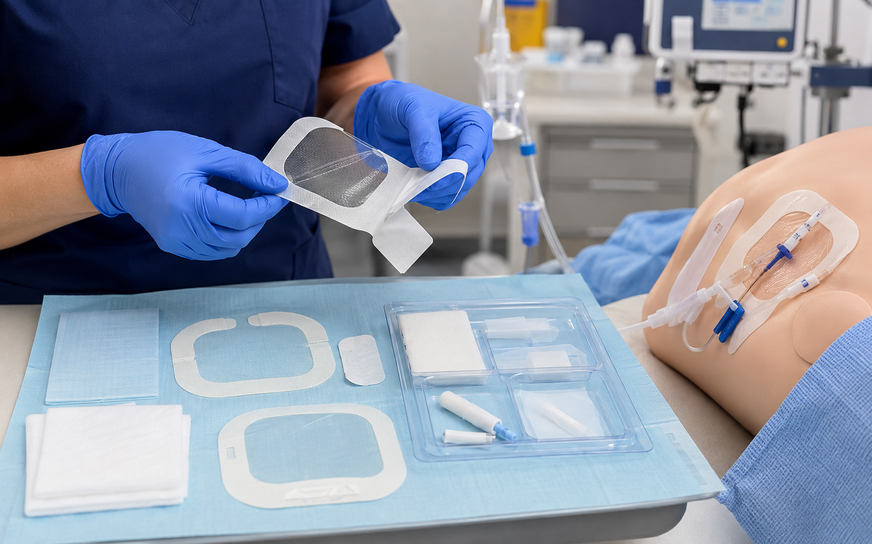
Silver ion foam dressing is an advanced wound dressing that combines antibacterial and absorption functions. Its core components are silver ions (Ag⁺) and absorbent foam (polyurethane). Silver ions can kill bacteria in a broad spectrum (including drug-resistant bacteria) and reduce the risk of infection; the foam layer efficiently absorbs exudate (up to 10 times its own weight), keeps the wound moist and promotes healing.
This dressing is suitable for infected wounds (such as burns, postoperative infections), chronic and difficult-to-heal wounds (diabetic foot ulcers, pressure sores) and hyperosmotic wounds, which can significantly reduce the risk of infection and accelerate healing. Its soft foam structure provides cushioning protection, does not adhere to the wound surface, and painless dressing changes. It has self-adhesive or non-self-adhesive styles, is easy to use, and is the preferred solution for clinical wound management.
| Foam Silver Ion Dressing | |
| Pcs/pkg | Size(cm) |
| 10 | 5×5 |
| 10 | 10×10 |
| 10 | 10×20 |
| 10 | 15×15 |
| 10 | 20×20 |
Strong antibacterial effect: Silver ions destroy microbial cell membranes, inhibit DNA replication, reduce biofilm formation, and reduce the risk of infection.
High absorbency: The foam layer can absorb a large amount of exudate (up to 10 times its own weight) to reduce wound maceration.
Moisturizing and breathable: Maintains a moist healing environment, promotes the growth of granulation tissue, and has good breathability.
Reduces adhesion: Does not adhere to the wound, reduces pain and secondary damage during replacement.
Mechanical cushioning: Soft foam provides protection and reduces pressure or friction.

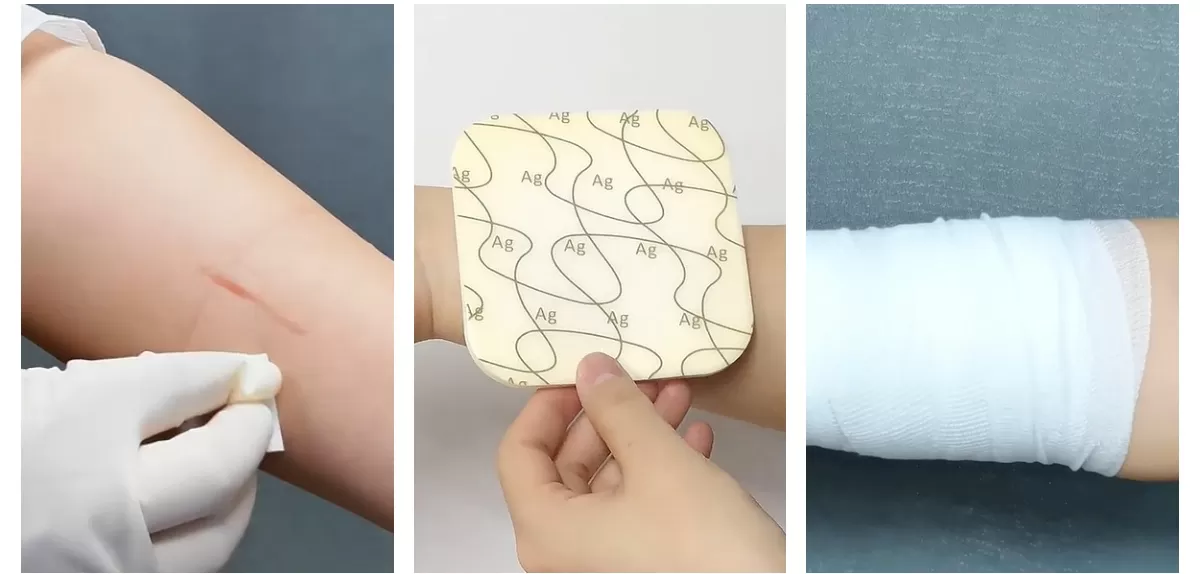
1. Clean the skin around the wound
2. Cut the dressing according to the size of the wound, covering the wound and the surrounding area by 1-2cm.
3. Fix it with a fixed dressing (need to be covered with a bandage or PU dressing).
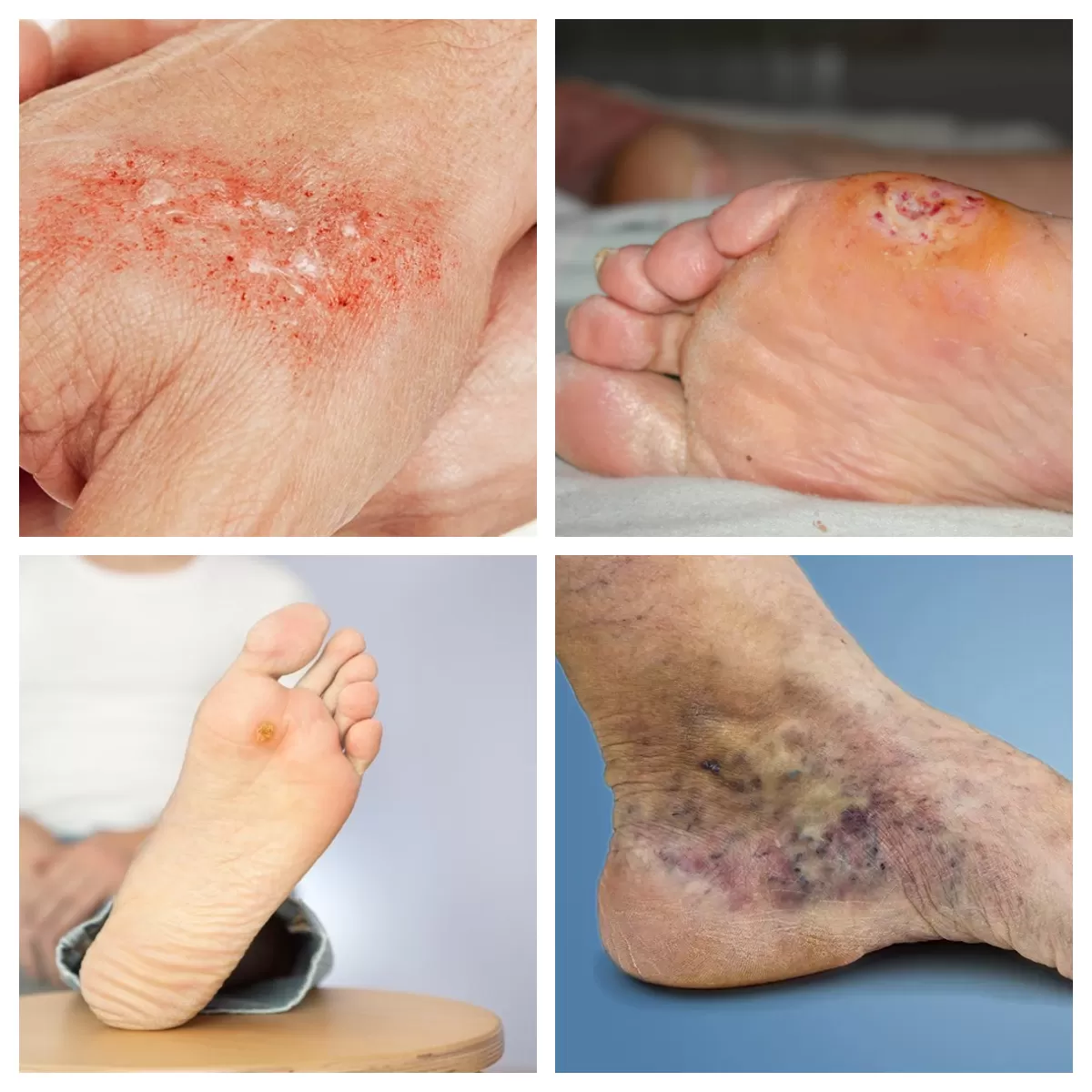
Infected or high-risk wounds: such as diabetic foot ulcers, pressure sores (bedsores), venous ulcers.
Chronic and difficult-to-heal wounds: burns, postoperative infected wounds, traumatic wounds.
Hyperosmotic wounds: wounds with a lot of exudate (such as after abscess drainage).
According to the clinical use, it is recommended to change the dressings in 2-4 days.

Want to Get More Details About JCMED Medical Consumables?
We're waiting for your contact!