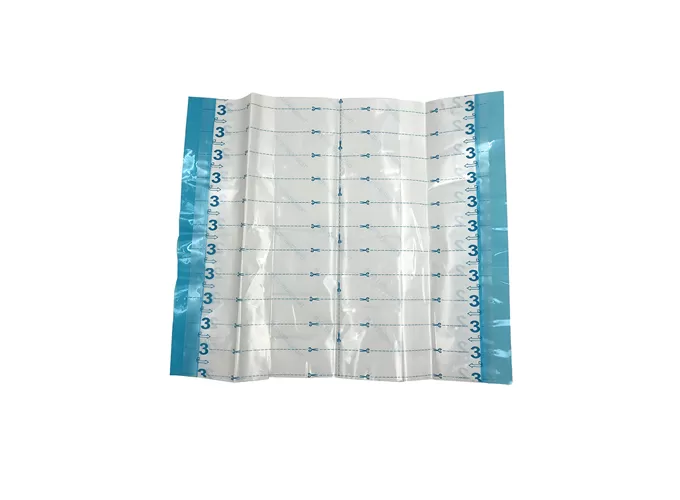
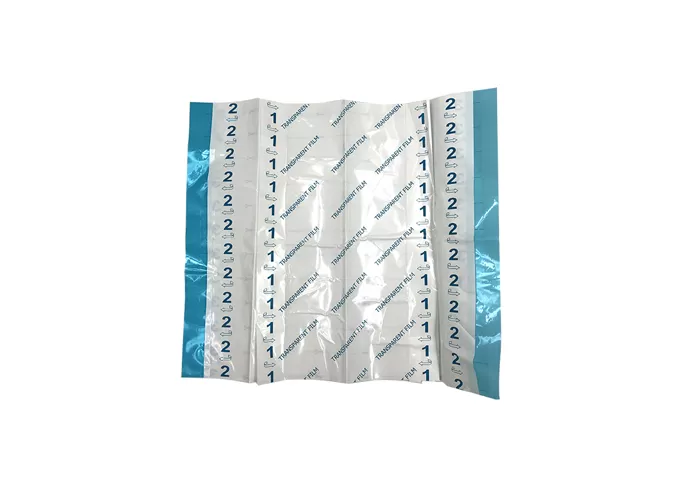
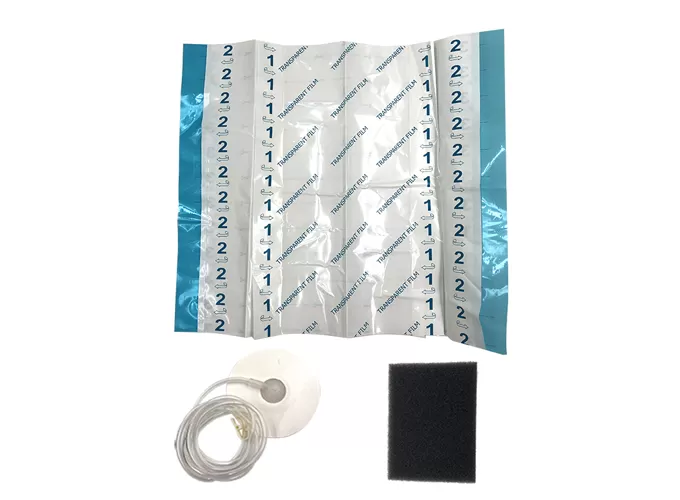
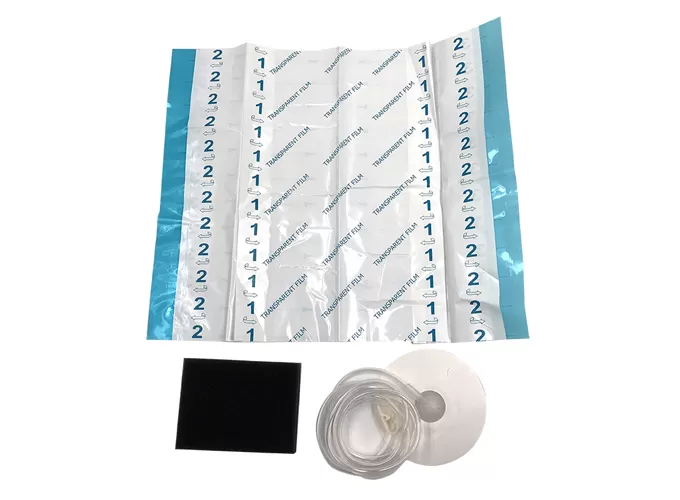
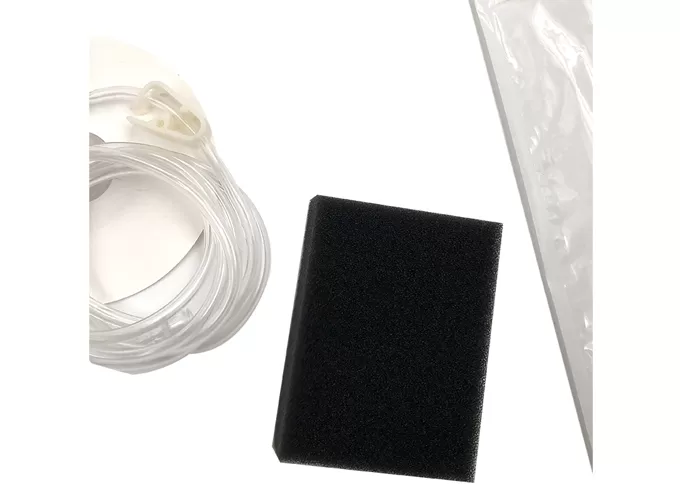
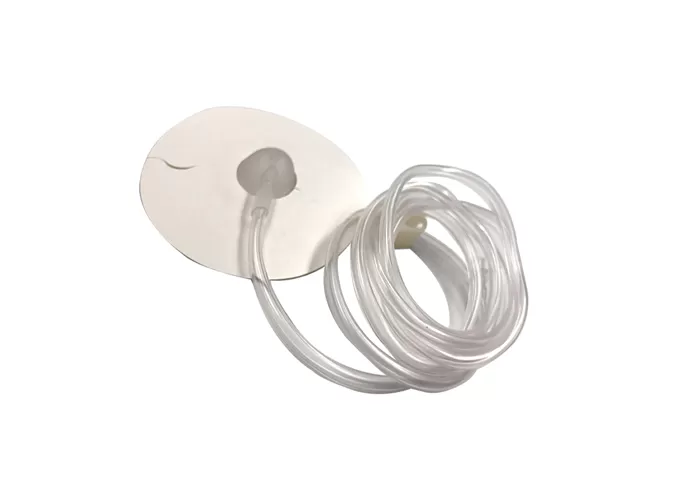
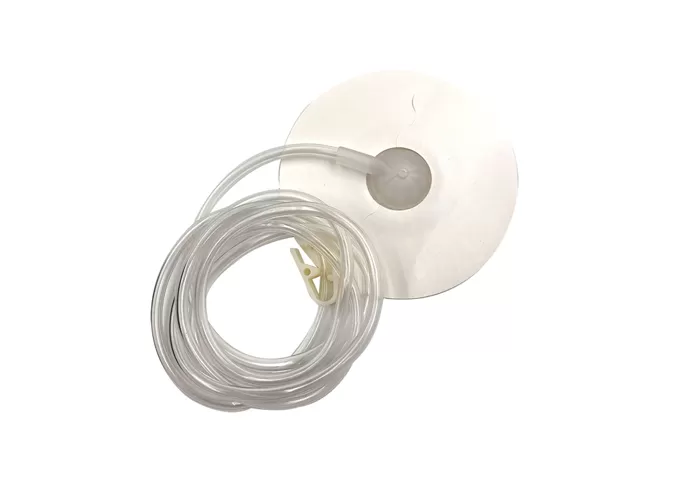
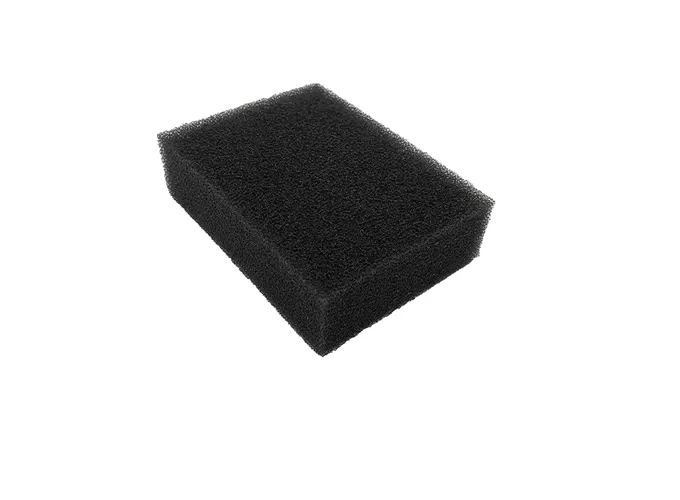
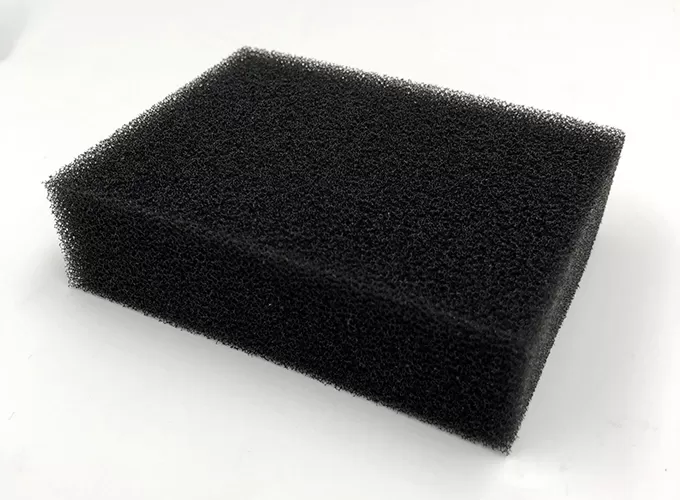
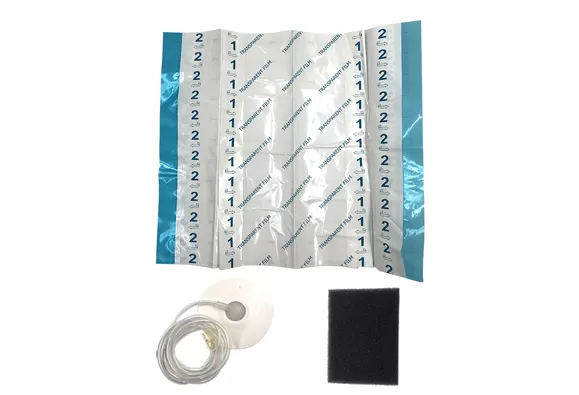
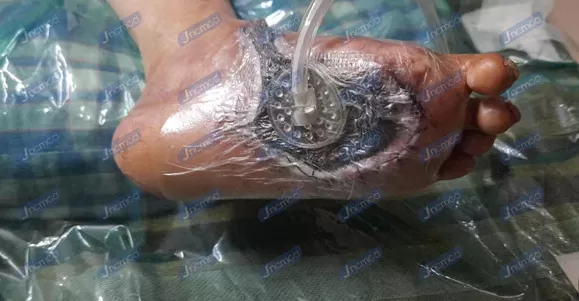
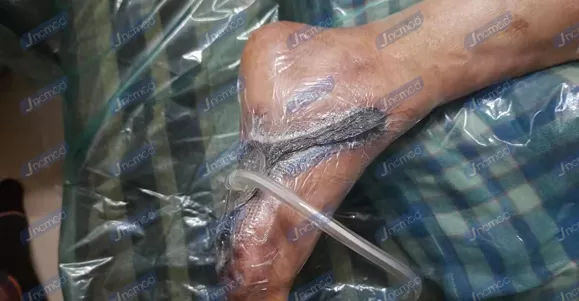
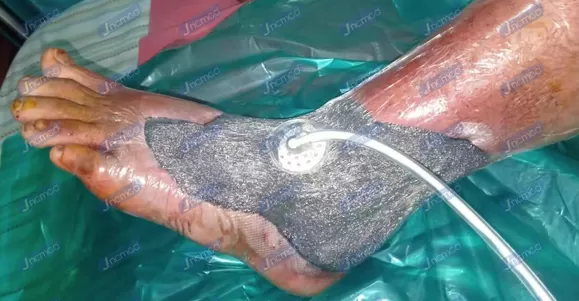
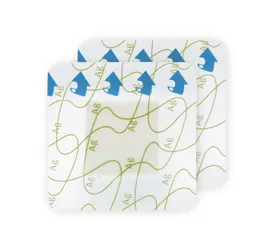
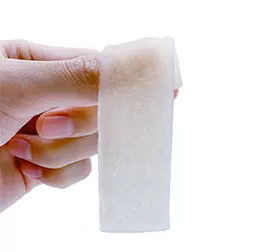
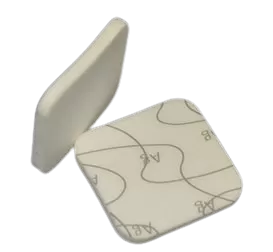
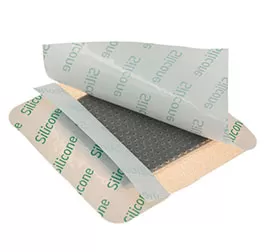
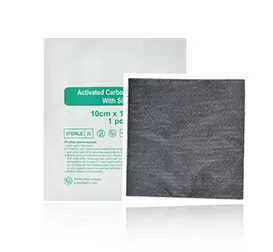
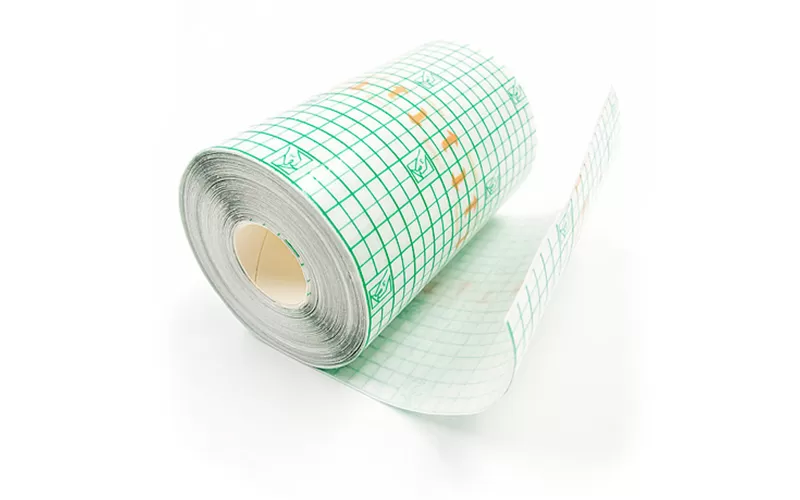
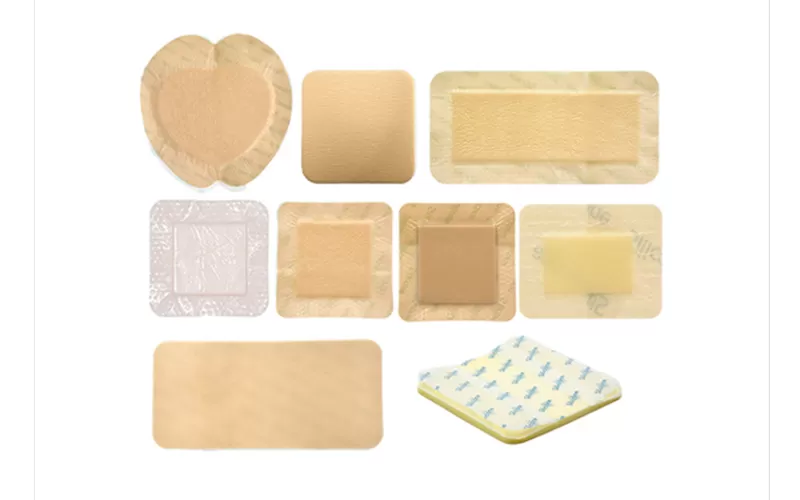
Negative Pressure Wound Therapy (NPWT) dressing is an advanced wound treatment technology that promotes healing by creating and maintaining a local negative pressure environment in the wound. The dressing consists of a porous foam dressing, a biological semipermeable membrane and a drainage tube. By connecting a negative pressure pump, a closed environment is formed to continuously remove exudate, necrotic tissue and bacteria, reduce the risk of infection, and promote wound tissue contraction, accelerate the growth of granulation tissue, and improve local blood circulation.
It is mainly used for chronic refractory wounds (such as pressure sores, diabetic foot ulcers), acute trauma and postoperative wounds. It can significantly shorten the healing time, reduce the number of dressing changes, and provide patients with a more efficient wound care solution. It is widely used in clinical practice and is an important tool for modern wound treatment.
| Model | B1 | B2 | B3 | B4 | B5 | B6 | B7 |
| Length(cm)+2 | 7.5 | 10 | 15 | 12 | 20 | 30 | 60 |
| Width(cm)+2 | 5 | 7.5 | 10 | 20 | 15 | 20 | 30 |
| Tube qty.& cupula | 1 | 1 | 1 | 1 | 1 | 1 | 2 |
Perforated silicone adhesive borders: Designed to secure the dressing and ensure that the dressing remains in place during use. It can be gently separated from the skin when removing the dressing, reducing irritation and damage to the skin.
Film layer: The backing film can effectively promote the evaporation of exudate and keep the area around the wound dry. At the same time, it has antibacterial, antiviral and waterproof properties, providing a clean healing environment for the wound and reducing the risk of infection.
Foam layer: The foam layer design can evenly distribute negative pressure between the dressing and the wound bed, making the pressure distribution more reasonable, providing a suitable pressure environment for wound healing, and helping to accelerate the wound recovery process.
Wound contact layer: The sutured hydrophilic fiber wound contact layer gels after contact with the wound fluid, providing a good healing environment for the wound and avoiding secondary damage to the wound when the dressing is removed.

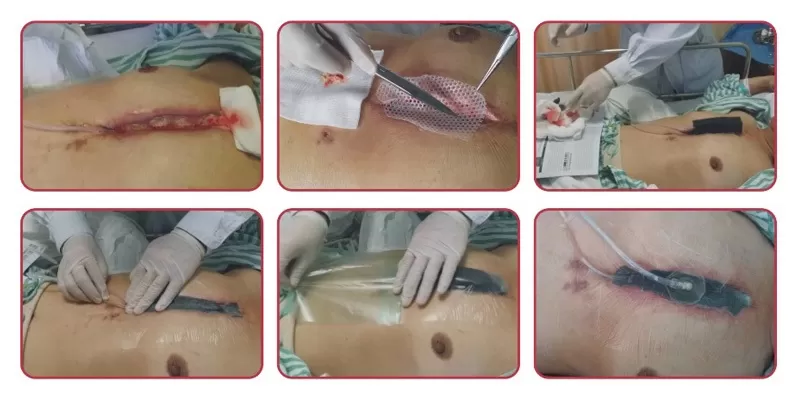
1. Debridement: Thoroughly remove necrotic tissue.
2. Dressing cutting: Match the shape of the wound and avoid contact with surrounding healthy skin.
3. Sealing and fixation: Make sure the edge of the film is 2-3 cm beyond the wound.
4. Connect negative pressure: Set parameters (pressure, mode) and start the pump.
5. Replacement cycle: Usually change the dressing every 48-72 hours, and more frequently for infected wounds.


Acute wounds such as trauma, burns, postoperative incision dehiscence, etc.
Chronic difficult-to-heal wounds such as diabetic ulcers, pressure sores, venous ulcers, etc.
Burn wounds: deep burn wounds and wounds in the donor area after burns, etc.
Other difficult-to-heal wounds, such as skin grafts or flap fixation, infected wounds (need to be combined with debridement).
Want to Get More Details About JCMED Medical Consumables?
We're waiting for your contact!