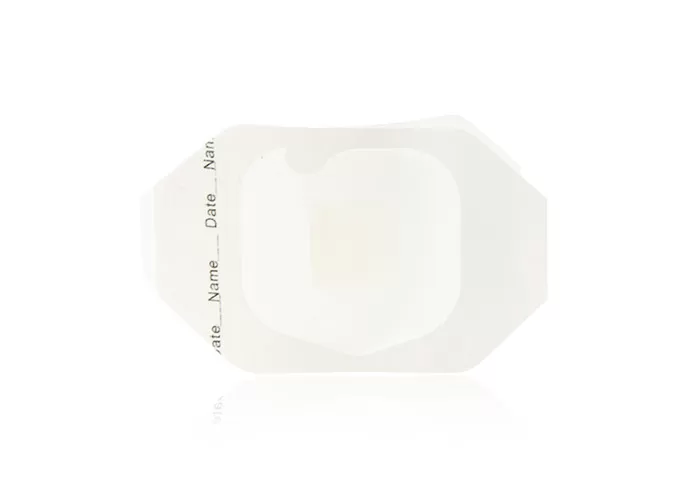
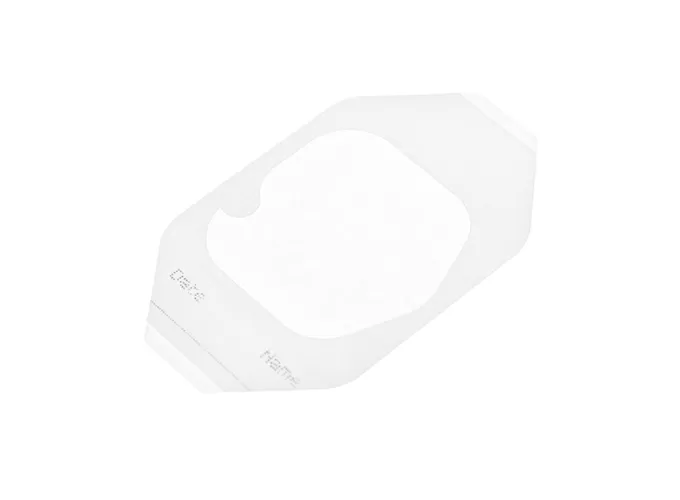
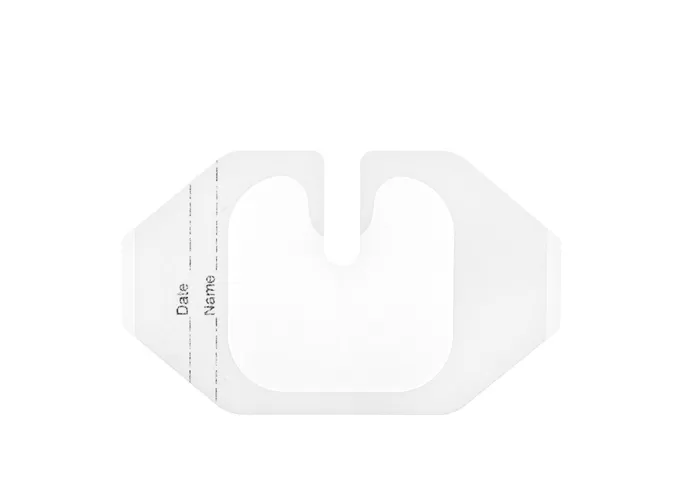
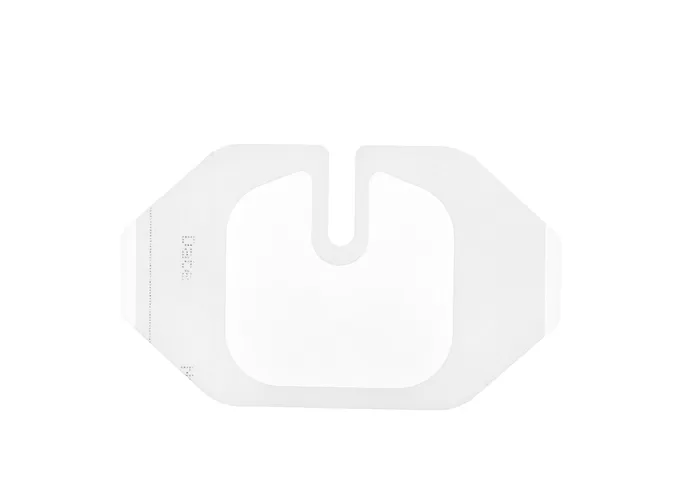
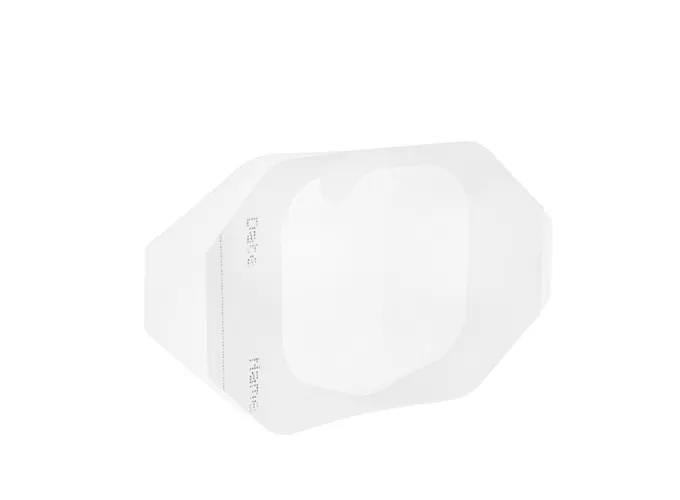
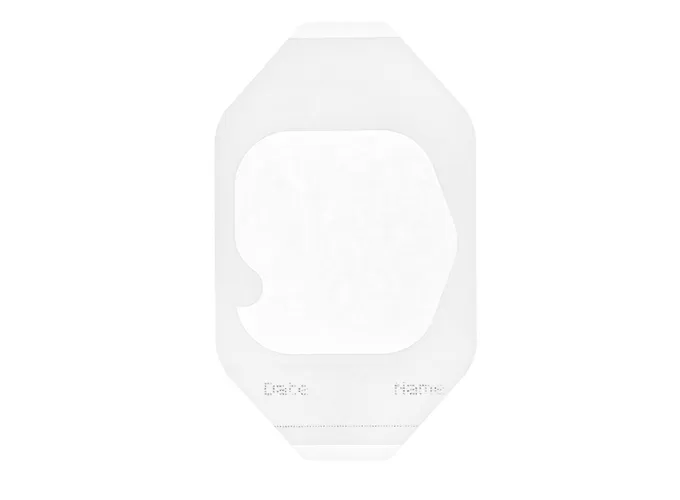
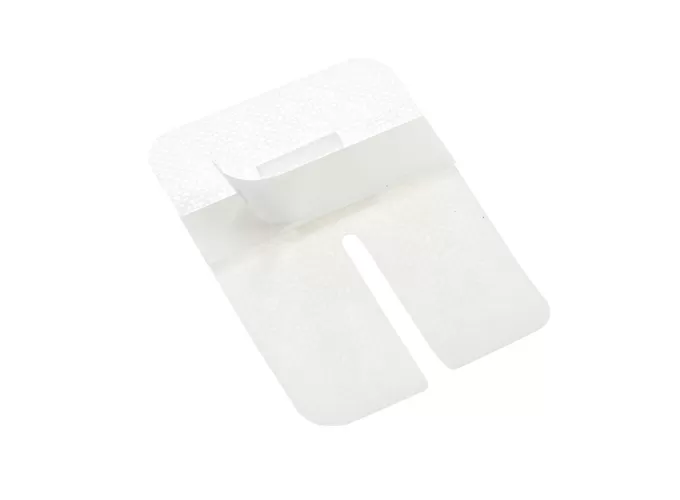
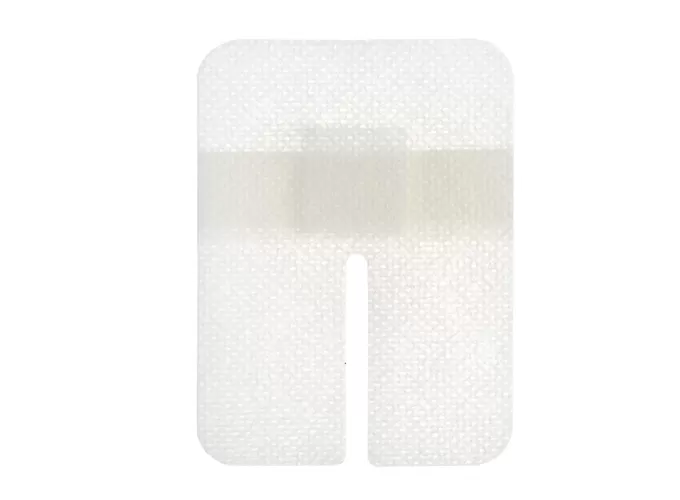
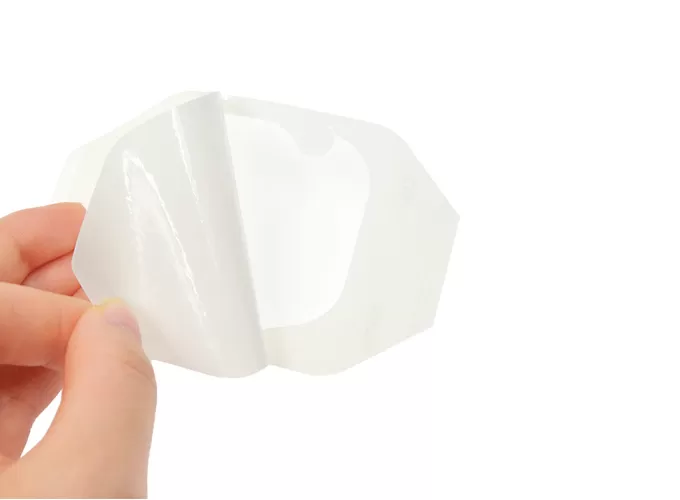
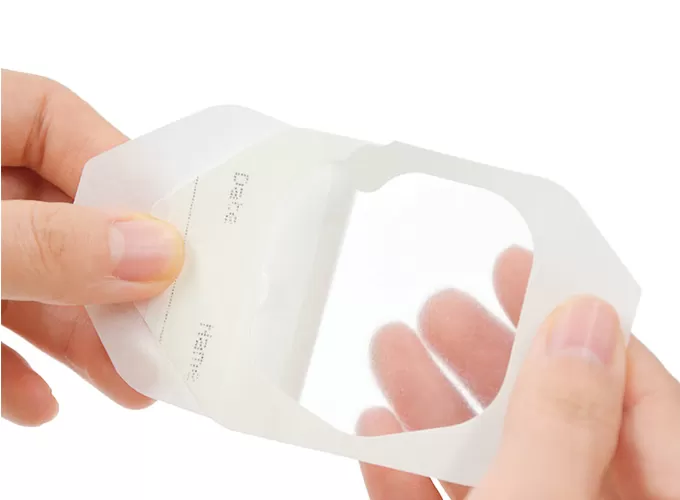
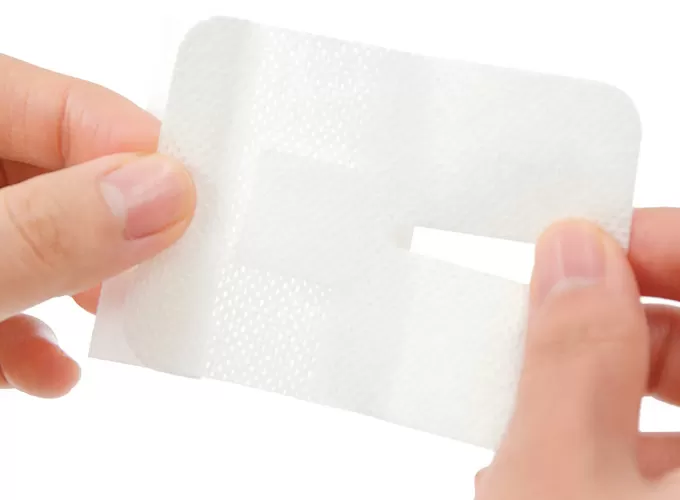
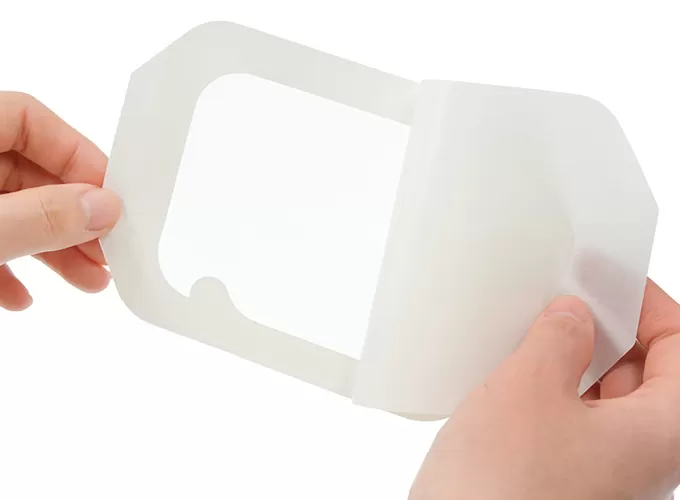
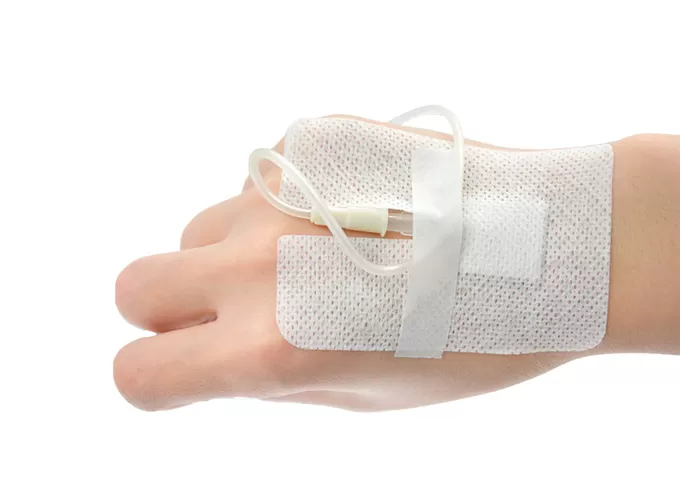
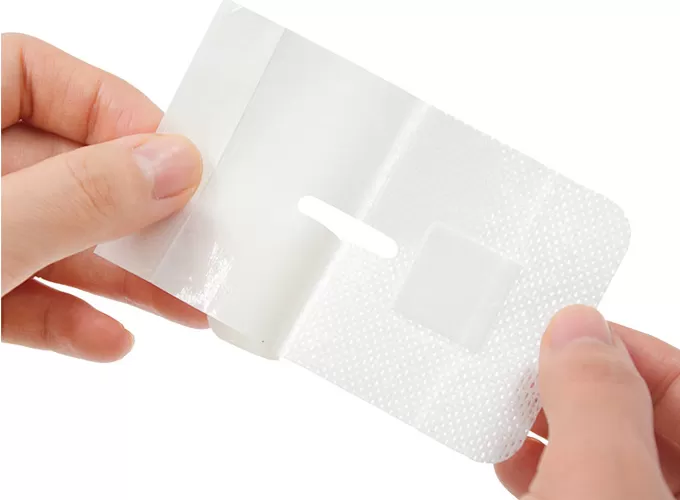
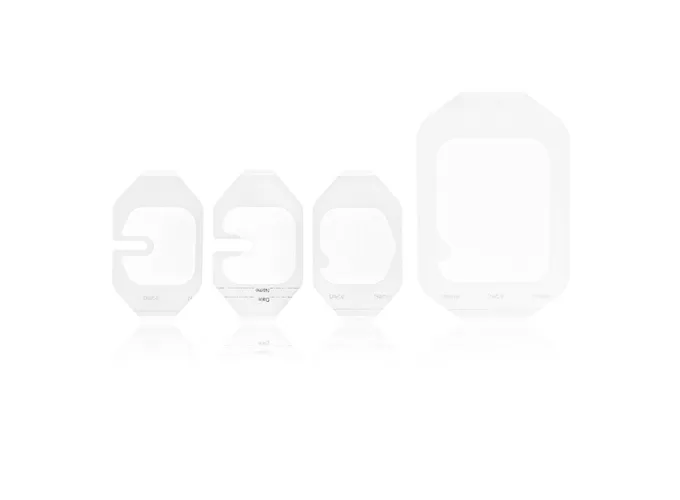
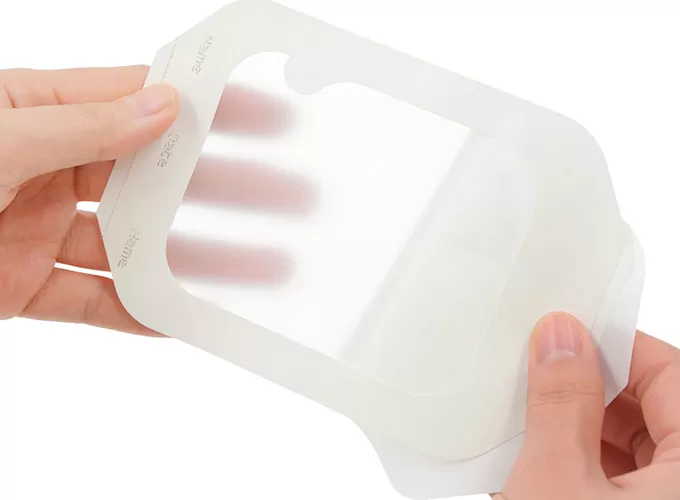
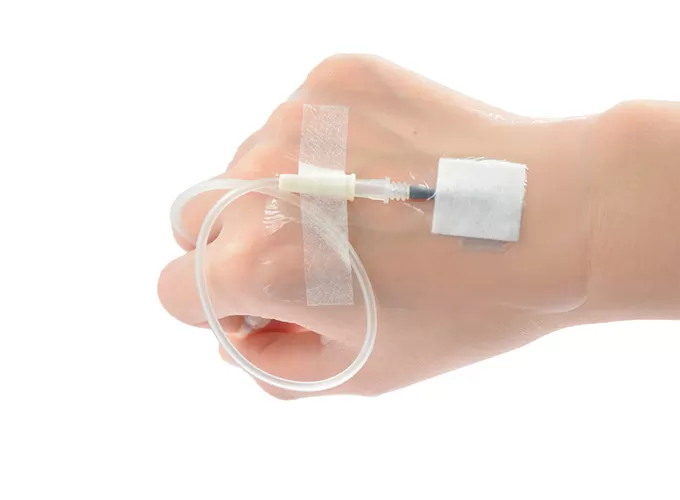
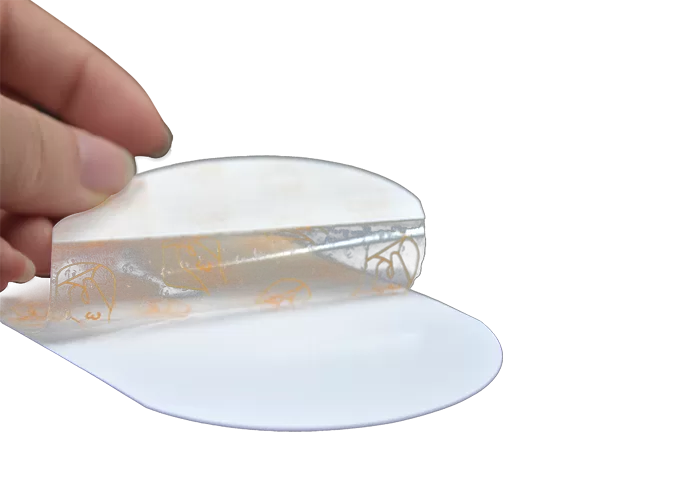
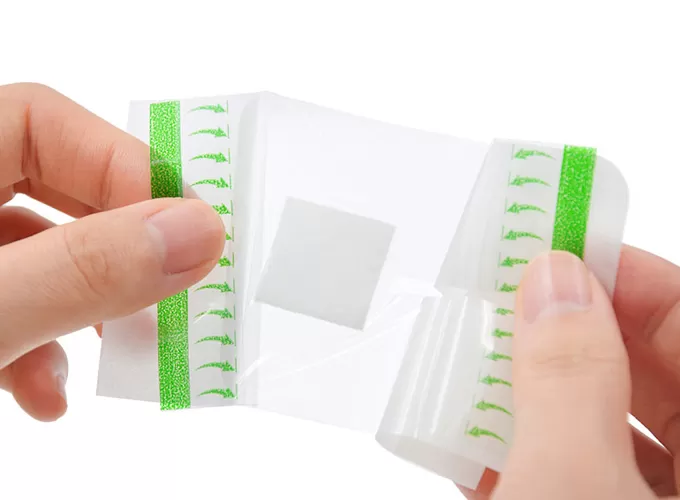
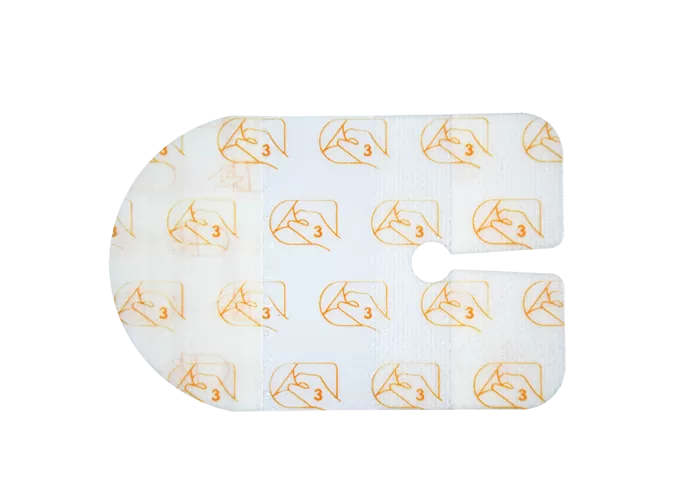
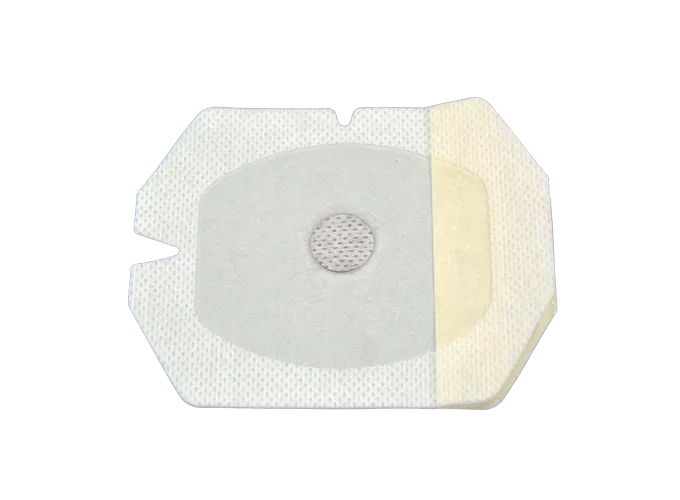
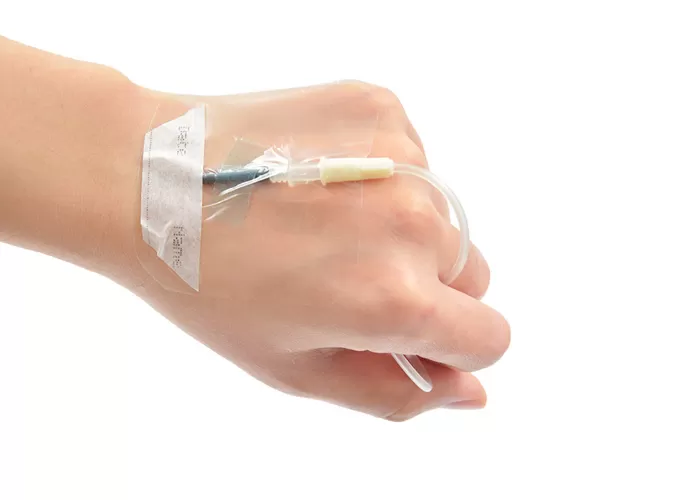
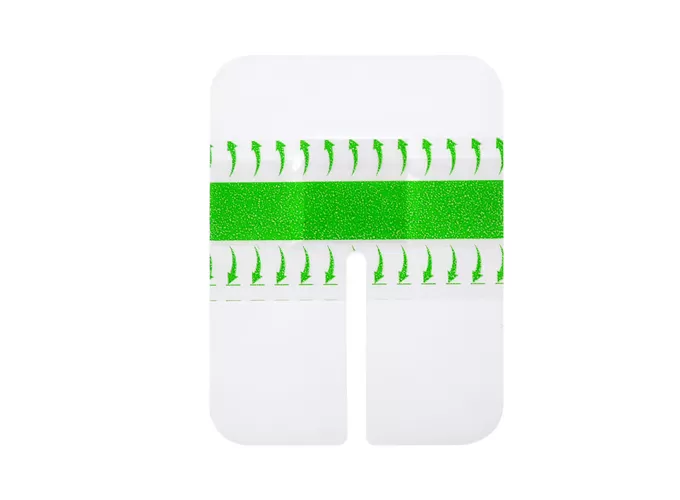
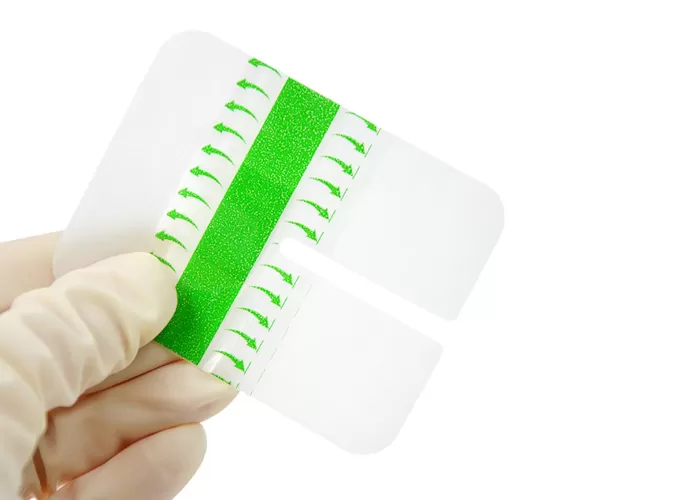
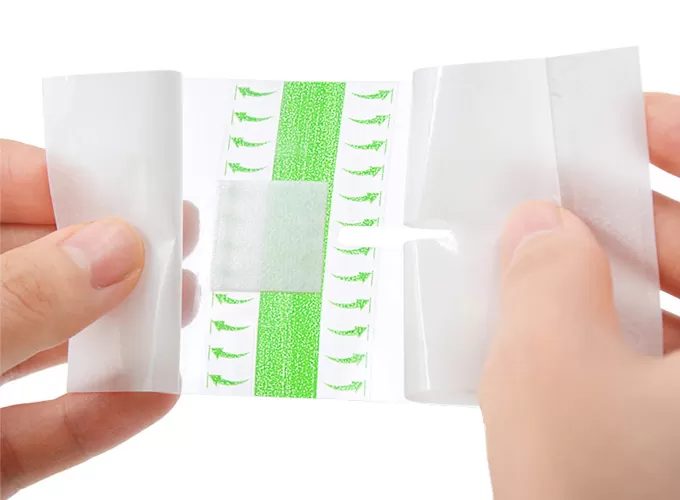
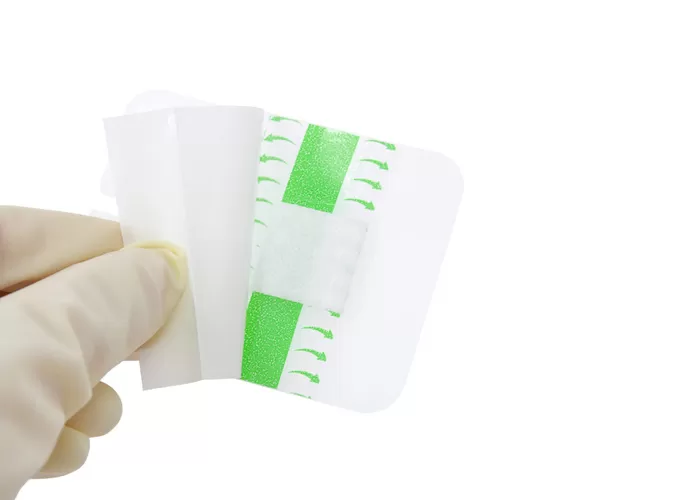
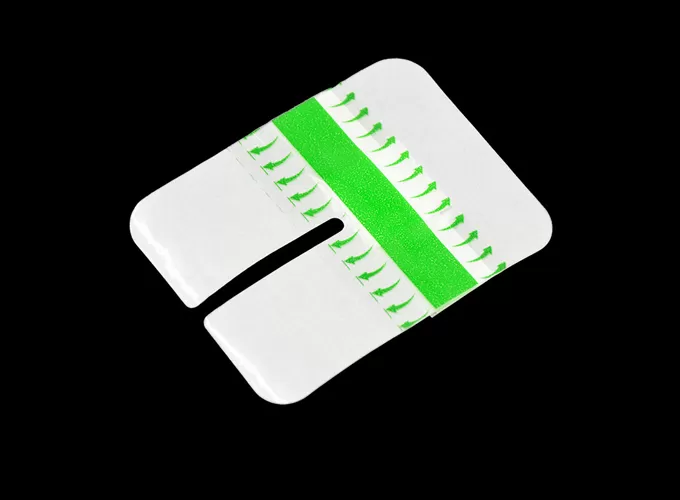
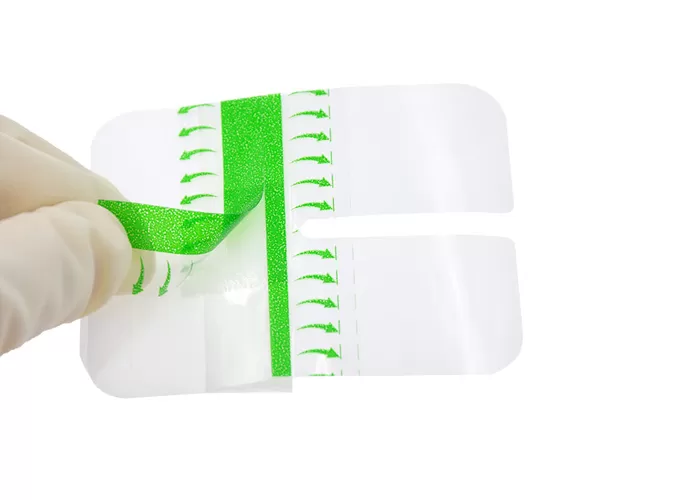
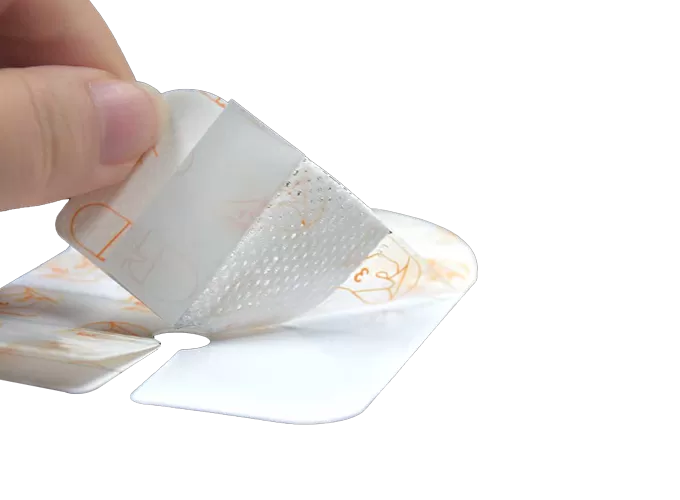
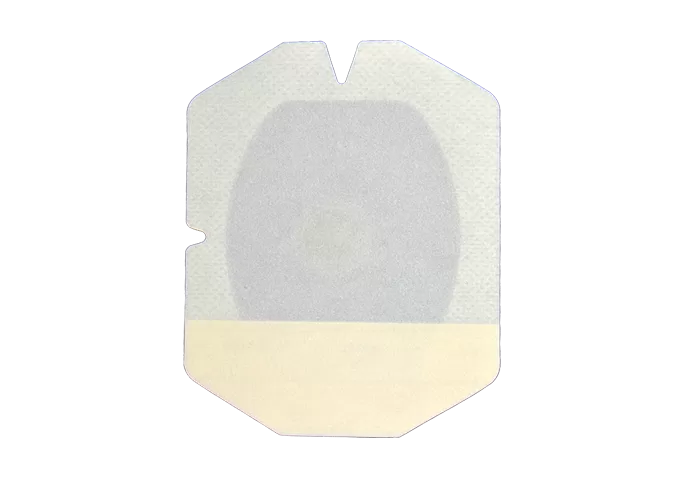
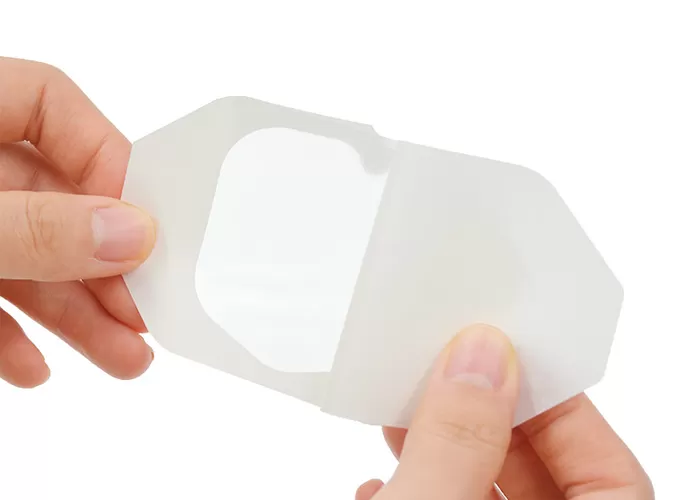
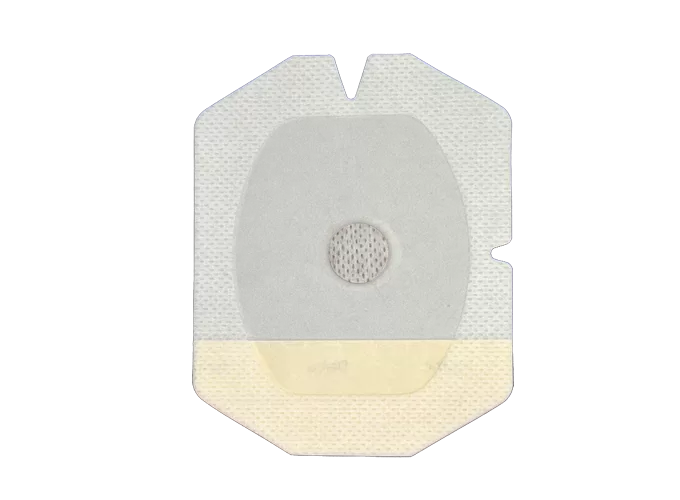
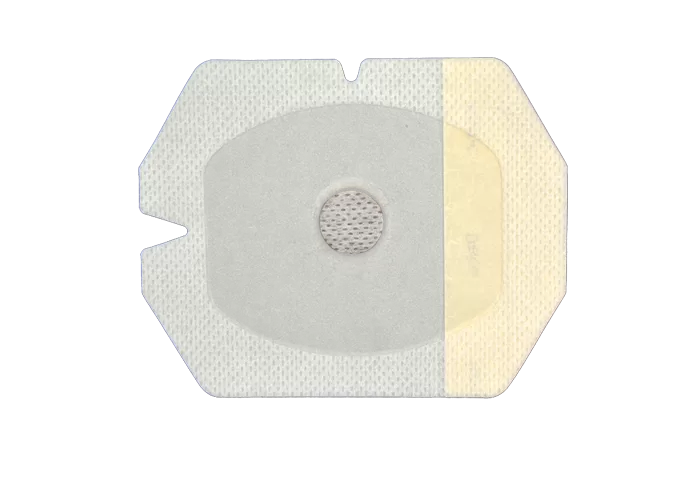
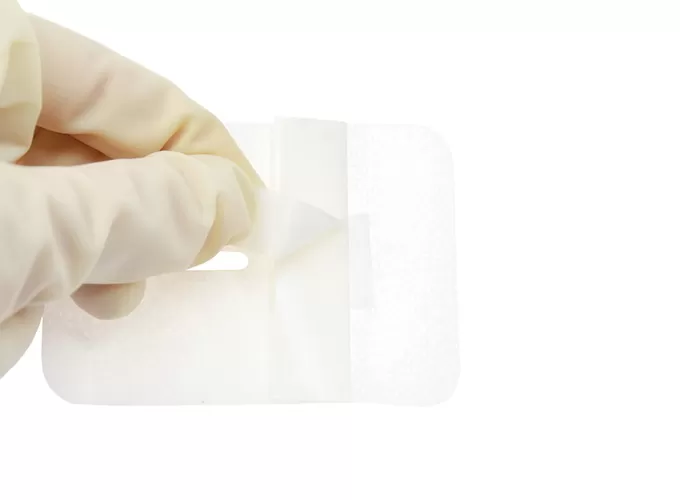
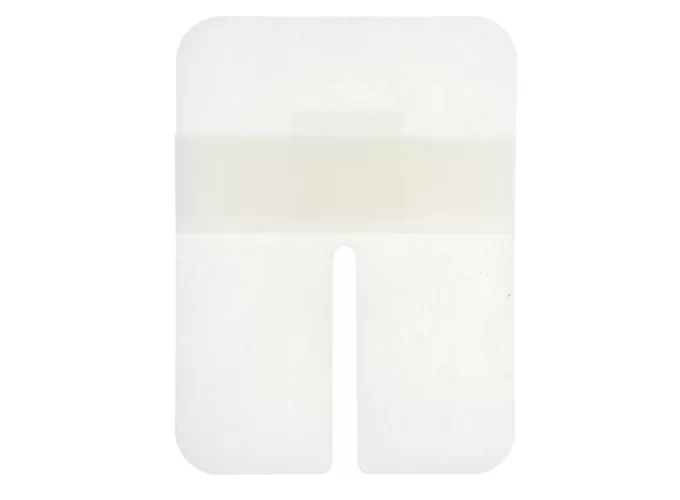
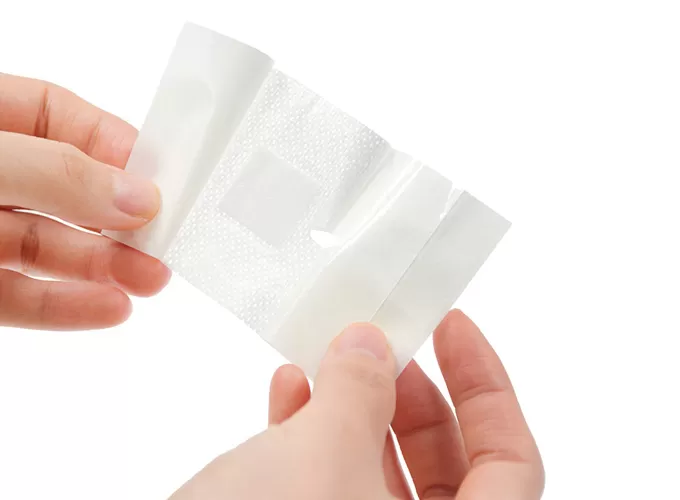
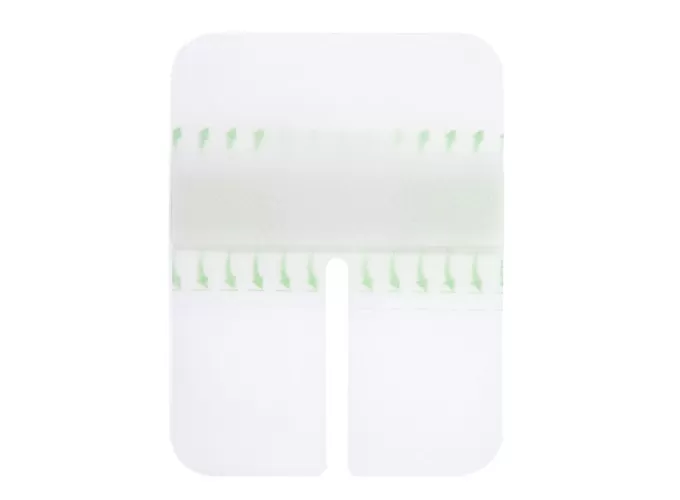
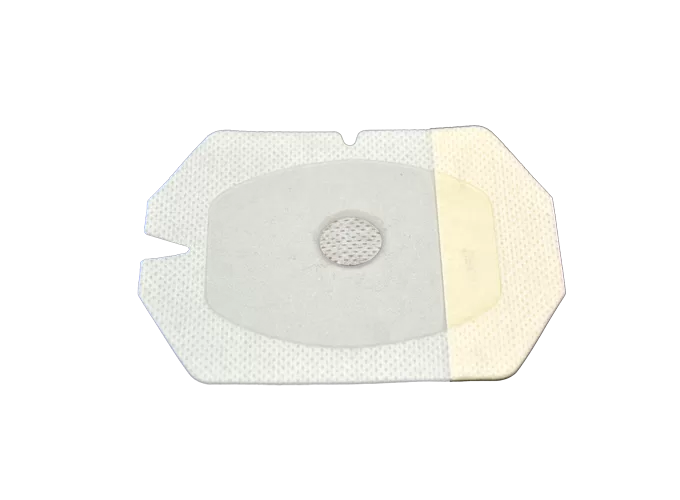
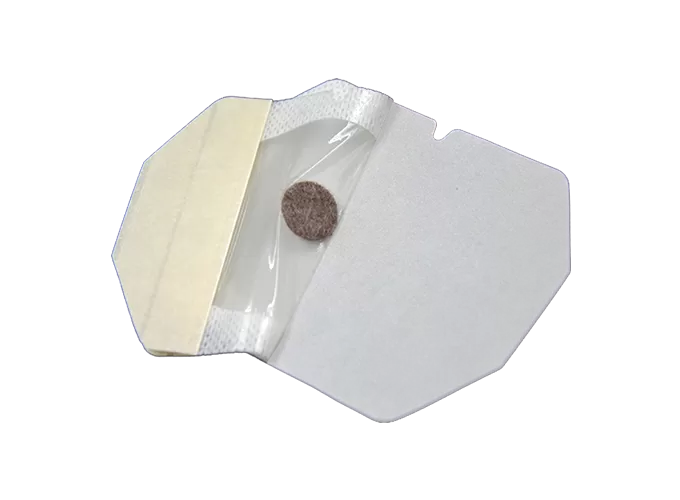
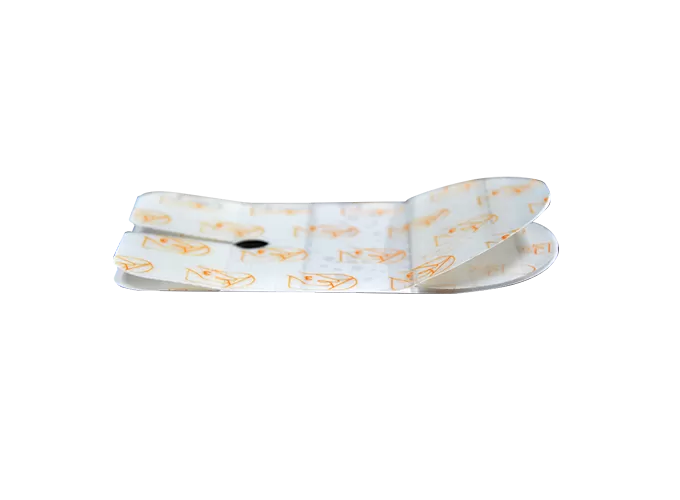
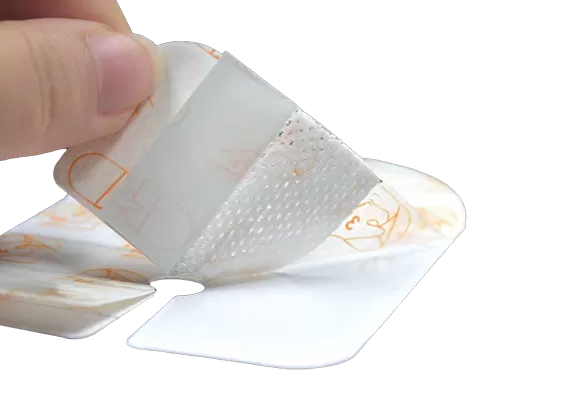
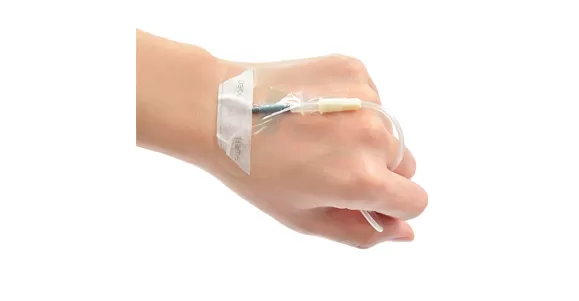
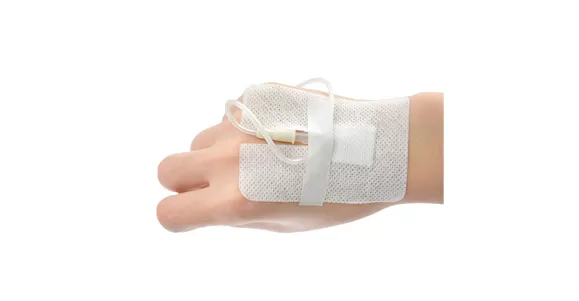
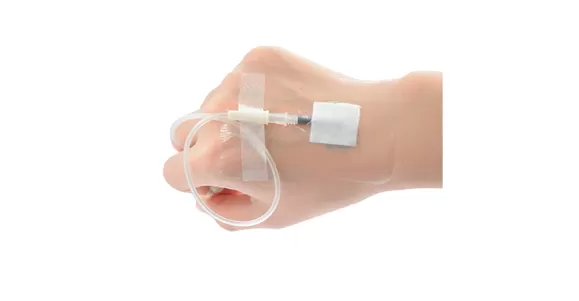
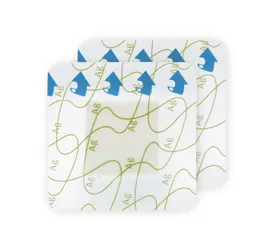
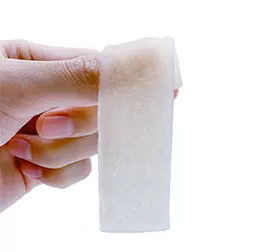
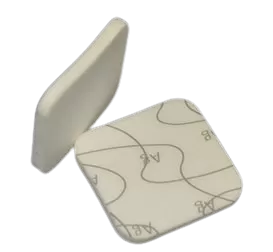
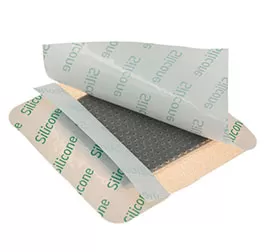
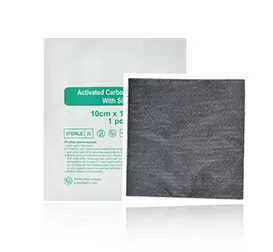
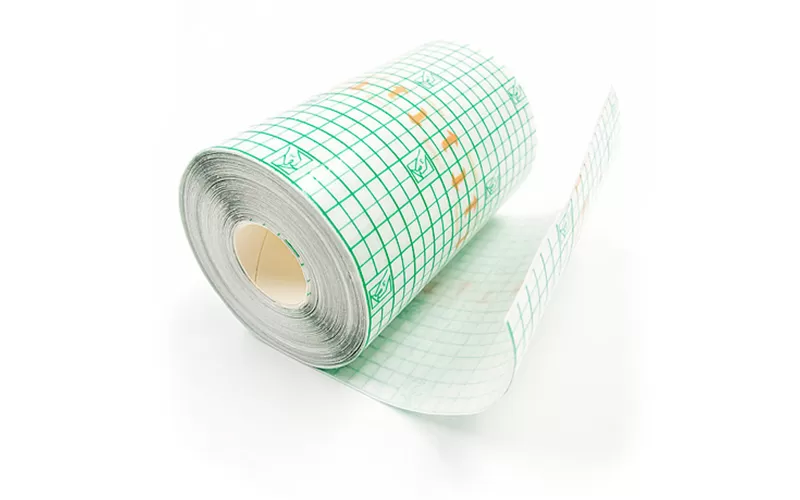
IV dressing is a transparent film dressing that can breathe with the skin. It is made of highly permeable polyurethane film and special moisture-permeable medical acrylic adhesive through a special coating process.
Studies have shown that the amount of water vapor volatilization of normal human skin within 24 hours is 240-1800g/m2/24h/37℃. If the moisture permeability of the polyurethane film is lower than the moisture volatilization rate of the skin, water vapor may accumulate between the skin and the dressing. In severe cases, it will soak the skin, affecting wound healing and the adhesion between the skin.
Transparent dressings have high moisture permeability and good adhesion, which can well solve the problem of skin soaking.
| Size: | 4.4*4.4cm, 5*5.7cm, 6*6cm, 6*7cm, 7*8.5cm, 7*10cm, 8.5*10.5cm, 10*11.5cm, 10*12cm, 10*15cm, 10*20cm, 10*25cm, 15*20cm, etc. |
1. High moisture permeability: avoid skin immersion.
2. Prevent bacterial invasion: no risk of external infection.
3. Waterproof: patients can take a shower or bath.
4. Transparency: wounds can be observed at any time.
5. Comfortable and soft: can be used on all parts of the body, low allergic reaction.
6. Effective strong adhesion: can be maintained on the wound for 7 days.
7. Safe and easy to stick: the structure used allows you to stick quickly and accurately
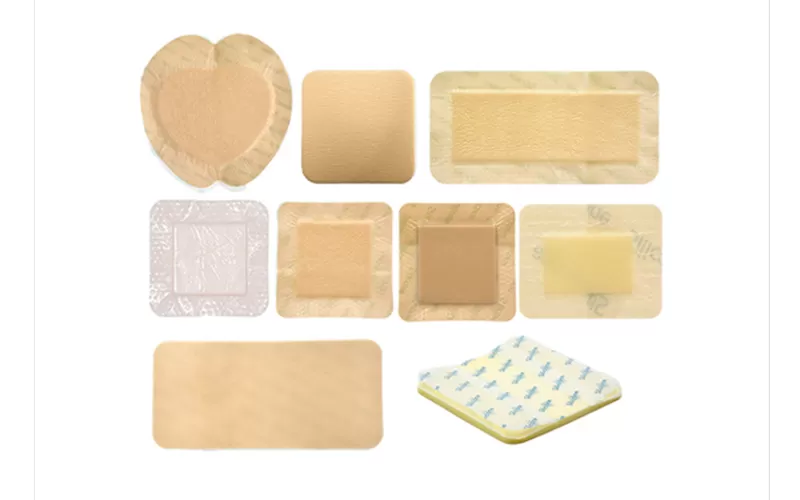
8. Complete specifications: There are many product styles, which can be divided into paper frame type, high-transparency dot grid type, new practical hydrocolloid type, PE foam type, non-woven fabric type, providing more choices for clinical use.
9. Easy to use: can avoid the dressing itself from sticking and wrinkling (the center can be made into a pad as required, with strong absorption capacity to avoid wound immersion).
1. Open the sterile outer package, take out the transparent dressing (IV dressing), wait for the skin disinfectant at the puncture point to completely dry, and then stick the transparent dressing with the release paper peeled off to the puncture site.
2. Observe the puncture point through the transparent dressing, place the puncture point in the center of the dressing, and align the pre-cut on the transparent dressing frame structure with the indwelling needle.
3. When sticking, the dressing droops naturally, and do not stretch the dressing. Press the dressing gently from the puncture point to the surrounding areas. Then start to remove the frame structure from the pre-cut of the frame structure, while removing and gently pressing the transparent dressing here.
4. Smooth the transparent dressing covering the skin part of the indwelling needle to better fix the indwelling needle.
5. Write the operator's name, date, bed number and other information on the breathable tape. And peel off the breathable tape and stick it on one side of the transparent dressing so that it can be removed later or fixed on the intravenous infusion catheter.


1. Fixation of indwelling needles (IV catheter and PICC and CVC.
2. Fixation of anesthesia catheters, pulmonary artery cannulas, renal dialysis cannulas, and analgesic pump cannulas.
3. Skin care in areas susceptible to friction or humid environments, such as skin protection around tracheotomy, bone prominences, skin care around incontinence, and prevention of bedsores.
4. Protection of mild abrasions, cuts, and suture wounds.
5. As a patch fixation for other dressings.
Want to Get More Details About JCMED Medical Consumables?
We're waiting for your contact!