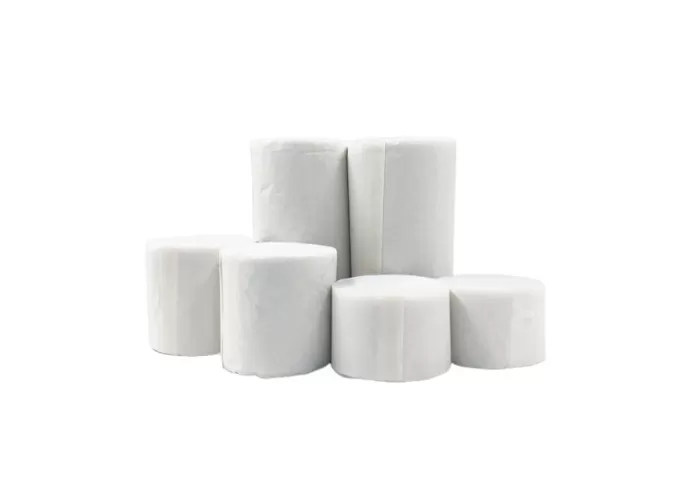
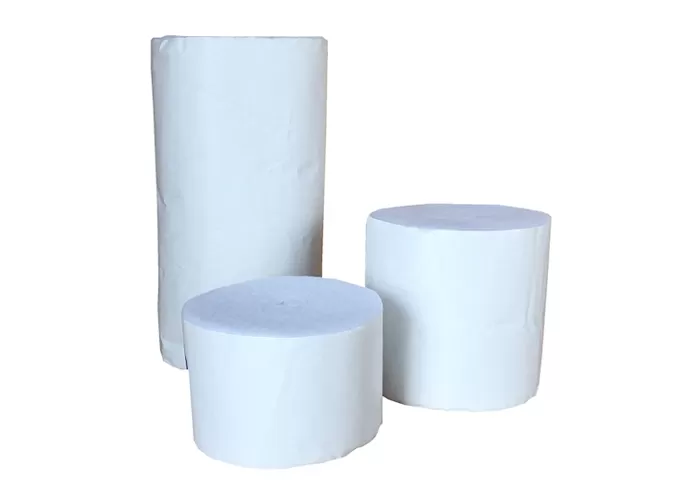
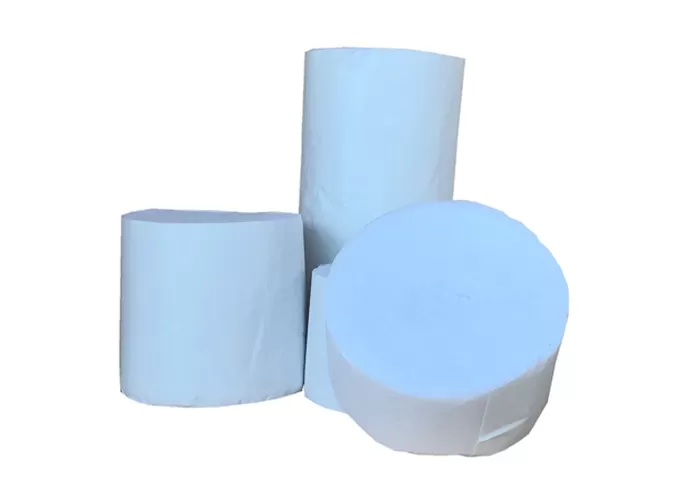
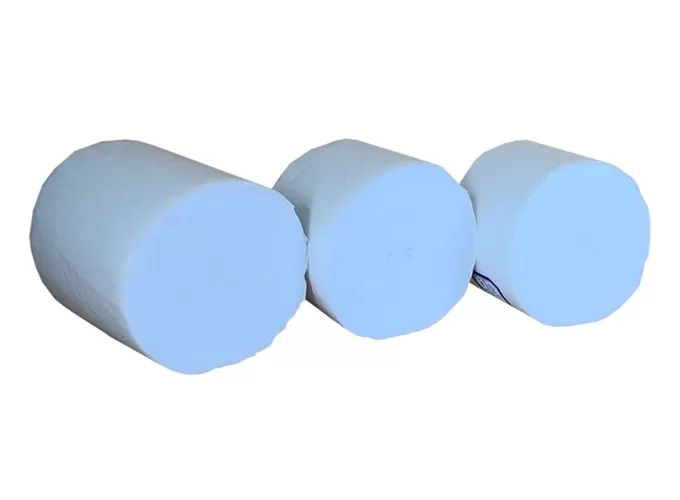
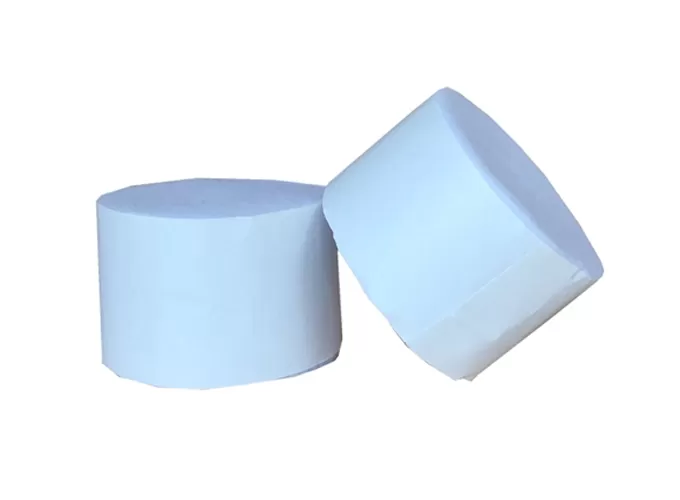
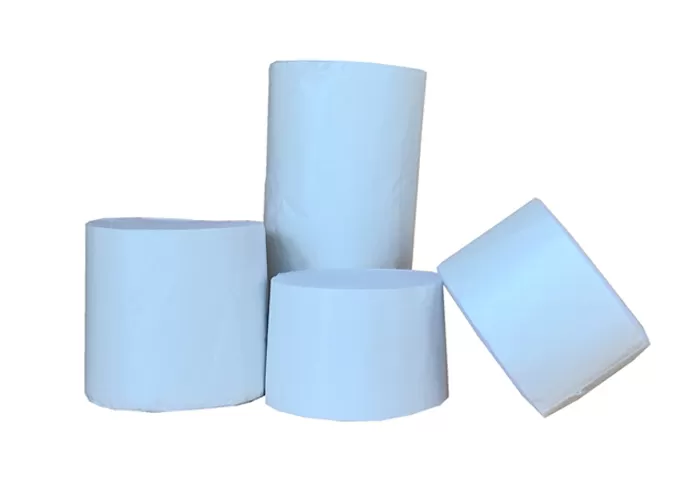
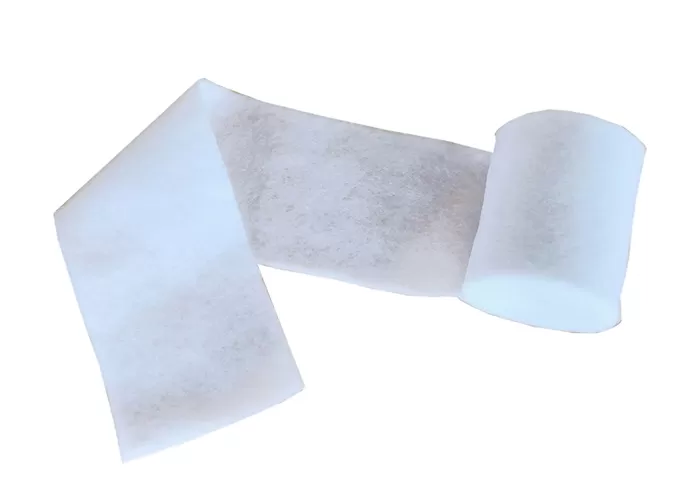
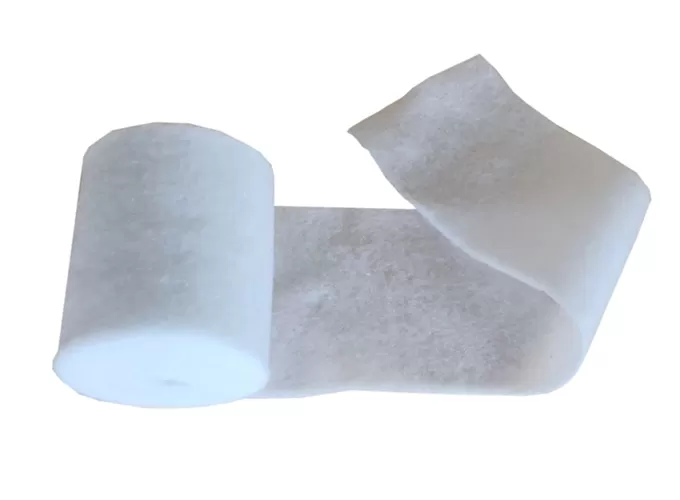
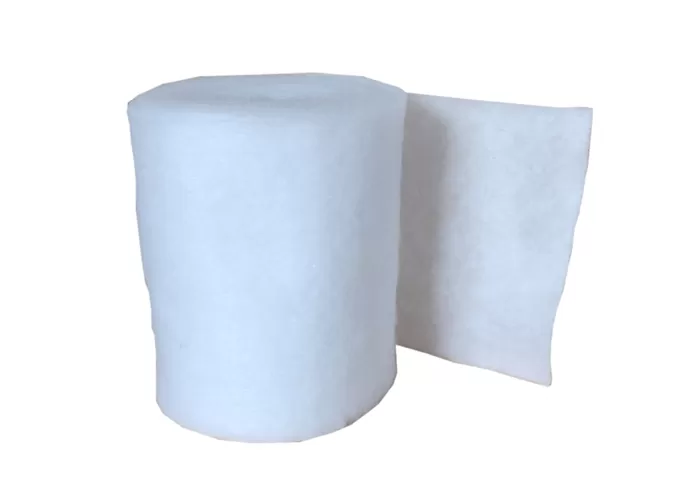
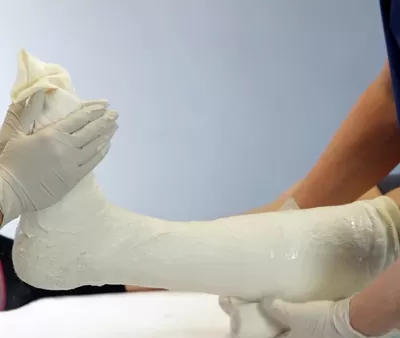
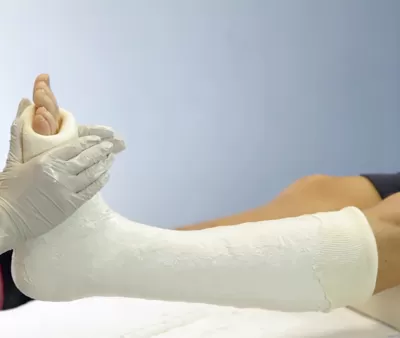
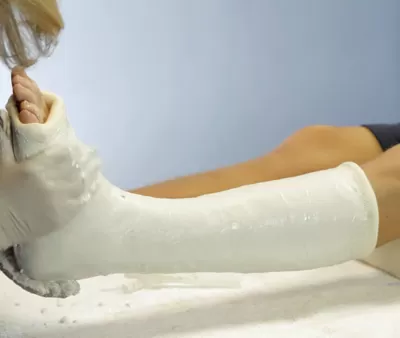
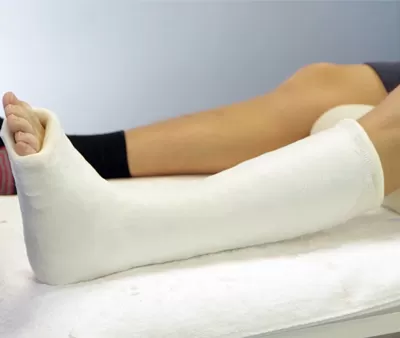

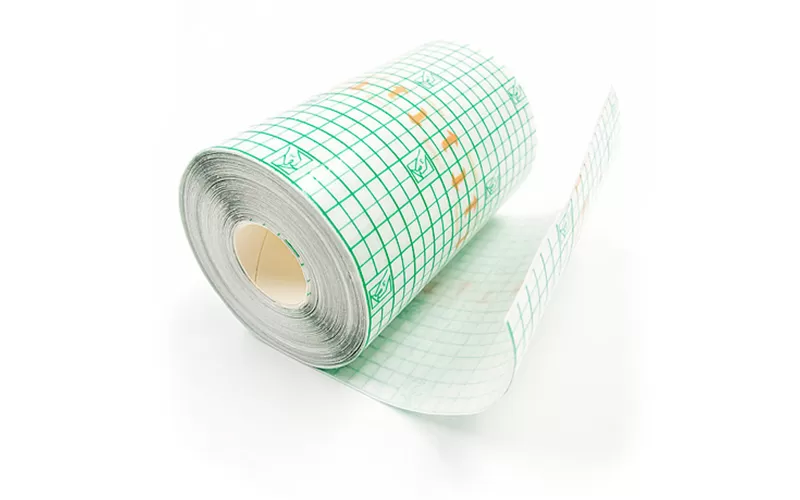
Cast Padding is an indispensable medical material in orthopedic fixation treatment. They are mainly used for buffering protection between plaster or synthetic fixation materials and the skin. They play a key role in fracture fixation and injury healing. They can effectively reduce the friction and pressure of plaster on the skin, absorb sweat, maintain breathability, prevent skin irritation and infection, and significantly improve the patient's treatment comfort. Since the pad needs to be in contact with the skin for a long time, its material selection and process design are strictly controlled to ensure both safety and comfort.
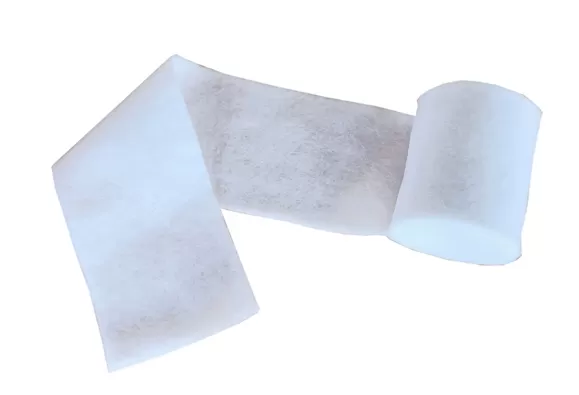
This pad is made of high-quality synthetic non-woven fibers (polyester or viscose fibers), which has a soft touch and good toughness, and can perfectly fit the curves of various parts of the body. Its unique two-way stretch performance makes the bandaging process more convenient and efficient, while ensuring stable and reliable fixation. The pad has excellent water absorption, waterproofness and breathability, which can effectively keep the skin dry and clean, block external liquid penetration, and reduce the risk of infection. The humanized hand-tear design can be easily adjusted without the help of tools, which greatly improves the convenience of clinical use.
The product includes a variety of specifications and sizes, which can not only meet the bandaging needs of different parts, but also are easy to store and use. Before use, just wrap a layer of padding under the plaster bandage to effectively prevent the risk of burns during fixation. It is especially suitable for injury care of arms, legs, wrists, ankles and other parts. Its excellent performance and thoughtful design details make it a trustworthy professional choice in orthopedic fixation treatment.
| Specification |
| 5cm*460cm |
| 7.5cm*460cm |
| 10cm*460cm |
| 15cm*460cm |
| 20cm*460cm |
Comfortable and skin-friendly: Made of high-quality cotton material or synthetic non-woven fiber (polyester fiber/viscose fiber), it is soft to the touch, breathable, reduces skin irritation, improves wearing comfort, and is suitable for long-term fixed use.
Good protection: As a buffer layer between plaster and skin, it effectively reduces friction and pressure, prevents burns, pressure sores and infection, and promotes the healing of fractures and injuries.
Elastic fit: It can be stretched both longitudinally and transversely, easily adapting to the contours of different body parts, ensuring that the bandage is firm and fits well, avoiding looseness or displacement.
Moisture-absorbent and breathable: It has good water absorption and breathability, keeps the skin dry, reduces stuffiness and discomfort, and the waterproof outer layer can block external liquid penetration.
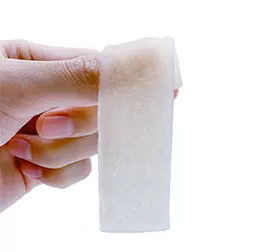
Convenient to use: No scissors are required, it can be torn directly by hand, the operation is simple and fast, and the work efficiency of medical staff is improved.
Flexible size: A variety of specifications are available to meet the bandaging needs of different parts such as arms, legs, wrists, ankles, etc., and the size can also be customized to adapt to personalized usage scenarios.
Wide compatibility: Suitable for all types of plasters and synthetic fixation materials, ensuring stable performance when used with different medical bandages.
Safe and reliable: Strictly follow medical standards to ensure that the material is safe and harmless, reduce the risk of allergies, and provide reliable protection for patients.


Choose the required length of tubular bandage according to the part of use.
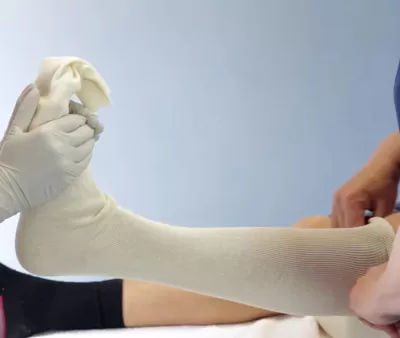
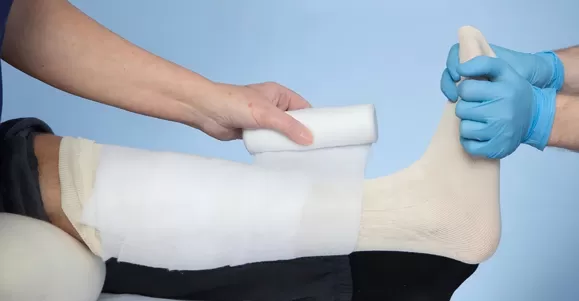
Put the bandage on the ankle and leg and flatten it along the leg.
Wrap the ankle with plaster pad and move it towards the thigh (wrap it spirally from the distal end to the proximal end).
Choose a plaster bandage of appropriate width and soak it in cold water.
Take it out and gently squeeze out the water.
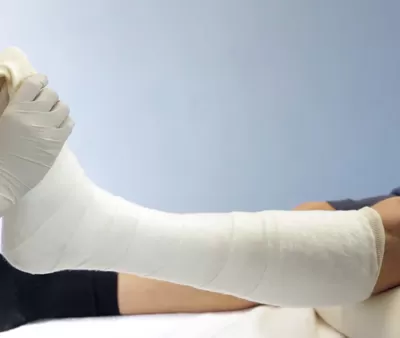
Start wrapping the leg wound.
After wrapping the plaster bandage, cover it with a gauze bandage.
Continue wrapping and fixing it with a non-woven self-adhesive bandage.
Resume activities after examination.
Orthopedic fixation and fracture care
As the inner lining of plaster or splint, it is widely used for fracture fixation in arms, legs, wrists, ankles and other parts. It can buffer the pressure of rigid materials on the skin, reduce friction, avoid pressure sores and skin damage, while maintaining breathability and promoting healing.
Postoperative rehabilitation support
After orthopedic surgery, plaster pads can be used to fix postoperative bandages, provide stable support for joints or bones, and prevent the heat generated during the hardening of plaster from burning the skin.
Sports injury protection
It is suitable for temporary fixation of acute soft tissue injuries such as sprains and strains, helping to reduce swelling and provide protection to avoid secondary injuries.
Daily protection and DIY use
In addition to medical uses, it can also be used to make models, art sculptures, Halloween decorations and other handicrafts, giving full play to its flexible and easy-to-plastic properties.
Want to Get More Details About JCMED Medical Consumables?
We're waiting for your contact!