


C-Section Pack: Essential Medical Supplies for Cesarean Deliveries
A C-section pack (Cesarean Section Pack) is a pre-assembled sterile kit containing specialized medical instruments, drapes, and disposable supplies required for performing safe and efficient cesarean deliveries. Designed to meet surgical standards, these packs ensure hygiene, reduce preparation time, and minimize infection risks for both mothers and newborns.
Key Components
Sterile Drapes and Gowns
Waterproof adhesive drapes to isolate the surgical area.
Disposable gowns and gloves for the surgical team to maintain aseptic conditions.
Surgical Instruments
Scalpel blades and handles for incision.
Forceps (e.g., sponge forceps, tissue forceps) and scissors (Mayo, Metzenbaum) for tissue handling.
Retractors (e.g., Morris, Deaver) to expose the uterus.
Needle holders and sutures (absorbable/non-absorbable) for uterine and skin closure.
Disposable Supplies
Gauze swabs, cotton balls, and abdominal sponges for fluid absorption.
Umbilical cord clamps and sterile tape for neonatal care.
Catheters (e.g., Foley catheter) for bladder drainage.
Specimen containers for placental examination if needed.
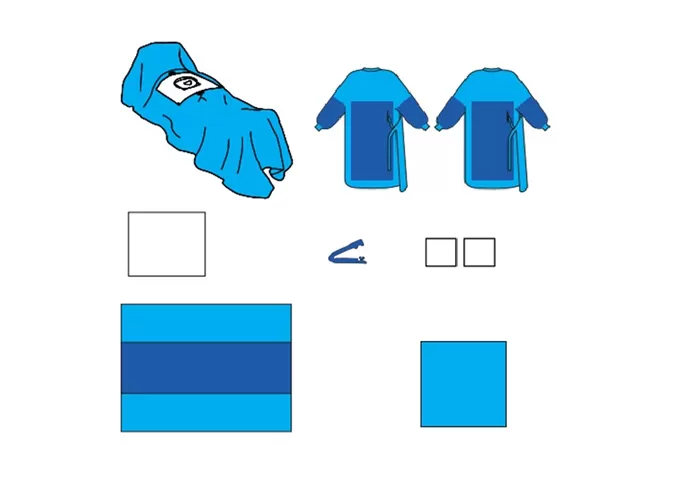
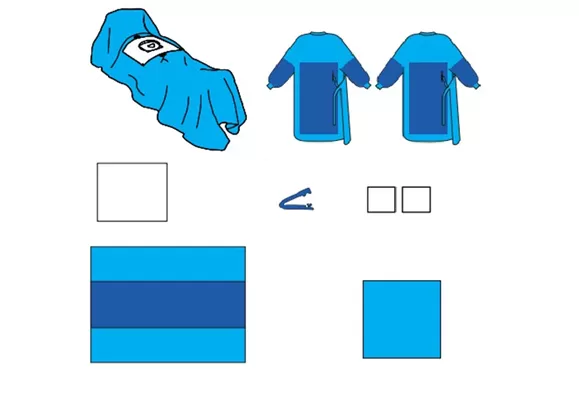
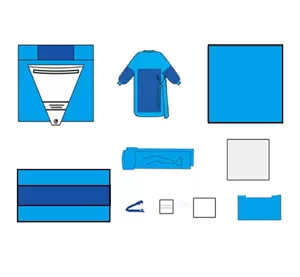
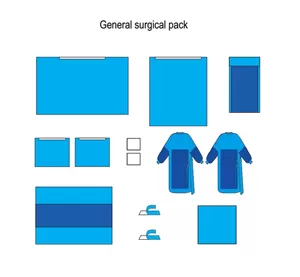
| C-Section Pack | ||
| 1pc | Instrument table cover 150*190cm | ![]() |
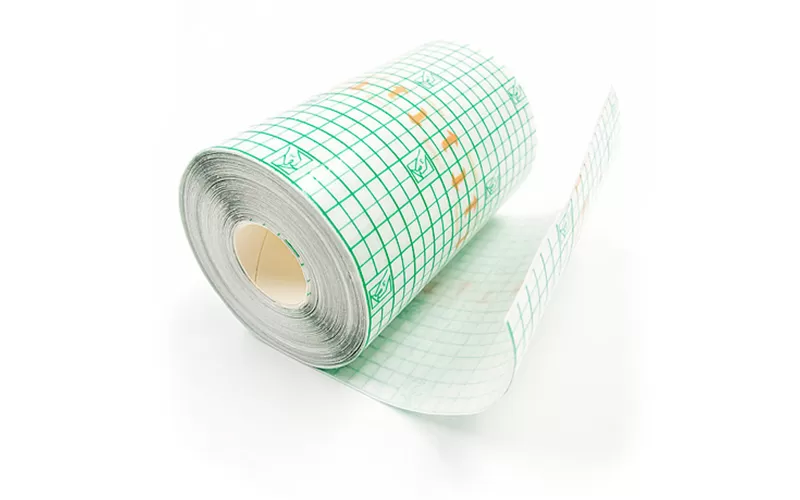
| 2pcs | OP tape 10*50cm | |
| 1pc | Baby Wrapper 75*90cm | |
| 1pc | Caesarean drape 200*300cm | |
| 1pc | Wrapping cloth 100*100cm 35g SMS | |
| 2pcs | Reinfored gown L 45g SMS | |
| 1pc | Clip | |
Standardization: Pre-packed kits follow hospital protocols, reducing errors.
Infection Control: Single-use, sterilized components lower postoperative infection rates.
Efficiency: Streamlines workflow in emergency or planned C-sections.
Clinical Applications
C-section packs are used in hospitals, maternity centers, and emergency obstetric care, catering to both elective and emergency procedures.
A well-designed C-section pack integrates critical tools to support surgical teams, ensuring optimal outcomes for mothers and babies during one of the most vulnerable phases of childbirth.

A C-section delivery kit contains sterile supplies to ensure a safe
1. Pre-Operative Setup
Sterile Preparation:
Medical staff must scrub hands with antiseptic soap and wear sterile gloves, gowns, masks, and caps. The patient’s abdomen is cleaned with an antiseptic solution (e.g., chlorhexidine), and hair may be trimmed if necessary.
Kit Inspection:
Open the sealed kit and verify contents (e.g., drapes, scalpels, sutures). Ensure no expired or damaged items are present.
2. Sterile Draping & Incision
Drape Placement:
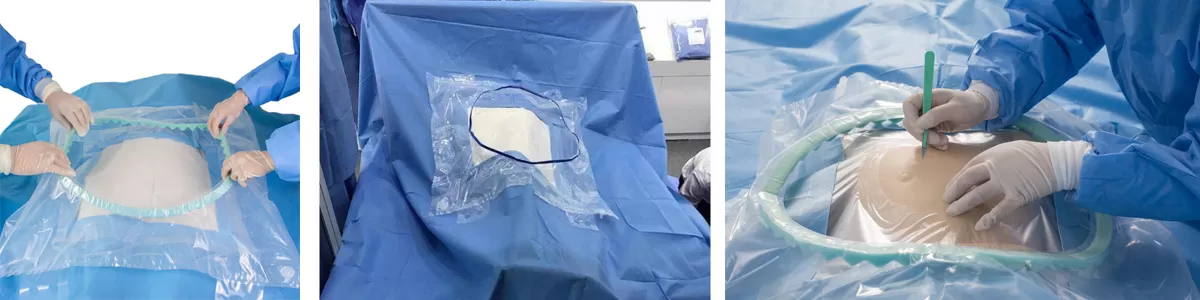
Cover the patient with a large sterile drape, leaving only the incision site exposed (typically a horizontal 10–15 cm line above the pubic bone). Adhesive edges secure the drape.
Surgical Incision:
Use a scalpel from the kit to cut through skin and tissue layers. Electrocautery or gauze controls bleeding.
3. Delivery & Umbilical Cord Handling
Uterine Incision:
The surgeon carefully opens the uterus to avoid fetal injury. Suction devices clear amniotic fluid.
Baby Delivery:
The baby is gently lifted out, and the umbilical cord is clamped and cut using sterile clamps/scissors from the kit.
4. Placenta Removal & Suturing
Placenta Extraction:
The placenta is manually removed, and the uterus is wiped with sterile gauze.
Closure:
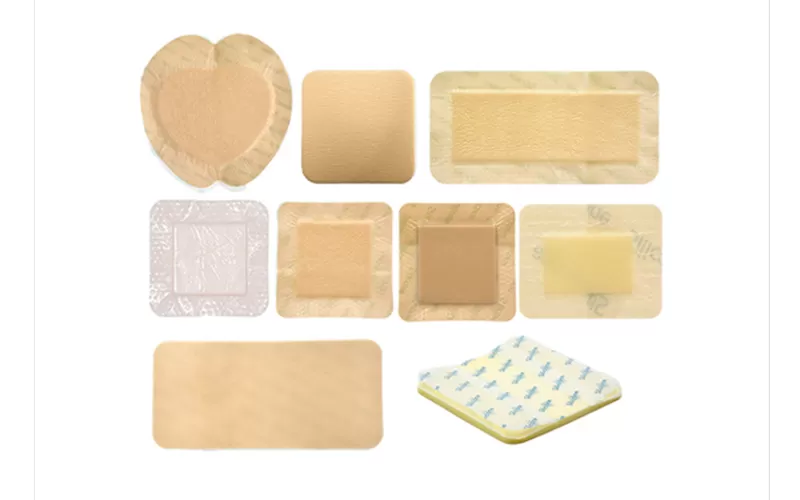
The uterus is sutured with absorbable stitches. Subcutaneous tissue and skin are closed with sutures or staples. A sterile dressing covers the incision.
5. Post-Procedure Care
Disposal:
Discard used supplies (e.g., sharps, bloody gauze) in biohazard containers.
General surgery
Gynecological surgery
Obstetrics
Operating Room
Labor & Delivery Unit
Neonatal Intensive Care Unit (NICU)
Emergency Department
Want to Get More Details About JCMED Medical Consumables?
We're waiting for your contact!