





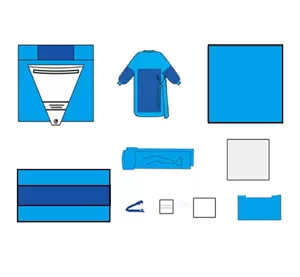
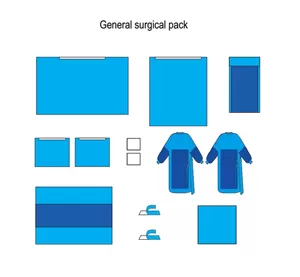


A hip surgical pack is a comprehensive set of medical instruments and supplies specifically designed for hip - related surgeries. These packs play a crucial role in ensuring the success and safety of procedures such as hip replacements, hip fracture repairs, and surgeries for hip impingement syndromes.
| Hip Pack | ||
| 2pcs | Instrument Table Cover 150*200cm | ![]() |
| 2pcs | Op-tape 10*50cm | |
| 1pc | Logging 40*120cm | |
| 1pc | Spilt Drape 200*260cm | |
| 1pc | Side Drape 75*90cm | |
| 1pc | Side Drape 150*240cm | |
| 1pc | Side Drape 150*200cm | |
| 1pc | Wrapper 100*100cm | |
| 2pcs | Reinforced Surgicol Gown L | |
| 4pcs | Hand Towel 40*40cm | |
| 1pc | Mayo Stand Cover 80*145cm | |
Surgical Instruments
Osteotomes: These are used to cut and shape the bone. For hip surgeries, different - sized osteotomes with various tip shapes are included. They help in tasks like preparing the bone surface for implant placement during a hip replacement. For example, when replacing the femoral component in a total hip arthroplasty, osteotomes are used to create a proper fit for the prosthesis.
Chisels: Chisels in the pack are used to resect or remove small portions of bone. In procedures for correcting hip deformities, chisels can be used to precisely modify the shape of the acetabulum or the femoral head.
Retractors: There are often multiple retractors in a hip surgical pack. These are essential for holding tissues and muscles away from the surgical site, providing better visibility for the surgeon. In hip surgeries, retractors help expose the hip joint, allowing the surgeon to access the femoral head, neck, and acetabulum clearly.
Measuring and Alignment Tools: Tools such as femoral head templates are included. These templates, usually ranging in diameter from 42 mm to 58 mm, are used to ensure proper sizing of the implant during hip replacement surgeries. They help the surgeon select the most appropriate - sized artificial femoral head to match the patient's anatomy.
Sterile Supplies
Surgical Drape: A high - quality, sterile surgical drape is part of the pack. It is placed over the patient's body to create a sterile field around the surgical site. The drape for hip surgeries is designed to cover the hip area adequately, preventing contamination from non - sterile areas. It may have special features like adhesive edges to stick firmly to the patient's skin and keep the area around the incision sterile.
Gowns, Gloves, and Masks: Surgeons and surgical staff need to maintain a sterile environment. The hip surgical pack includes sterile gowns, gloves, and masks. These items are made of materials that are both breathable and provide an effective barrier against microorganisms, reducing the risk of infection during the procedure.
Suture Materials and Needles: Depending on the type of hip surgery, various suture materials and needles are included. After the surgical procedure is complete, these are used to close the incisions. Different suture materials may be present, such as absorbable sutures for internal tissues and non - absorbable sutures for the skin, depending on the surgeon's preference and the requirements of the wound closure.
Specialized for Hip Surgery: Includes hip drapes, gowns, suction tubes, scalpel blades, and sutures tailored for orthopedic procedures.
High-Quality Materials: Fluid-resistant fabrics, reinforced drapes, and latex-free options available.
Time-Saving & Efficient: Pre-packed and organized for quick setup, minimizing OR preparation time.
Customizable Options: Adjustable components (e.g., additional sponges, larger drapes) based on surgical needs.
Reinforced Instrument Table Cover: Used to wrap all the accessories in the surgical kit. After the surgical kit is opened, it can be used as an instrument table-cloth.
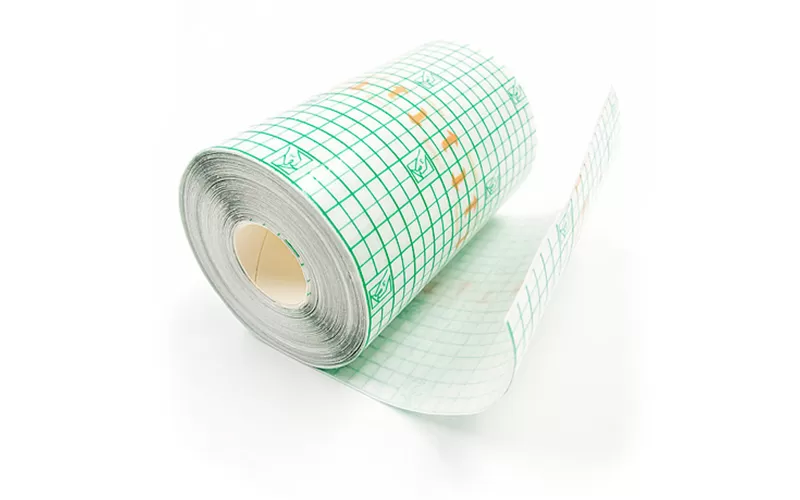
Op-Tape: Fixing and sealing, such as fixing the ducts and drapes.
Legging: Used for lower limbs of patients, to keep warm and isolate, prevent cross infection.
Split Drape: Used in conjunction with the side drape to form a surgical sterile area.
Surgical Side Drape with Double-sided Tape: Used to isolate the surgical area and provide isolation to prevent cross-infection.
Wrapper: Isolation protection for patients and instruments in the operating room.
Reinforced Surgical Gown: Used to protect the wearer from the spread of infection or illness and also be used to help prevent the gown wearer from contaminating vulnerable patients.
Hand Towel: With strong ribs, no swarf, used by surgical operators during surgery.
Reinforced Mayo Stand Cover: Used on the instrument tray, or as a chair cover or a bag for postoperative medical waste.
1. Preparation Before Surgery
First, verify the integrity of the HIP Pack's outer packaging. Ensure there are no signs of damage, moisture, or expiration, as these can compromise the sterility of the contents. Open the outer packaging carefully in a clean, designated area close to the operating table.
2. Sterile Field Setup
Place the opened HIP Pack on a sterile back table in the operating room. Don surgical gowns, gloves, and masks following proper aseptic technique. One member of the surgical team should then open the inner sterile packaging of the HIP Pack, using the edges of the wrapping paper to avoid touching the instruments directly. Spread the sterile drapes included in the pack over the patient's body, exposing only the hip surgical site. Secure the drapes to create a barrier that prevents contamination from surrounding areas.
3. Instrument Identification and Arrangement
Carefully take out the instruments from the HIP Pack. Identify each item, such as osteotomes, chisels, and retractors, and arrange them in an orderly manner on the sterile back table. Place measuring and alignment tools within easy reach of the surgeon. Ensure that all instruments are clean, undamaged, and ready for use.
4. During the Surgical Procedure
As the surgery progresses, the surgical team should use the instruments according to the standard operating procedures. For example, use osteotomes and chisels to precisely cut and shape the bone, and retractors to maintain a clear view of the surgical field. Replace or clean instruments as needed to ensure continuous sterility and functionality. When suturing, select the appropriate suture materials and needles from the HIP Pack and perform the closure with care.
5. Post - Surgery Cleanup
After the surgery is completed, carefully collect all used and unused instruments from the sterile field. Dispose of used materials, such as surgical drapes and gloves, in designated biohazard containers. Send the used instruments for proper cleaning, disinfection, and sterilization before reuse. Document the use of the HIP Pack, including any issues or observations during the process, for future reference and quality control.
1. Operating Rooms in Hospitals
2. Ambulatory Surgical Centers
3. Trauma Centers
4. Military or Field Hospitals
Want to Get More Details About JCMED Medical Consumables?
We're waiting for your contact!