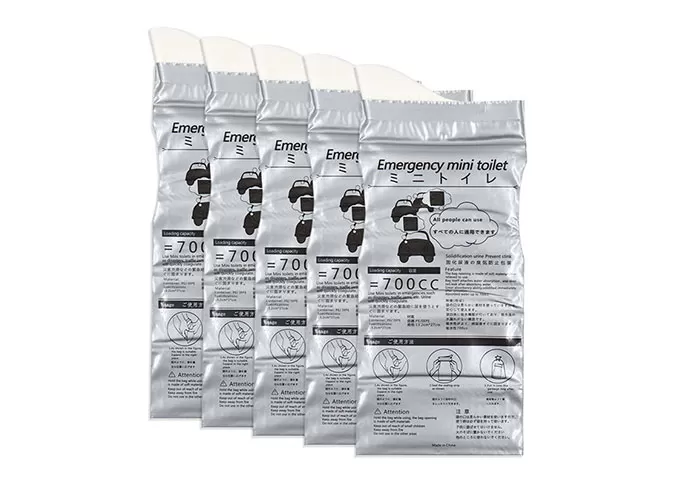
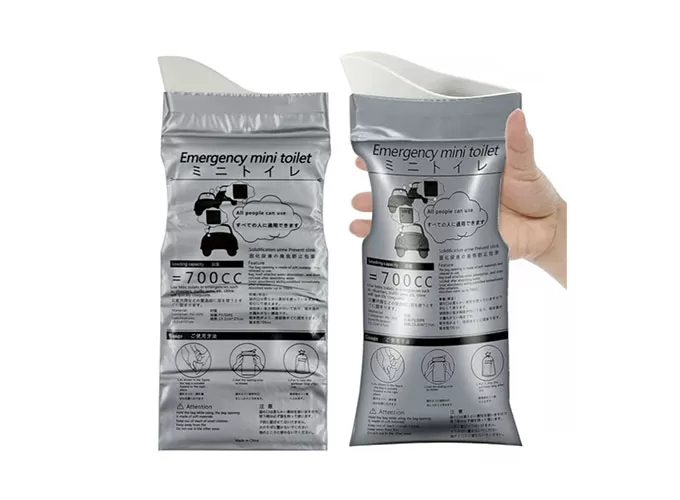



A medical urine bag is a disposable device used for the hygienic collection and temporary storage of urine. It is commonly connected to a urinary catheter and is widely used in hospitals, nursing homes, and home care for patients who are bedridden, post-surgical, or unable to urinate independently.
These bags are typically made of medical-grade PVC and are available in various capacities ranging from 500ml to 2000ml. Key features include anti-reflux valves to prevent backflow, graduated markings for monitoring urine output, and drainage outlets for easy emptying. Medical urine bags are essential for infection control, patient comfort, and fluid management in clinical settings.
| Model | Urine bag |
| Size | 2000ml |
| Material | PVC |
Size: 1500ml 2000ml 2000+500ml
A medical urine bag is a disposable device used for the hygienic collection and temporary storage of urine. It is commonly connected to a urinary catheter and is widely used in hospitals, nursing homes, and home care for patients who are bedridden, post-surgical, or unable to urinate independently.
These bags are typically made of medical-grade PVC and are available in various capacities ranging from 500ml to 2000ml. Key features include anti-reflux valves to prevent backflow, graduated markings for monitoring urine output, and drainage outlets for easy emptying. Medical urine bags are essential for infection control, patient comfort, and fluid management in clinical settings.
Large capacity design
The 700 ml large capacity meets the different needs of adults, children and the elderly, and is suitable for long-term outings or emergency use.
Leak-proof seal
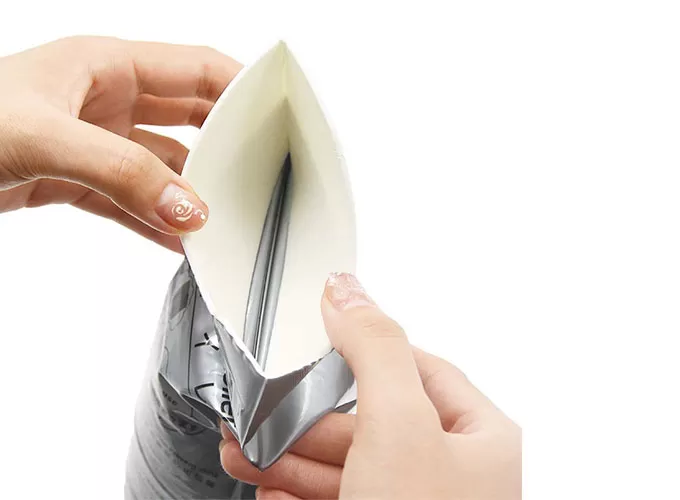
Each urine bag is equipped with a high-strength sealing strip to ensure that the liquid is isolated from the air, and it will not leak even if it is inverted, making it safer to use.
Portable and compact
Independent packaging, foldable design, lightweight, can be easily put into a pocket, wallet or car, and can be carried with you without burden.
Rapid absorption and odor prevention
Built-in high-efficiency absorbent pad, converts liquid into gel within 60 seconds, avoids leakage and odor, and keeps it hygienic and clean.
Unisex, suitable for a wide range of people
Suitable for adults, children, the elderly, pregnant women, people with limited mobility and people with motion sickness, to solve the problem of sudden toileting.
Use and throw away, convenient and hygienic
Disposable, no need to wash, can be directly discarded after sealing, saving time and effort, and avoiding the risk of cross infection.
Waterproof and environmentally friendly material
Adopts waterproof and environmentally friendly materials, strong sealing, properly handled after use, and reduces environmental pollution.
Applicable in multiple scenarios
Applicable to traffic jams, outdoor travel, camping, medical care and other scenarios, it is an ideal choice in emergency situations.

Inspection and Preparation
Verify the integrity and sterility of the urine bag packaging. Wash hands thoroughly before handling.
Connection to Catheter
Securely connect the inlet tube of the urine bag to the patient's catheter or drainage tube, ensuring a tight, leak-proof connection.
Proper Positioning
Fix the urine bag below bladder level using leg straps or bedside hooks to facilitate gravity drainage and prevent backflow.
Monitoring and Emptying
Regularly monitor urine output using the graduated markings. When the bag is near full capacity, open the drainage valve to empty urine hygienically.
Replacement and Disposal
Replace the urine bag as recommended or when damaged. Dispose of used bags according to medical waste protocols.
Postoperative Care
For patients recovering from surgery who require temporary urinary drainage.
Long-term Bedridden Patients
Suitable for elderly or disabled individuals with limited mobility and incontinence.
ICU and Emergency Settings
Used in intensive care units and emergency departments for continuous urine monitoring.
Home Healthcare
Ideal for patients receiving long-term care or palliative treatment at home.
Urology and Catheterization Procedures
Commonly used during or after catheterization to collect and measure urine output.
Rehabilitation Centers
For patients undergoing physical rehabilitation who are not fully ambulatory.
Hospices and Nursing Homes
Widely used in elderly care facilities to ensure comfort and hygiene.
Ambulance & Field Use
Portable options available for use in emergency transport or disaster relief situations.
Want to Get More Details About JCMED Medical Consumables?
We're waiting for your contact!