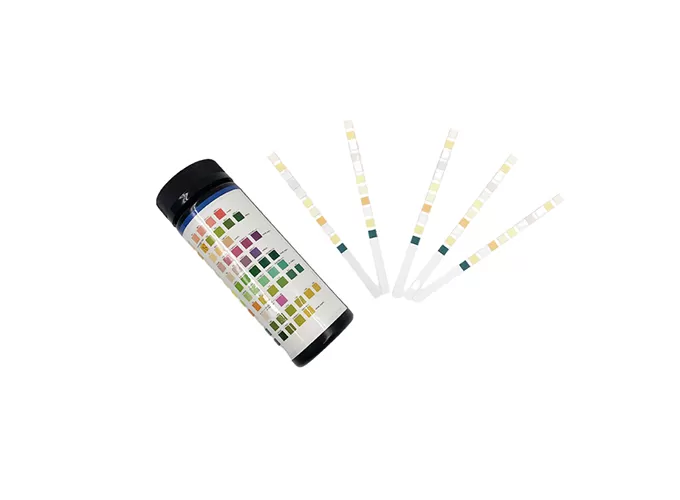
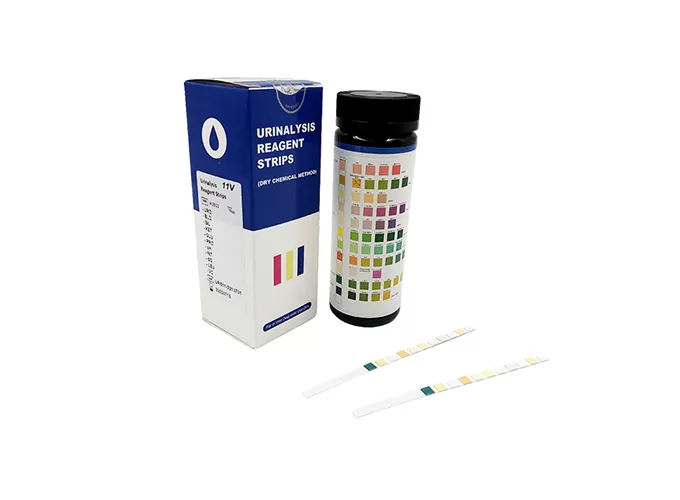
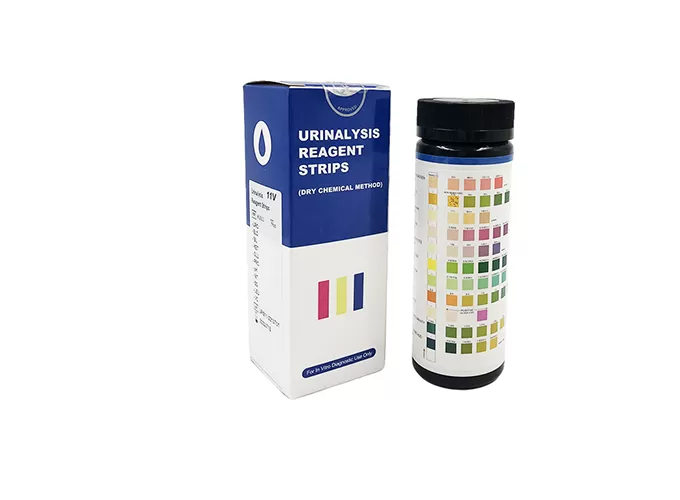
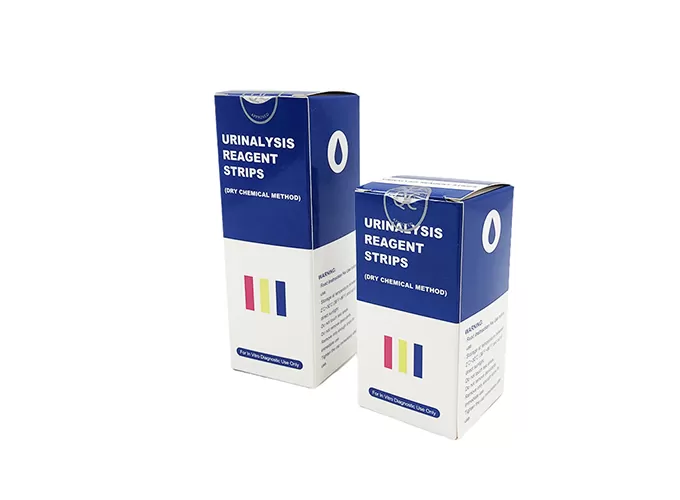

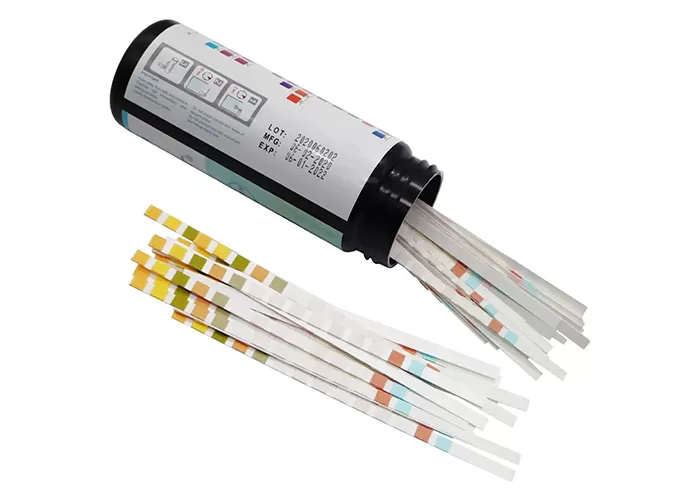

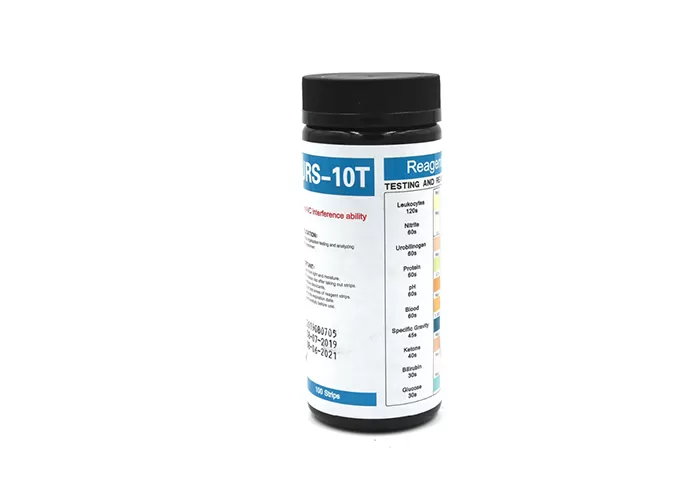
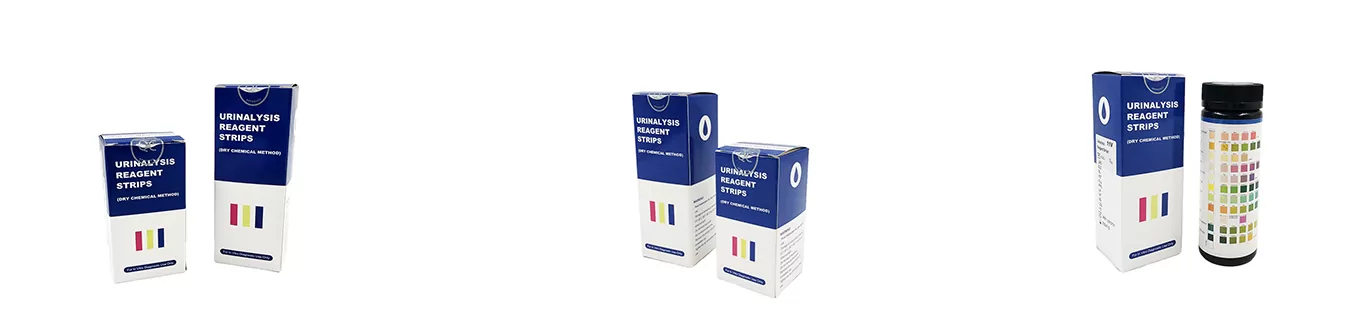

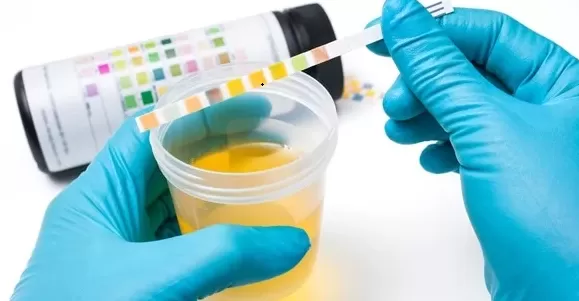
Urinalysis tests are essential diagnostic tools used to assess a wide range of health conditions by analyzing urine samples. These tests provide valuable insights into kidney function, metabolic disorders, infections, and systemic diseases. Modern urinalysis systems offer rapid, accurate, and automated testing with minimal manual intervention, making them indispensable in clinical laboratories, hospitals, and point-of-care settings.
Key Features:
Comprehensive Testing: Detects glucose, protein, ketones, bilirubin, blood, pH, specific gravity, leukocytes, nitrites, and more.
Automated Systems: High-throughput analyzers improve efficiency and reduce human error.
Dipstick & Microscopic Analysis: Combines chemical strip testing with sediment examination for complete results.
Infection Detection: Identifies urinary tract infections (UTIs) through leukocyte esterase and nitrite indicators.
Early Disease Screening: Helps diagnose diabetes, kidney disease, liver disorders, and hypertension.
User-Friendly Design: Compact, portable options available for clinics and emergency use.
Applications:
Routine Health Checkups
Pregnancy & Prenatal Testing
Chronic Disease Monitoring (e.g., Diabetes, CKD)
Drug Screening & Toxicology
Emergency & Critical Care Diagnostics
Urinalysis tests are cost-effective, non-invasive, and provide rapid results, making them a cornerstone of modern diagnostic medicine. Advanced digital analyzers now integrate with laboratory information systems (LIS) for seamless data management. Whether for primary care or specialized diagnostics, urinalysis remains a critical first-line assessment tool.
| 尿条 Urinalysis Test | |||
| URS-1B (BLOOD) | urine | Strip | 100T |
| URS-1G (GLUCOSE) | urine | Strip | 100T |
| URS-1P (PROTEIN) | urine | Strip | 100T |
| URS-1K (KETONE) | urine | Strip | 100T |
| URS-2K (GLUCOS/KETONE) | urine | Strip | 100T |
| URS-2P (GLUCOS/PROTEIN) | urine | Strip | 100T |
| URS-3 (GLUCOSE/PROTEIN/pH) | urine | Strip | 100T |
| URS-4B (GLUCOS/PROTEIN/pH/Blood) | urine | Strip | 100T |
| URS-4S (GLUCOS/PROTEIN/pH/SG) | urine | Strip | 100T |
| URS-9 (URO/BLD/KET/ GLUCOSE/PROTEIN/pH/BILIRUBIN/NITRITE/SG) | urine | Strip | 100T |
| URS-10 (URO/BLD/KET/ GLU/PRO/pH/BIL/NIT/SG/LEU) | urine | Strip | 100T |
| URS-11 (URO/BLD/KET/GLU/ PRO/pH/BIL/NIT/SG/LEU/VC) | urine | Strip | 100T |
| URS-14 (URO/BLD/KET/GLU/ PRO/pH/BIL/NIT/SG/LEU/VC/CA/MALB/CR) | urine | Strip | 100T |

1. Preparation
Gather Supplies: Urine collection cup, sterile gloves, labels, urinalysis test strips, centrifuge (if needed), microscope, and reagent strips.
Patient Instructions: Advise the patient to clean the genital area (midstream catch preferred) and avoid contamination.
2. Sample Collection
Provide a clean, dry container for urine collection.
Collect midstream urine (first few mL may contain contaminants).
Label the sample with patient ID, date, and time.
3. Visual Inspection
Check color (clear, yellow, dark, etc.) and clarity (clear, cloudy, turbid).
Note any unusual odor (e.g., fruity = ketones; foul = infection).
4. Dipstick Test (Chemical Analysis)
Dip a reagent strip into the urine for 1–2 seconds.
Tap off excess urine and wait specified time (usually 30–60 sec).
Compare color changes against the reference chart for:
pH (acidity/alkalinity)
Specific gravity (concentration)
Glucose (diabetes screening)
Protein (kidney function)
Ketones (starvation/diabetic ketoacidosis)
Blood (infection/kidney stones)
Bilirubin & Urobilinogen (liver function)
Nitrites & Leukocytes (UTI detection)
5. Microscopic Examination (If Needed)
Centrifuge 5–10 mL urine at 1,500–3,000 RPM for 5 min.
Examine sediment under a microscope for:
RBCs (bleeding, infection)
WBCs (inflammation, UTI)
Casts (kidney disease)
Crystals (kidney stones)
Bacteria/Yeast (infection)
6. Documentation & Reporting
Record all findings in the patient’s medical record.
Report abnormal results (e.g., high protein, blood, bacteria) to the physician.
7. Disposal & Sanitization
Discard used strips and gloves properly.
Clean work surfaces with disinfectant.
Comprehensive Detection – Identifies a wide range of analytes, including glucose, protein, ketones, bilirubin, urobilinogen, nitrites, leukocytes, blood, and pH levels, aiding in the diagnosis of conditions like diabetes, UTIs, kidney disease, and liver disorders.
Rapid Results – Provides quick and accurate readings within minutes, essential for emergency settings, routine check-ups, and point-of-care testing.
Easy-to-Use Dipstick Technology – Simple colorimetric strips that change color upon contact with urine, allowing for visual or automated reader-based interpretation.
High Sensitivity & Specificity – Advanced chemical formulations minimize false positives/negatives, ensuring reliable detection of abnormalities even at low concentrations.
Automated & Semi-Automated Options – Compatible with urine analyzers for high-throughput labs, reducing human error and improving workflow efficiency.
Cost-Effective Screening – Affordable first-line testing for early disease detection, reducing the need for more expensive diagnostic procedures.
Portable & Convenient – Ideal for home testing, remote clinics, and bedside use, with minimal equipment requirements.
Multi-Parameter Panels – Some tests screen for 10+ parameters simultaneously, offering a broad health assessment from a single sample.
Long Shelf Life & Stable Reagents – Ensures consistent performance over time, even in varying storage conditions.
Non-Invasive Sample Collection – Unlike blood tests, urine collection is painless and patient-friendly, encouraging compliance.
Digital Integration – Some advanced systems connect to EHRs (Electronic Health Records) for seamless data tracking and trend analysis.
Pediatric & Geriatric Compatibility – Safe and adaptable for all age groups, including vulnerable populations.
Early Disease Indicator – Detects metabolic disorders, infections, and renal dysfunction before symptoms appear, enabling preventive care.
Quality Control Features – Built-in controls in some tests verify proper functioning, ensuring accuracy.
Customizable Testing Panels – Tailored for specific needs (e.g., pregnancy, drug screening, or metabolic monitoring).
Hospital labs
Clinics
Home testing
Emergency rooms
Laboratories
Want to Get More Details About JCMED Medical Consumables?
We're waiting for your contact!