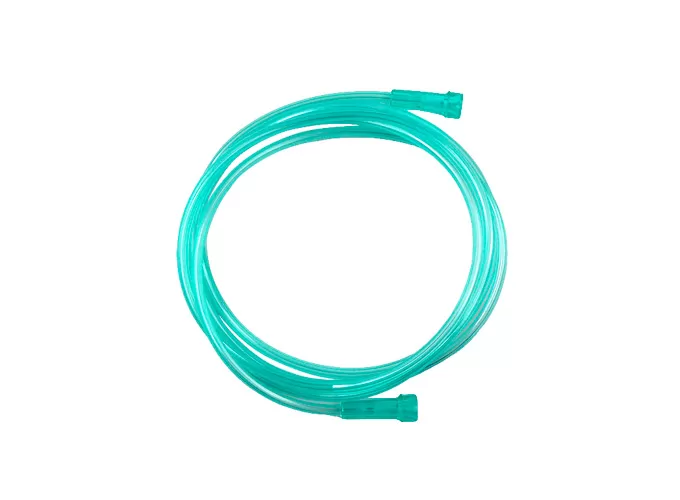
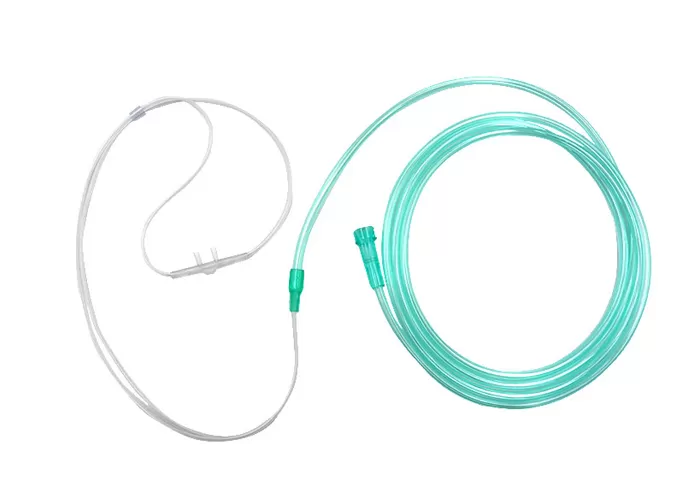
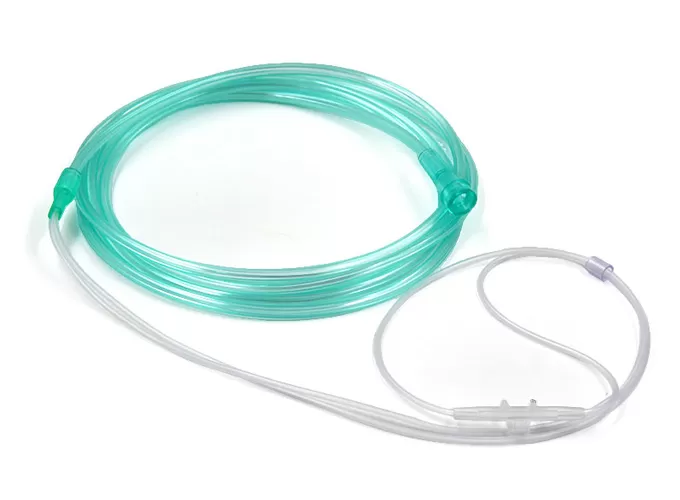
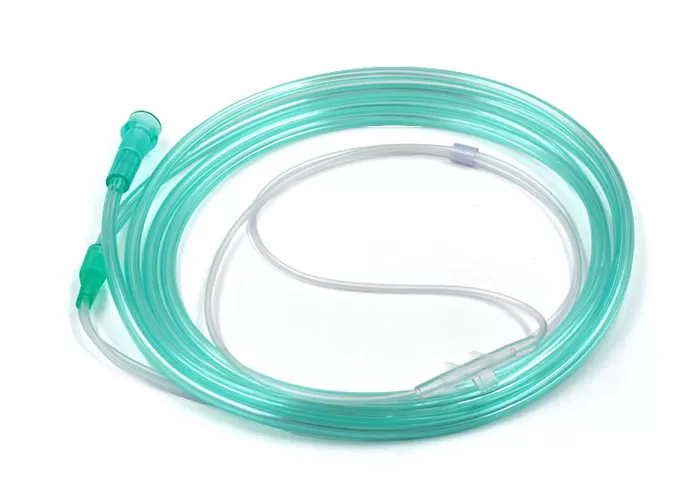
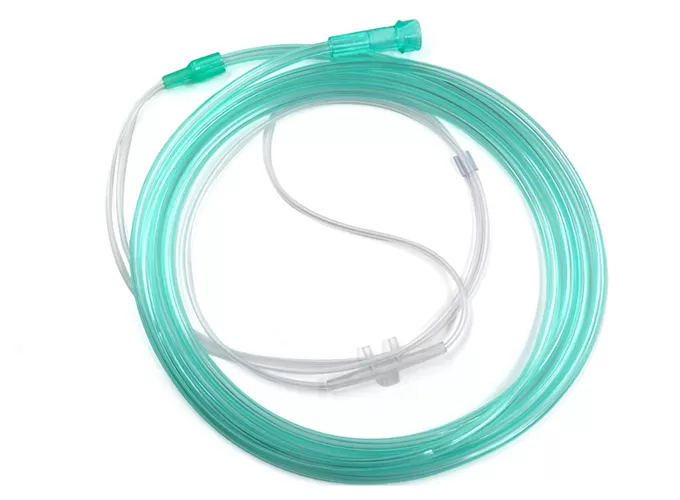
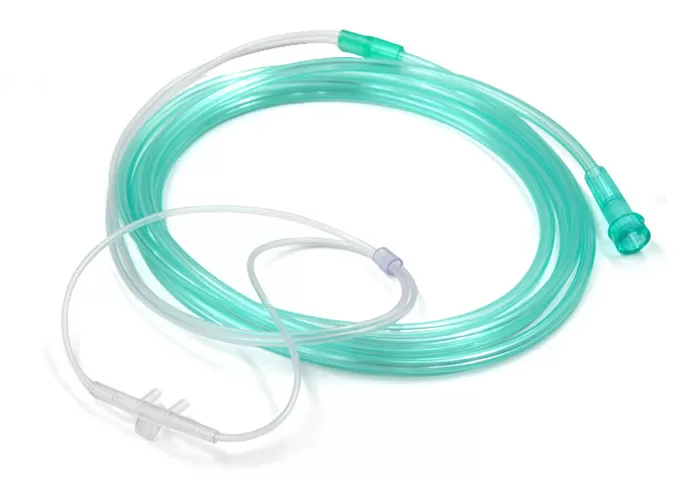
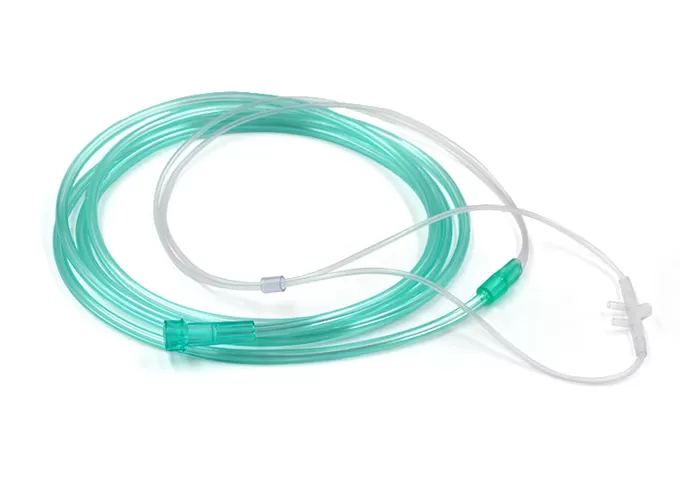
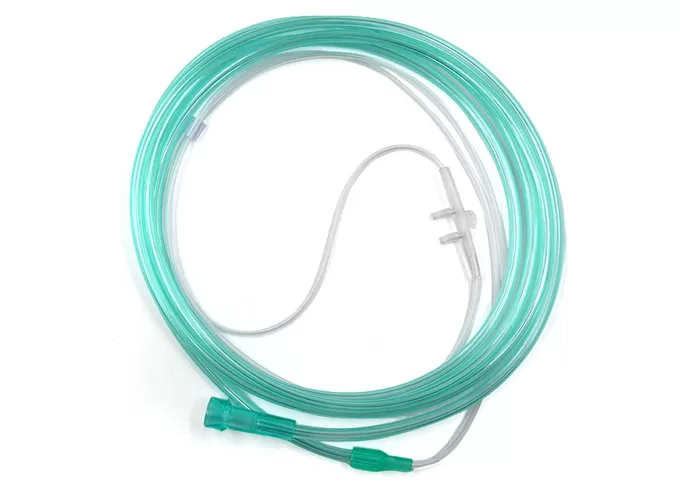
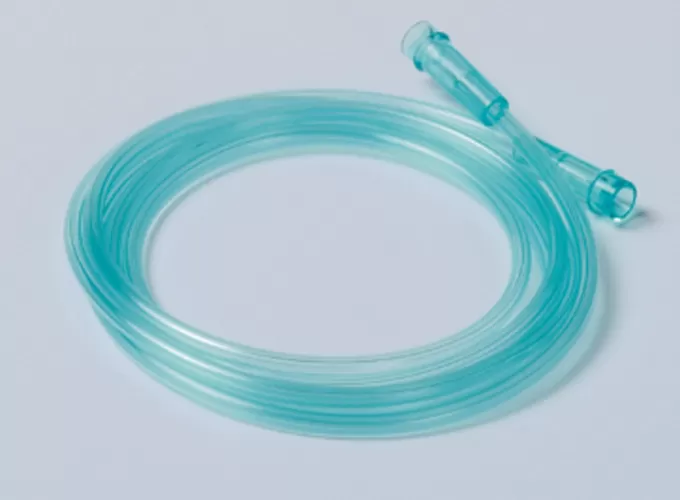
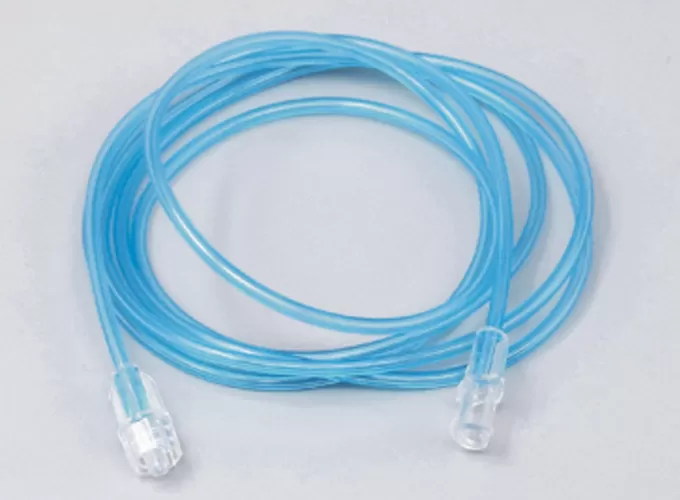
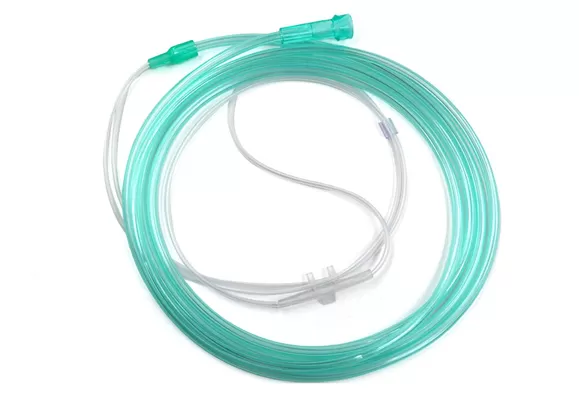
Oxygen tubing is a flexible, medical-grade plastic conduit used to deliver oxygen from a supply source to the patient. It connects devices such as oxygen masks, nasal cannulas, or humidifiers to oxygen cylinders or concentrators.
| Model | Oxygen Tube |
| Uesd | Size: XXS(Neonate) XS(Infant) S(Child) L(Adult) |
| Size | 1.5m, 2.1m, 2.8m, 5m, etc. |
| Material | PVC |
Made of clear, medical grade pve, with connector.
Color: green transparent, white transparent and light blue transparent is available.
Length: with 2m tubing, different length can be customized, Anti-crush tube can ensure oxygen followeven if the tube is kinked.
Packing: packed in individual pe pack. 50 pes/carton or 100pes/carton.
Medical-Grade PVC Construction
Made from non-toxic, latex-free, and transparent PVC, ensuring safety and patient comfort.
Flexible and Kink-Resistant Design
Soft tubing with anti-crush properties helps prevent flow interruption even with bending or pressure.
Standard Universal Connectors
Tapered ends or molded connectors are compatible with most oxygen delivery equipment.
Multiple Length Options
Available in various lengths (1.5m, 2.1m, 2.8m, 5m, etc.) to suit different clinical setups and patient mobility needs.
Star-Lumen or Multi-Channel Design (Optional)
Internal ribbing prevents collapse under pressure and maintains consistent oxygen flow.
Smooth Bore Inner Surface
Reduces flow resistance and prevents moisture buildup.
Sterile or Non-Sterile Packaging
Offered in sterile form for clinical procedures or non-sterile for homecare use.
Single-Use and Cost-Effective
Designed for disposable use to prevent cross-contamination.
Inspect the Tubing
Ensure the oxygen tubing is clean, untangled, and free from cracks or blockages before use.
Connect to Oxygen Source
Attach one end of the tubing to the oxygen supply outlet (e.g., oxygen concentrator, cylinder, or wall unit).
Attach to Delivery Device
Connect the other end to the oxygen delivery device, such as a nasal cannula, oxygen mask, or humidifier bottle.
Position the Tubing
Arrange the tubing to avoid kinks, compression, or sharp bends that could restrict airflow.
Turn on the Oxygen Flow
Open the oxygen source and adjust the flow rate to the prescribed level (e.g., 2–5 L/min).
Verify Proper Functioning
Confirm that oxygen is flowing through the tubing. Check for movement of bubbles if using a humidifier.
Monitor and Replace When Needed
Replace the tubing regularly (e.g., every 7 days or as per hospital protocol) to prevent contamination or performance issues.
1. Hospitals and Clinics
Used in emergency rooms, respiratory departments, pediatric units, and outpatient clinics for the treatment of asthma, COPD, bronchitis, and other respiratory conditions.
2. Home Healthcare Settings
Ideal for patients undergoing long-term respiratory therapy at home. The mask offers a convenient, user-friendly solution for self-administered nebulization under medical supervision.
3. Pediatric and Geriatric Care
Special sizes are available for infants, children, and elderly patients, ensuring safe and effective medication delivery across different age groups.
4. Emergency and Pre-Hospital Care
An essential part of respiratory kits in ambulances and mobile medical units. Provides rapid aerosolized medication delivery in acute respiratory distress cases.
5. Postoperative and Recovery Rooms
Supports patients with breathing difficulties during recovery after surgery or anesthesia, especially when aerosolized bronchodilators or steroids are required.
6. Nursing Homes and Rehabilitation Centers
Widely used for elderly patients with chronic respiratory diseases, helping manage symptoms and improve quality of life.
7. Temporary Medical Facilities and Field Hospitals
Applicable in disaster response scenarios, quarantine zones, or remote medical stations where portable and reliable respiratory equipment is needed.
8. High-Risk Infection Control Zones
Can be used in isolation rooms or COVID-related wards to administer medication while minimizing contact and cross-contamination risks.
Want to Get More Details About JCMED Medical Consumables?
We're waiting for your contact!