




Tel:
+86 022-8486 2925
A
No. Disposable surgical supplies (such as surgical gowns, gloves, and drapes) are designed for single use, and reuse increases the risk of infection.


The operating room infection control product series ensures a clean operating room environment, reduces infection risks, and ensures the safety of patients and medical staff through disinfection, sterile barriers, infection monitoring and other means.
The operating room infection control product series is widely used, covering multiple aspects such as personnel protection, environmental disinfection and monitoring, and equipment and item management.
Disposable protective supplies such as sterile surgical kits, surgical gowns, isolation gowns, masks, gloves, and shoe covers provide sterile protection for medical staff, prevent the spread of microorganisms, and reduce the risk of cross-infection. Medical disinfectants are used to disinfect and sterilize surgical instruments and instruments to ensure that surgical instruments are in a sterile state when in use, avoiding surgical infections caused by instrument contamination. Surgical brushes and antibacterial hand sanitizers are used for preoperative hand disinfection to reduce the risk of infection.
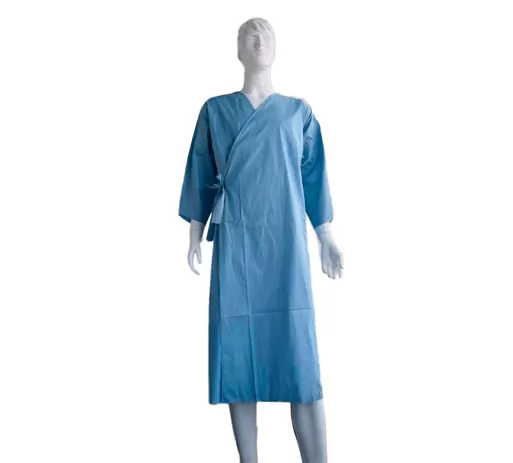
Sterile surgical gowns: must undergo strict sterilization treatment. Common sterilization methods include ethylene oxide sterilization, high-pressure steam sterilization, etc. After sterilization, they must also undergo strict testing to ensure that the indicators of microorganisms, bacteria, etc. on the surgical gowns meet the sterility standards.
Ordinary surgical gowns: generally only undergo ordinary washing and disinfection treatment, such as soaking in disinfectants or conventional high-temperature washing, etc. This disinfection method cannot completely achieve the sterility level, but can only reduce the number of microorganisms such as bacteria.

Sterile surgical gowns: mainly used for operations with extremely high sterility requirements, such as heart surgery, cranial surgery, organ transplant surgery, orthopedic implant surgery, etc. In these operations, any tiny bacterial contamination may lead to serious infection complications, affecting the surgical effect and patient prognosis.
Ordinary surgical gowns: mostly used in ordinary surgical environments or operations with relatively low sterility requirements, such as general outpatient minor operations, dressing room operations, and ordinary surgical debridement operations.

Sterile surgical gowns: Excellent in blocking bacteria, viruses and preventing liquid penetration, can provide a comprehensive and reliable sterile barrier for surgical personnel and surgical areas, and reduce the risk of cross-infection during surgery. Some sterile surgical gowns also have anti-static, waterproof, breathable and other functions to meet different surgical needs.
Ordinary surgical gowns: The protective performance is relatively weak, mainly playing a certain isolation role, reducing direct contact between the human body and the external environment in daily operations, but it is difficult to completely block the penetration of bacteria and liquids, and cannot provide sufficient protection when facing high-risk surgical scenarios.
No. Disposable surgical supplies (such as surgical gowns, gloves, and drapes) are designed for single use, and reuse increases the risk of infection.
When choosing a supplier, you need to consider: whether the product complies with international standards such as ISO and CE certification; the supplier's after-sales service and technical support capabilities, as well as user reputation and market share.
Store in a clean environment away from dust, chemicals and pollution sources, with the temperature controlled at 10-25℃ and humidity below 60%. Ensure that the storage area is well ventilated to avoid odor and mold growth. (The original packaging should be kept intact to avoid damage)
Standard: The packaging should be intact, without damage, stains, or air leakage.
Inspection method:
Observe whether the packaging has tears, holes, or indentations.
Check whether the sealing strip is intact, especially the sealing of sterile packaging.
Confirm whether the sterilization indicator label (such as chemical indicator strip) on the packaging is qualified (the color change meets the requirements).

Want to Get More Details About JCMED Medical Consumables?
We're waiting for your contact!