
English
JCMED(TIANJIN) IMPORT&EXPORT CO., LTD.

Nasopharyngeal Tube for Sale

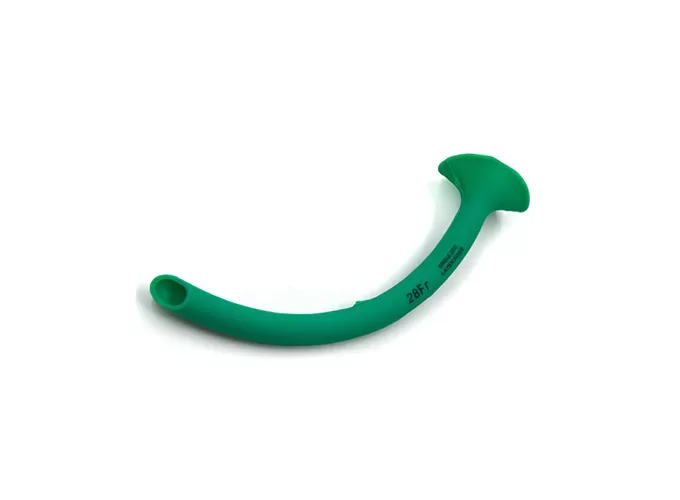
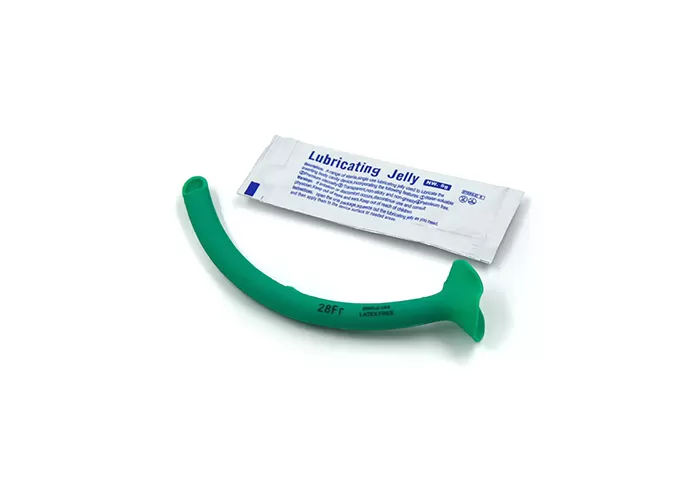
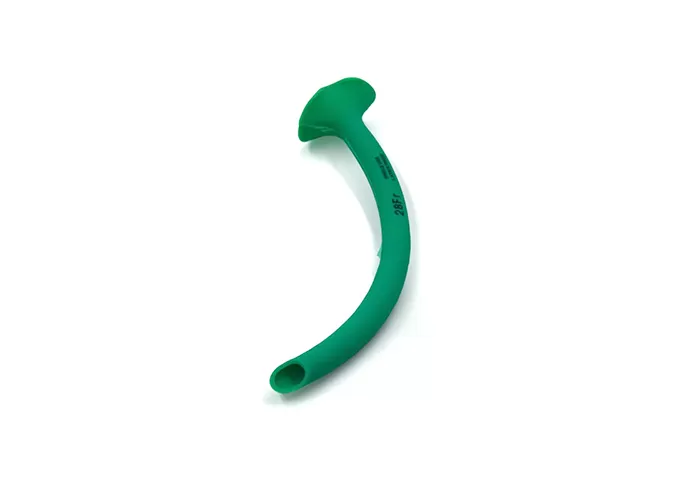
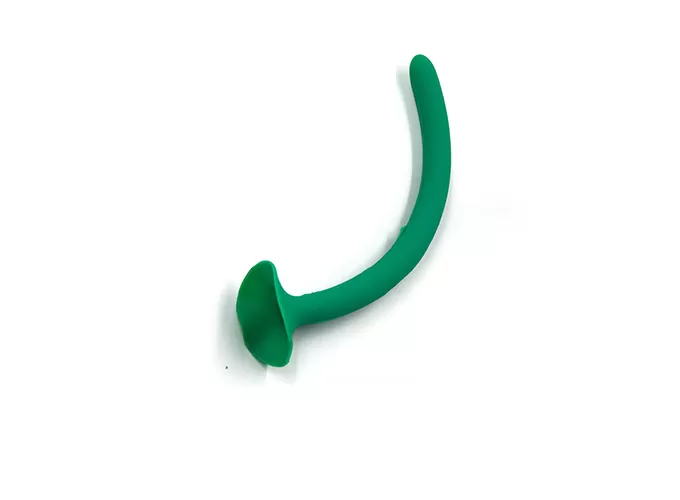
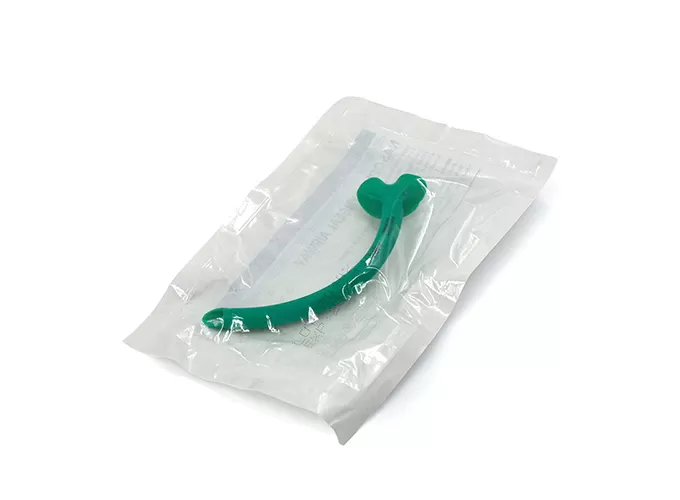
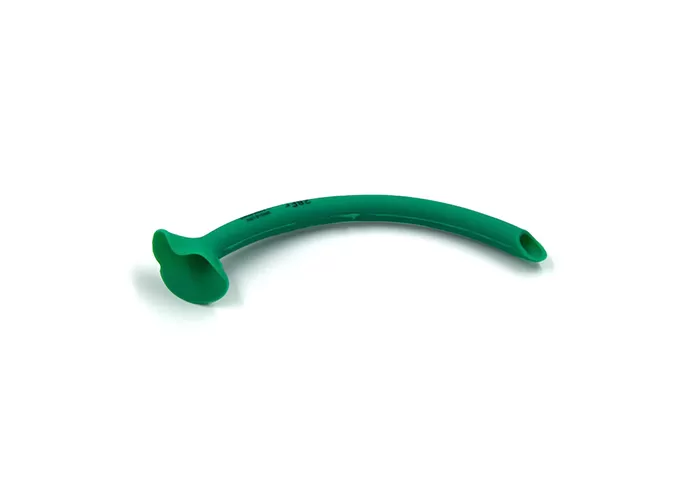
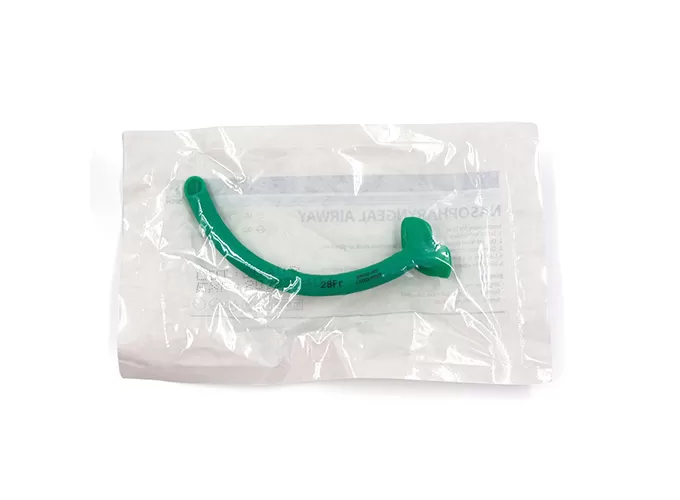
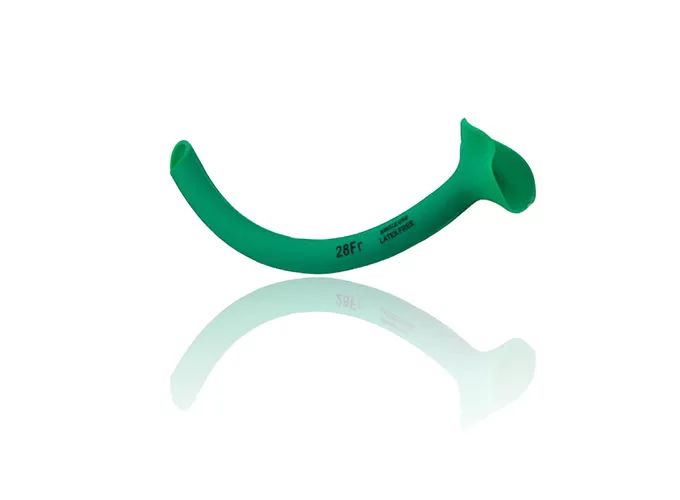
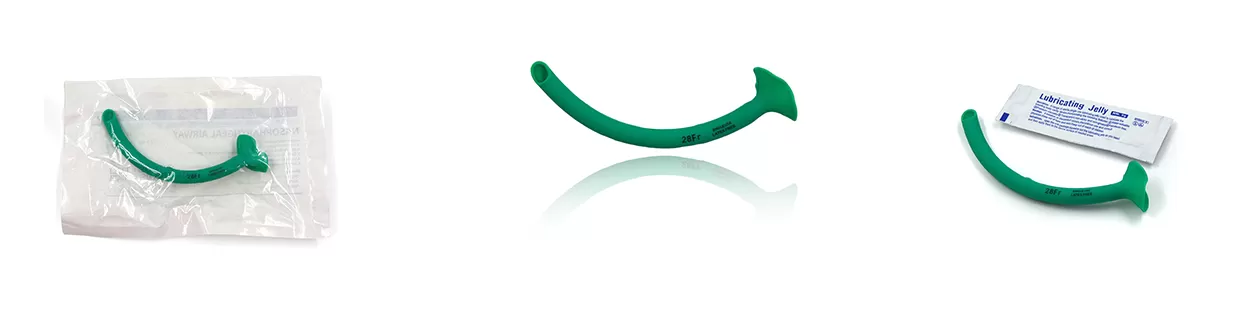
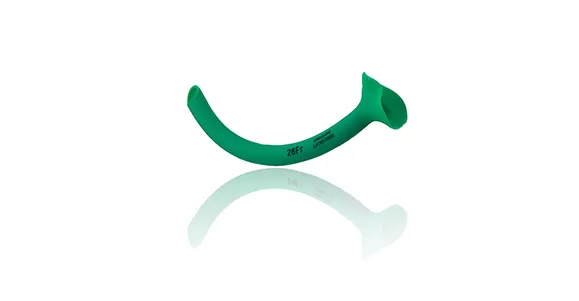
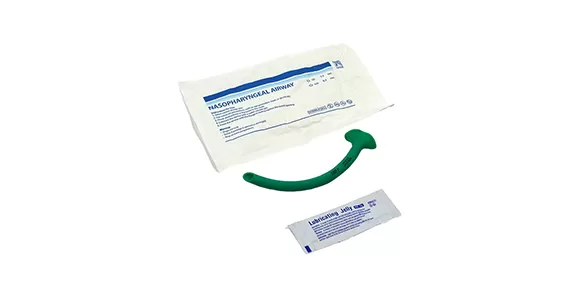
Nasopharyngeal Airway (NPA) is a soft, flexible tube inserted through the nostril into the nasopharynx to maintain an open airway. It is commonly used in conscious or semi-conscious patients who require airway support but cannot tolerate an oropharyngeal airway.

Get A Quote

Specifications of Nasopharyngeal Tube


ModelNasopharyngeal Airway (NPA)
Size:2.5-9mm
MaterialPVC

Size: 2.5mm-9mm

Nasopharyngeal Airway (NPA) is a soft, flexible tube inserted through the nostril into the nasopharynx to maintain an open airway. It is commonly used in conscious or semi-conscious patients who require airway support but cannot tolerate an oropharyngeal airway.


Steps for Using  a Nasopharyngeal Tube

steps-for-using--a-nasopharyngeal-tube.png

✅ Nasopharyngeal Airway (NPA) – Step-by-Step Instructions

1. Patient Assessment

Ensure the patient has spontaneous breathing but may have partial airway obstruction.

Confirm the presence of a gag reflex (avoid using an oropharyngeal airway in such cases).


2. Select the Correct Size

Choose the appropriate NPA based on patient size and age.

The ideal length is from the tip of the nose to the earlobe (or angle of the mandible).


3. Inspect and Prepare the Device

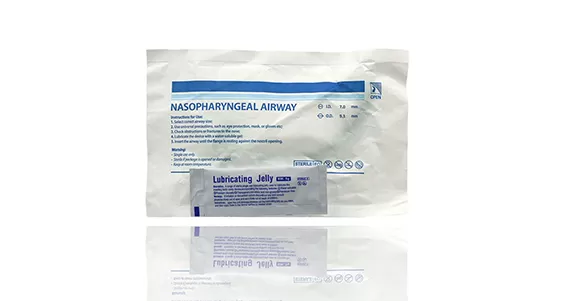
Check the airway for packaging integrity and expiration date.

Ensure the lumen is clear and undamaged.


4. Lubricate the Airway

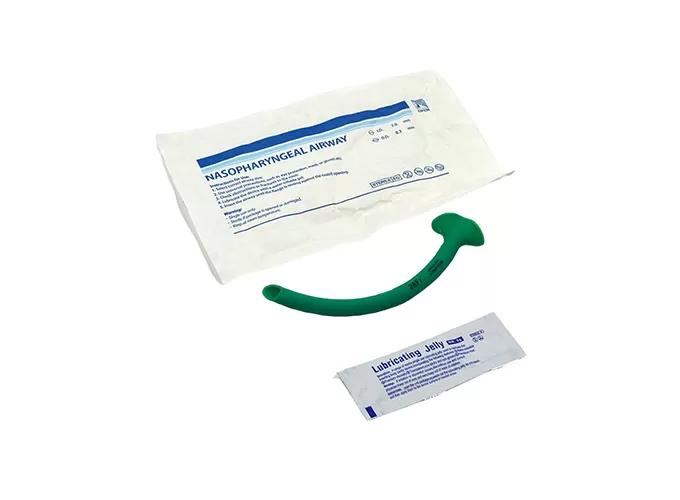
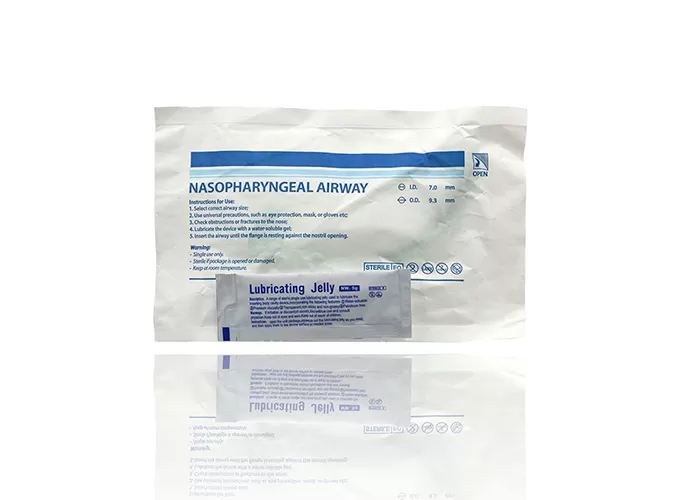
Apply a water-soluble lubricant generously to the entire outer surface of the NPA.

Do not use petroleum-based lubricants.


5. Position the Patient

Place the patient in a neutral or slightly extended head position.

Use the sniffing position if possible.


6. Insert the NPA

Gently insert the airway into the larger or more patent nostril.

Bevel should face the nasal septum (inward).

Advance the tube following the natural curve of the nasal passage—do not force it.


7. Confirm Placement

Observe for unobstructed airflow and chest rise.

Patient should be able to breathe through the device without resistance.

Listen for airflow and monitor oxygen saturation.


8. Secure the Device

The flared end should rest against the nostril to prevent inward displacement.

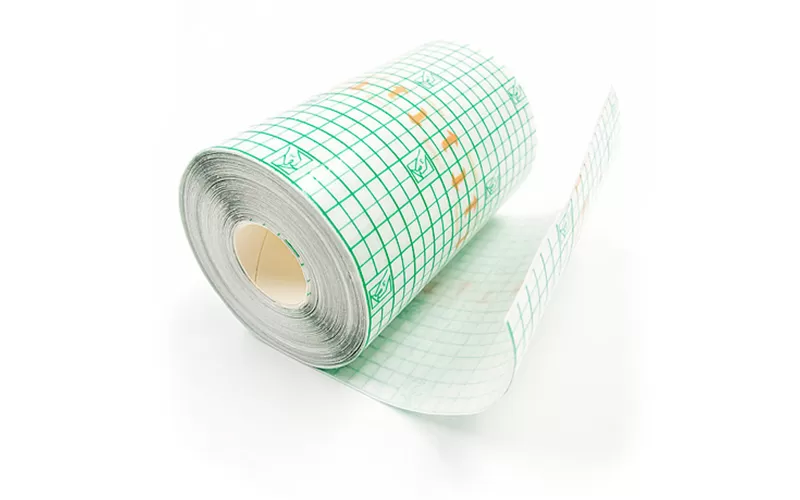
Tape may be used if necessary, especially during transport or extended use.


9. Monitor and Reassess

Continually monitor airway patency and patient comfort.

Remove or replace if the tube becomes blocked, dislodged, or no longer needed.


10. Disposal (if single-use)

Discard in a biohazard container according to hospital protocol.

Reusable NPAs should be reprocessed as per manufacturer guidelines.


Applicable Scenarios of Nasopharyngeal Tube
applicable scenarios of nasopharyngeal tube 2
applicable scenarios of nasopharyngeal tube 1

✅ Applications of Nasopharyngeal Airway (NPA)

  • Emergency Airway Management

    Used in prehospital and in-hospital emergency care to maintain airway patency in semi-conscious patients.


  • Patients with Intact Gag Reflex

    Ideal for conscious or semi-conscious patients who cannot tolerate an oropharyngeal airway due to a strong gag reflex.


  • Trauma and Maxillofacial Injuries

    Used when oral access is difficult or contraindicated due to facial trauma or jaw fractures.


  • Seizure or Stroke Patients

    Helps maintain a clear airway in patients with altered consciousness during seizures or neurological emergencies.


  • Anesthesia and Preoxygenation

    Employed during preoperative care or sedation to ensure airway patency, especially in patients at risk of obstruction.


  • Sleep Apnea and Snoring Management (Off-label use)

    Sometimes used in sleep studies or short-term management of upper airway obstruction during sleep.


  • EMS / Ambulance Use

    Common in emergency kits carried by paramedics and first responders for rapid airway support in the field.


  • Oxygen Delivery Assistance

    Some NPAs are compatible with oxygen tubing for supplemental oxygen in spontaneously breathing patients.


Features of Nasopharyngeal Tube
  • Soft and Flexible Construction

    Made of medical-grade silicone or PVC, ensuring patient comfort and minimizing nasal trauma during insertion.

  • Beveled Distal Tip

    Smooth, angled tip allows for easy insertion and reduces risk of mucosal injury.

  • Flared Proximal End

    Prevents the airway from being inserted too deeply and ensures safe positioning at the nostril entrance.

  • Latex-Free and Biocompatible

    Safe for use in sensitive patients; reduces the risk of allergic reactions.

  • Available in Multiple Sizes

    Color-coded or size-labeled (e.g., French size or mm ID) to fit pediatric and adult patients.

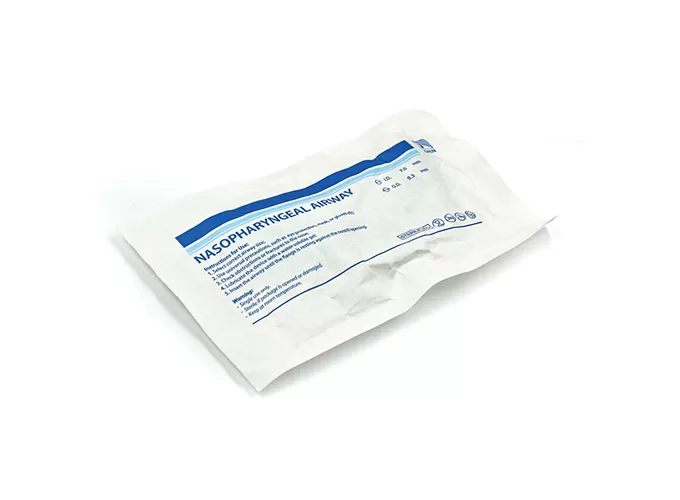
  • Disposable and Sterile

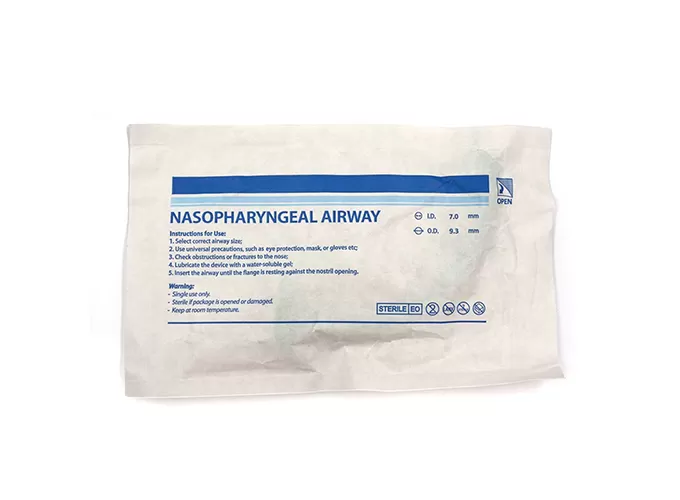
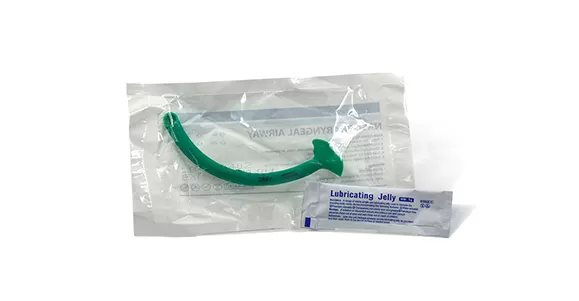
    Single-use packaging to maintain hygiene and avoid cross-contamination in emergency and clinical settings.

  • Maintains Airway Patency

    Keeps the upper airway open in semi-conscious or conscious patients who have a gag reflex and cannot tolerate oropharyngeal airways.

  • Use in Prehospital and In-Hospital Settings

    Widely used by EMS personnel, anesthesiologists, and emergency departments.

  • MRI-Safe (If Metal-Free)

    Non-metallic NPAs can be safely used in MRI environments.

  • Easy Integration with Oxygen Devices (Optional)

    Some designs come with oxygen delivery ports or connectors for supplemental oxygen therapy.


Get In Touch With JCMED
CONTACT JCMED

Want to Get More Details About JCMED Medical Consumables?

We're waiting for your contact!