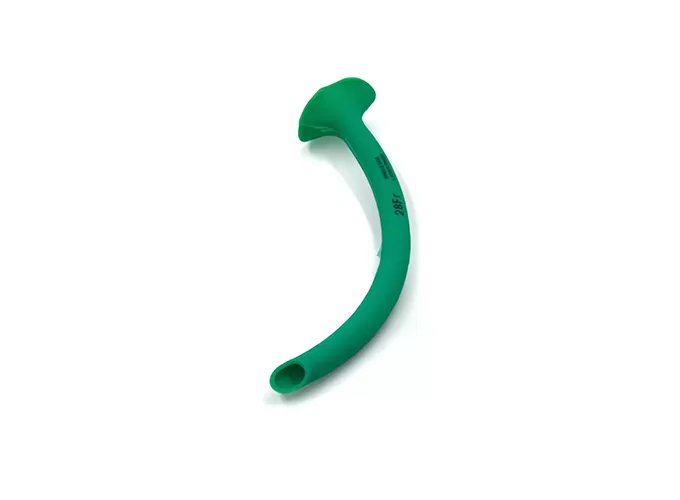
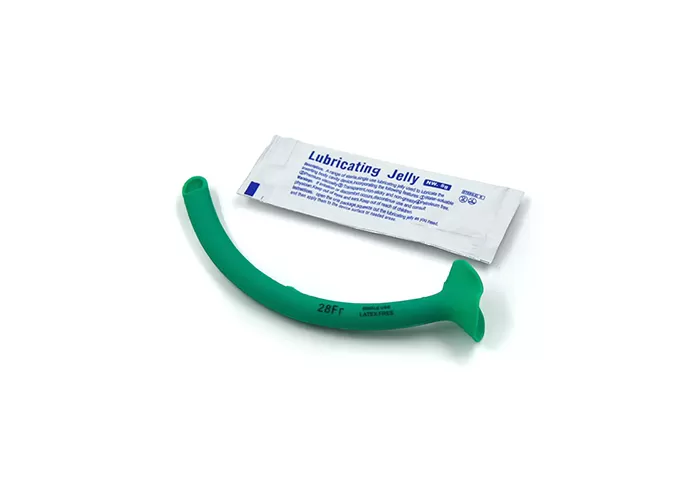
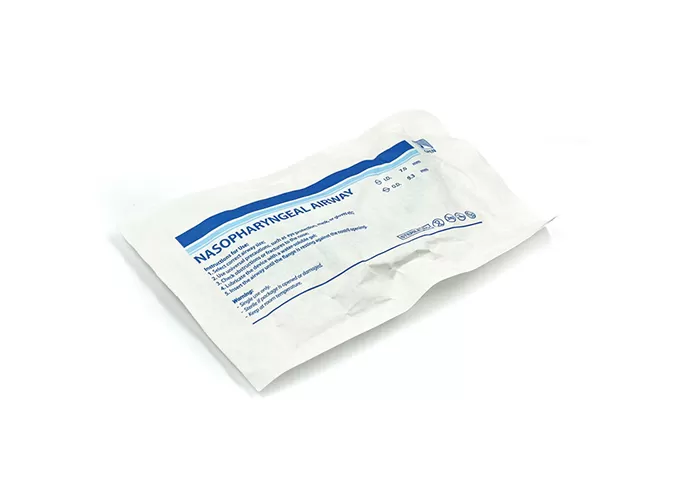
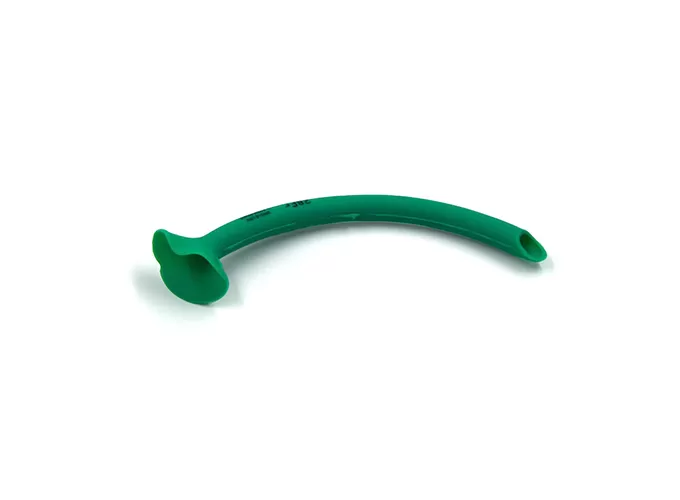
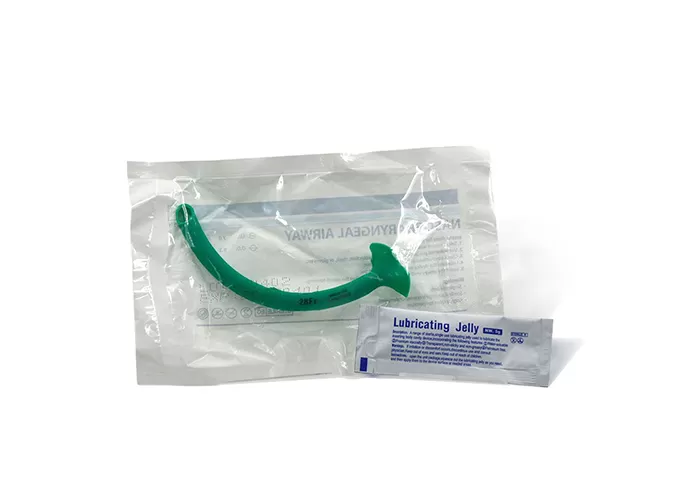
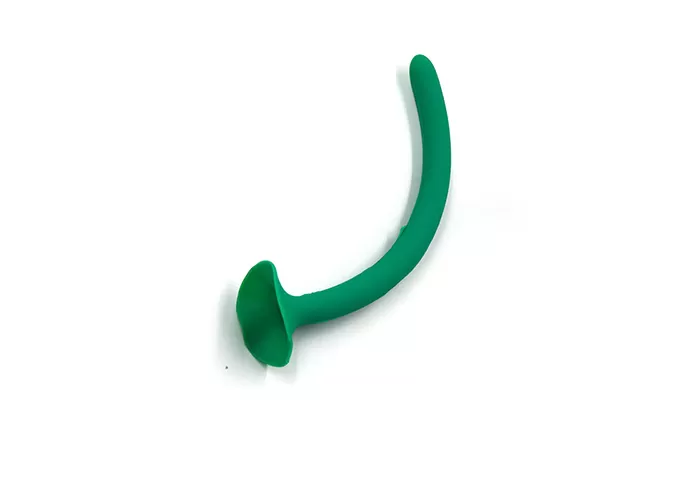
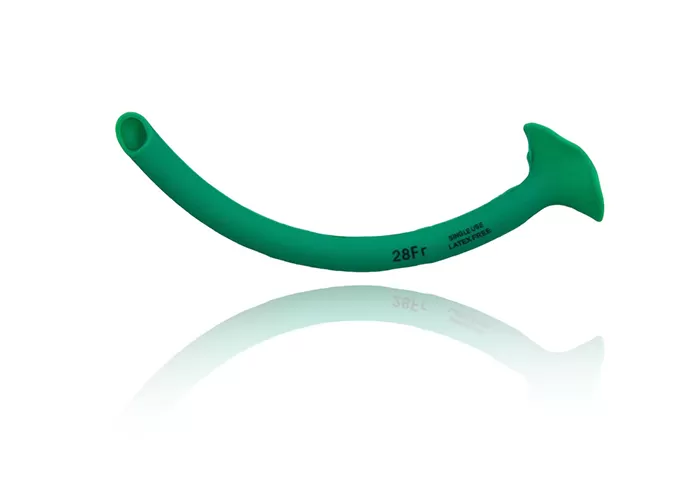
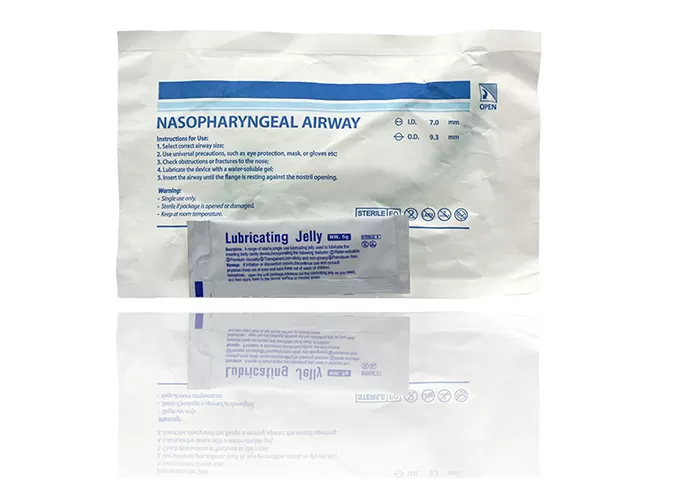
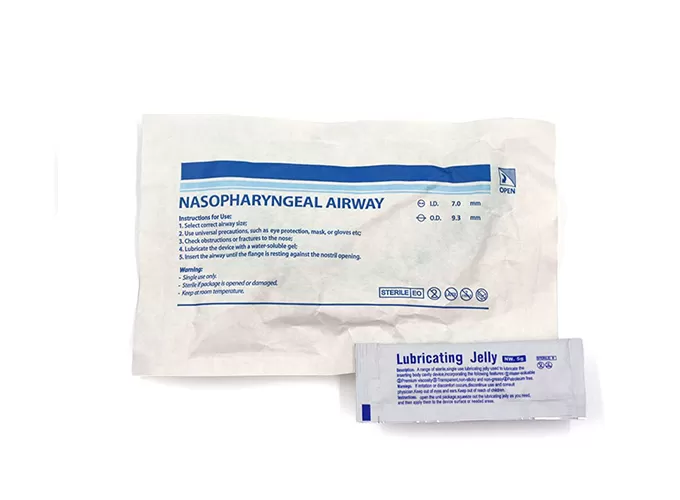
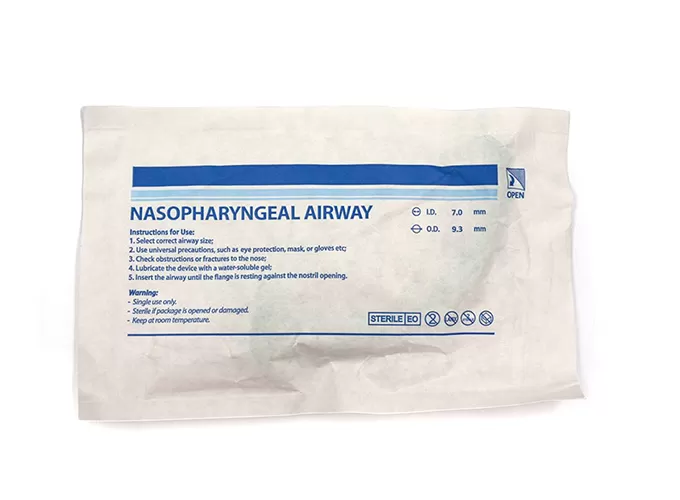
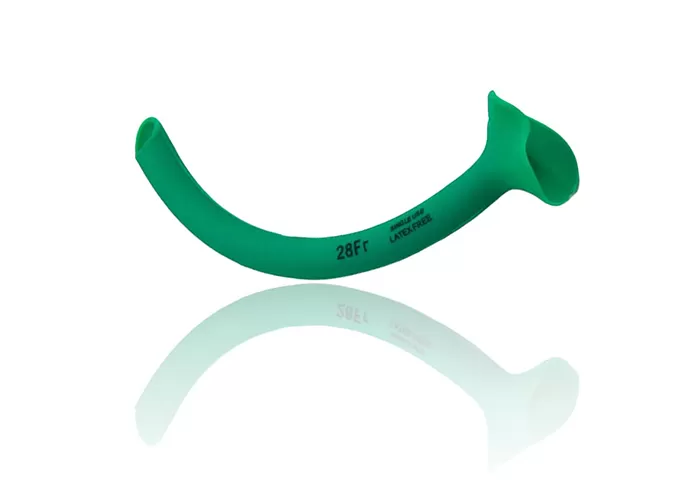
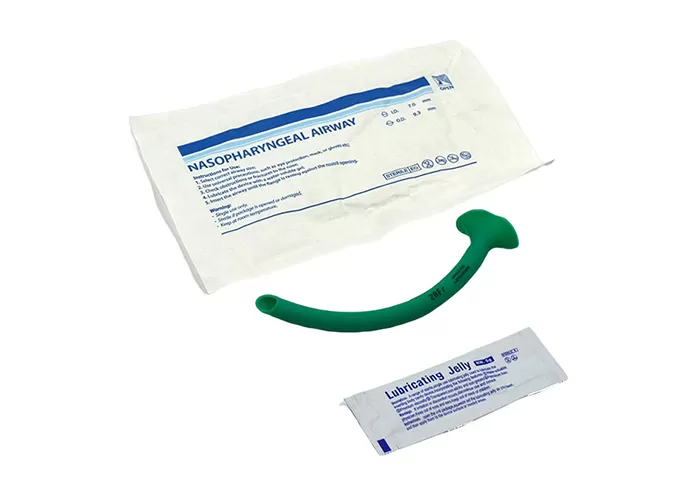
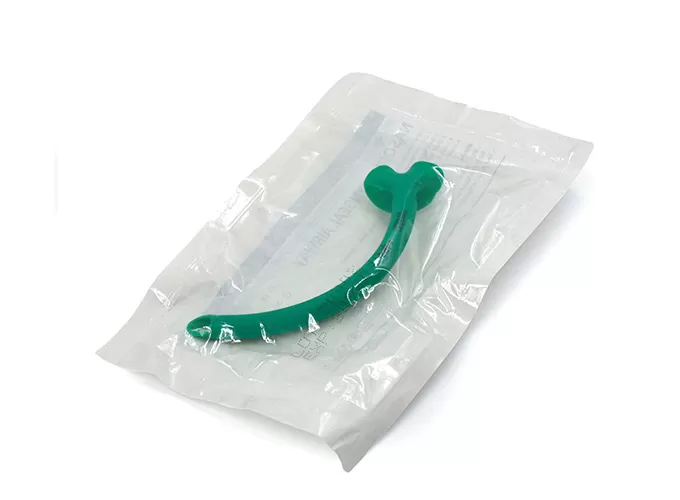
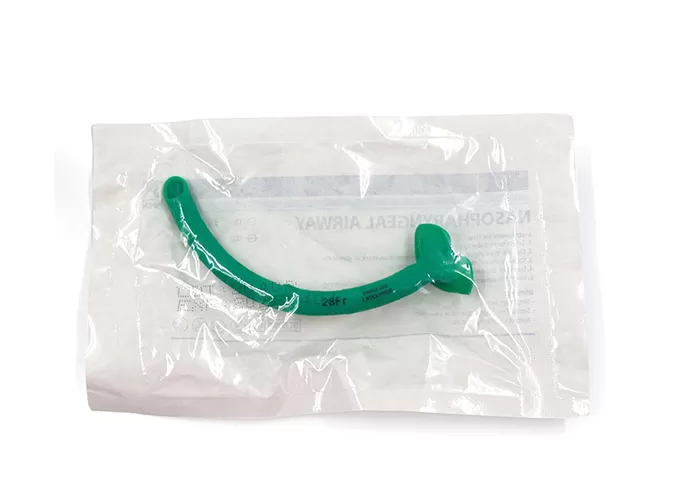
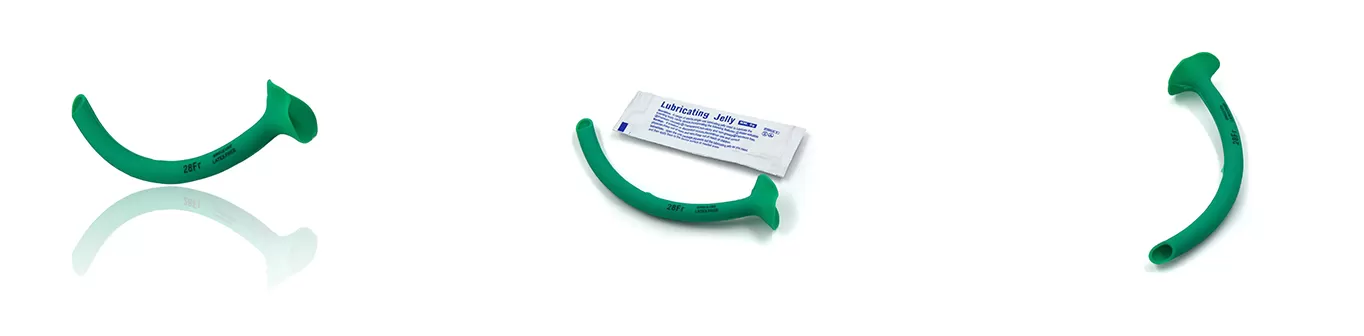
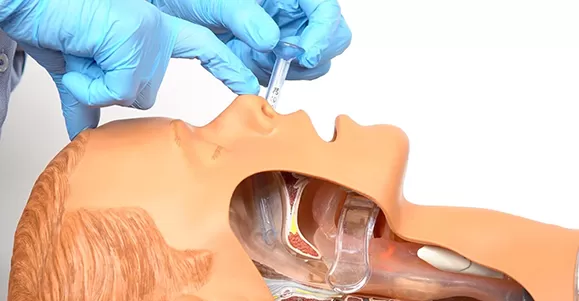
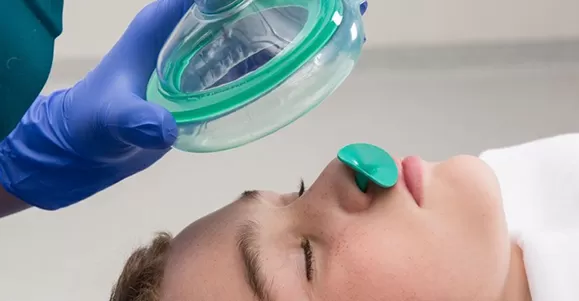
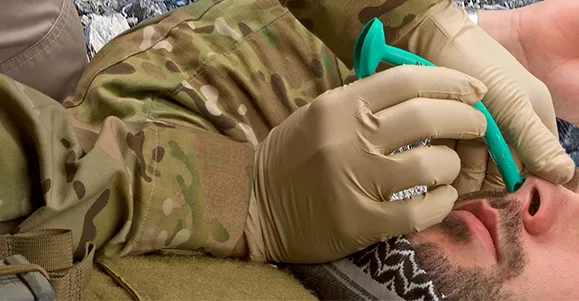
The nasopharyngeal airway is an artificial airway device designed to be inserted into the patient's nasal cavity, mainly used to maintain airway patency during emergency situations or medical procedures. Its unique flared end design effectively prevents the tube from sliding completely into the nasal cavity, ensuring that the device is always in a safe position. The tube is made of medical-grade soft latex-free plastic material, with a round tip and flexible tube body, which can achieve gentle insertion and maximize patient comfort.
The product has many humanized design features: fixed flanges ensure stable positioning, internal striped airways facilitate suction operations, and dual-channel structure allows suction catheter insertion without the tube shifting. The semi-rigid polyethylene material enables it to automatically adapt to the anatomical curves of the pharynx while maintaining a smooth ventilation path. The surface of the tube is printed with clear millimeter scales, which makes it easy for medical staff to quickly identify the size.
As an economical and practical airway management tool, the nasopharyngeal airway is particularly suitable for airway maintenance in anesthetized or comatose patients. Its smooth rounded edge design and reinforced tube body reduce the risk of tissue damage and ensure structural integrity during insertion. The product is available in a variety of sizes from FR20 to FR36, and is equipped with a special lubricating paste to meet the clinical needs of patients of different ages. The disposable feature can also effectively avoid the risk of cross infection.
| Nasopharyngeal Airway | |||
| FR | Inner Diameter (mm) | Outer Diameter (mm) | Length (mm) |
| 20 | 4.5 | 6.7 | 100 |
| 22 | 5.0 | 7.3 | 105 |
| 24 | 5.5 | 8.0 | 105 |
| 26 | 6.0 | 8.7 | 110 |
| 28 | 6.5 | 9.3 | 117 |
| 30 | 7.0 | 10.0 | 118 |
| 32 | 8.7 | 10.7 | 140 |
| 34 | 9.0 | 11.3 | 155 |
| 36 | 9.4 | 12.0 | 170 |

How to use
Choose the appropriate nasopharyngeal tube size according to the patient's condition
The patient lies on his back with his head tilted back slightly (when there is no cervical spine injury) to facilitate catheter insertion.
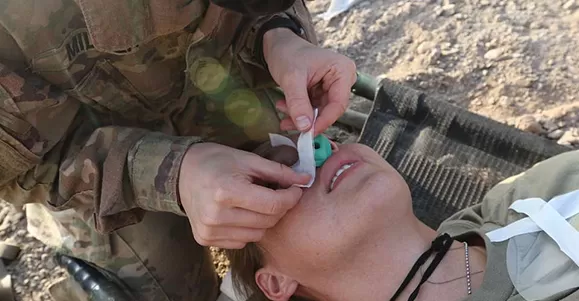
Hold the nasopharyngeal tube and slowly push it in the direction of the bend toward the nasal septum or along the bottom of the nasal cavity.
Push the proximal end (bell mouth) of the tube close to the nostril to ensure that the end reaches the pharynx.
Observe whether the patient's breathing improves and auscultate whether the breath sounds are unobstructed.
Check whether the tube is firmly fixed to avoid slipping or entering the esophagus.
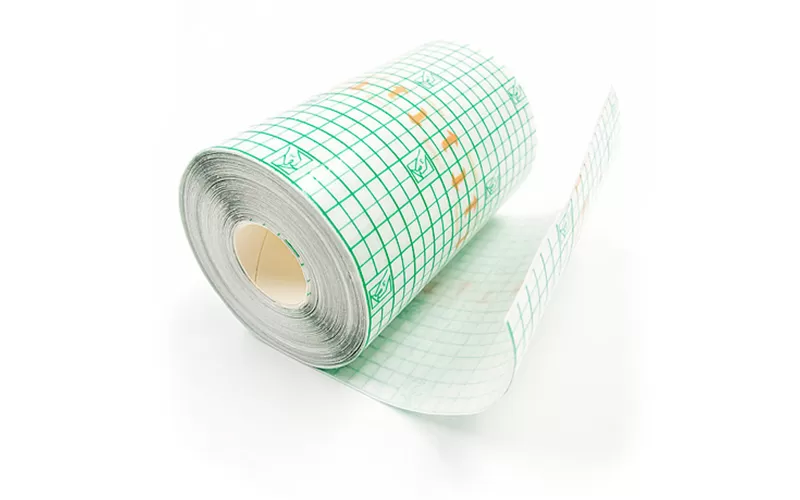
Fix the nasopharyngeal tube to the nose or face with tape to prevent displacement.
Precautions:
Avoid using it in patients with skull base fractures or severe nasal injuries.
Be gentle during operation to reduce the risk of nasal mucosal bleeding.
For single use, avoid repeated disinfection to prevent infection.
1. Safe and non-slip design
The trumpet-shaped end effectively prevents the catheter from sliding into the deep nasal cavity, ensuring that the device is always fixed in a safe position and reducing the risk of aspiration.
2. Soft and comfortable material
Made of latex-free plastic, it is highly flexible, reduces irritation to the nasal mucosa, and improves patient tolerance and comfort.
3. Dual-channel efficient ventilation
The unique dual-channel structure ensures that the airway can still be open during suction or intubation, improving the efficiency of emergency and anesthesia management.
4. Semi-rigid and easy to shape
The semi-rigid polyethylene material can automatically fit the curve of the pharynx to ensure airway patency, while facilitating precise insertion and adjustment.
5. Reduce tissue damage
The smooth and rounded edge design reduces friction during insertion, avoids damage to the nasal mucosa, and improves safety of use.
6. Clear size markings
The catheter is marked with millimeter scales, which makes it convenient for medical staff to quickly select the appropriate size and shorten emergency preparation time.
7. Multiple specifications and wide application
A variety of sizes are available (FR20-FR36 or 40-100mm), covering the needs of patients of different ages, with strong adaptability.
8. Disposable and anti-infection
The disposable design eliminates the risk of cross-contamination, meets the hospital infection control standards, and ensures patient safety.
9. Convenient and efficient operation
It comes with lubricating cream and striped inner wall to simplify the insertion and suction process, suitable for emergency rescue and daily care scenarios.
Scope of Application
Emergency airway management
Establish a temporary airway for patients with coma or retroglostic tongue to avoid the risk of suffocation.
Anesthetic auxiliary application
Maintain airway patency during general anesthesia induction to prevent tongue root obstruction.
Postoperative airway maintenance
Short-term retention during anesthesia recovery to ensure safe ventilation.
Patients with neurological diseases
Maintain airway patency during muscle weakness and epileptic seizures.
Suction operation channel
The dual-channel design facilitates the insertion of a suction tube to clean up secretions.
Contraindications
It is contraindicated for patients with skull base fractures and severe nasal trauma.
Want to Get More Details About JCMED Medical Consumables?
We're waiting for your contact!