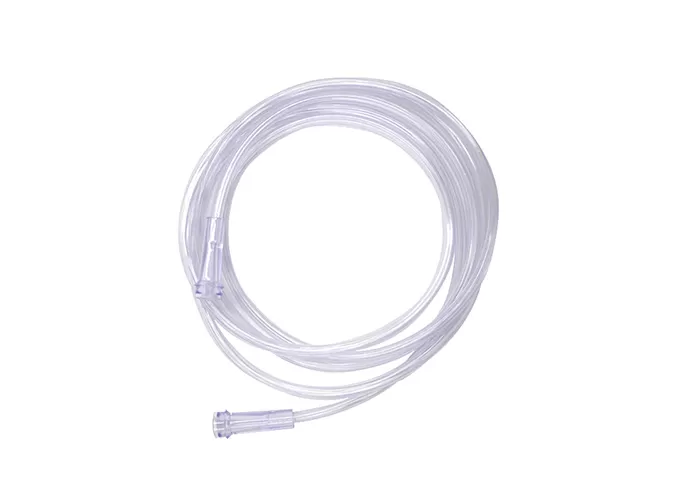
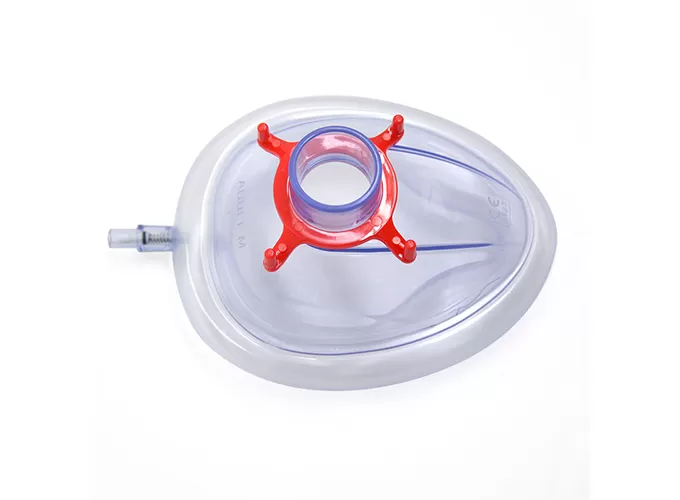
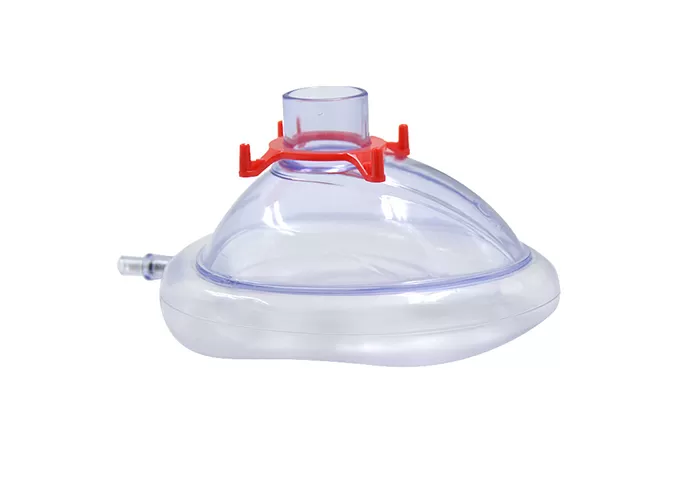
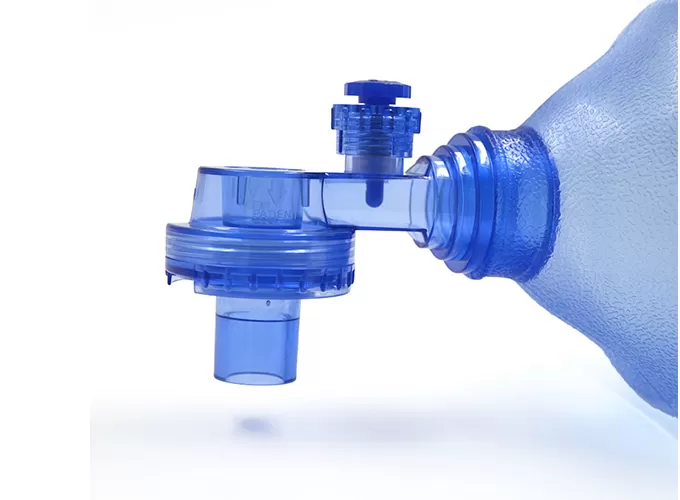
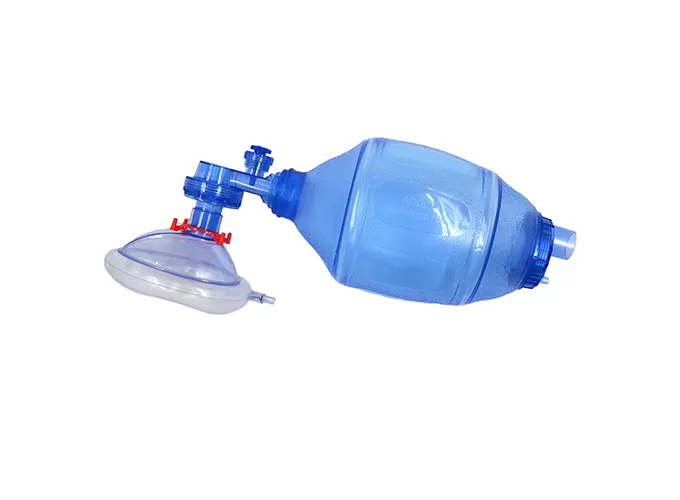
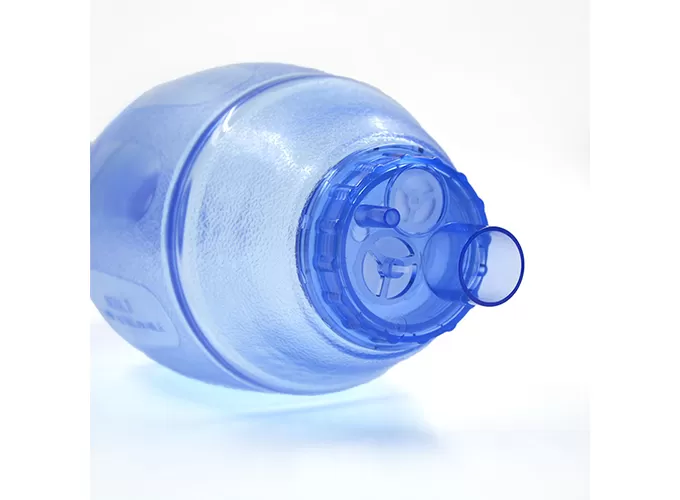
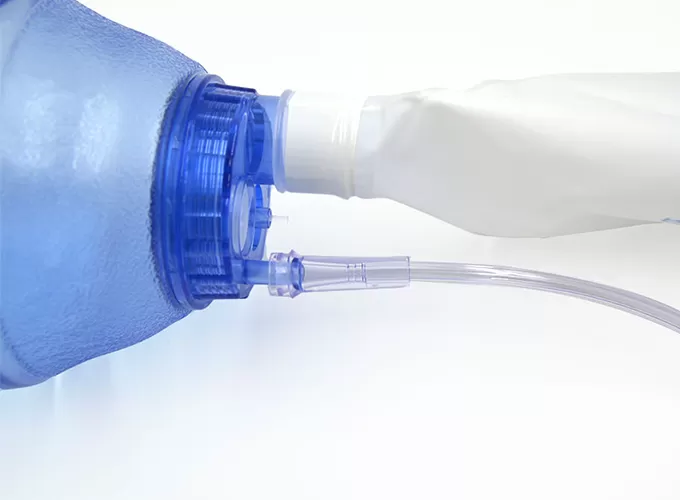
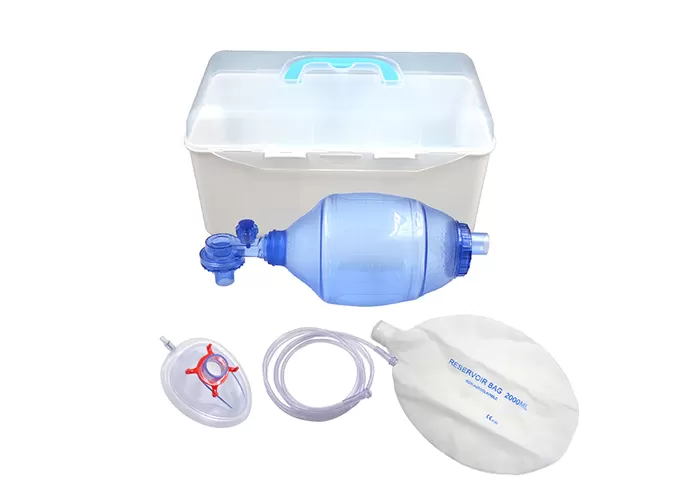
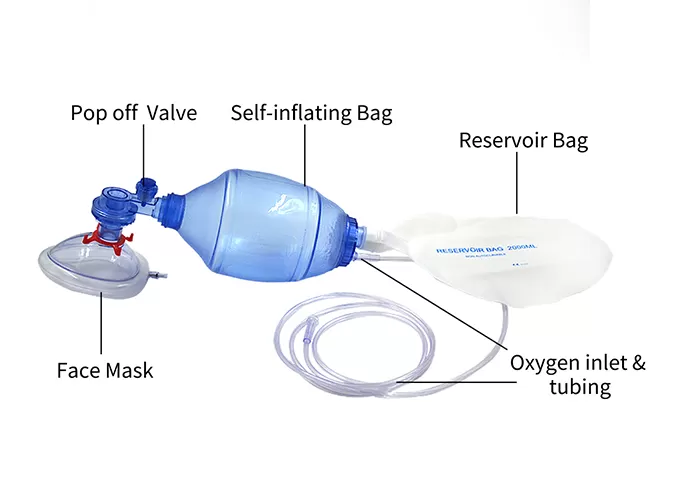
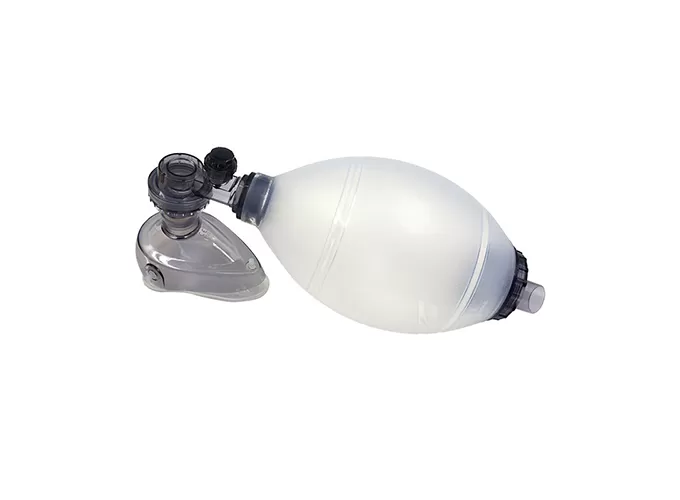
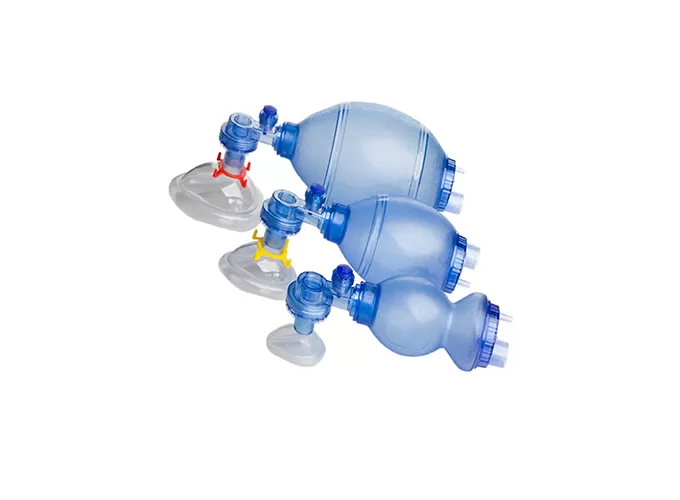
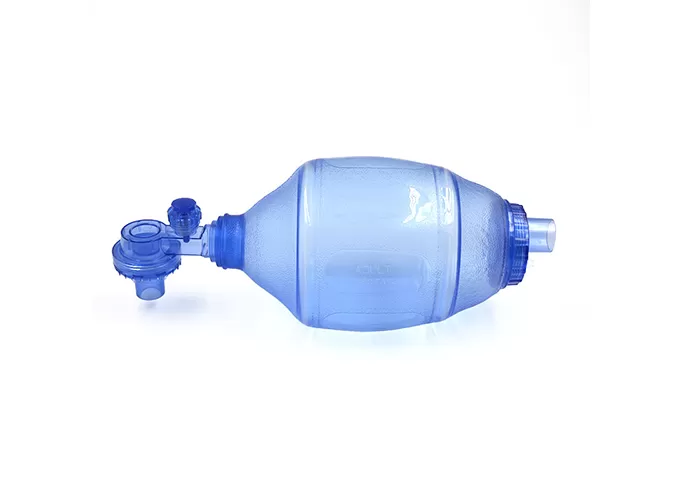
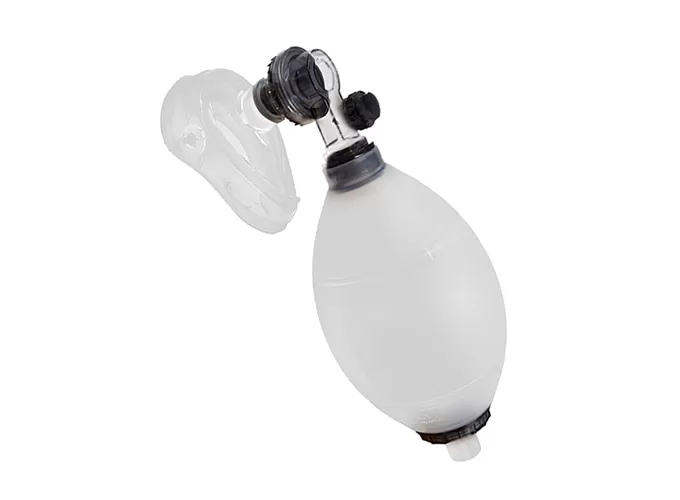
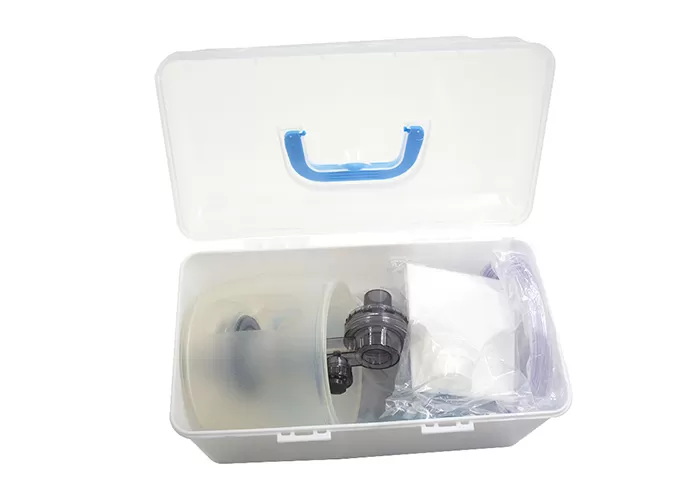
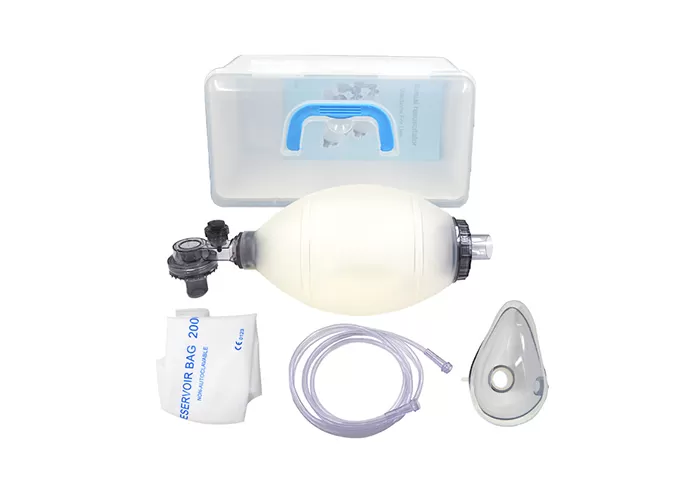
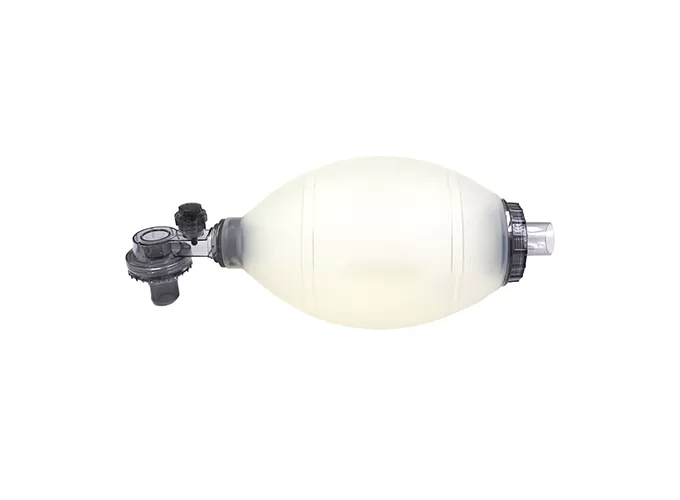
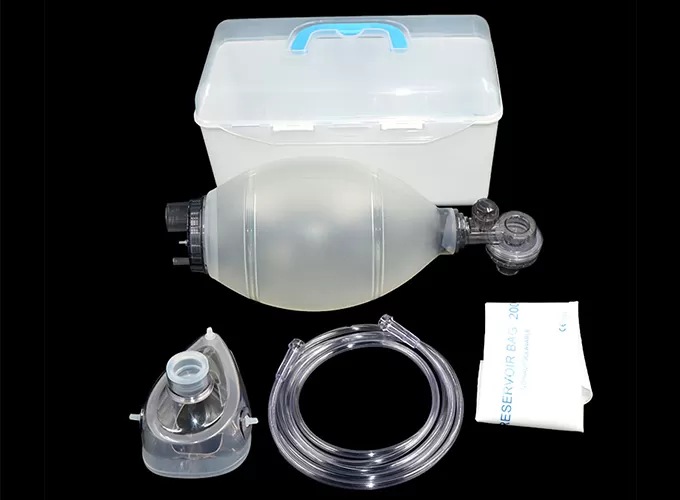
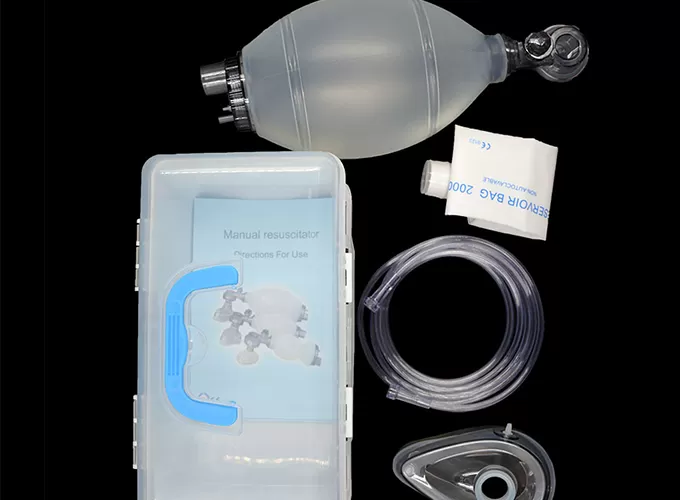
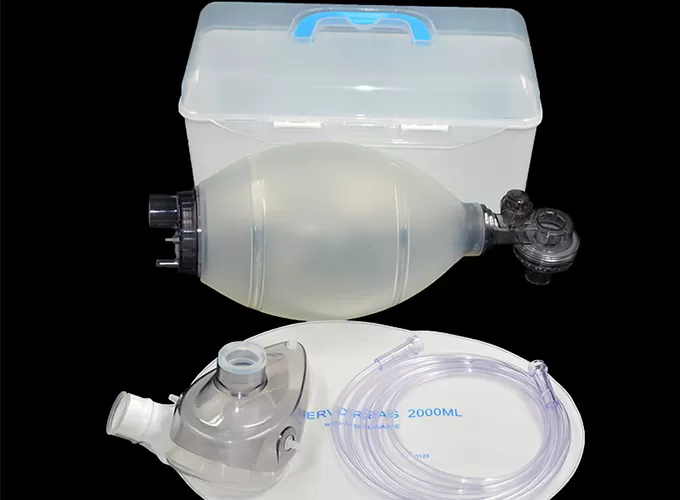
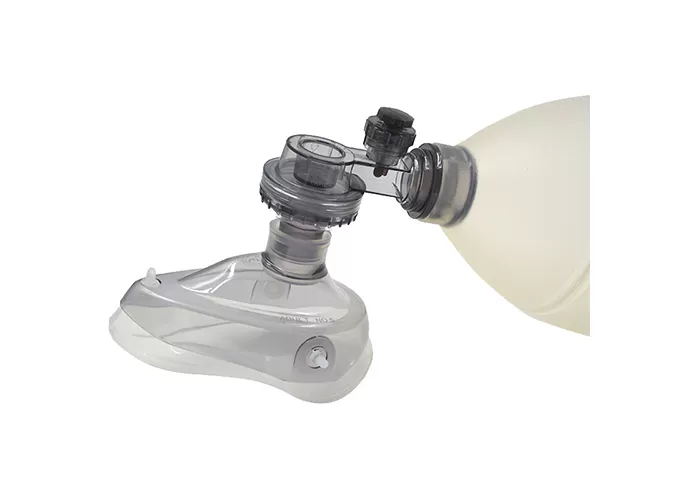
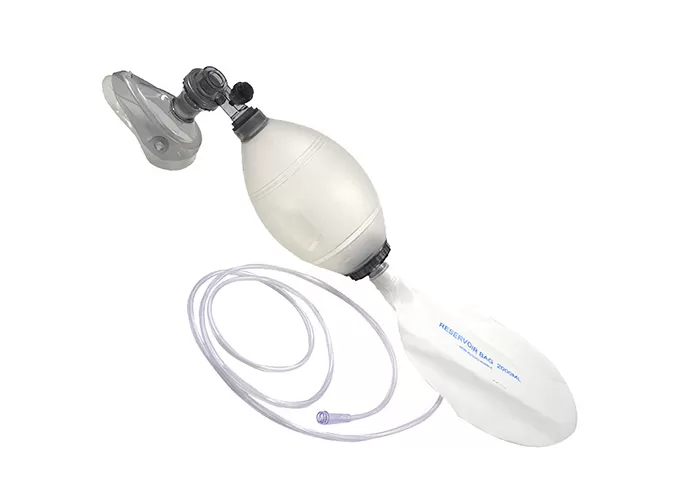
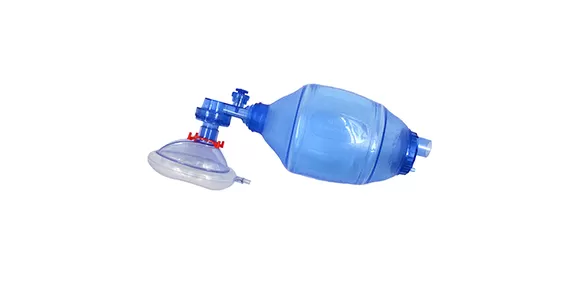
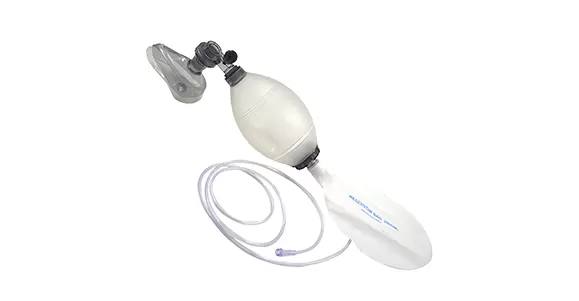

A manual resuscitator (also known as an Ambu bag) is a medical device used to assist or replace a patient's spontaneous breathing in an emergency. It is mainly composed of a bag, an adapter, and a one-way valve. Air or oxygen is delivered to the patient's lungs by manually squeezing the bag. It is suitable for situations where respiratory arrest, breathing difficulties, or temporary ventilation support is required. The device can be connected to a mask or endotracheal tube. Its one-way valve design ensures one-way airflow to prevent the patient from inhaling exhaled waste gas. Some models are also equipped with an oxygen storage tank to increase the oxygen supply concentration.
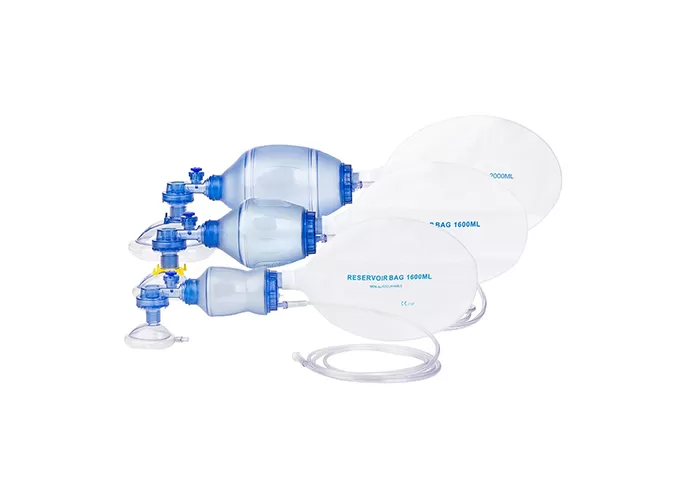
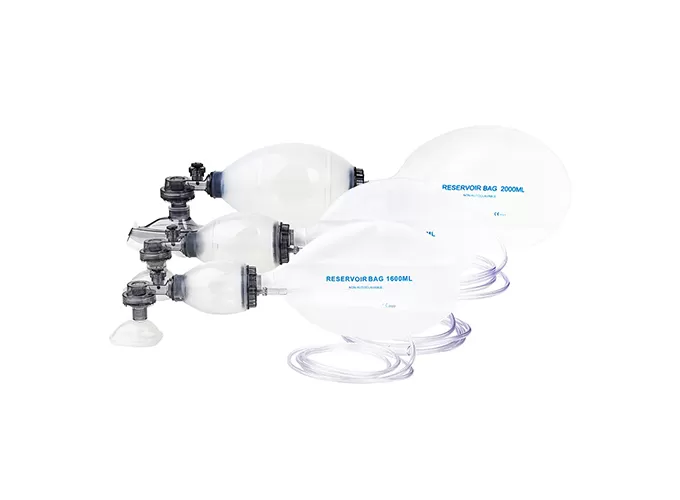
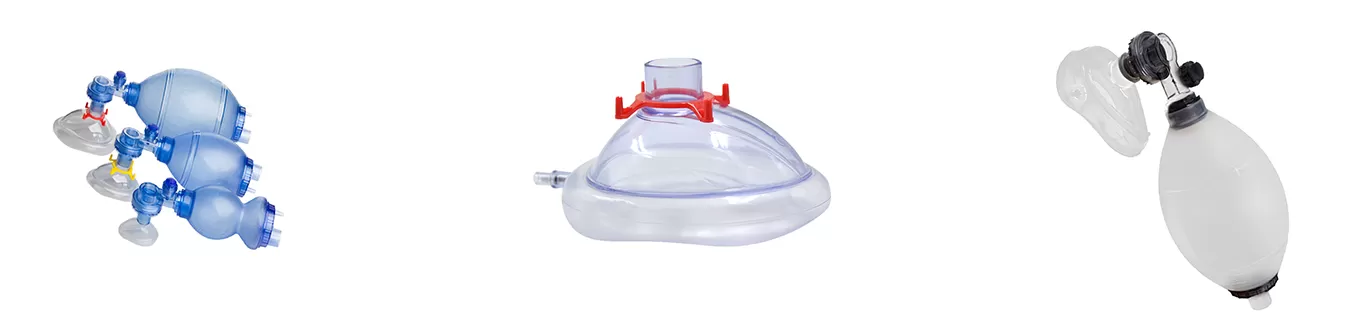
The manual resuscitator is divided into three specifications according to the patient's age: adults, children, and infants. The materials are mostly silicone and PVC, which are non-toxic, durable, and reusable. It has a wide range of application scenarios, including emergency situations such as cardiac arrest resuscitation, ventilation support after suction, ventilator switching gaps, and asthma attacks. The operating temperature range of the device covers -18°C to +50°C, and the storage temperature can reach -40°C to +60°C, which can meet various environmental requirements.
As an important tool in the emergency system, the manual resuscitator is widely used in hospitals, ambulances and outdoor emergency sites due to its portability, ease of operation and reliability. It can not only maintain the patient's vital signs before the arrival of professional medical personnel, but is also an indispensable transitional ventilation device in clinical operations, buying precious time for rescuing patients with respiratory dysfunction.
| Manual Resuscitator | |
| Size | Adult,Child,Infant |
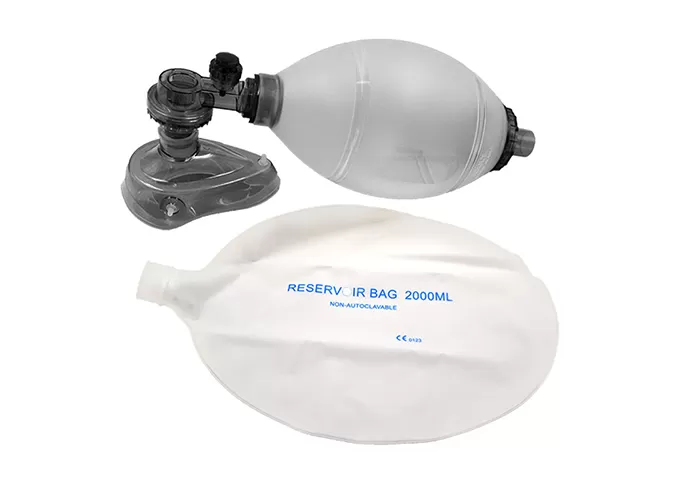
| Material | Silicone or PVC |
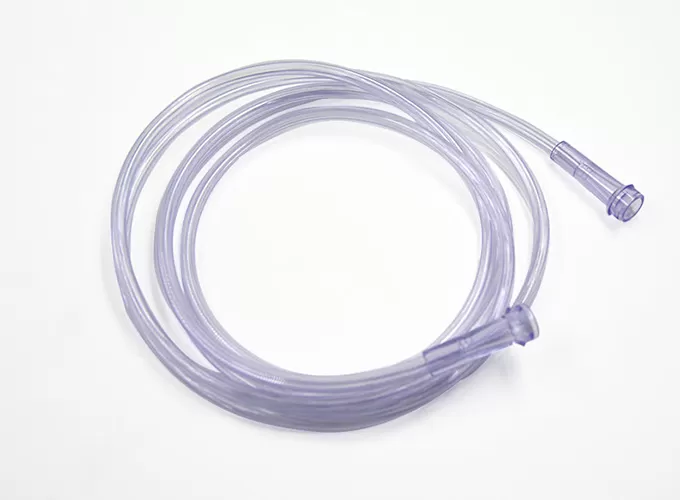
| Oxygen Tube | 2m |
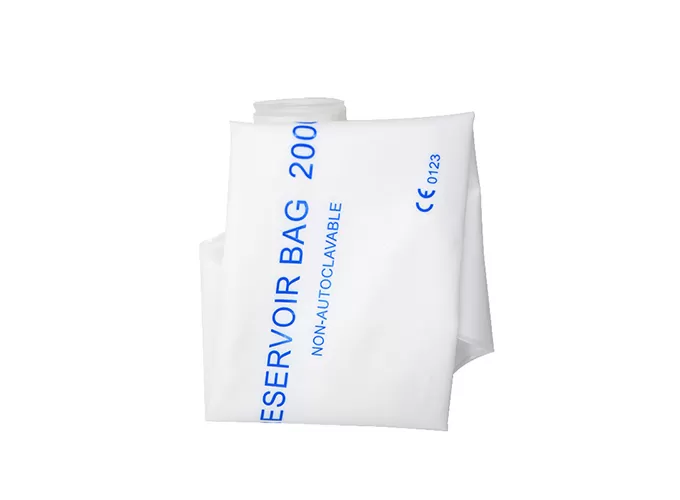
| Reservoir Bag | 1500ml-2500ml |

Instructions for use
1. Equipment preparation
Assemble the bag-mask device (BVM), connect the oxygen tank (if any) and the oxygen tube
Check the integrity of the equipment and ensure that the one-way valve functions normally
2. Patient assessment
Quickly determine the patient's consciousness and breathing status
If there is no spontaneous breathing, start artificial ventilation immediately
3. Airway management
Use the "head tilt and chin lift method" to open the airway
Use the oropharyngeal airway to prevent the tongue from falling back when necessary
Clear visible foreign matter or secretions in the mouth
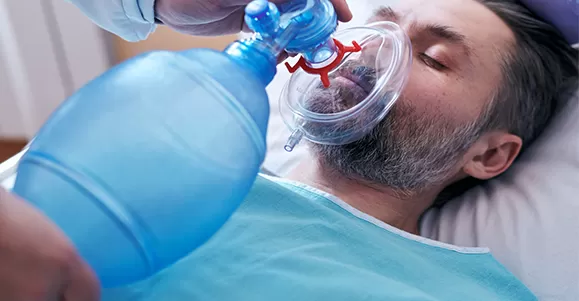
4. Mask fixation
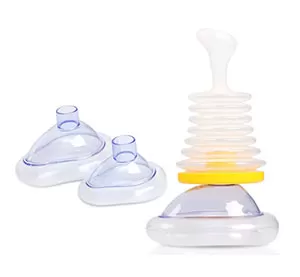
Choose a mask of appropriate size (covering the mouth and nose)
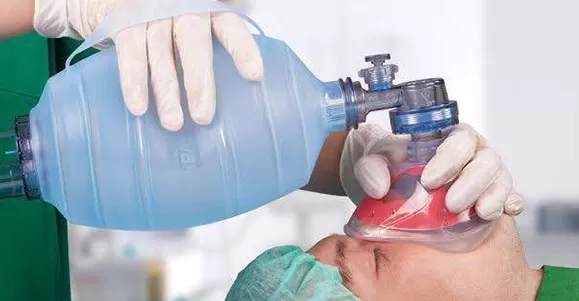
Use the "EC technique" to fix:
The thumb and index finger are in a "C" shape to hold the mask tightly
The other three fingers are in an "E" shape to support the mandible
5. Ventilation operation
Squeeze the airbag at a constant speed of 1-1.5 seconds/time
Observe the rise and fall of the chest (adult tidal volume is about 500-600ml)
Ventilation frequency:
Adults: 10-12 times/minute
Children: 12-20 times/minute
Infants: more gentle squeeze
1. Emergency ventilation guarantee
The artificial resuscitator can quickly provide oxygen when the patient stops breathing, ensure effective ventilation, and buy precious time for rescue. It is suitable for emergency situations such as cardiac arrest.
2. Simple and portable operation
No power supply is required, and air can be supplied by manual squeezing. It is small and easy to carry, suitable for use in various scenarios such as hospitals, ambulances and outdoor first aid.
3. Safety one-way valve design
The one-way valve prevents patients from inhaling exhaled waste gas to avoid cross infection. At the same time, the airflow pressure can be adjusted to ensure safe and controllable ventilation.
4. Multi-specification adaptation
Provide adult, child and infant models to meet the needs of patients of different ages. The material is soft and fit to avoid airway damage.
5. High oxygen concentration support
Optional oxygen storage tank can increase the oxygen supply concentration to more than 90%, which is suitable for patients with severe hypoxia and enhances the resuscitation effect.
6. Durable and environmentally friendly
Made of medical silicone/PVC material, can be repeatedly disinfected and used, does not contain latex, reduces the risk of allergies, and meets medical standards.
7. Wide applicability
In addition to first aid, it can also be used for suction, temporary ventilation after tracheotomy or ventilator switching, and has various clinical uses.
8. Strong environmental adaptability
The operating temperature covers -18°C to 50°C, and the storage temperature is -40°C to 60°C, which is suitable for emergency rescue in extreme environments.
First aid resuscitation: emergency ventilation support for patients with cardiac arrest and respiratory arrest to maintain basic oxygen supply.
Clinical operation: assisting tracheal intubation, sputum suction and transitional ventilation guarantee during ventilator switching.
Special diseases: emergency ventilation for acute respiratory obstruction such as asthma and allergies.
Pre-hospital emergency: portable solution when there is a lack of fixed equipment in ambulances, accident sites, etc.
Transport support: mobile ventilation device for intra-hospital/inter-hospital transfer of critically ill patients.
Training and teaching: standard teaching aids for first aid skills training for medical staff.
Want to Get More Details About JCMED Medical Consumables?
We're waiting for your contact!