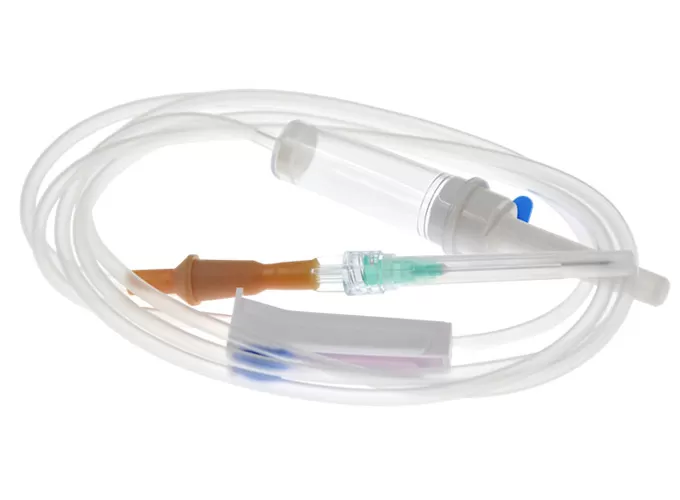
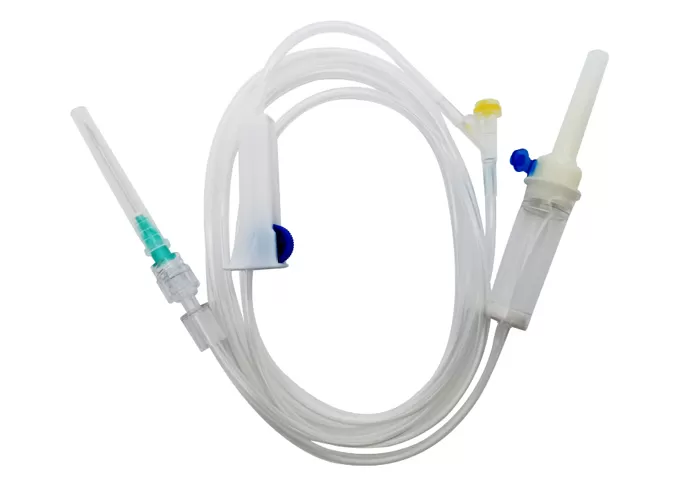
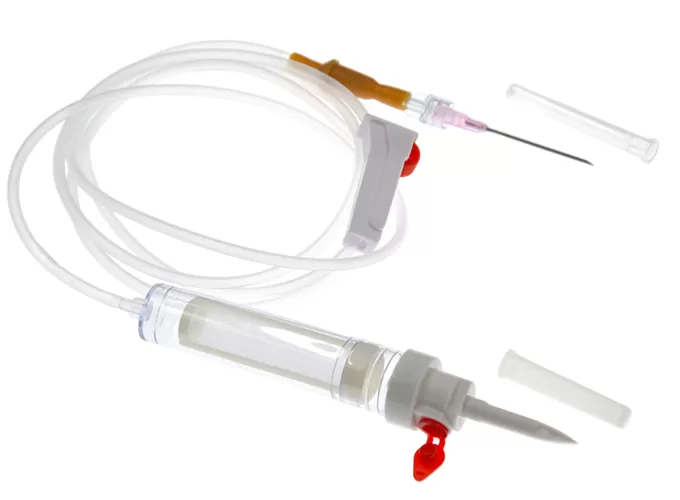
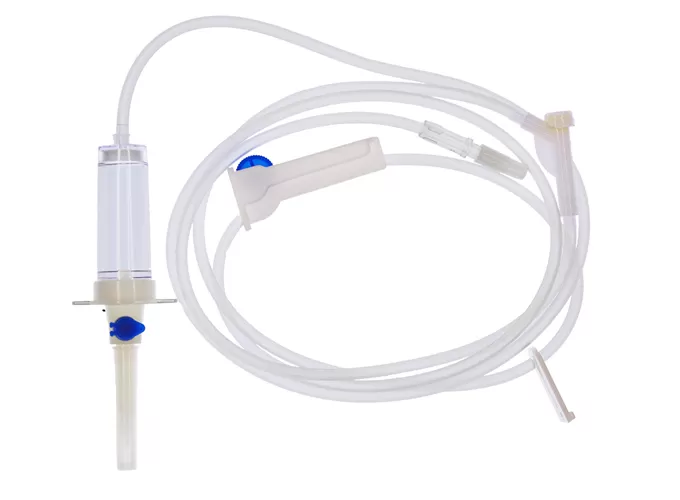
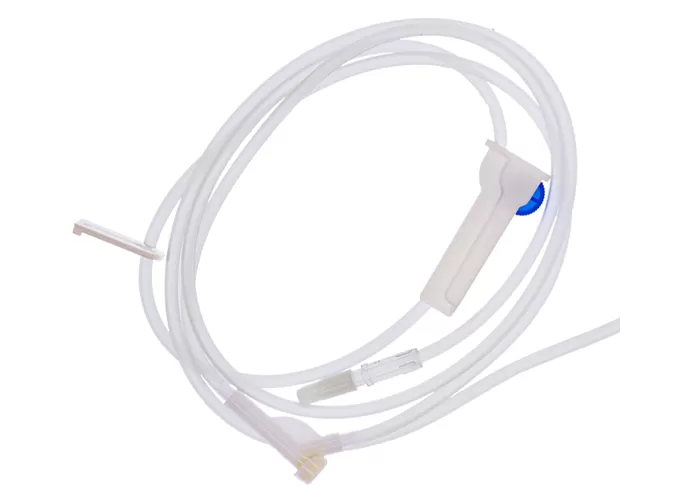
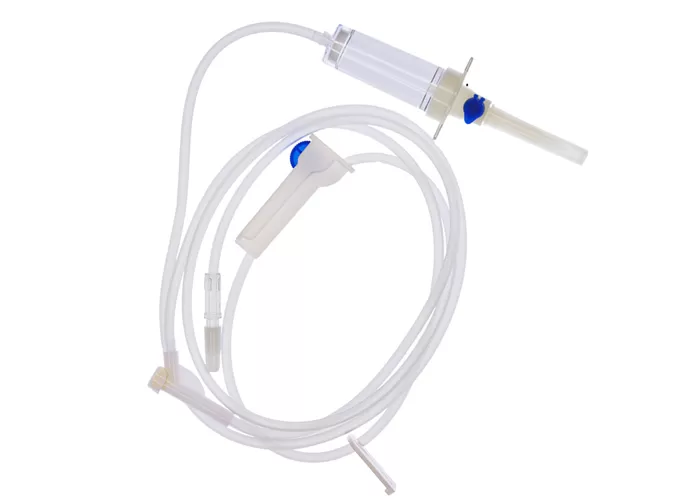
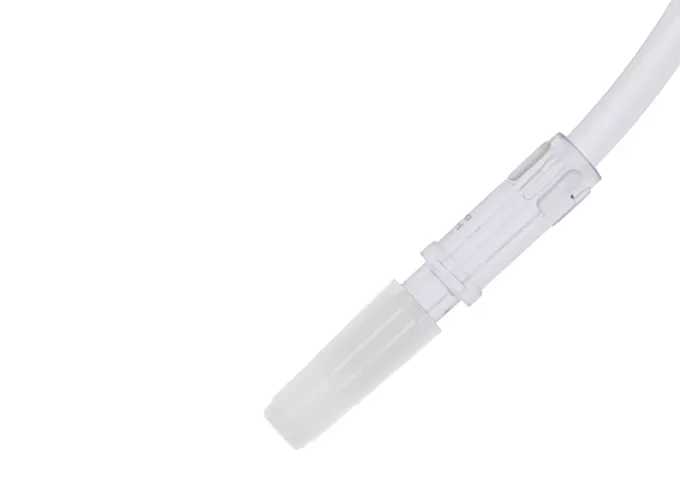
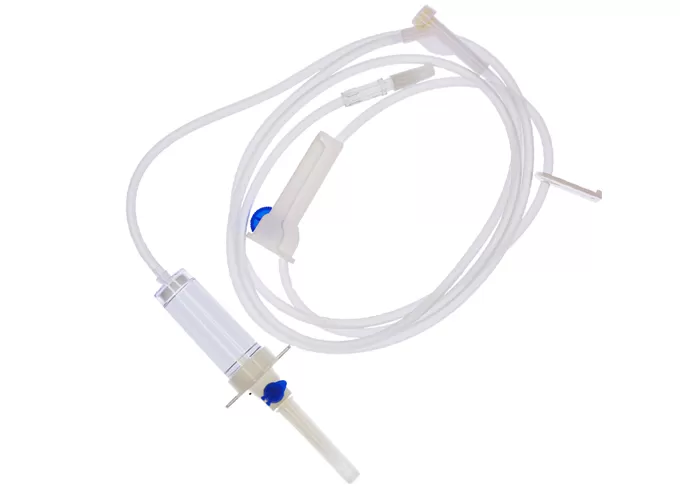

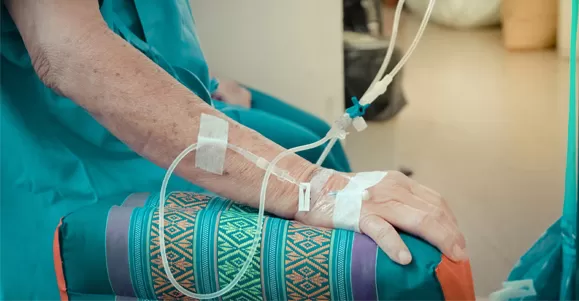
IV infusion set is an indispensable and important device in modern medical treatment, used to deliver drugs and replenish body fluids safely and efficiently. It injects drugs directly into the patient's blood circulation system through the IV infusion line to ensure rapid absorption and precise treatment. The whole set of equipment is scientifically designed to optimize the infusion process while minimizing the risk of infection and ensuring patient safety.
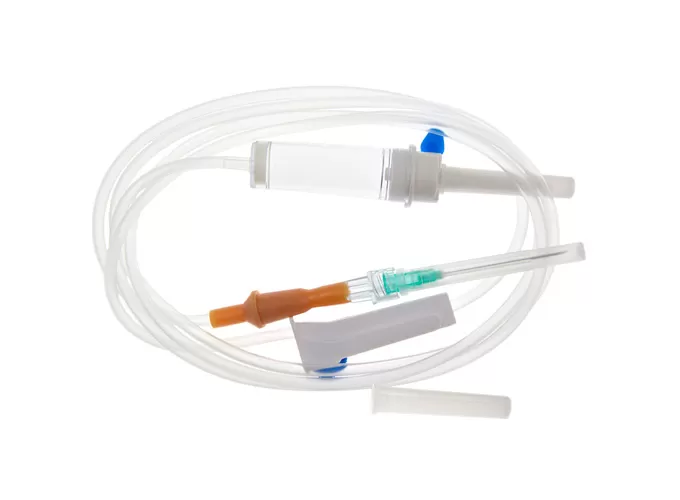
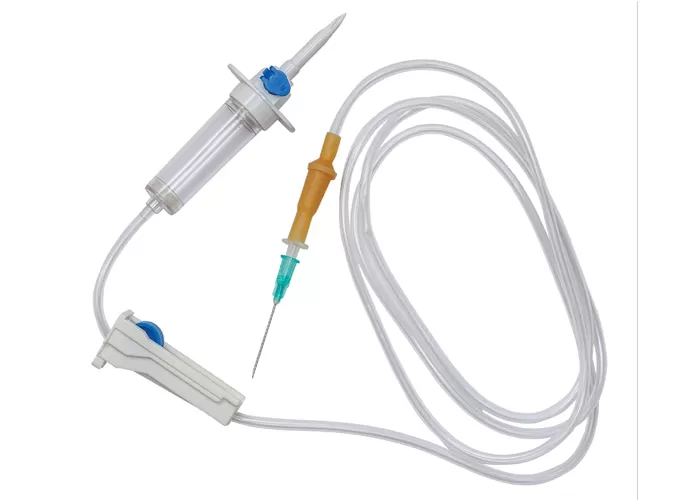
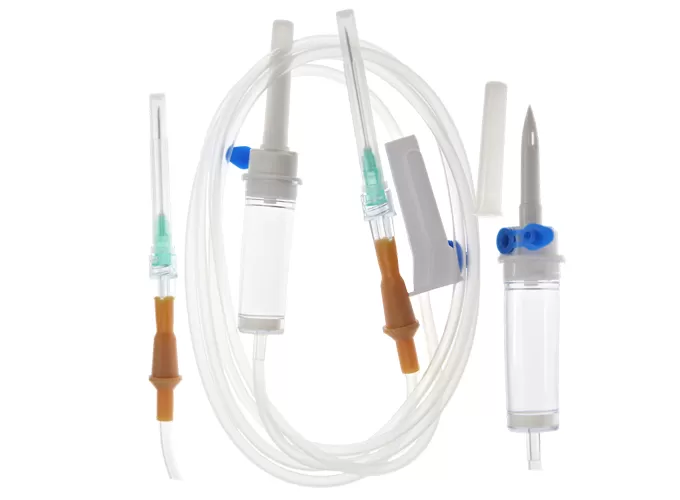
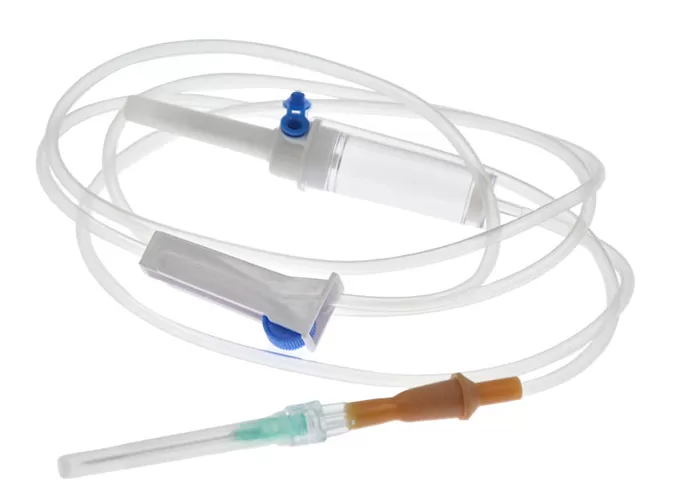
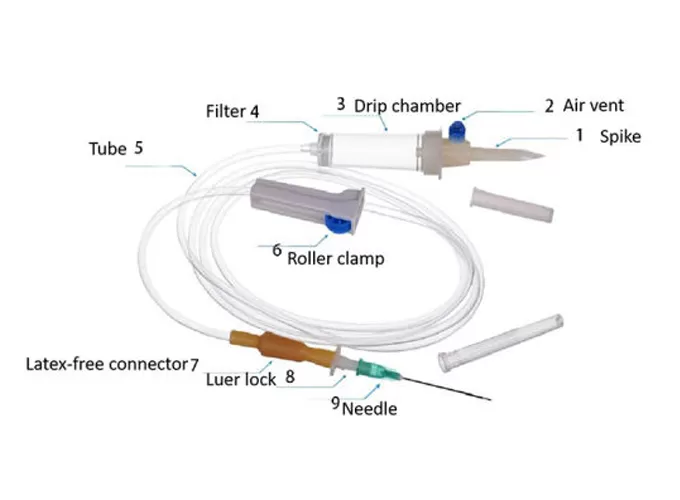
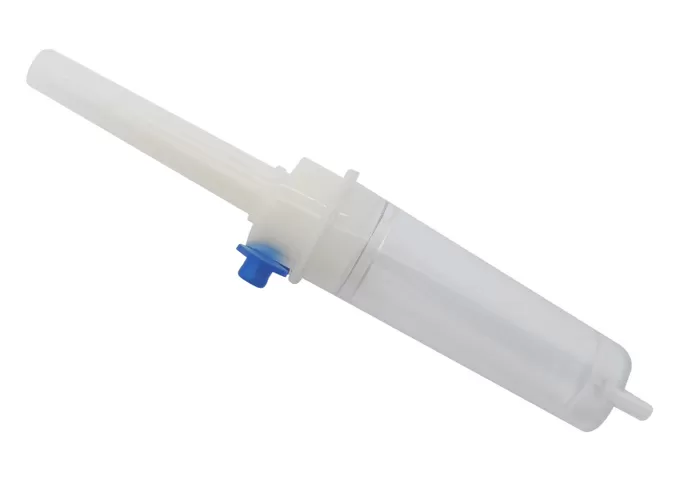
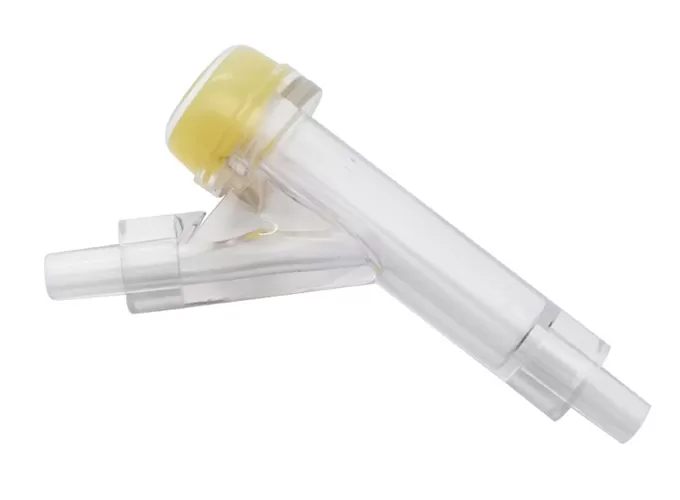
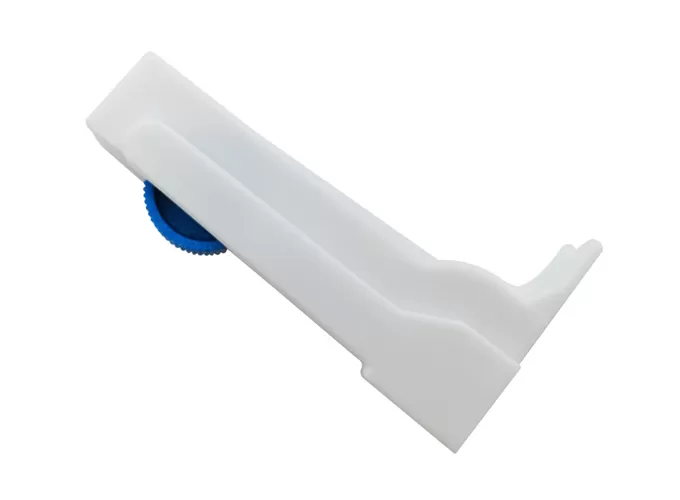
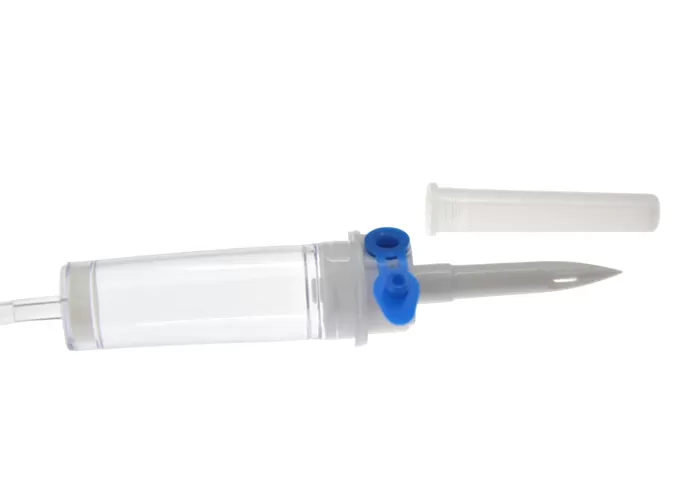
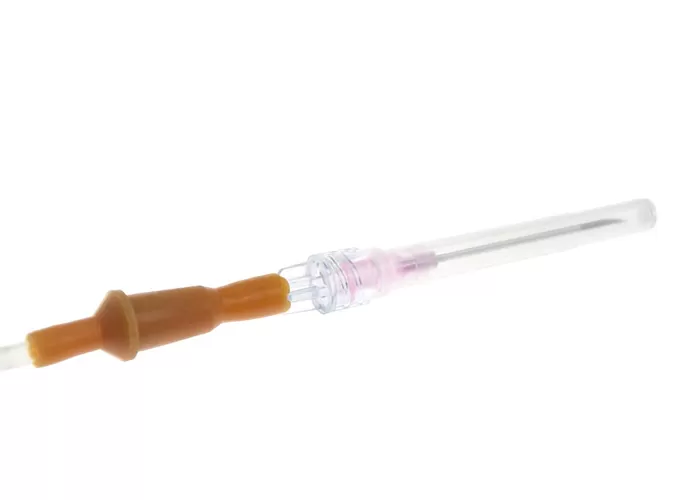
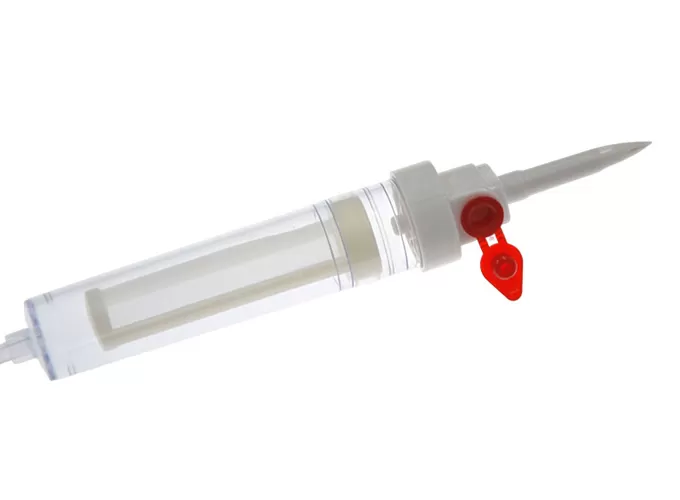
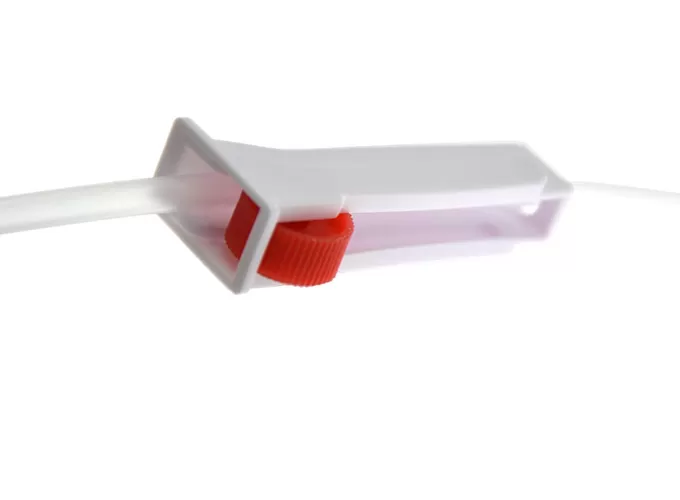
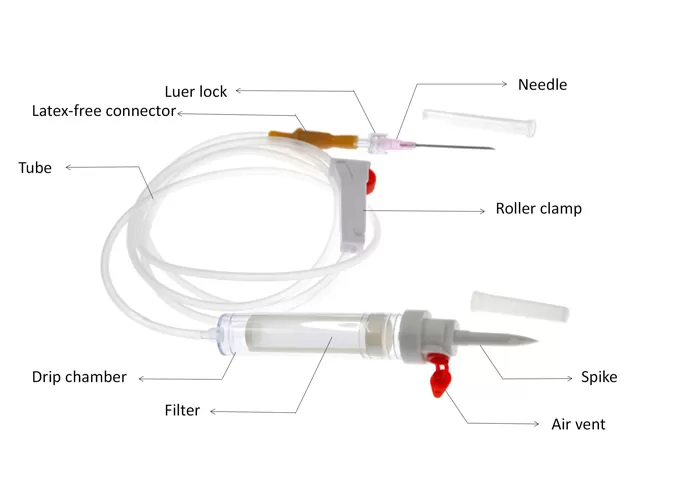
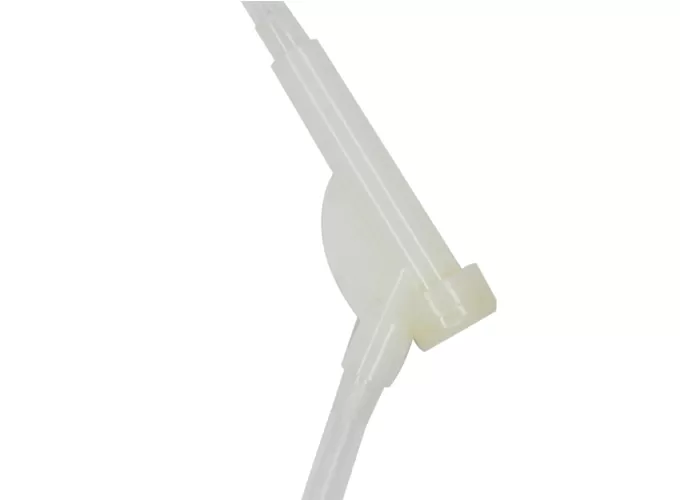
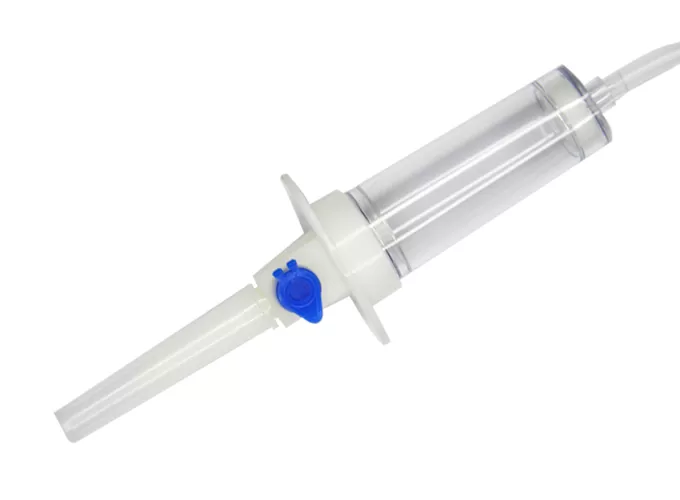
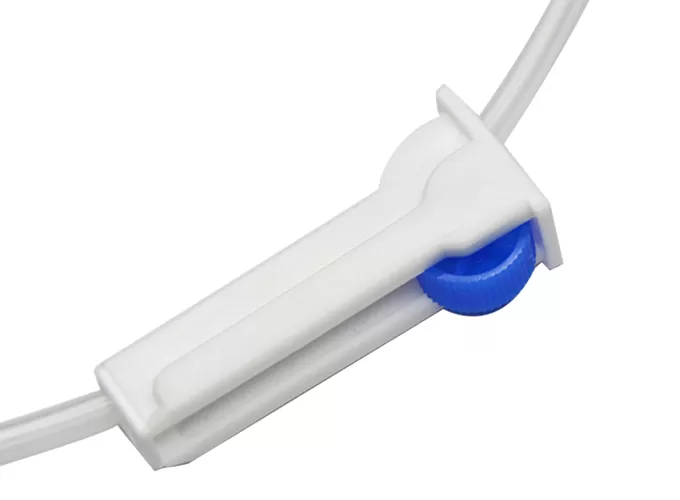
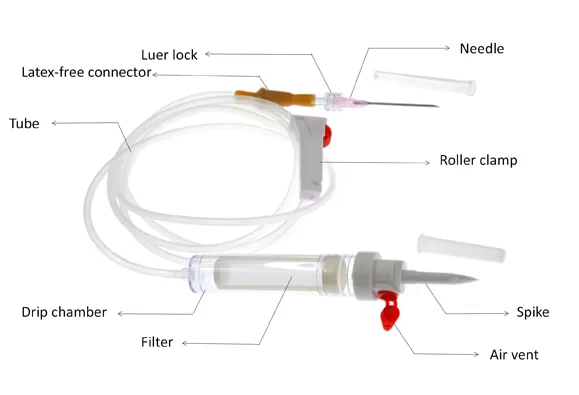
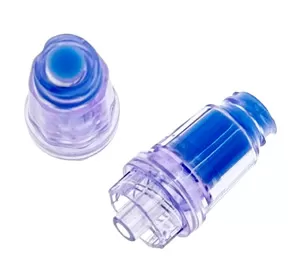
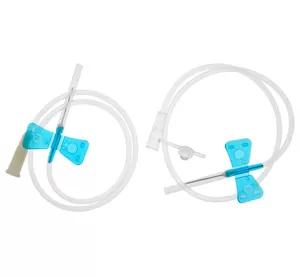
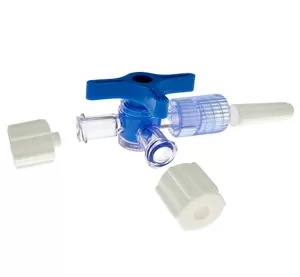
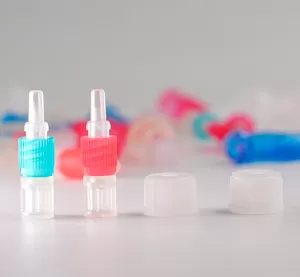
The IV infusion set consists of multiple precision components that work together to ensure the smooth progress of the infusion process. The core components include IV infusion tubes, drip pots, filters, injection ports, connectors, etc., each of which plays a unique role. Among them, the flow regulator can accurately control the infusion speed, while the needle or catheter achieves a safe connection with the patient's vein. These components work together to form a complete infusion system.
Depending on the clinical needs, IV infusion sets are divided into various professional types. The filtering IV infusion set has a built-in micron filter that can effectively block pollutants; the exhaust type infusion set is equipped with an adjustable exhaust port, which is suitable for infusion in rigid containers; the non-exhaust type infusion set is designed for flexible infusion bags and realizes automatic drainage through the vacuum principle. Medical staff can choose the appropriate type according to specific treatment needs to ensure the maximum treatment effect.
As an important tool in the medical field, the IV infusion set has demonstrated excellent reliability and practicality in various treatment scenarios. Its humanized design not only meets the precise requirements of clinical treatment, but also provides patients with a safer and more comfortable treatment experience. It is a model of the development of modern medical technology.
| Infusion Set | ||
| Type | Pic | Details |
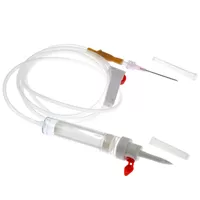
| Filtered IV Set | ![]() | Filtered IV sets have a micron filter inside to prevent contamination of the fluid. |
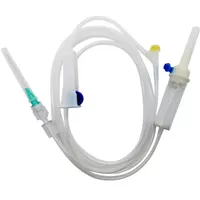
| Vented IV Set | ![]() | They have a vent that can be opened or closed to allow air to enter and drain the fluid. They work best with rigid plastic and glass containers. |
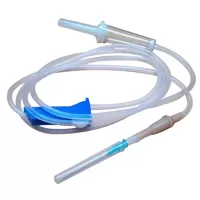
| Non-vented IV Set | ![]() | The tubing does not have any vents. They work best with flexible plastic bags or containers. |
Medical-grade raw materials: The infusion pipeline system is made of medical-grade PVC material to ensure that it is free of allergens and cytotoxicity, minimizing the risk of adverse reactions in patients.
Precise flow regulation: The ABS flow regulator can achieve smooth control from zero to maximum flow, allowing medical staff to accurately adjust the drip rate according to treatment needs.
High-efficiency filtration system: The set is equipped with a liquid filter to effectively intercept particles and impurities, reduce the risk of infusion contamination, and improve treatment safety.
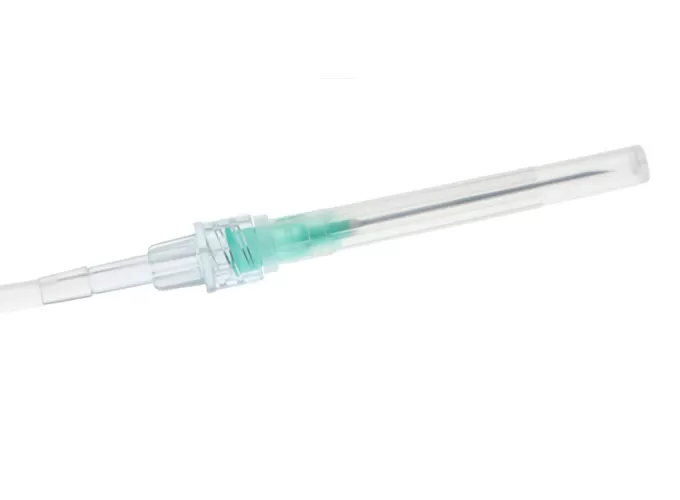
Safety protection design: The puncture needle protective cover ensures that the needle is sterile, avoids contamination, and is convenient for clinical use.
Independent sterilization packaging: EO gas sterilization, independent packaging remains sterile until clinical use to ensure the product sterility assurance level.
Safe and convenient: The overall design is ergonomic, easy to operate, and all connections are firm and leak-proof, making it safe for clinical use.
Reduce complications: JNCMED's intravenous infusion sets can effectively reduce the risk of complications such as phlebitis and thrombosis and improve patient comfort.
After washing and disinfecting your hands, check the integrity of the package to confirm that the product is within the validity period and is not damaged.
Tear open the sterile package and take out the infusion set, paying attention to keeping the pipeline system sterile to avoid contamination.
Insert the infusion set puncture needle vertically into the infusion bag/bottle mouth to ensure that the connection is firm and not loose.
Hang the infusion container upside down, squeeze the drip pot so that the liquid level reaches 1/2-2/3, and exhaust the air in the way.
Open the flow regulator to the maximum, and close the regulator after the liquid fills the entire pipeline.
Disinfect the skin at the puncture site, connect the intravenous indwelling needle or perform a venous puncture operation.
After fixing the needle, slowly open the regulator and adjust the appropriate drip rate according to the doctor's instructions.
During the infusion process, regularly observe the drip rate, puncture site and patient reaction, and deal with abnormalities in time.
After the infusion is completed, turn off the regulator, remove the needle after disinfection, and press the puncture point to stop bleeding.
Dispose of the used infusion set according to the medical waste treatment specifications to avoid the risk of secondary contamination.
Clinical fluid therapy
Used to quickly replenish water and electrolytes, and correct symptoms of dehydration and electrolyte imbalance.
Drug infusion therapy
Safely and efficiently infuse various intravenous medications such as antibiotics and nutrients to ensure accurate drug administration.
Surgical anesthesia support
Maintain the infusion access during surgery to provide a stable delivery channel for anesthetic drugs and emergency drugs.
Chemotherapy drug delivery
Provide a safe chemotherapy drug infusion channel for cancer patients to reduce vascular stimulation.
Emergency rescue use
Quickly establish intravenous access during emergency treatment to ensure timely infusion of rescue drugs.
Want to Get More Details About JCMED Medical Consumables?
We're waiting for your contact!