English
JCMED(TIANJIN) IMPORT&EXPORT CO., LTD.

Infusion IV Components for Sale

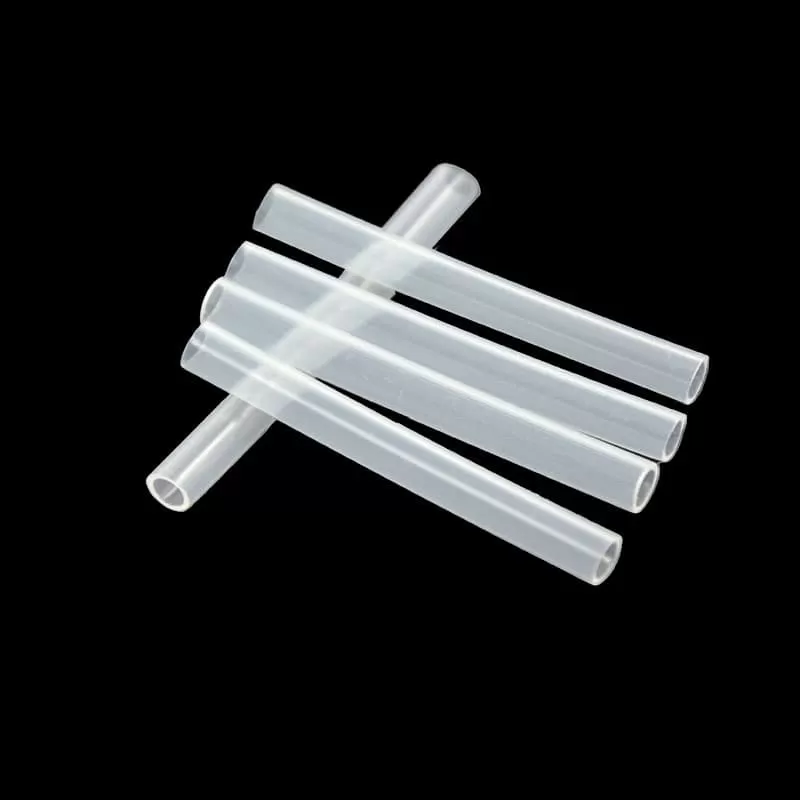
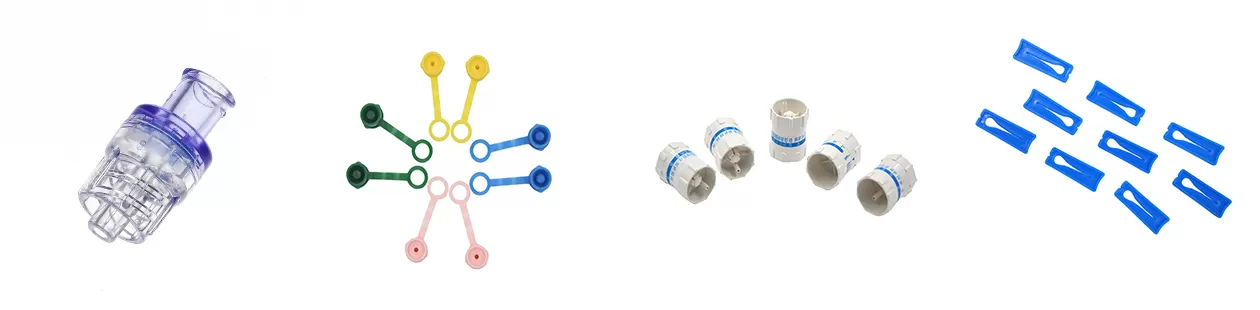
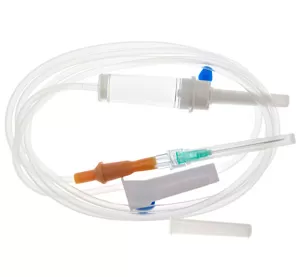
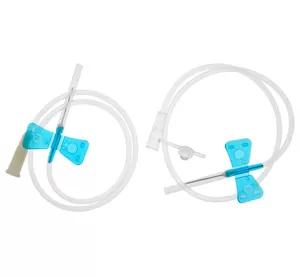
Infusion IV Components can together form a safe and efficient intravenous infusion system. These accessories work together to achieve core functions such as aseptic transmission of drug solution from packaging to patient's blood vessels, precise flow rate control, air and particle filtration, and mid-course dosing, while ensuring ease of operation and clinical adaptability. The entire system adopts a standardized interface design, which is compatible with various infusion containers and intravenous access devices. It meets the needs of different medical scenarios on the basis of ensuring the safety of treatment, and is an important guarantee for modern clinical infusion therapy.


The infusion accessories we provide are complete in types and models. Standardized interfaces (such as Luer connectors) can be connected to indwelling needles, infusion pumps and other equipment (such as surgery, ICU, and general wards), which can meet the diverse needs from conventional infusion to special drug infusion, and adapt to different medical scenarios and patient groups. At the same time, all accessories are made of medical-grade ABS or PVC materials, which have strong chemical stability and can withstand various types of drug solutions.


Get A Quote

Specifications of IV Components


IV Components


ITEMPIC


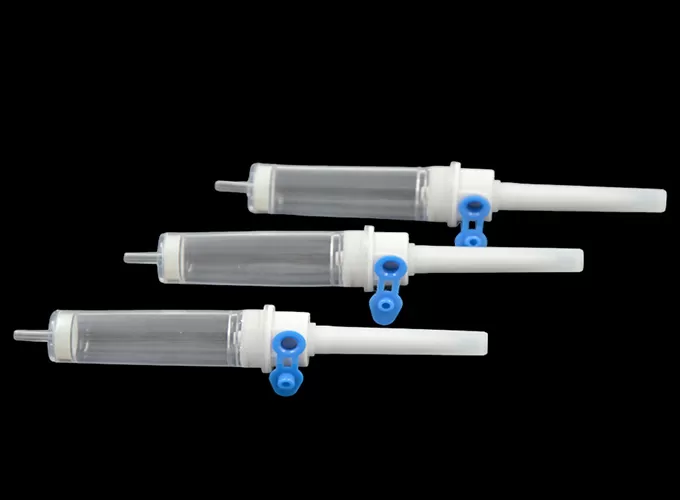
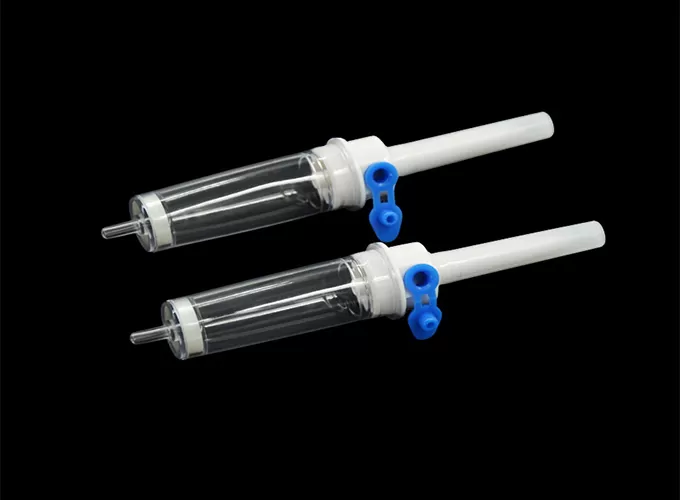
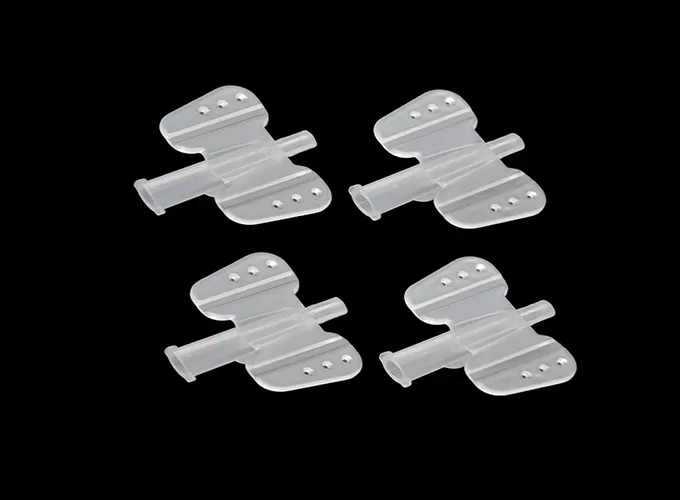
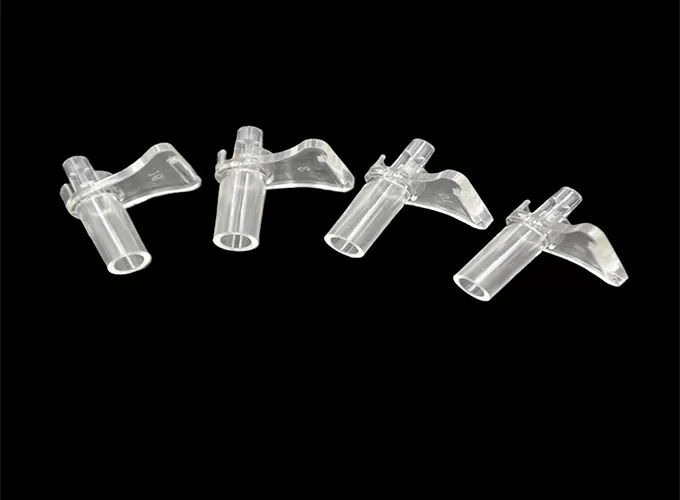
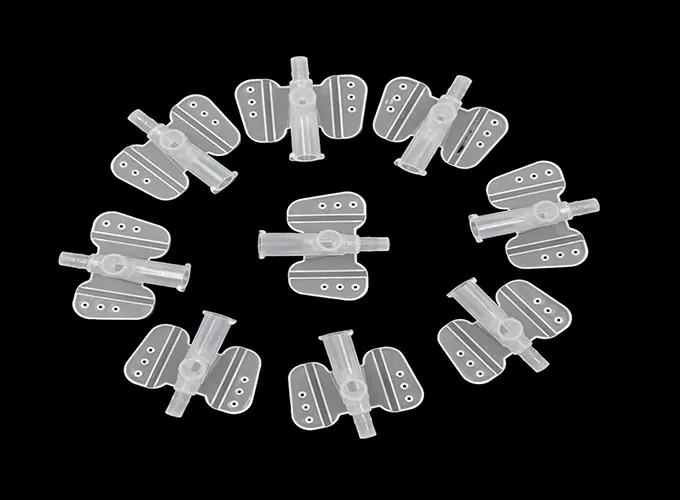
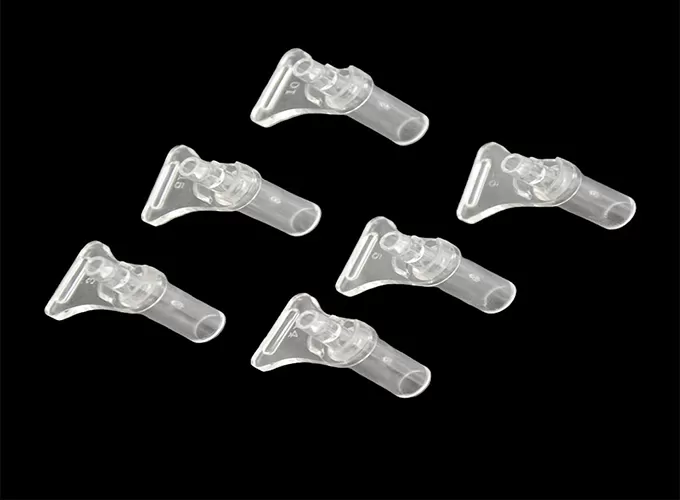
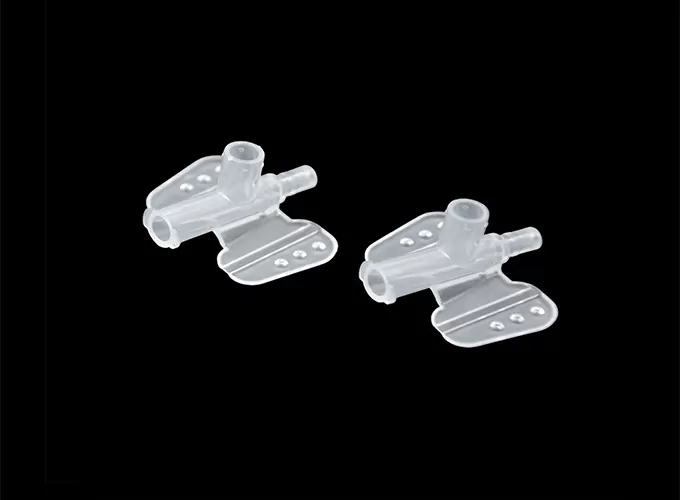
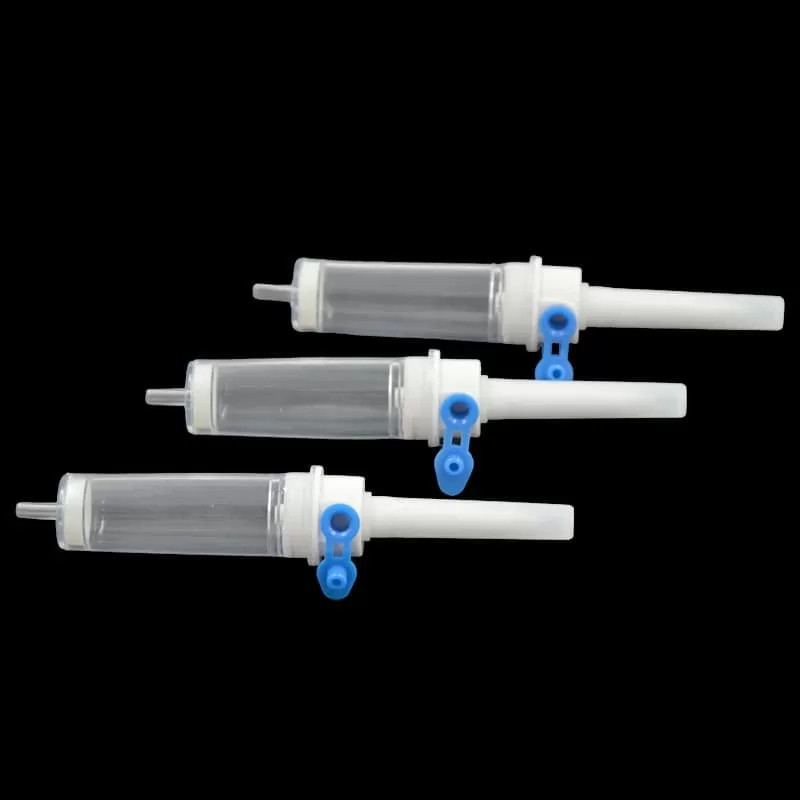
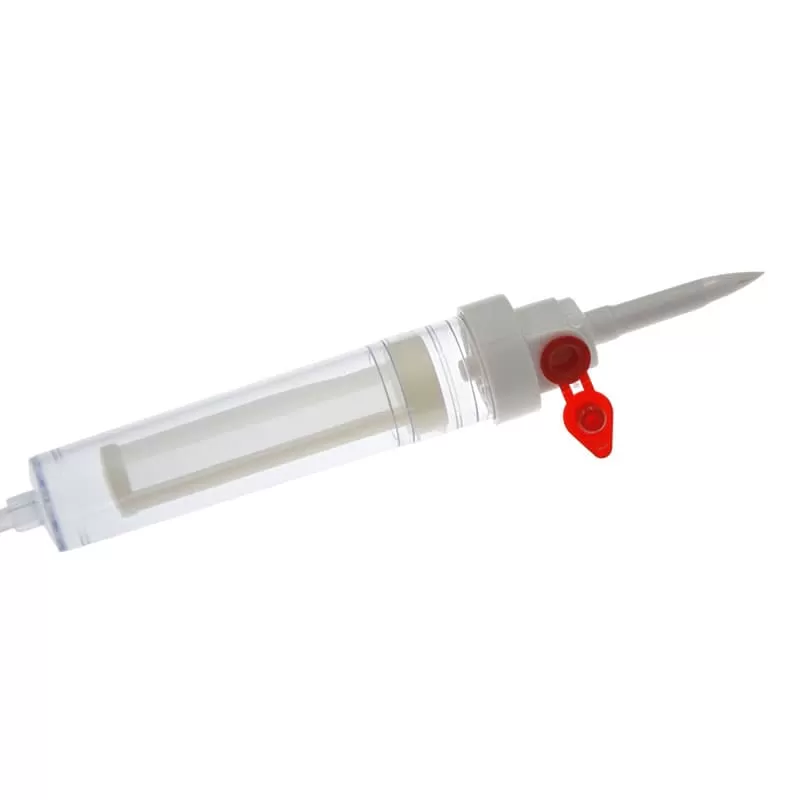
Drip ChamberDrip Chamber 1.jpgDrip Chamber 2.jpg

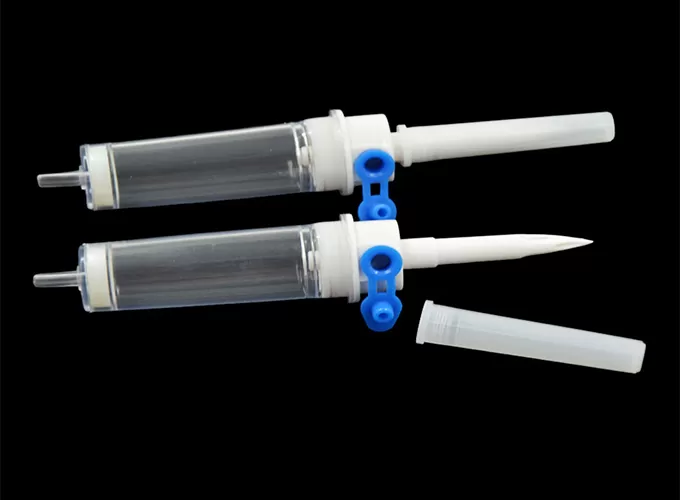
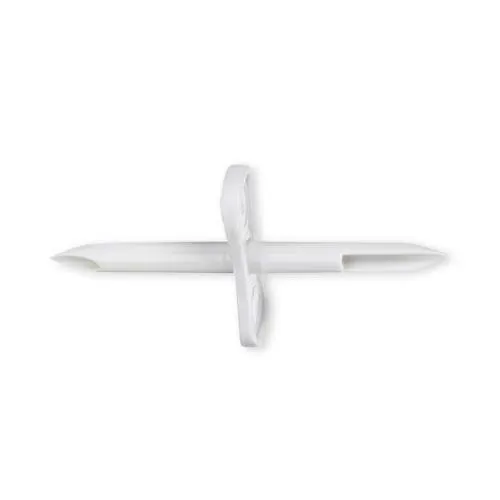
Plastic SpikePlastic Spike 1.jpg    


Air VentAir Vent1.jpg


Flow RegulatorFlow Regulator1.jpg


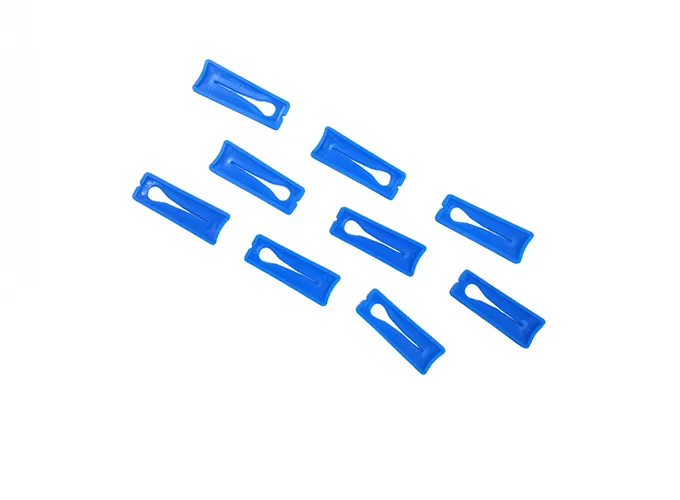
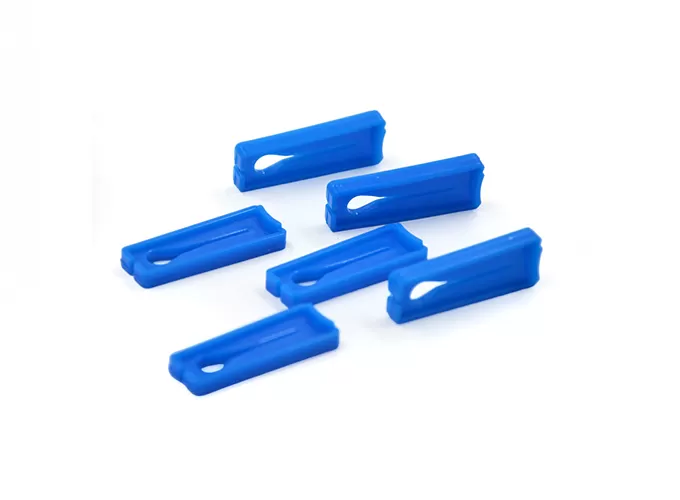
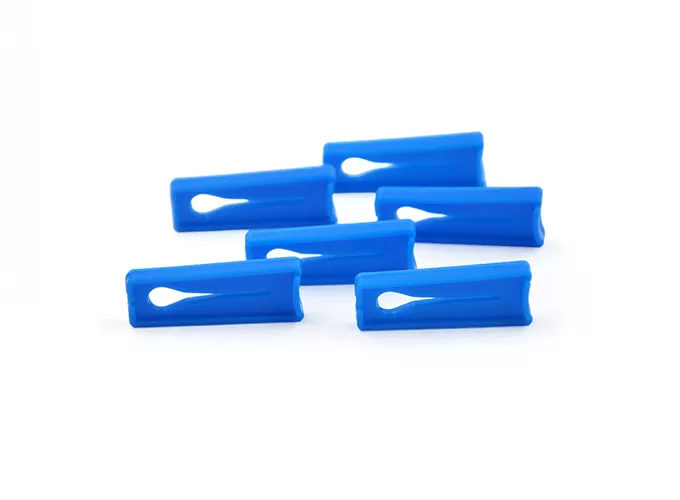
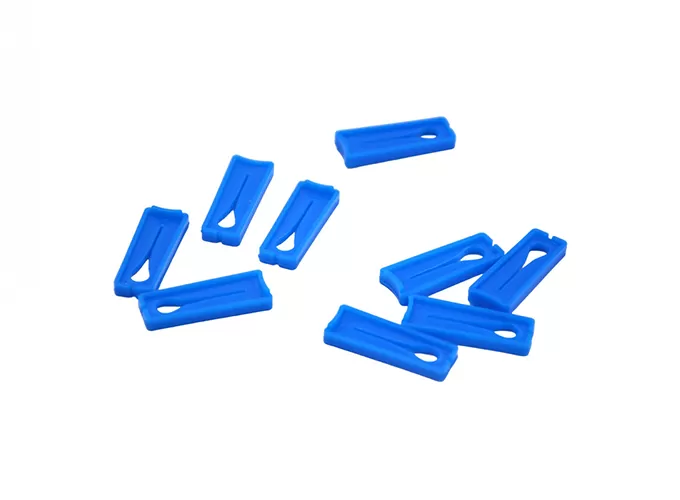
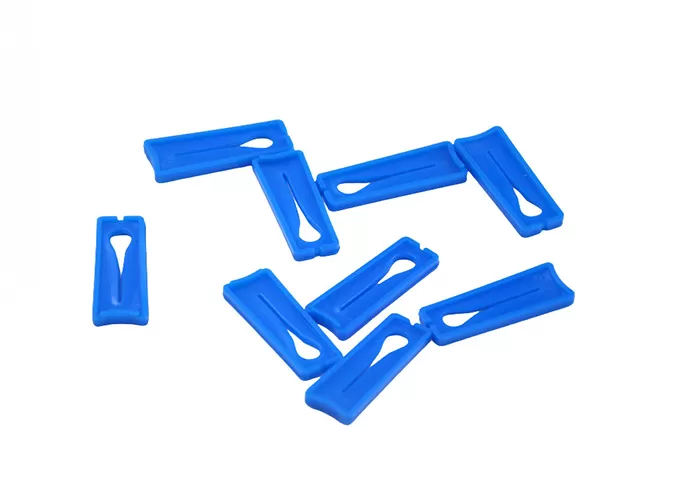
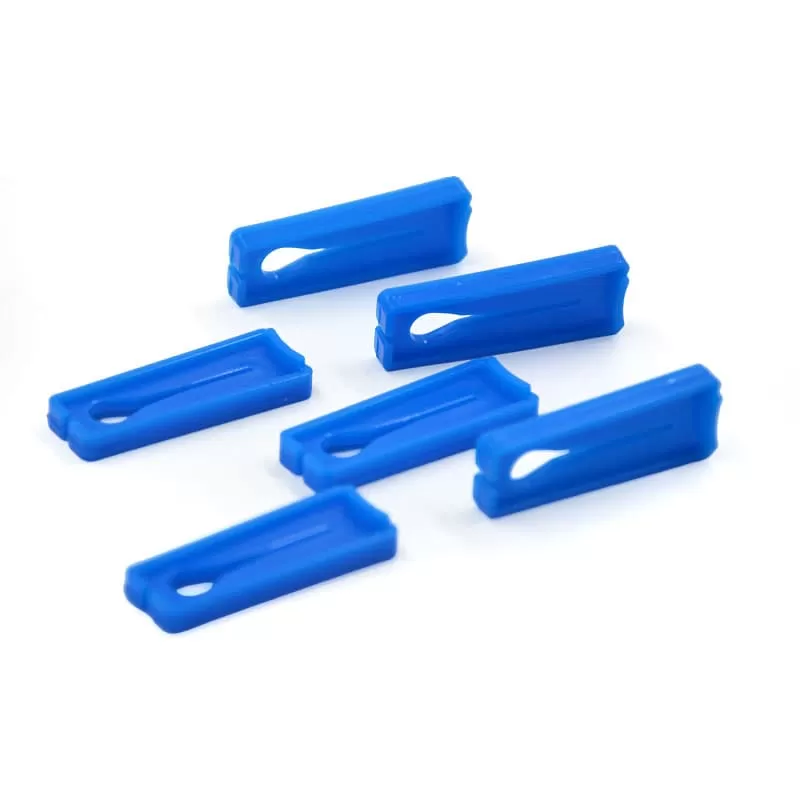
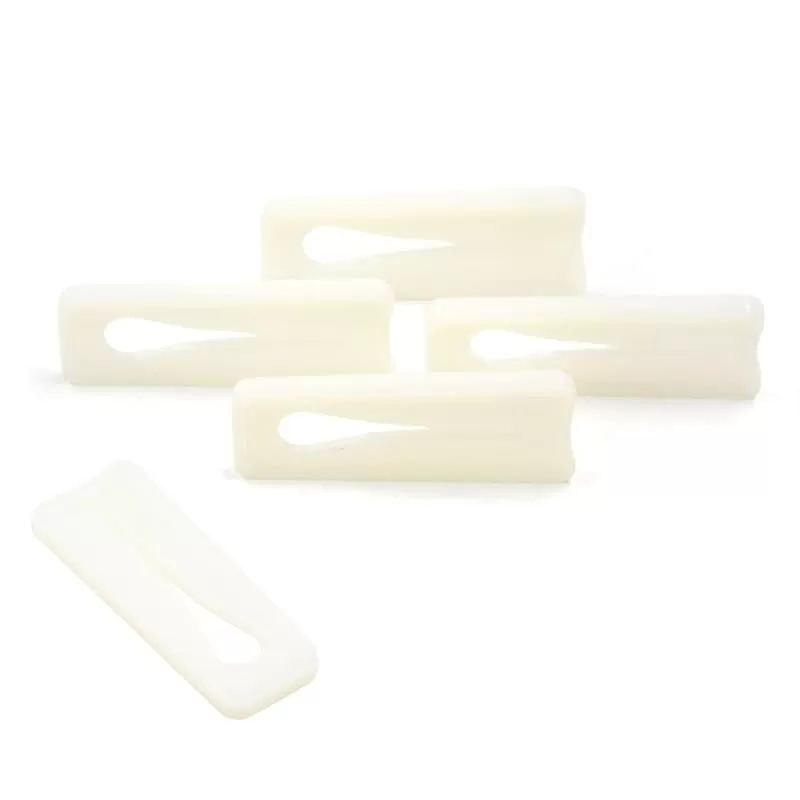
Slide ClampSlide Clamp 1.jpgSlide Clamp 2.jpg

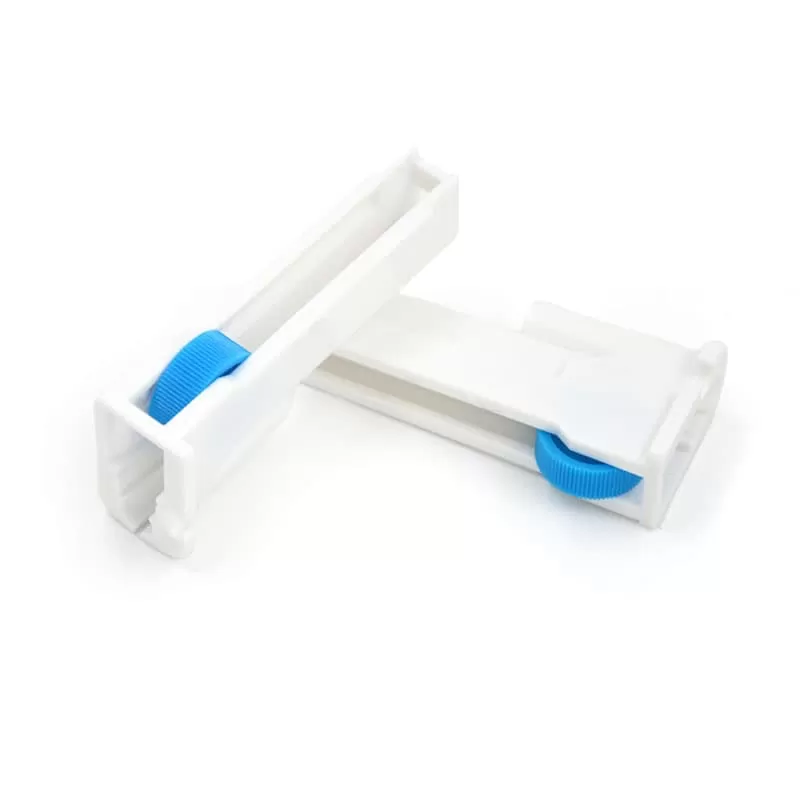
Roller ClampRoller Clamp1.jpg


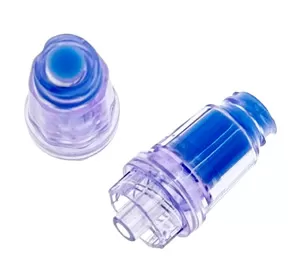
Injection PortInjection Port.jpg


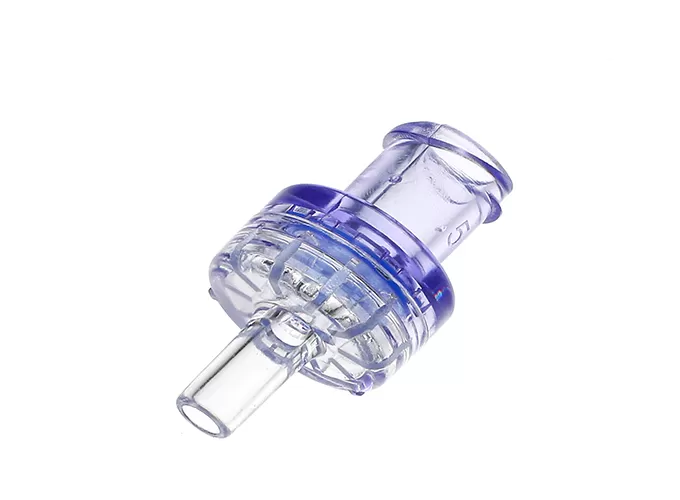
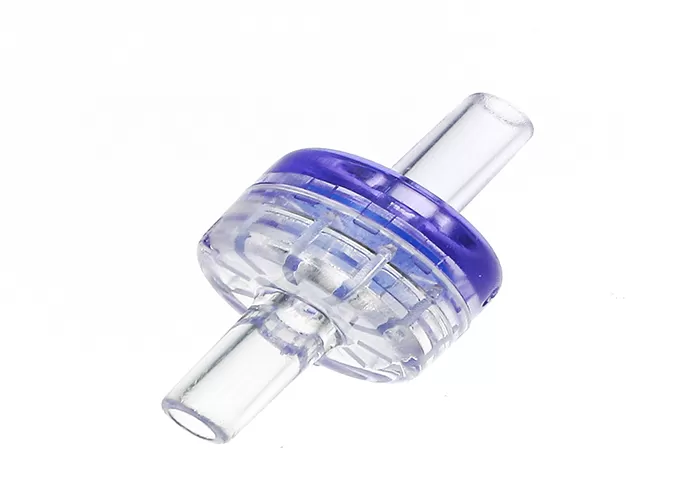
Back Check Valve


Back Check Valve 3.jpgBack Check Valve 3.jpgBack Check Valve 4.jpg
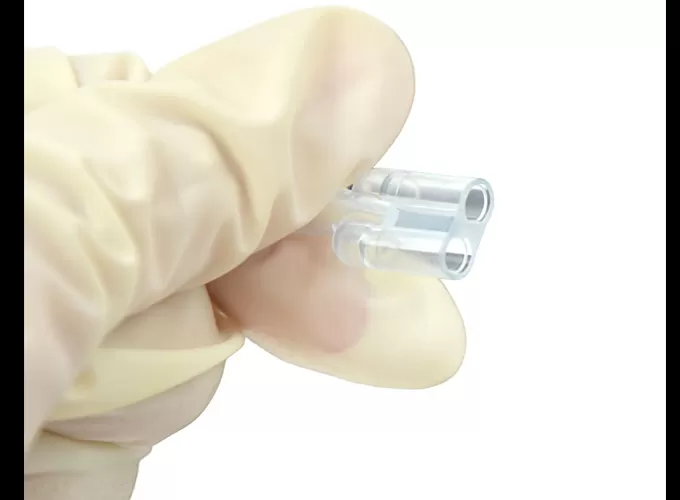
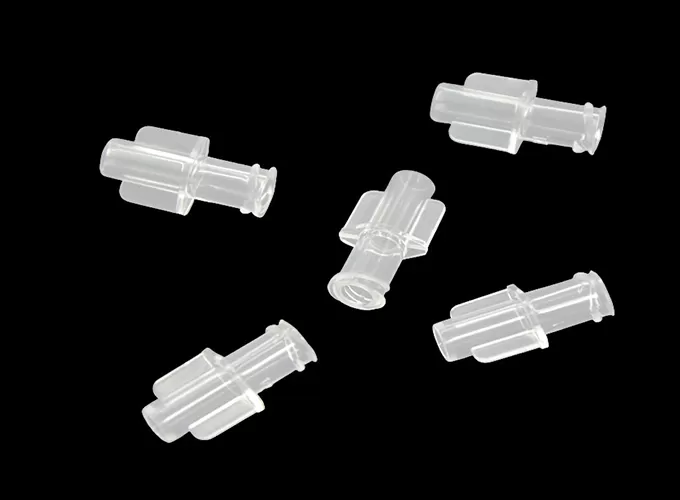
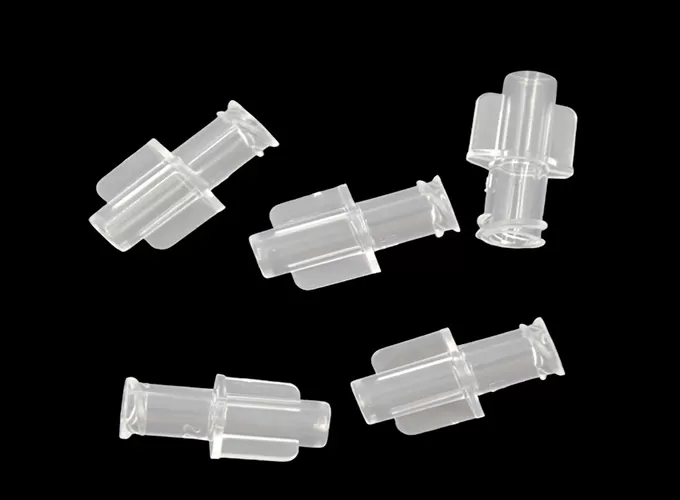
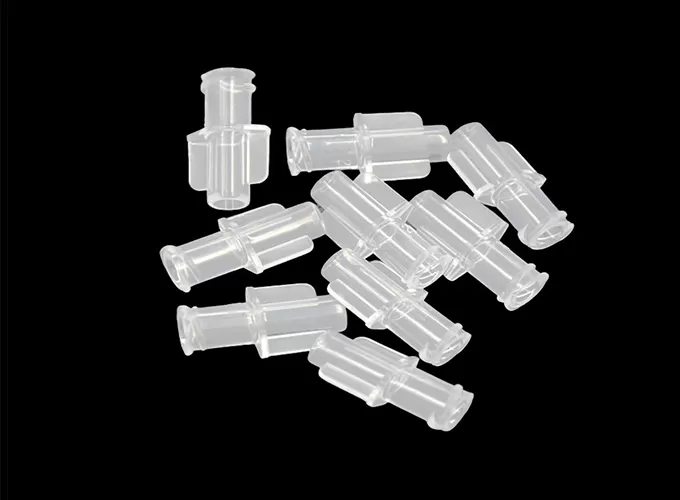
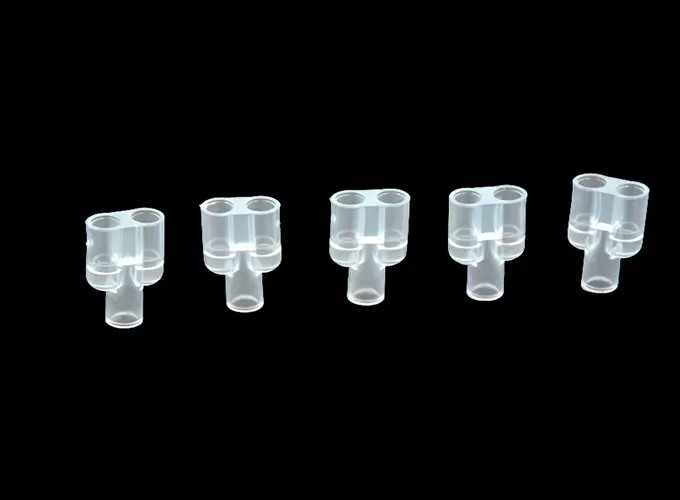
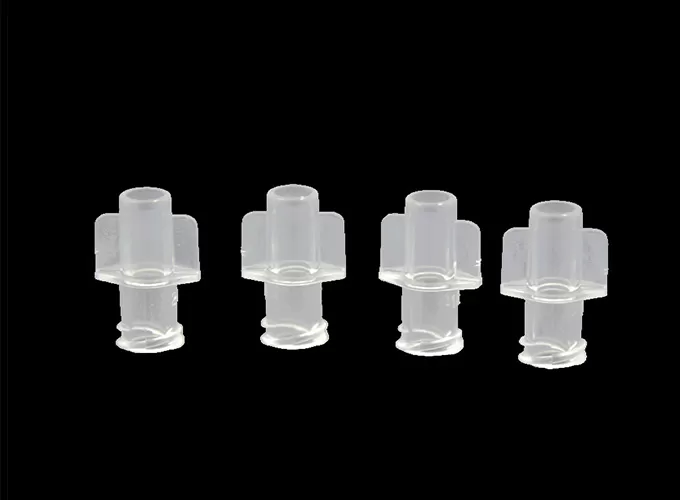
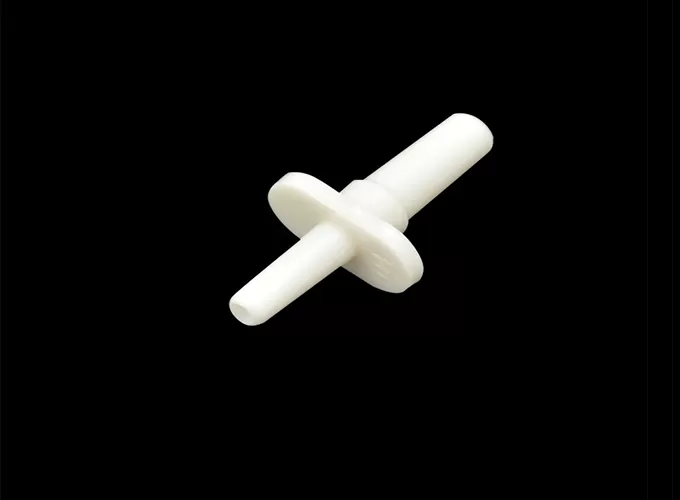
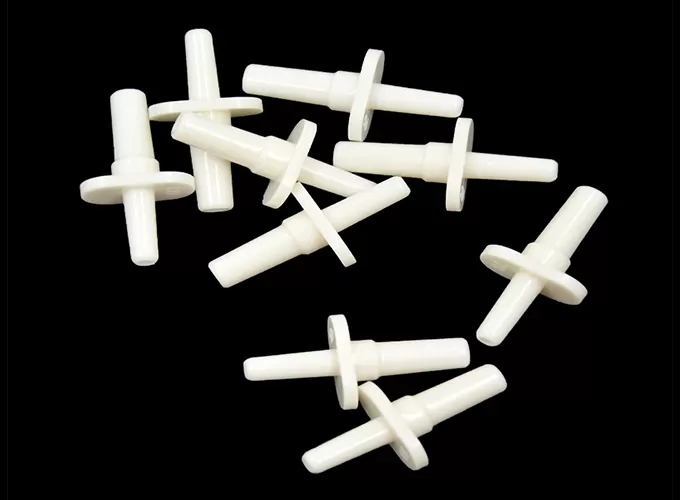
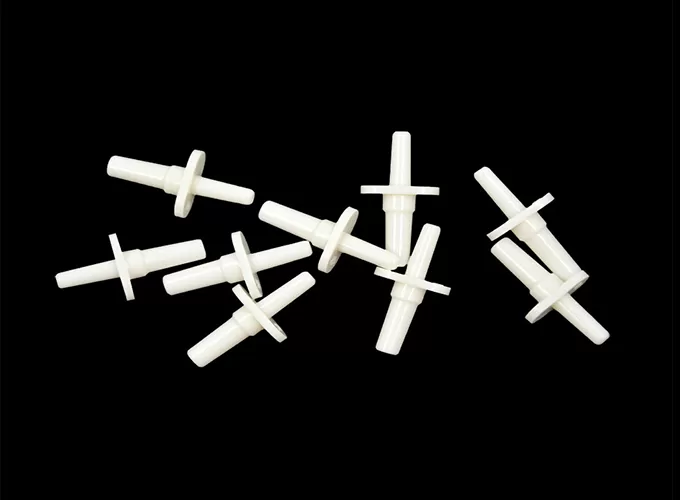
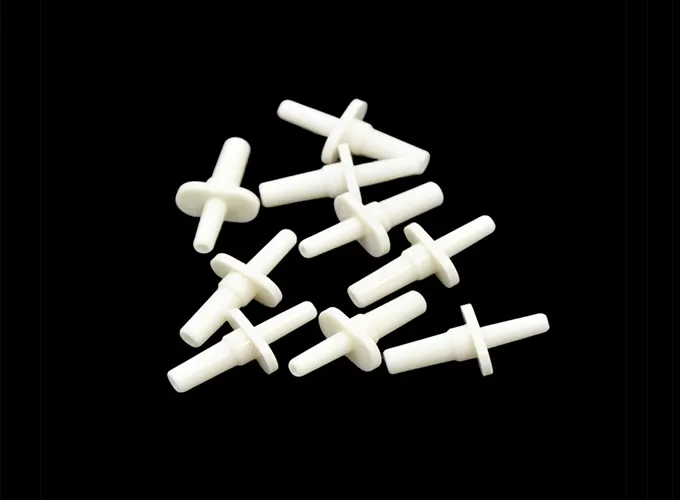
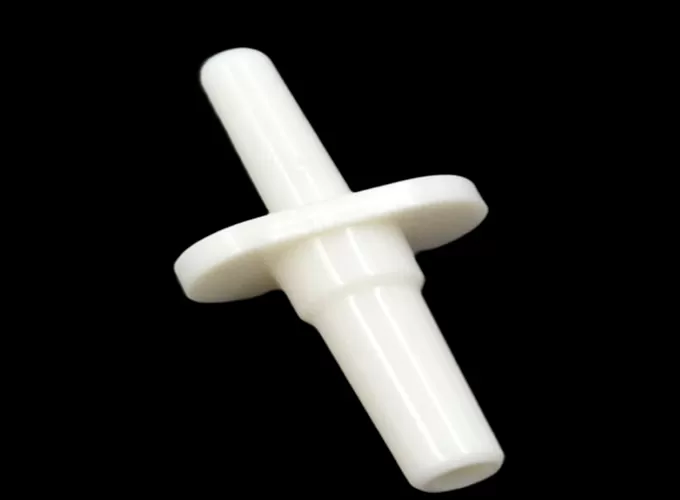
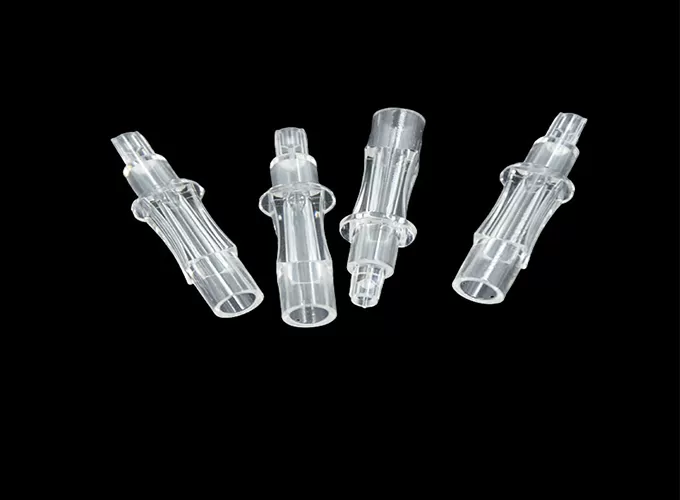
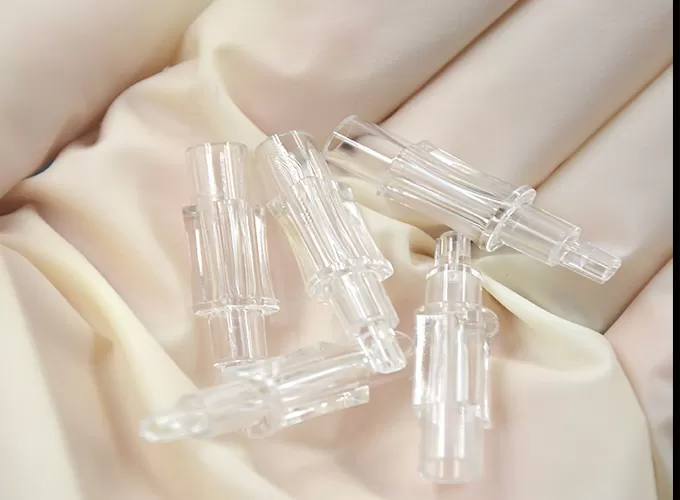
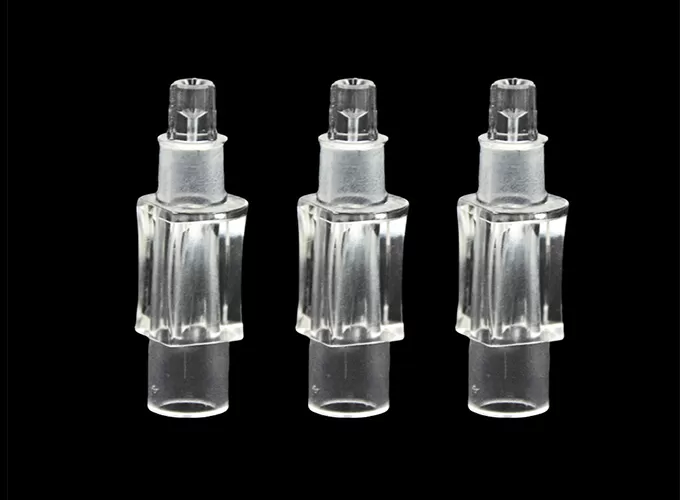
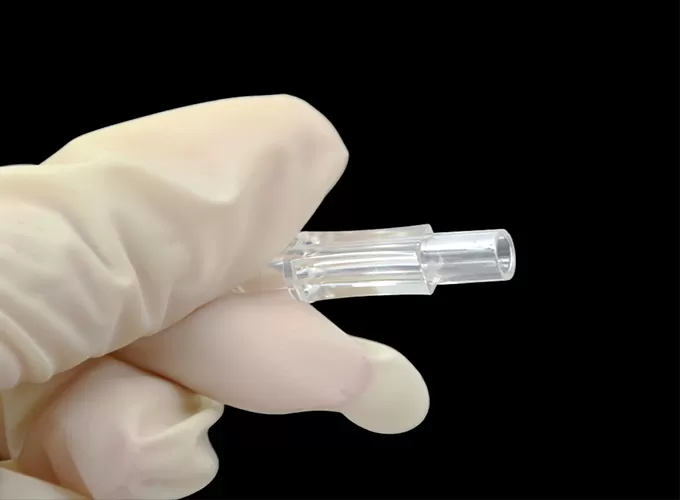
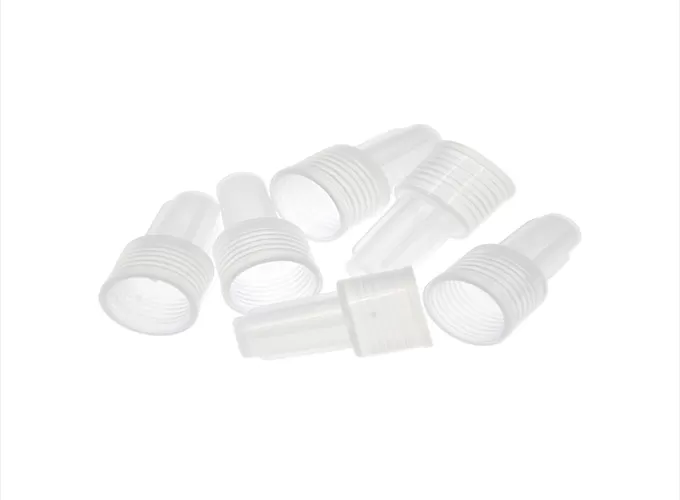
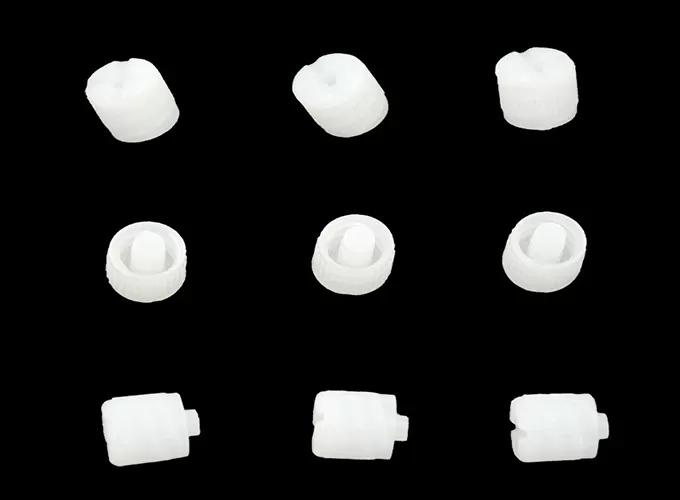
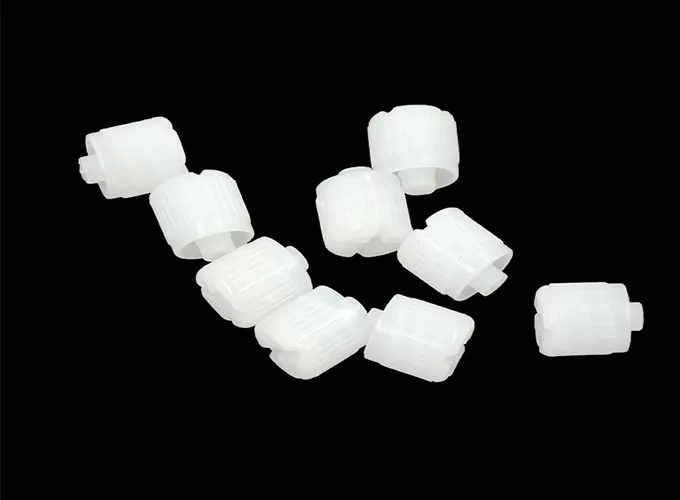
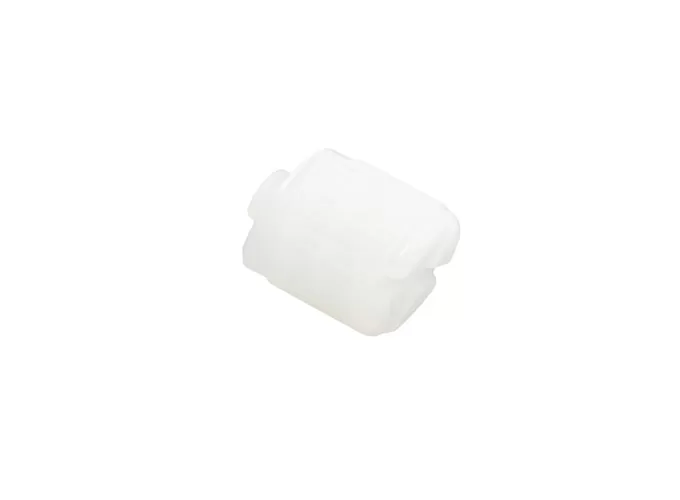
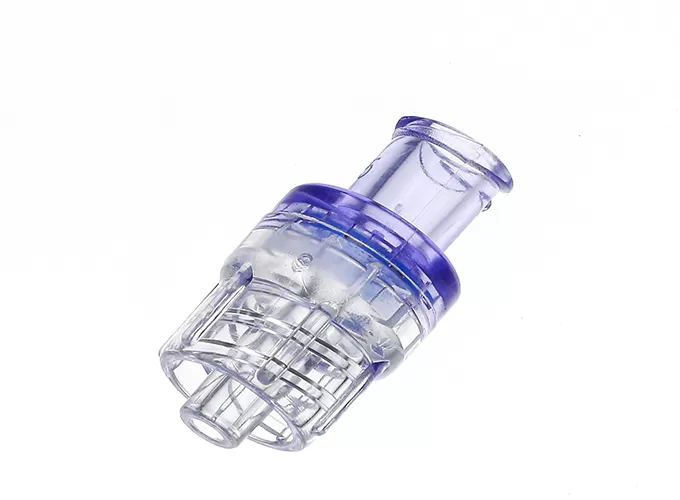
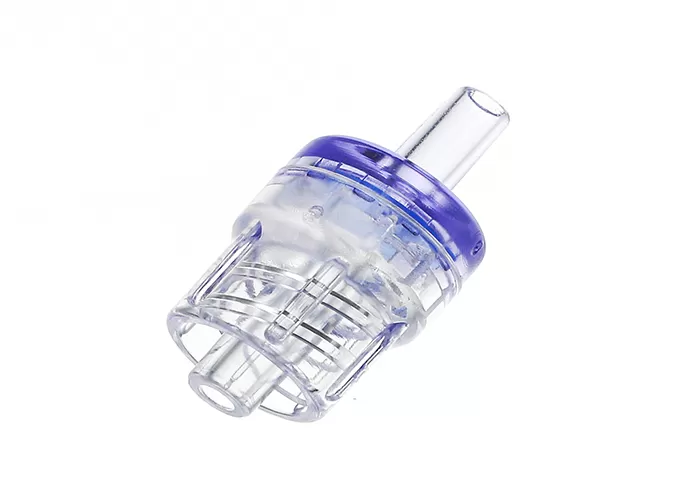
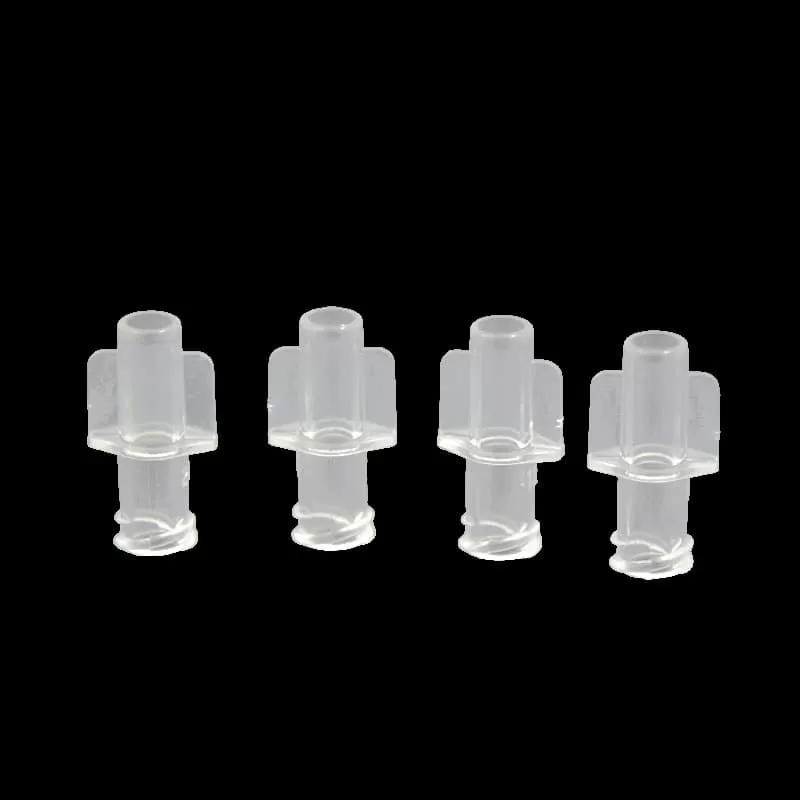
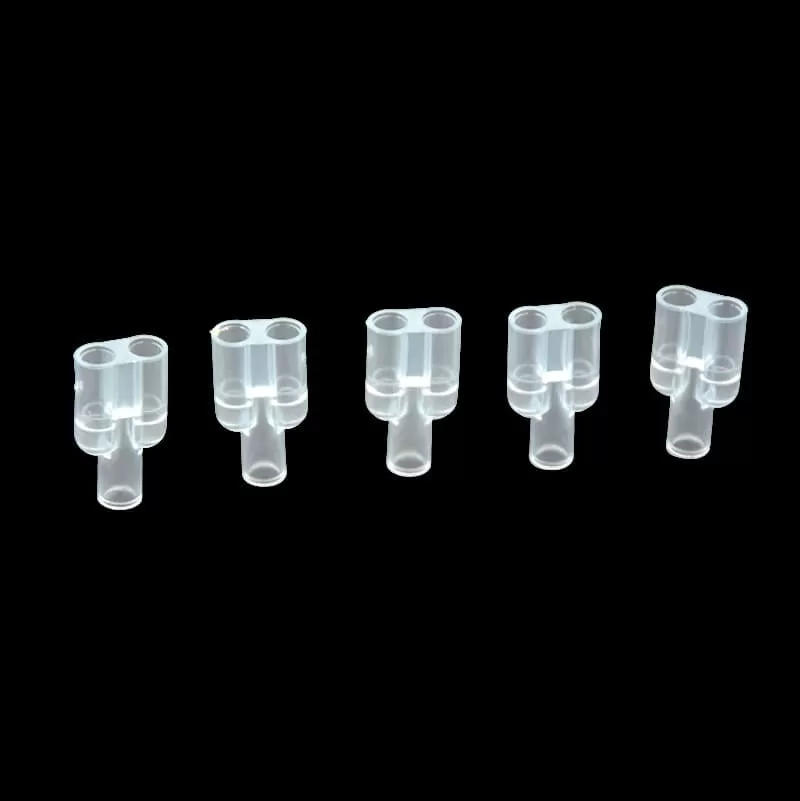
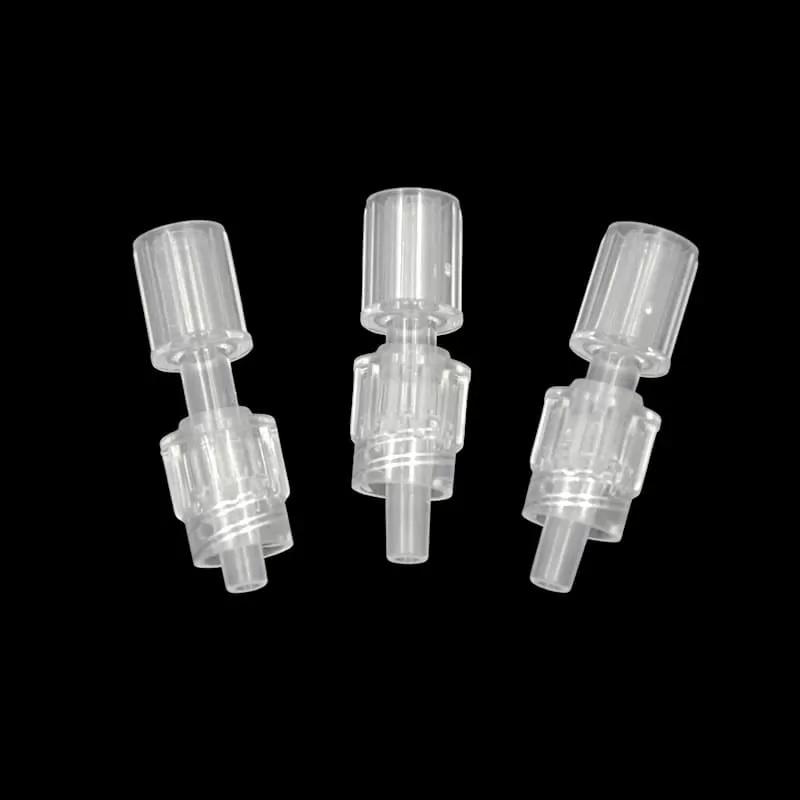
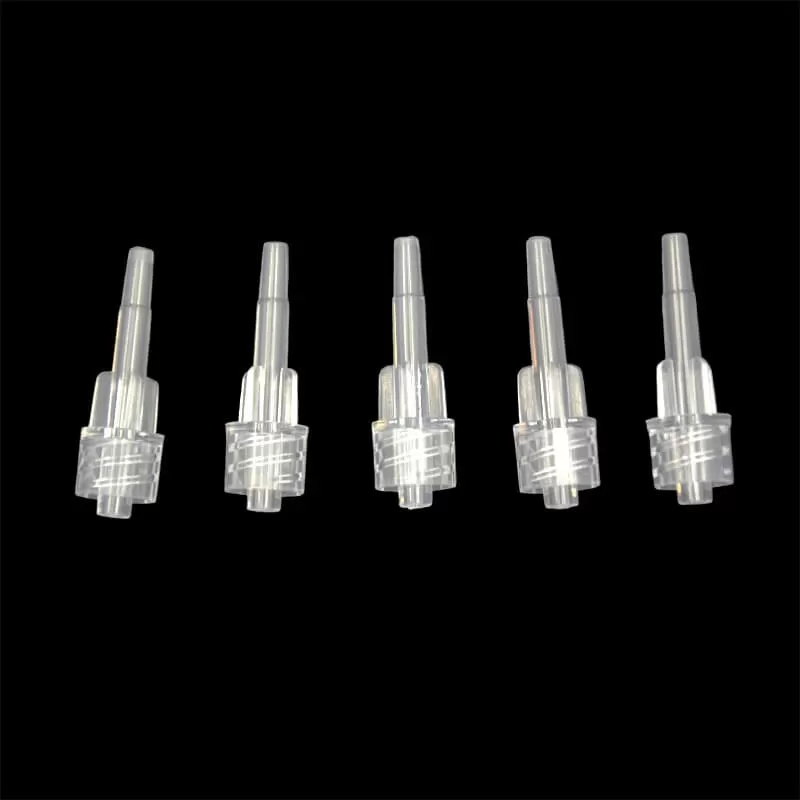
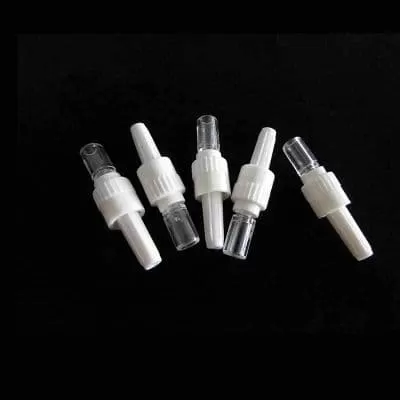
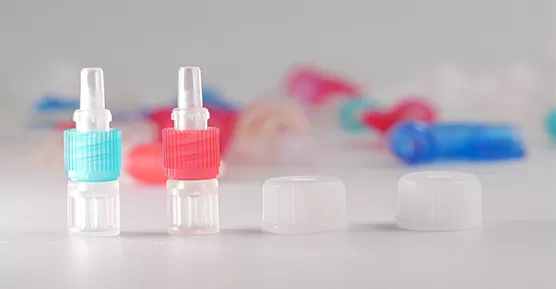
Luer ConnectorLuer Connector 1.jpgLuer Connector 2.jpgLuer Connector 3.jpgLuer Connector 4.jpg
Luer Connector 5.jpgLuer Connector 6.jpgLuer Connector 7.jpgLuer Connector 8.jpg
Luer Connector 9.jpgLuer Connector 10.jpg

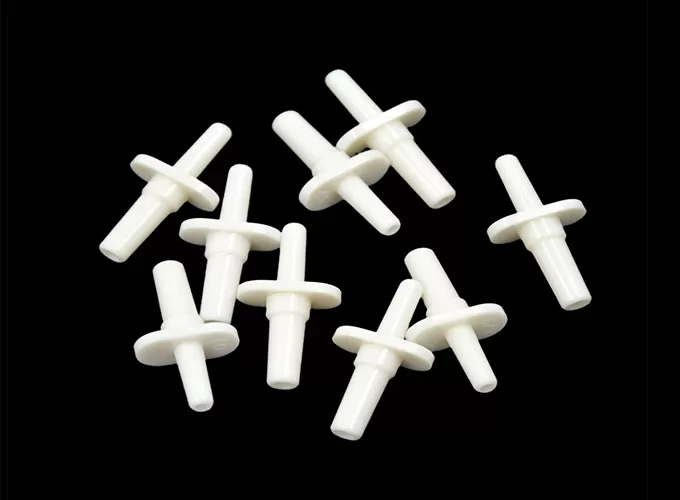
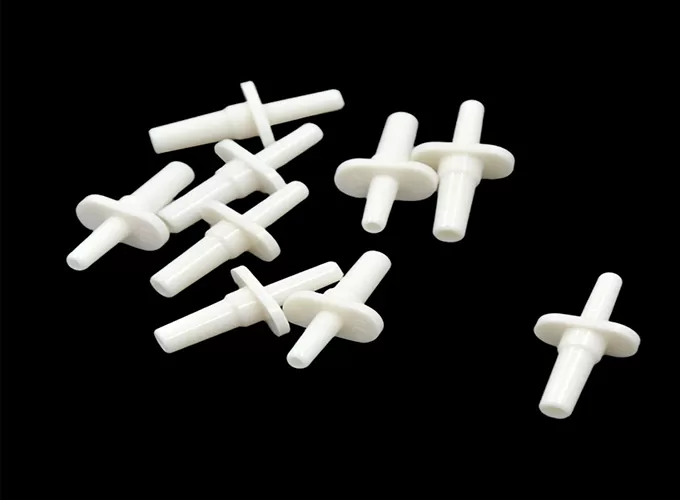
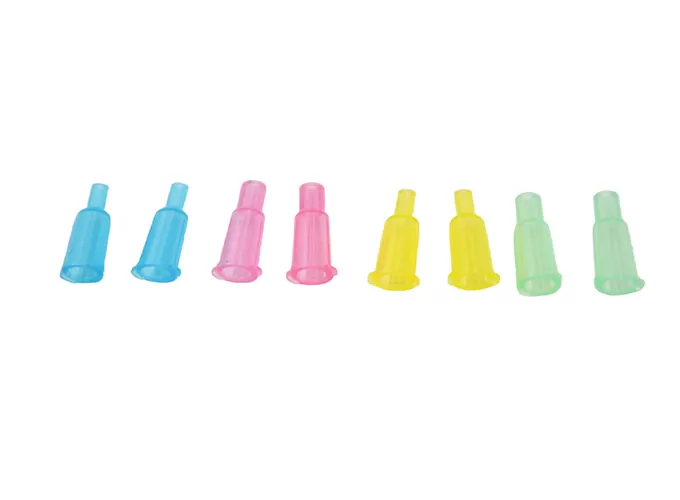
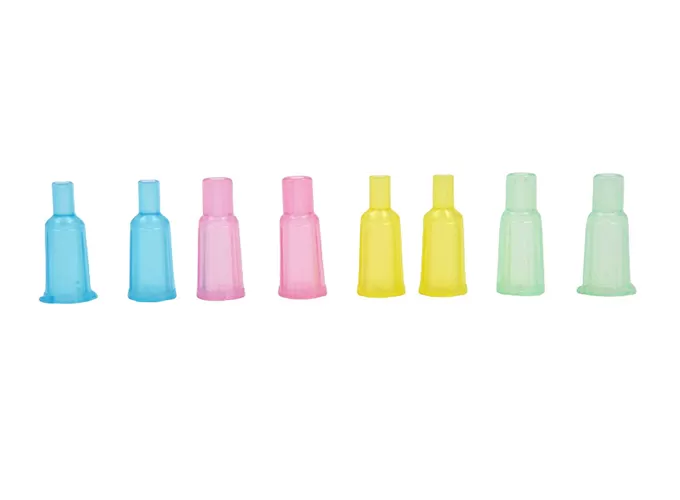
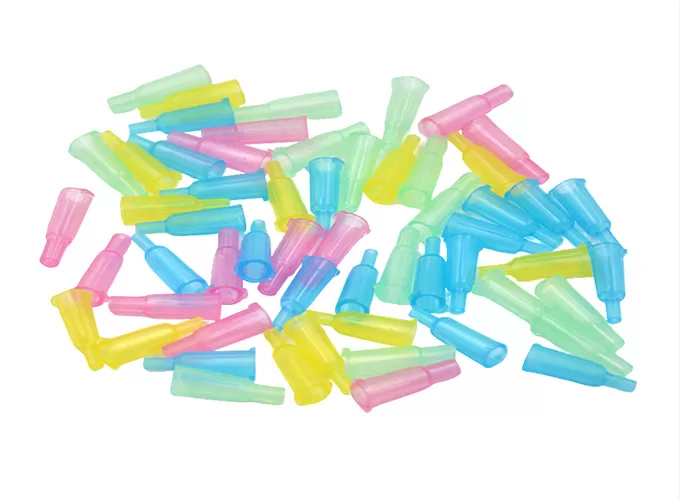
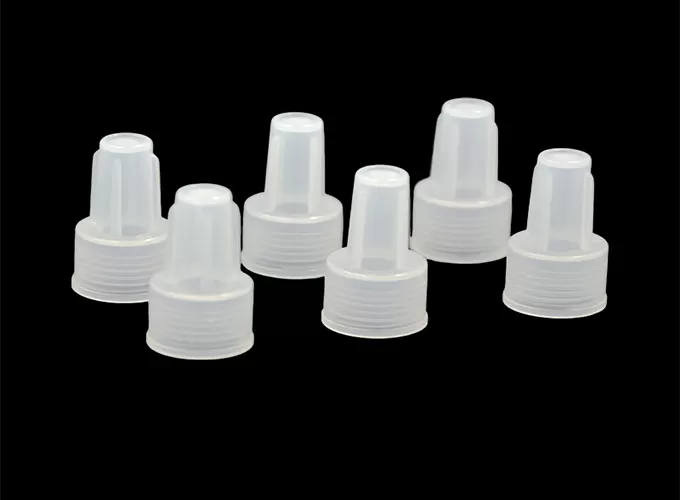
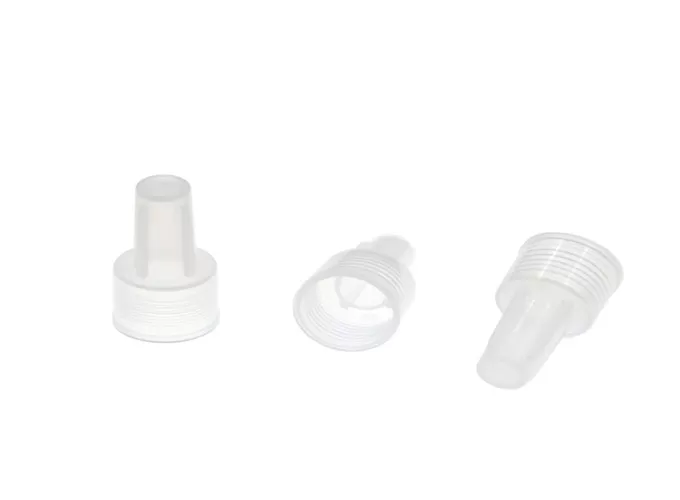
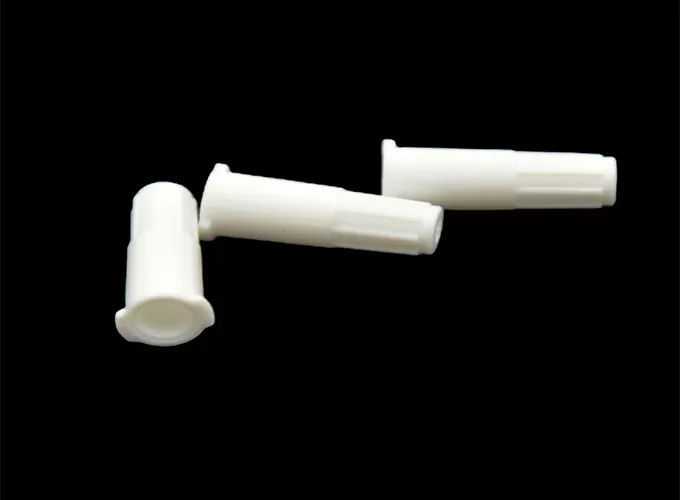
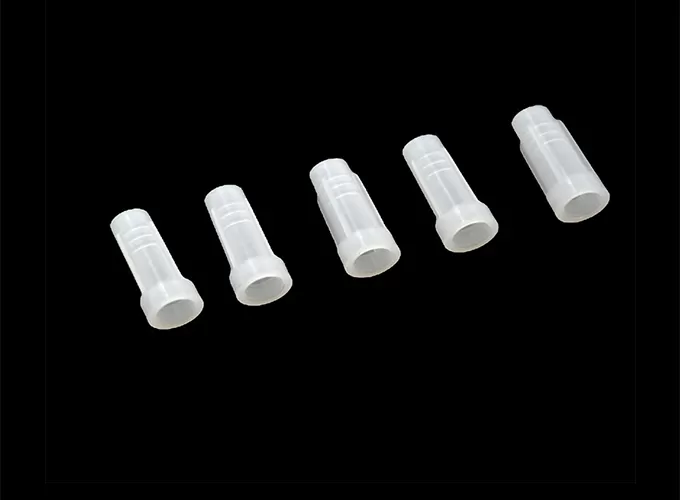
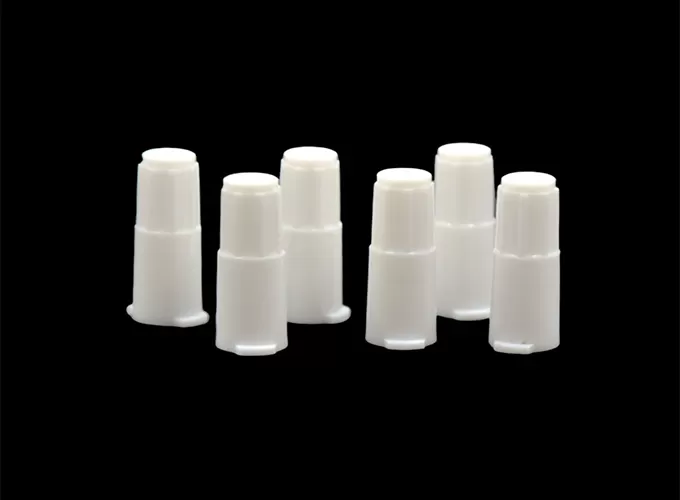
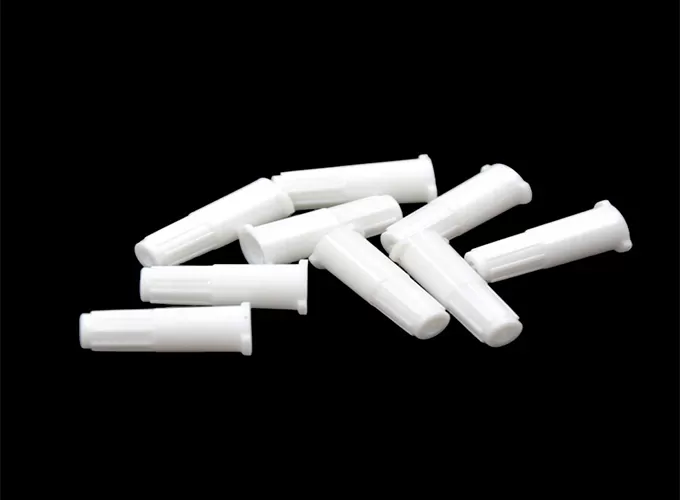
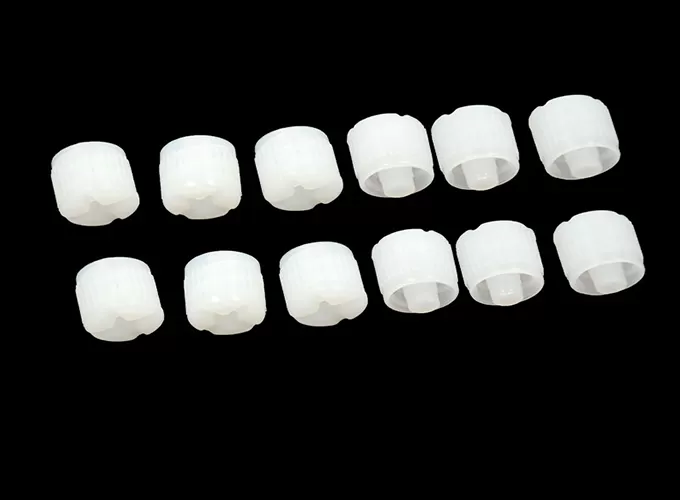
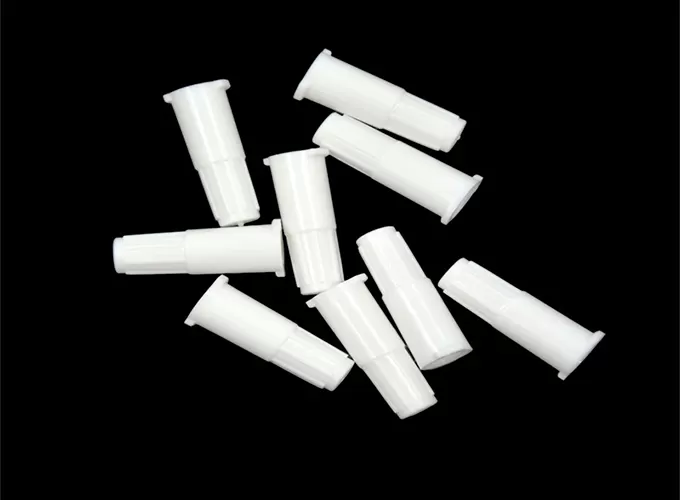
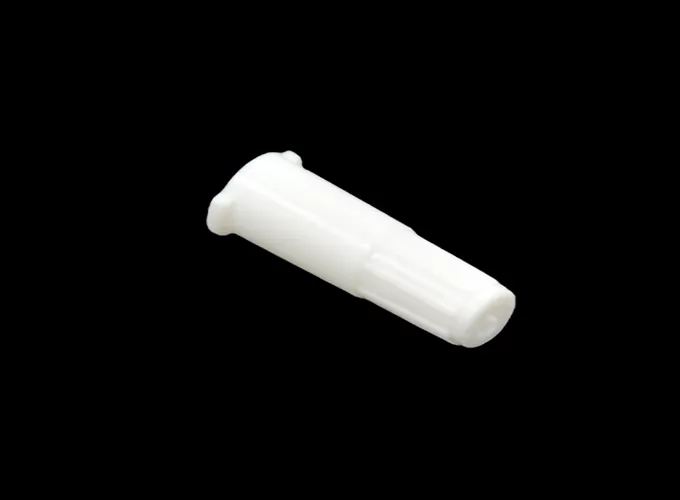
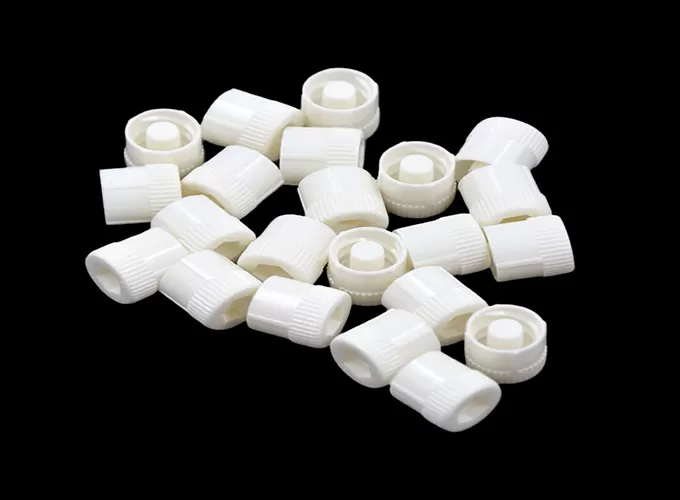
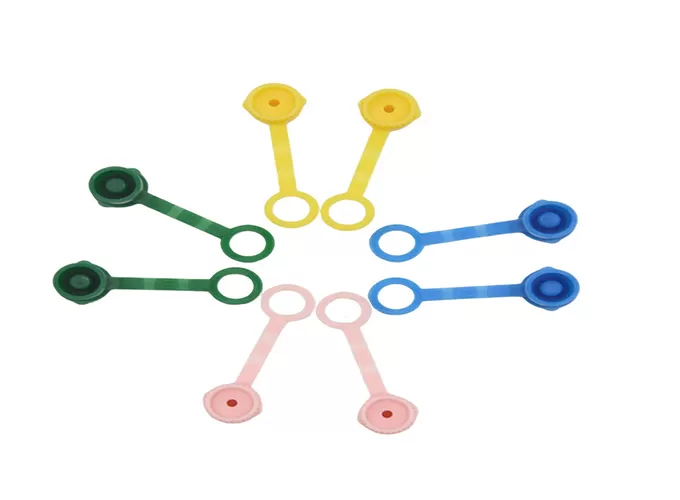
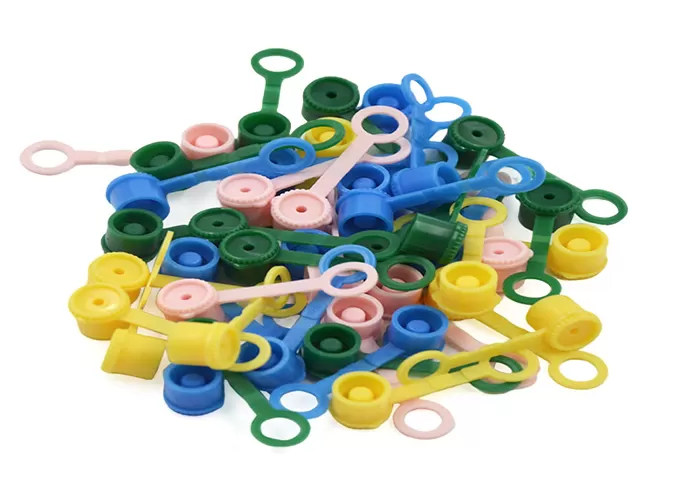
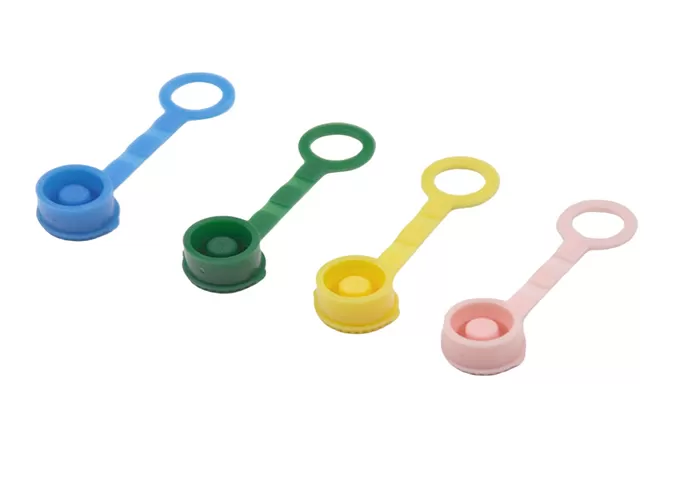
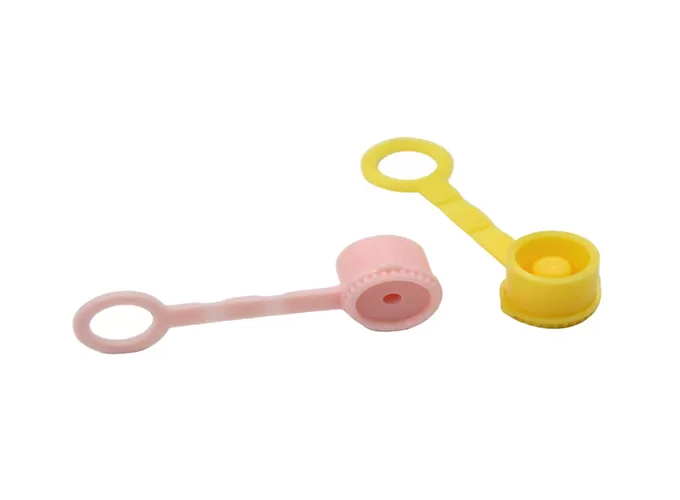
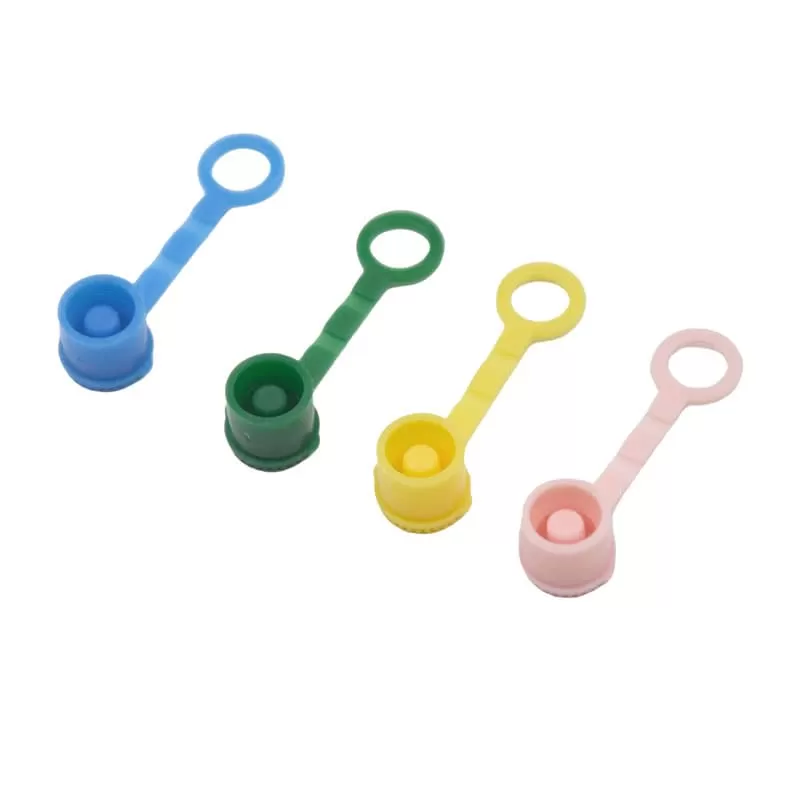
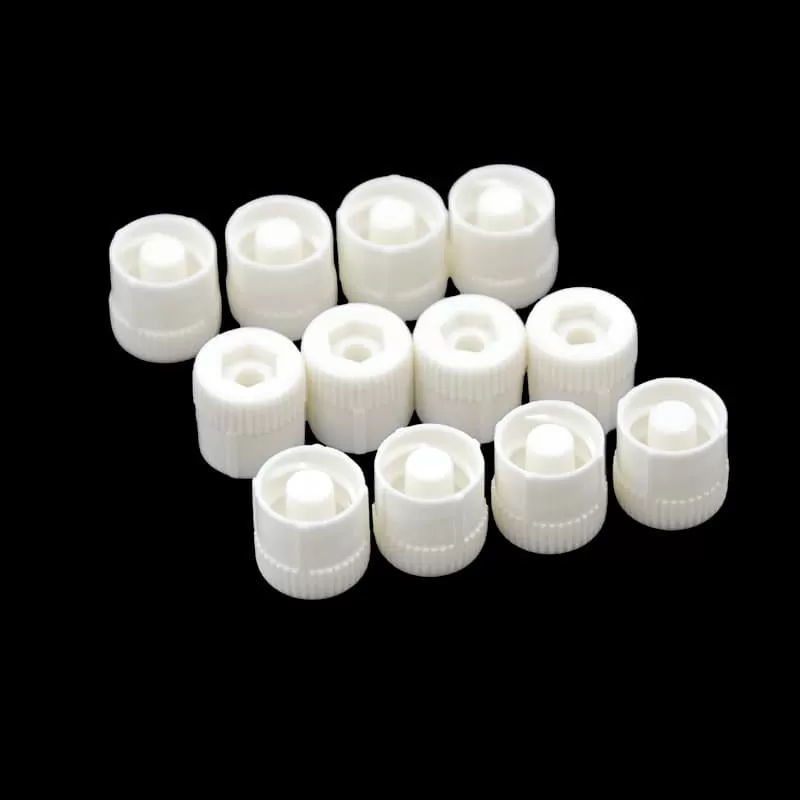
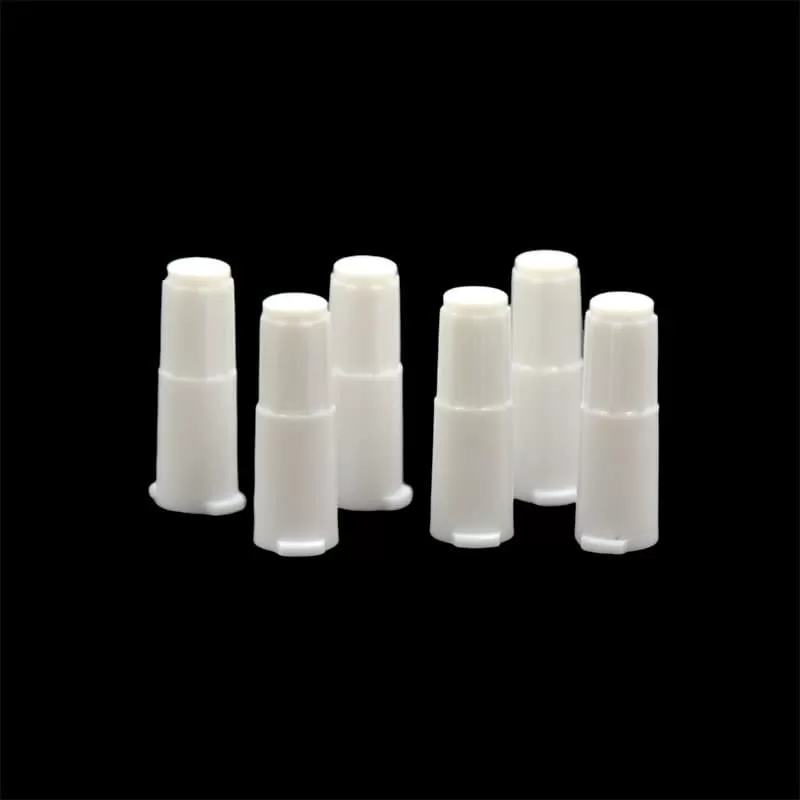
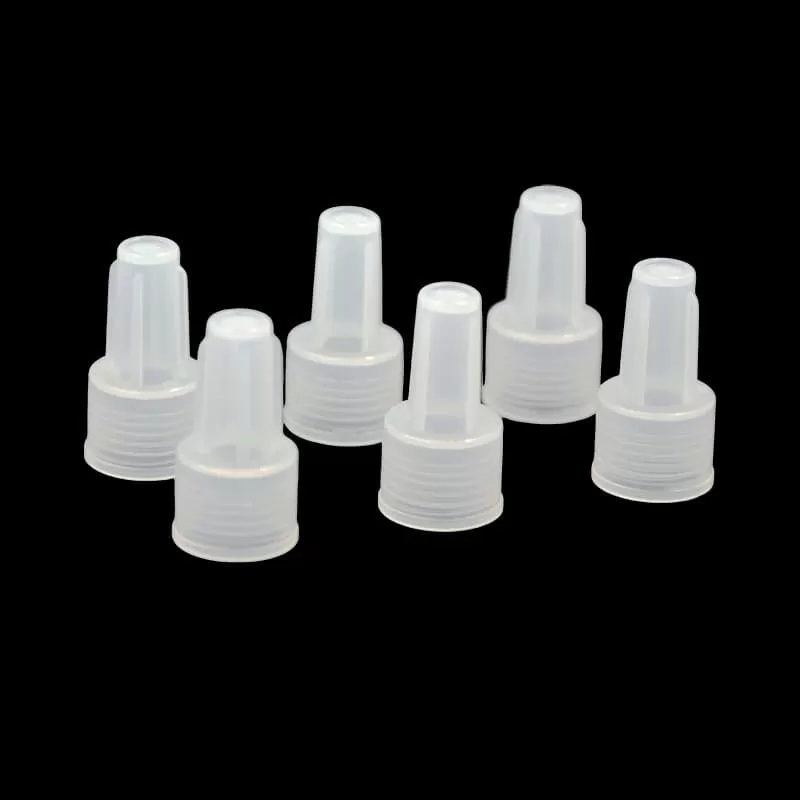
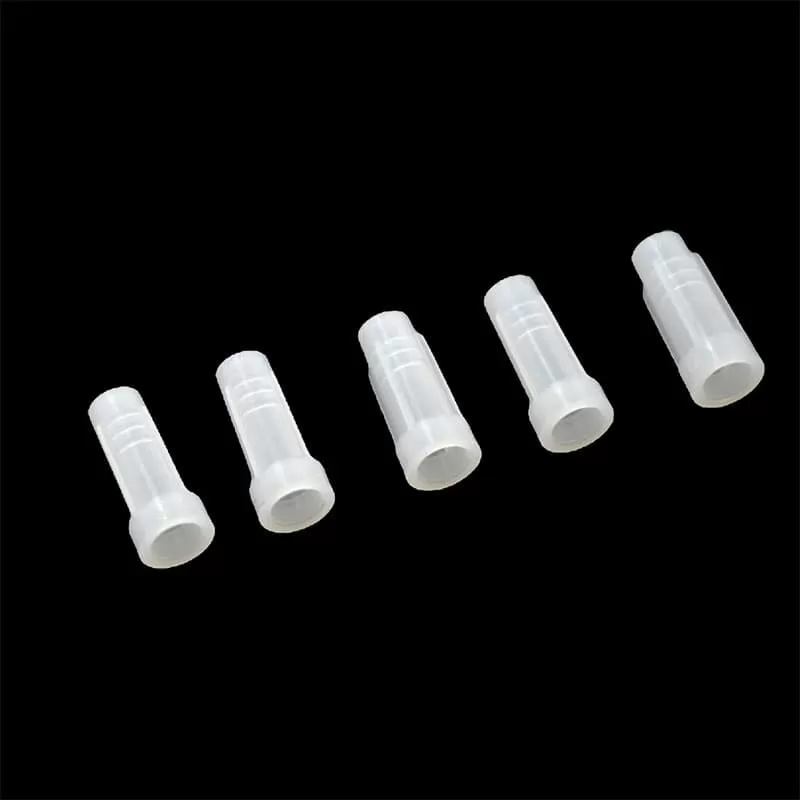
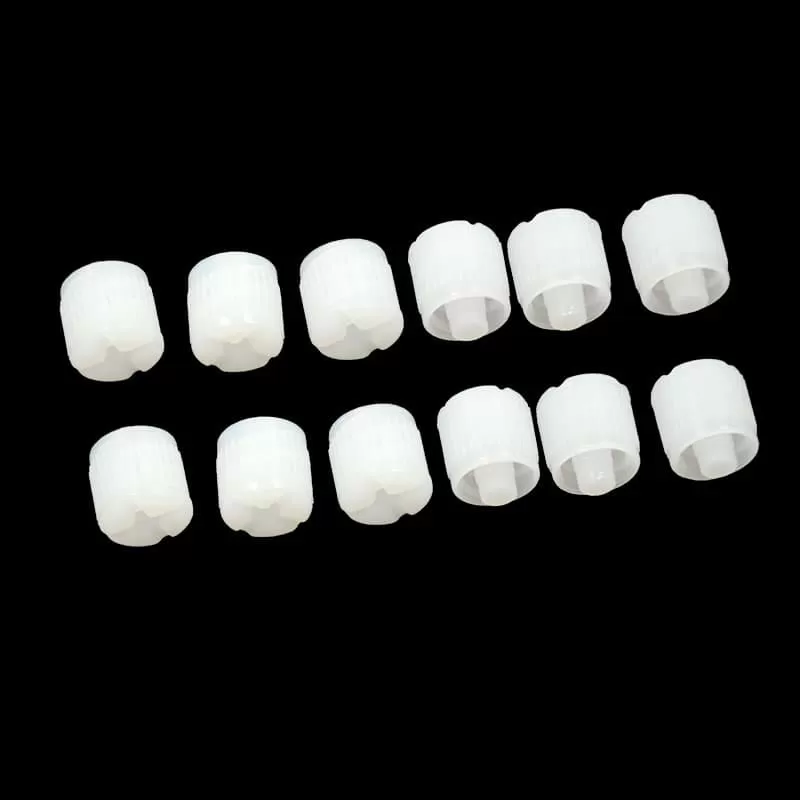
CapCap 1.jpgCap 2.jpgCap 3.jpgCap 4.jpg
Cap 5.jpgcap 6.jpgcap 7.jpg


Standardized assembly process

standardized-assembly-process-1.png


1. Incoming material inspection

Verify accessories:

✓ Supplier's "Medical Device Registration Certificate"

✓ COA (inspection report) and biological performance report for each batch

✓ Accessory size (such as Luer connector in accordance with ISO 80369)


2. Clean area assembly

Environmental control: temperature 18-28℃, humidity 45%-65%

Key processes:

Heat sealing of dropper and pipeline (to verify sealing)

Filter installation (100% bubble point test required)

Lurer connector torque test (0.5-1.2N·m)


3. Process inspection

Sampling every 2 hours:

Flow accuracy (±5% error)

Leak test (no leakage under 50kPa pressure)


4. Terminal processing

Sterilization: EO sterilization (if provided sterile) → analytical residue (≤10μg/g)

Packaging: primary packaging must pass ISO 11607 sealing verification


Standardized assembly process

1. Incoming material inspection

Verify accessories:

✓ Supplier's "Medical Device Registration Certificate"

✓ COA (inspection report) and biological performance report for each batch

✓ Accessory size (such as Luer connector in accordance with ISO 80369)


2. Clean area assembly

Environmental control: temperature 18-28℃, humidity 45%-65%

Key processes:

Heat sealing of dropper and pipeline (to verify sealing)

Filter installation (100% bubble point test required)

Lurer connector torque test (0.5-1.2N·m)


3. Process inspection

Sampling every 2 hours:

Flow accuracy (±5% error)

Leak test (no leakage under 50kPa pressure)


4. Terminal processing

Sterilization: EO sterilization (if provided sterile) → analytical residue (≤10μg/g)

Packaging: primary packaging must pass ISO 11607 sealing verification


Features of Components
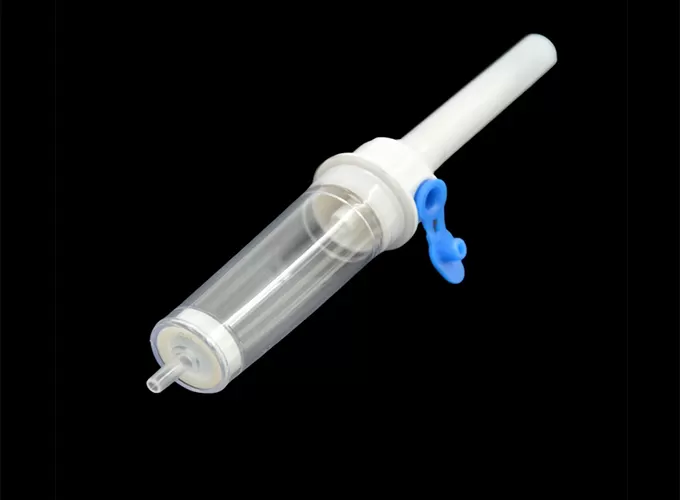
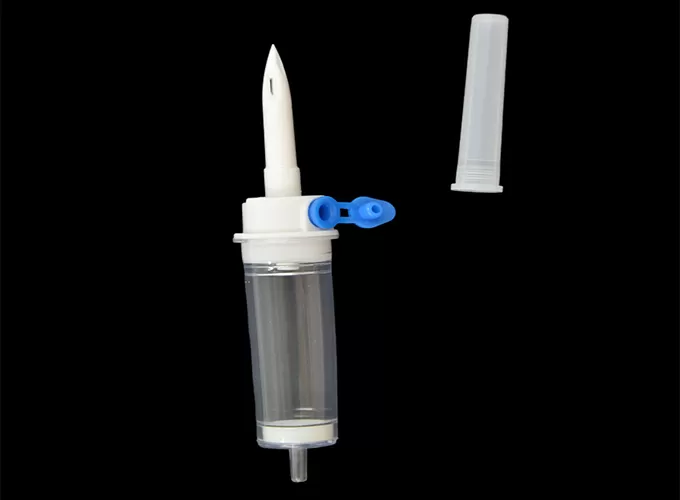
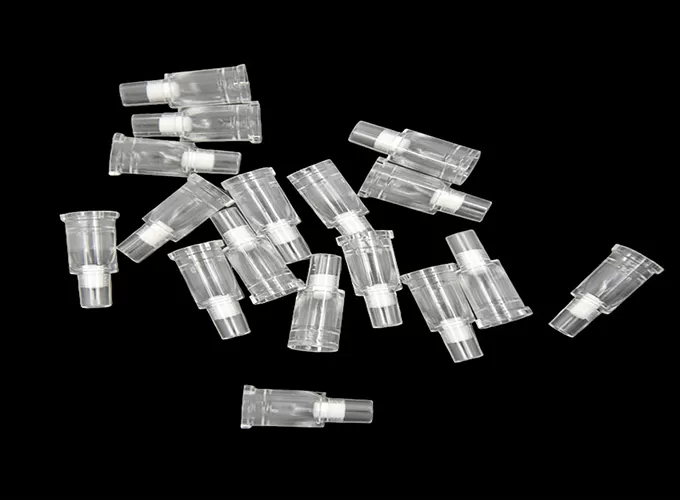
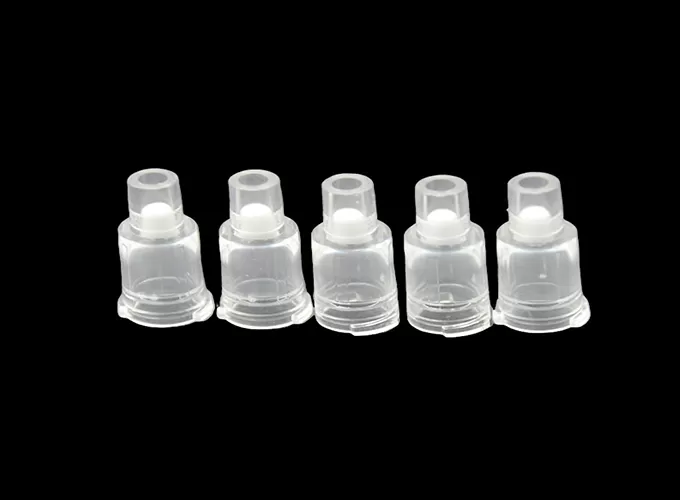
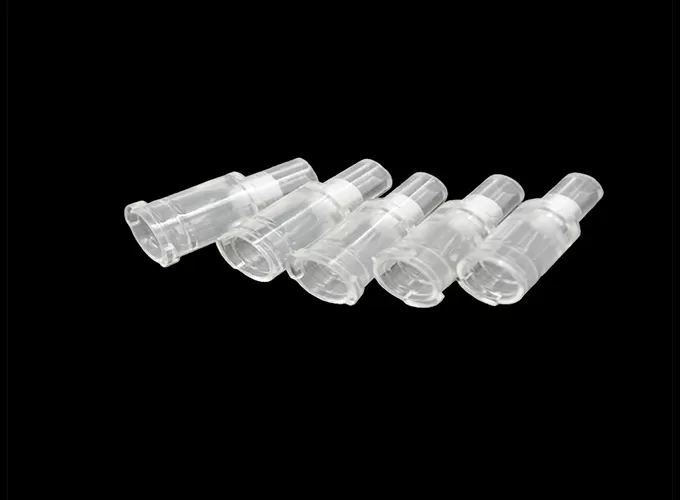
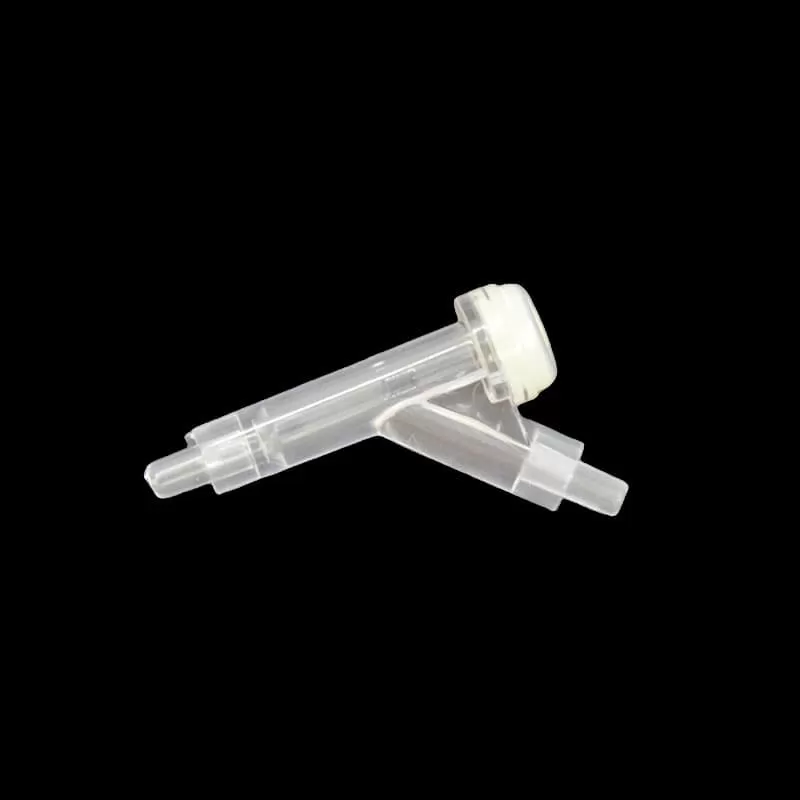
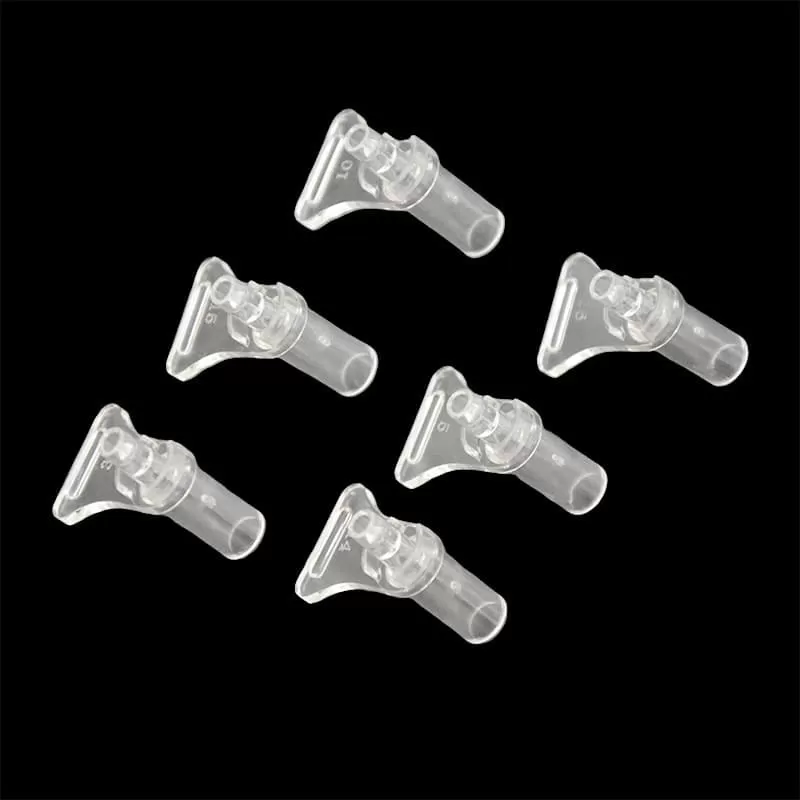
  • Drip Chamber : Visual monitoring of infusion speed. Some models have built-in filter membranes to intercept particulate impurities in the drug solution. The special cavity structure separates bubbles to ensure the safety of infusion. Some models support mid-dose dosing to ensure safe and controllable infusion. .

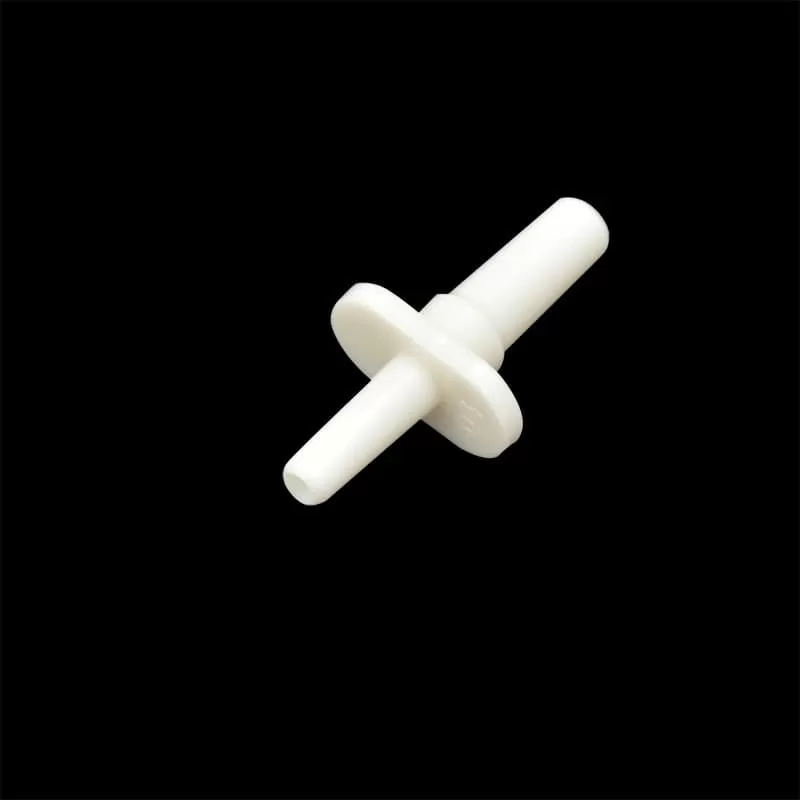
  • Plastic Spike: Safely puncture the seal of the infusion bag/bottle. Its medical-grade PP material can avoid the contamination of rubber chips produced by metal needles. Some models integrate air filters to maintain air pressure balance, while eliminating the risk of sharp injuries and improving clinical operation safety.

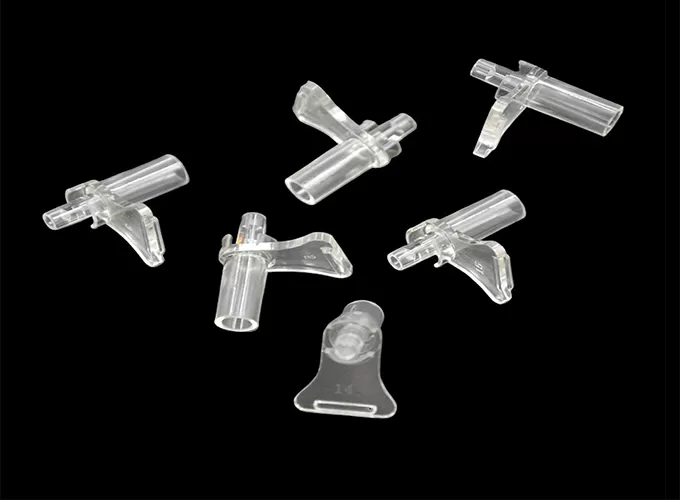
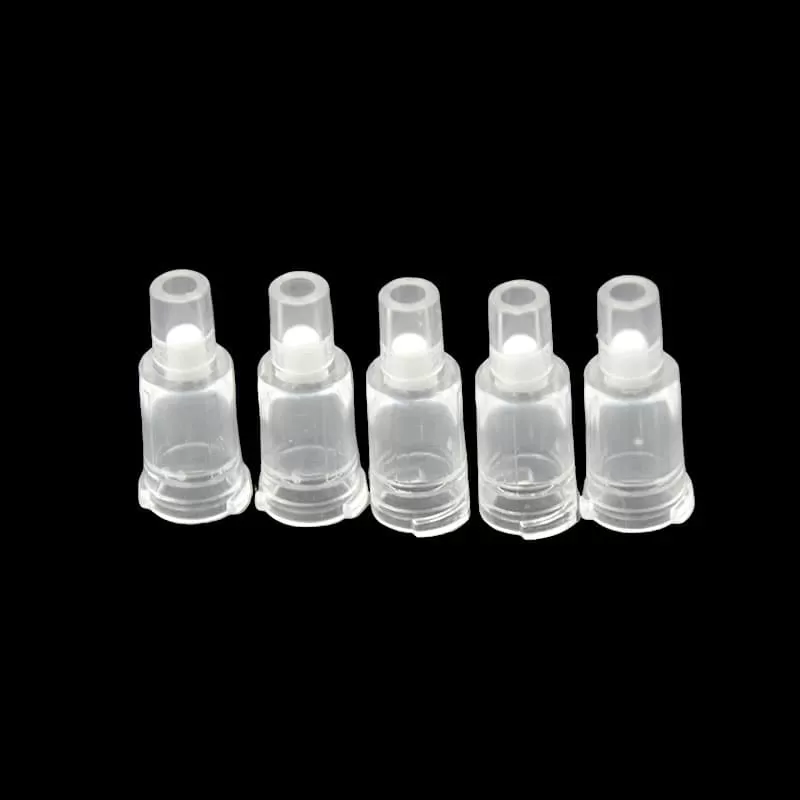
  • Air Vent (usually located in the drip pot or bottle stopper): It is a key design to ensure infusion safety. It balances the air pressure inside and outside the infusion container to prevent negative pressure from causing abnormal drip rate or container collapse. At the same time, it blocks microorganisms and particles from entering the drug solution to ensure a stable and safe infusion process.

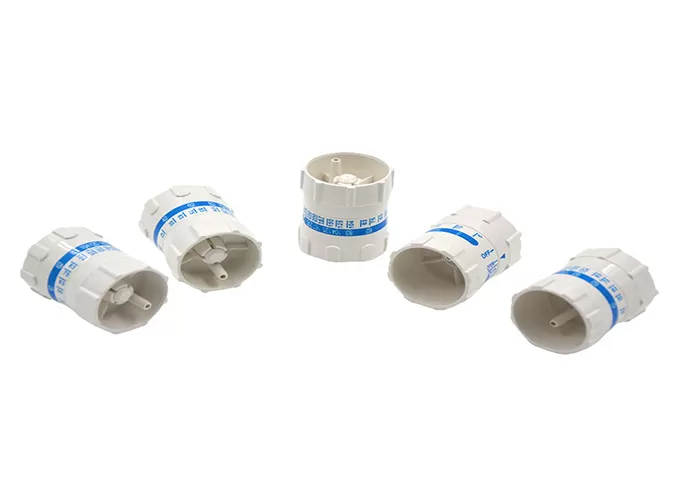
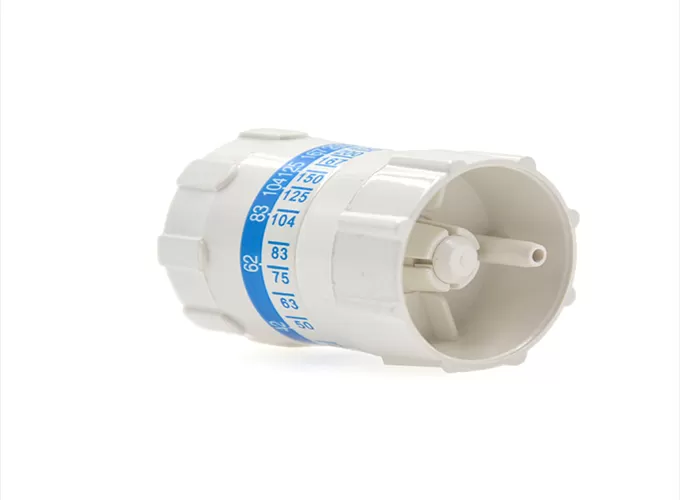
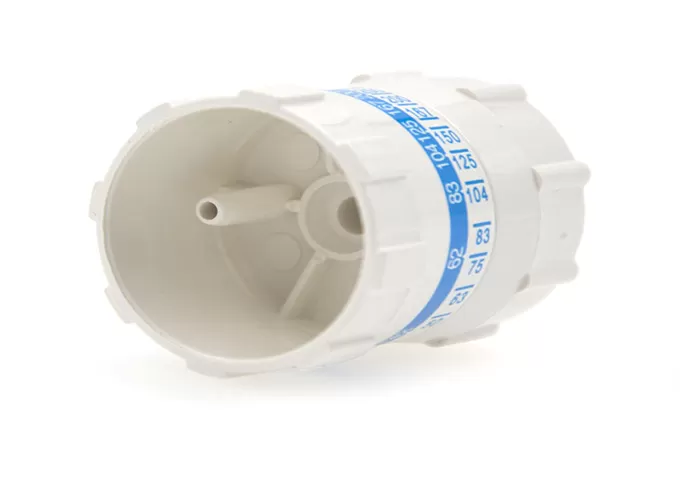
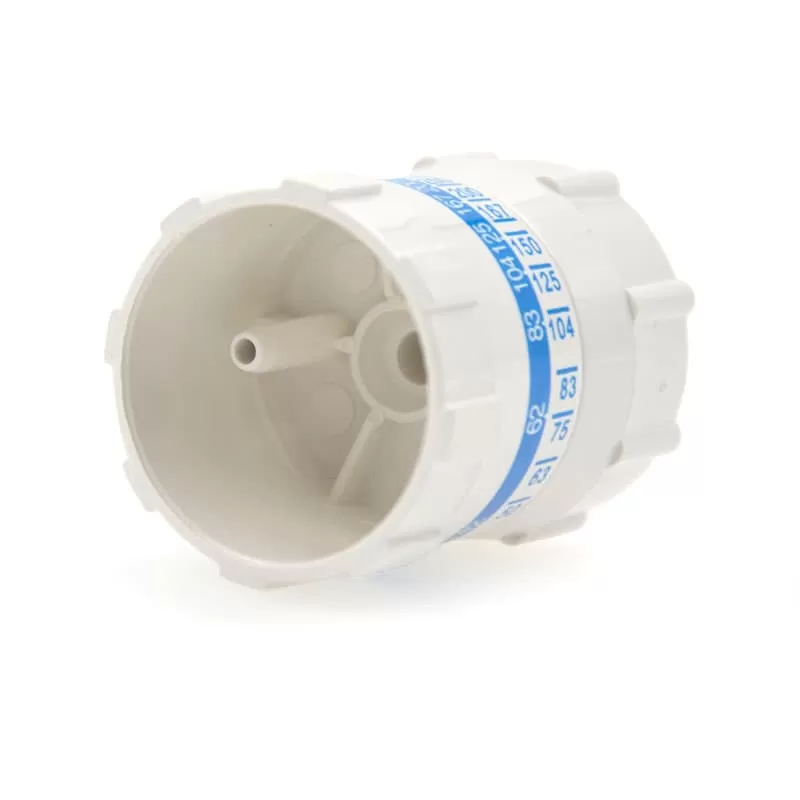
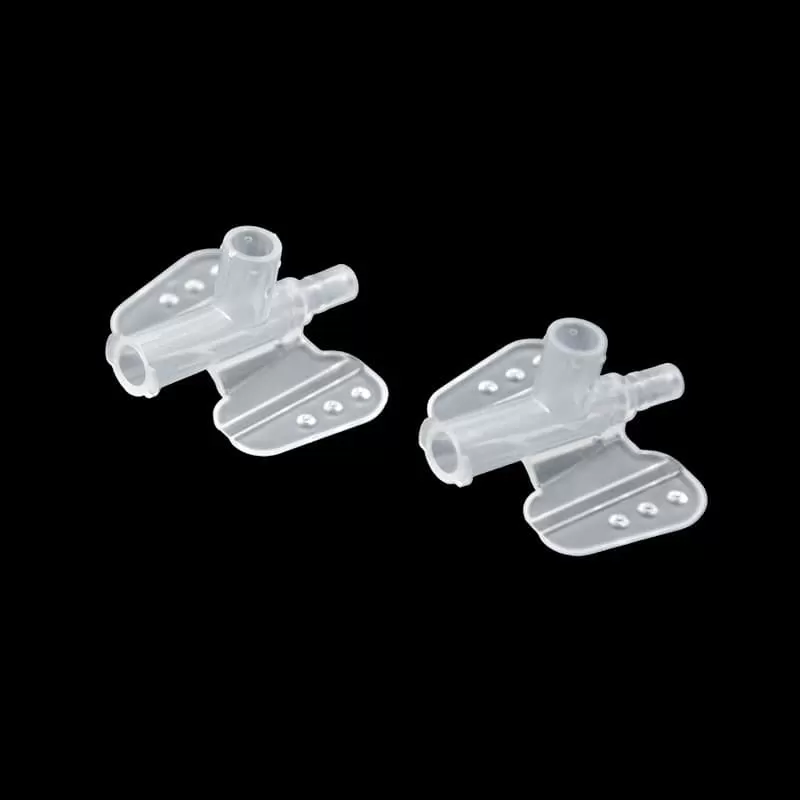
  • Flow Regulator: The flow rate of the drug solution is controlled through a precision mechanical structure (adjustment range 1-1000mL/h). Its error rate is less than 5%. It has an anti-slip locking function and can accurately adapt to different treatment needs to ensure safe and stable infusion.

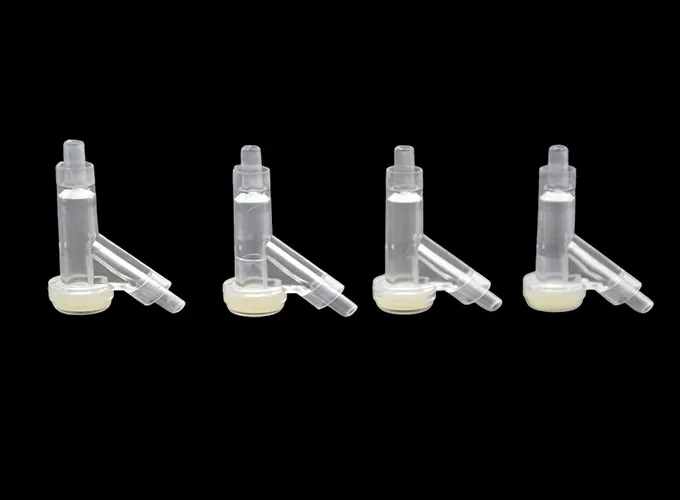
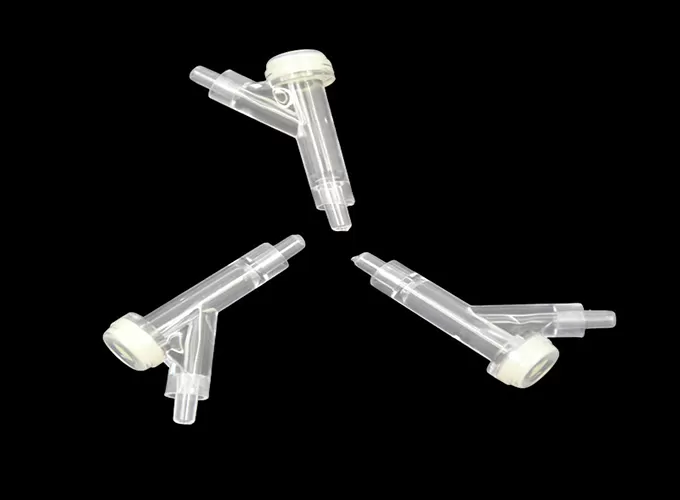
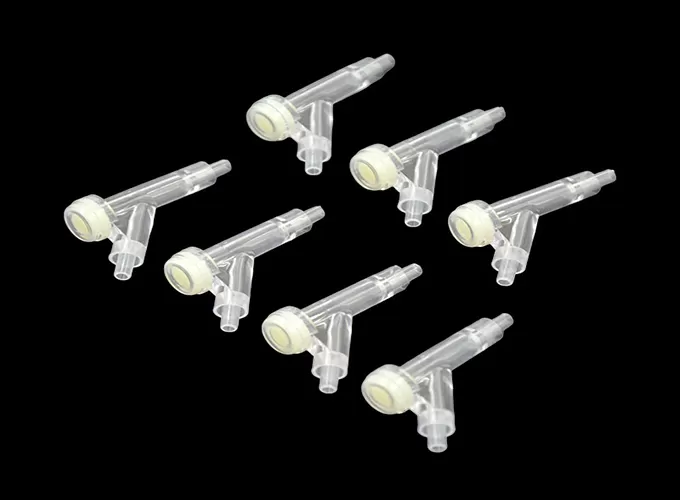
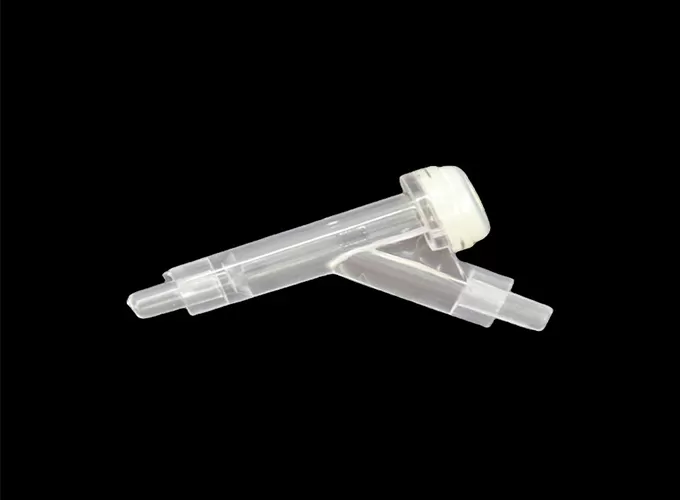
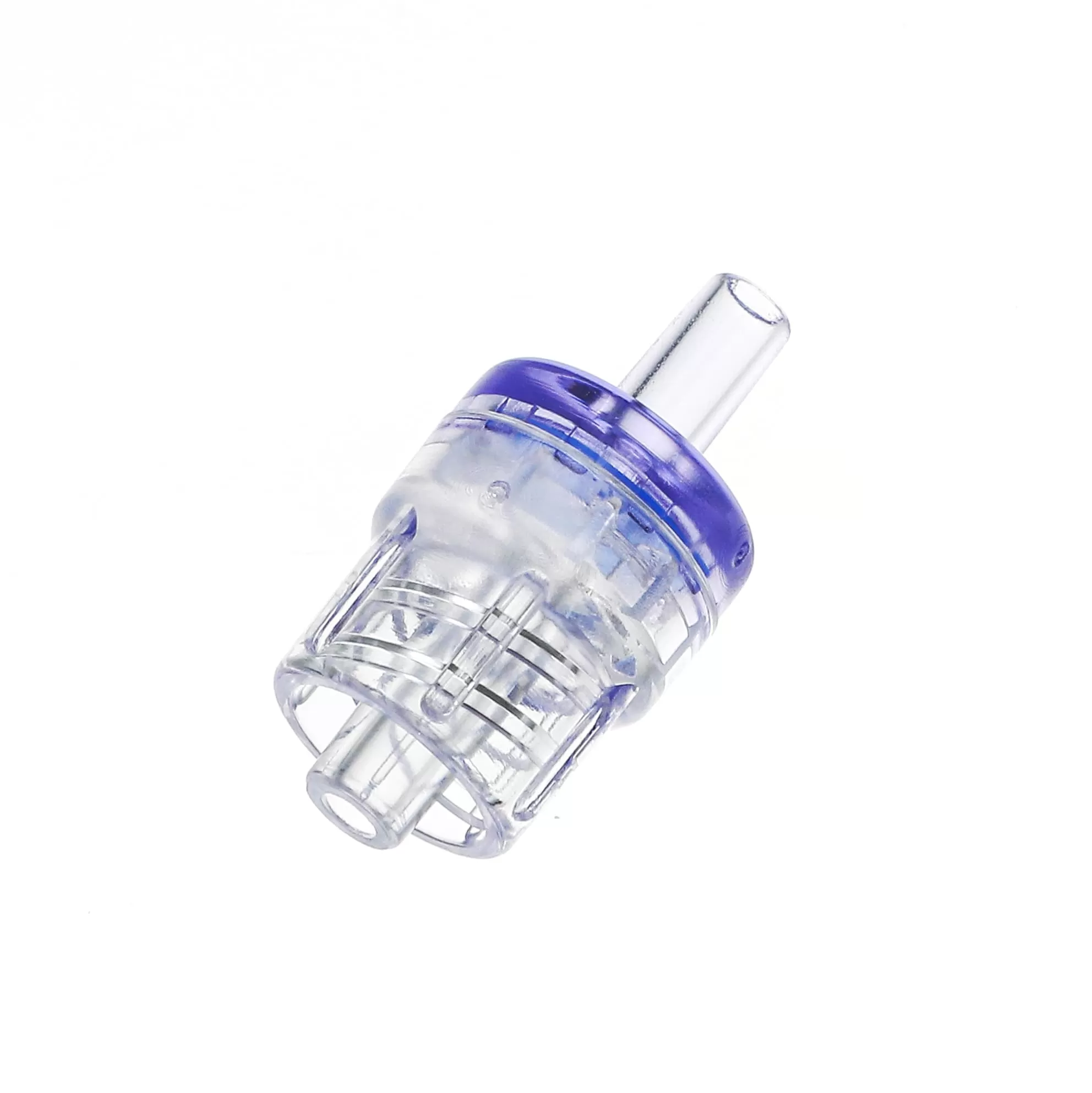
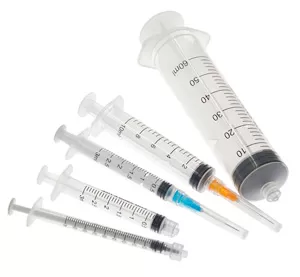
  • Injection Port: Self-sealing design with silicone diaphragm, 30° bevel needle insertion reduces puncture difficulty, compatible with standard Luer connector syringes

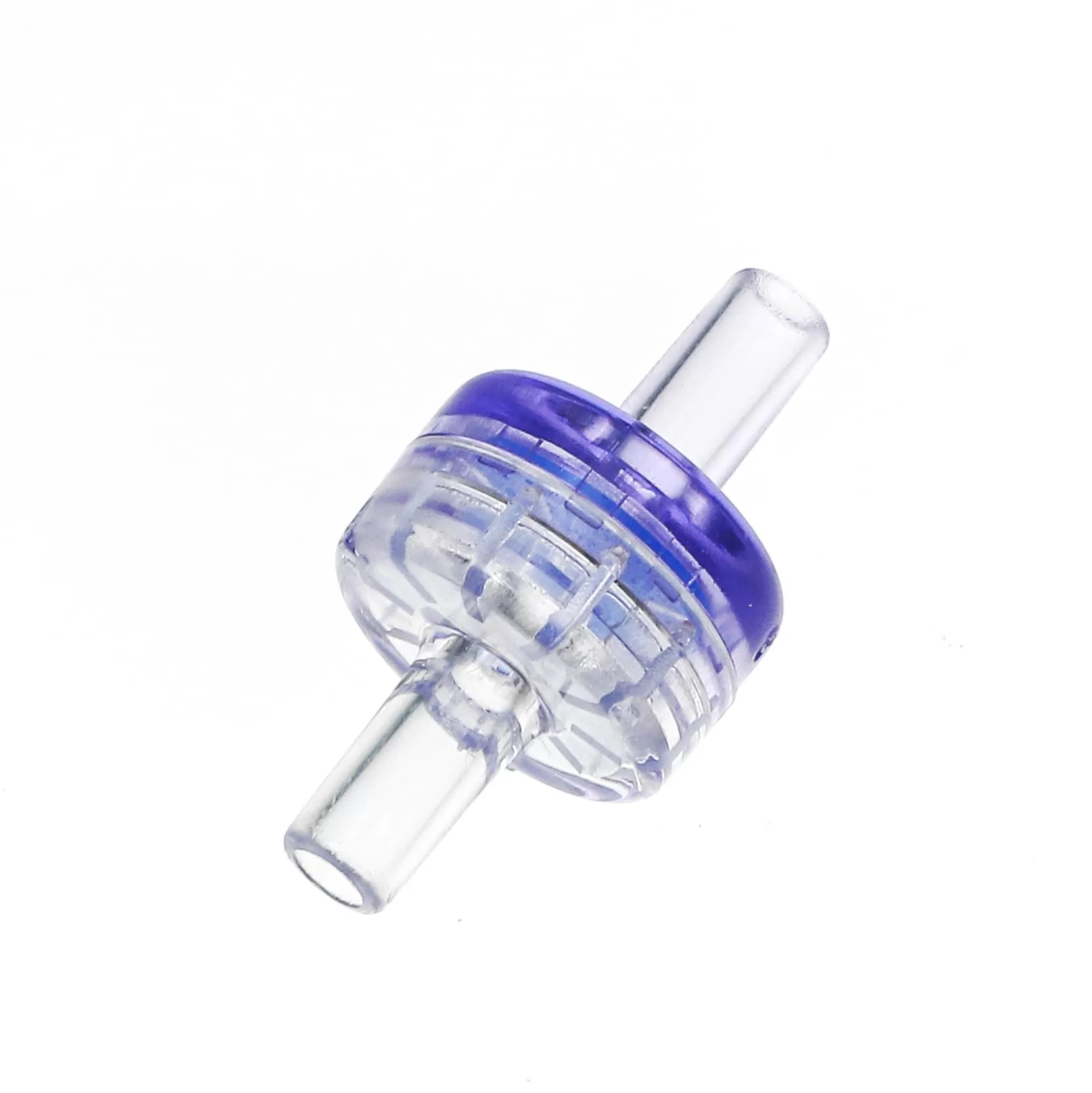
  • Back Check Valve: One-way control device in the infusion system, which can completely block the backflow of drug solution or blood (pressure resistance 0.03MPa), avoid cross contamination, and is especially suitable for blood transfusion and pump therapy.

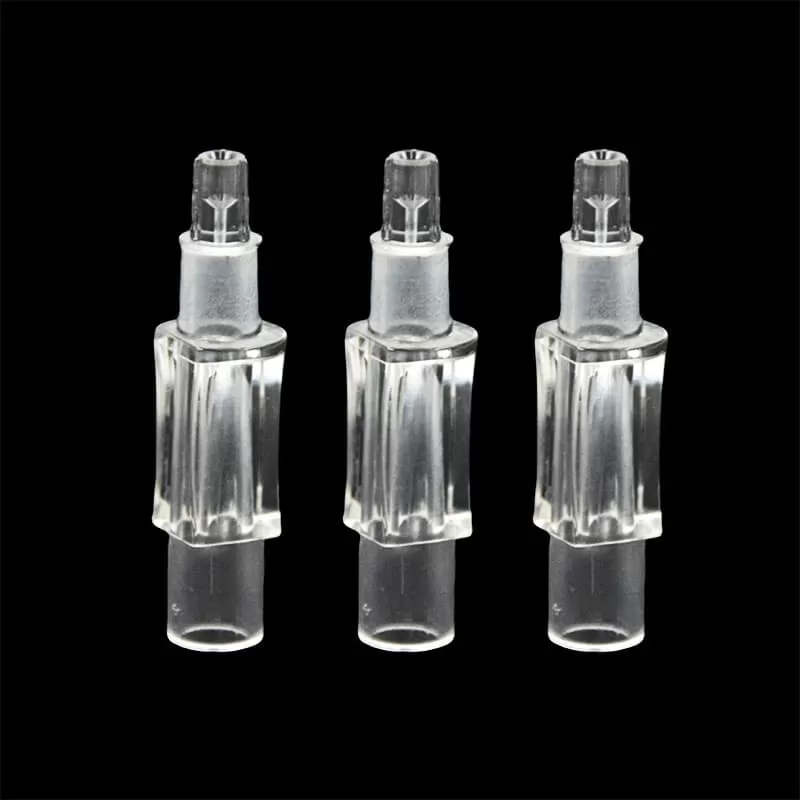
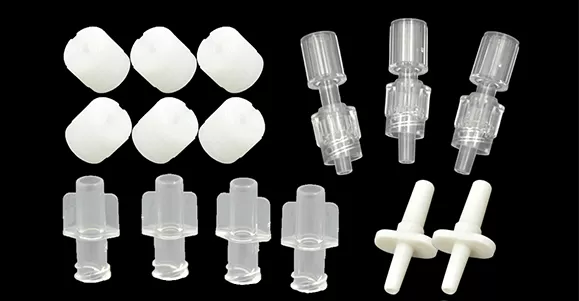
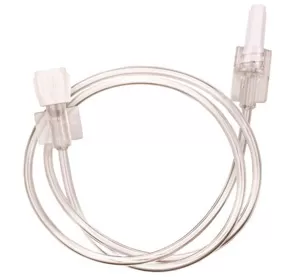
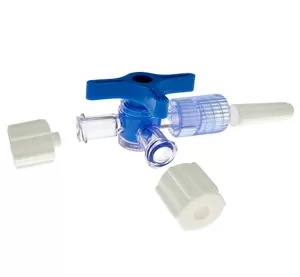
  • Luer Connector: Standardized connection interface of the infusion system, with 6% taper fit and thread locking design (ISO 80369 standard), can withstand 300kPa pressure, and ensure sterile and leak-free connection between the infusion set and the needle/catheter.

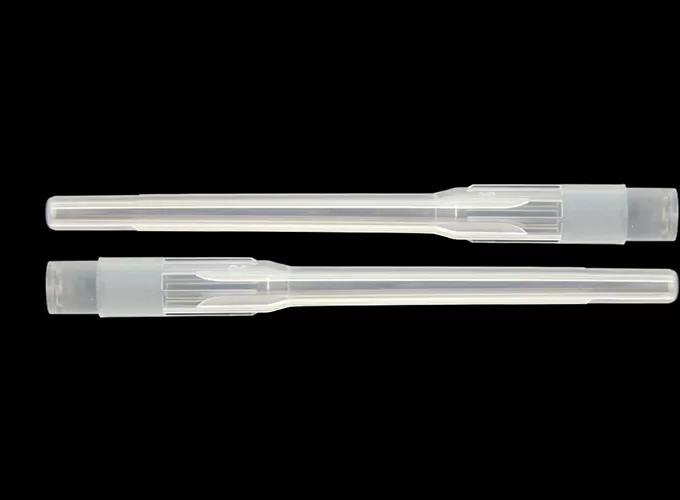
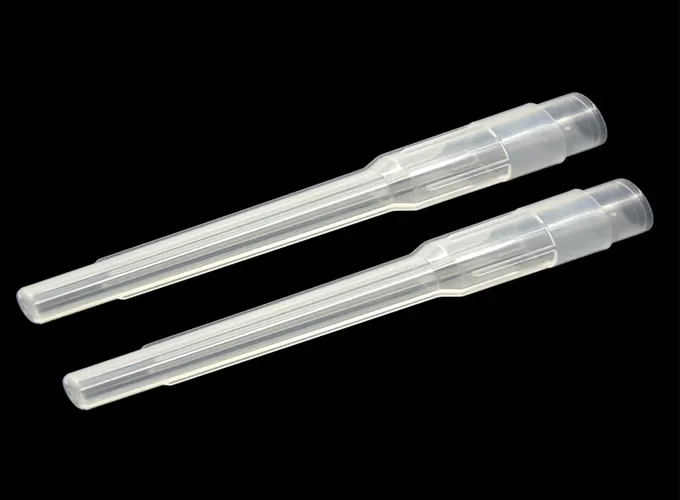
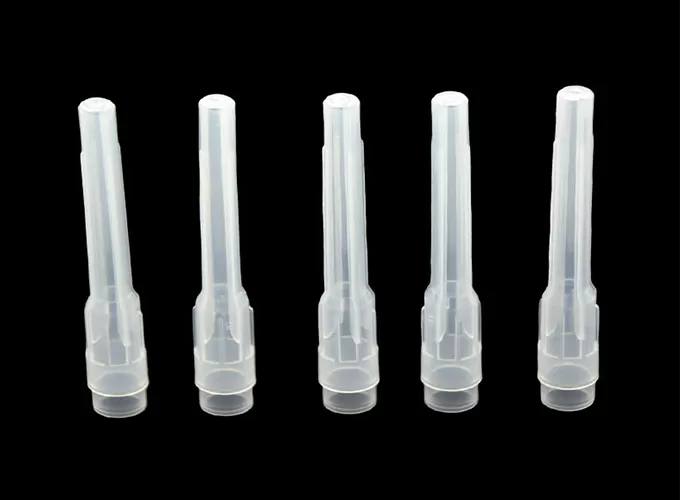
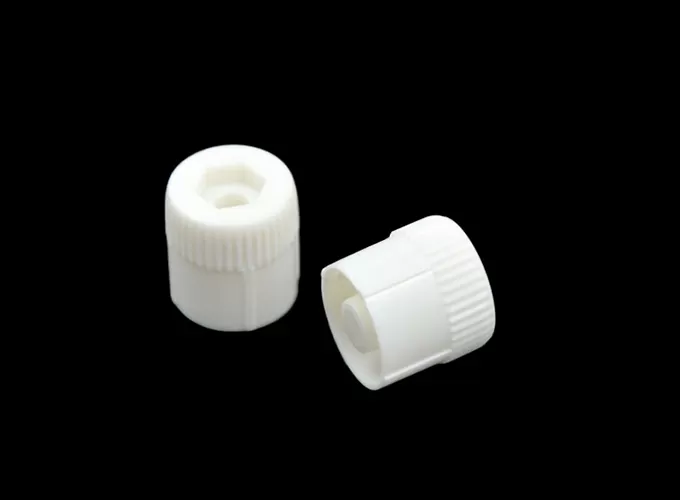
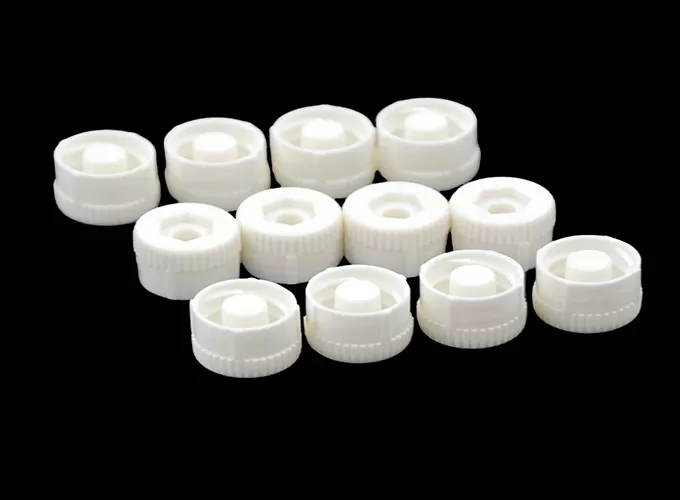
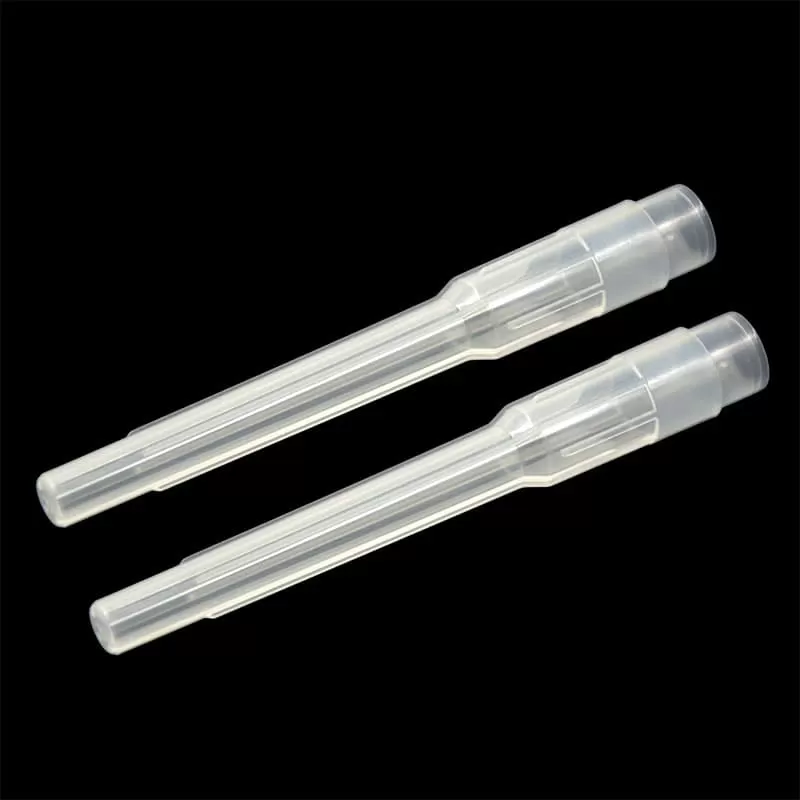
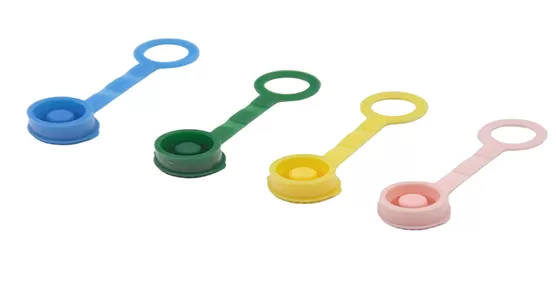
  • Needle Cap: Safety protection device for infusion needles, in line with ISO 23908 anti-puncture standards, with sterile sealing design, which can effectively avoid needle contamination and sharp injuries to medical staff, ensuring safety throughout the use.


Indication of Components
  • IV Components are mainly used in the following scenarios:

  • Infusion therapy in hospital wards

  • Infusion of emergency drugs

  • Delivery of chemotherapy drugs

  • Anesthetic administration

  • Home infusion management of chronic diseases


Get In Touch With JCMED
CONTACT JCMED

Want to Get More Details About JCMED Medical Consumables?

We're waiting for your contact!