English
JCMED(TIANJIN) IMPORT&EXPORT CO., LTD.
Home Medical Equipment

Home Medical Equipment

Get A Quote
Uses of Home Medical Equipment

Home medical devices help users better manage their health, especially for patients with chronic diseases and the elderly, and can detect health problems in time and take corresponding measures.


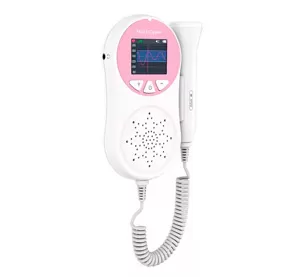
Doppler fetal heart rate monitors are mainly used for pregnant women to monitor the heart rate of the fetus and assess the health of the fetus.


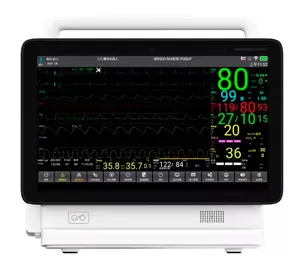
Patient monitors are used for home care or postoperative rehabilitation, real-time monitoring of vital signs such as heart rate, blood pressure, and blood oxygen, helping to detect abnormalities in time.


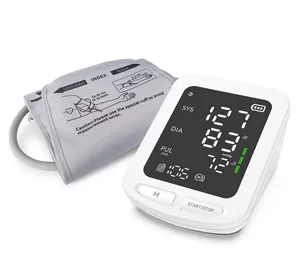
Blood pressure monitors are suitable for daily blood pressure monitoring for patients with hypertension, the elderly, and people who care about their own health.


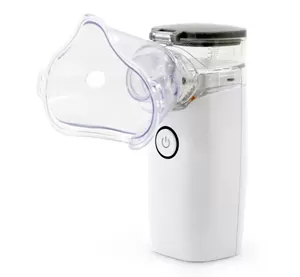
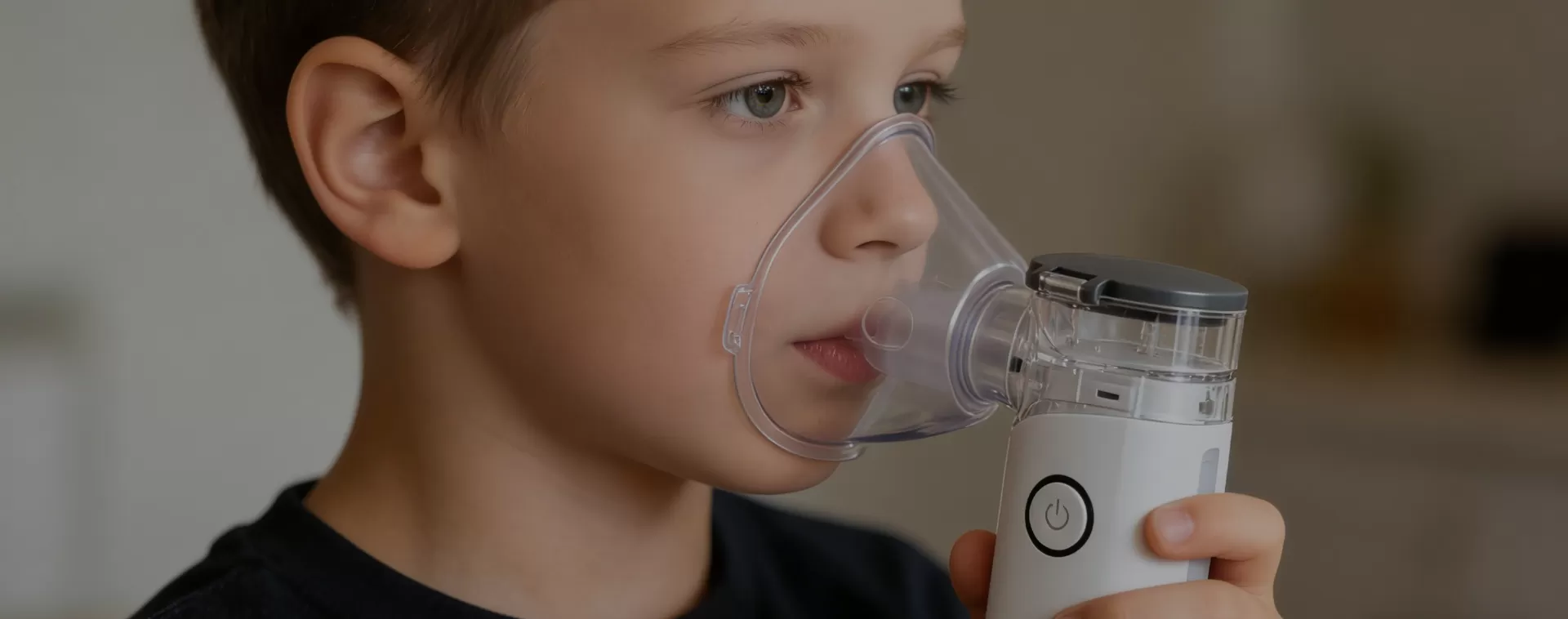
Nebulizers are often used to treat various respiratory diseases, such as asthma, bronchitis, pneumonia, pharyngitis, etc., and the drugs are atomized and inhaled to relieve symptoms.


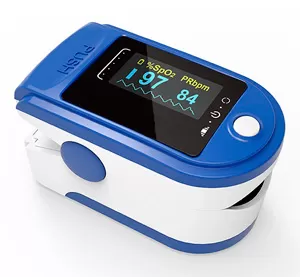
Pulse oximeters are mainly used to monitor the body's blood oxygen saturation and pulse rate, and are suitable for patients with respiratory diseases, postoperative recoveries, or residents in plateau areas.


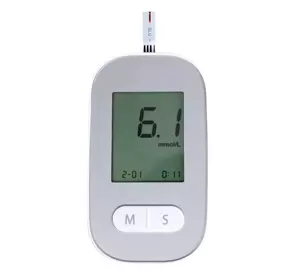
Blood glucose meters are an important tool for diabetic patients to monitor their blood glucose levels at any time, so that they can adjust their diet, exercise, and medication in time to control their condition.

Does the Use of Home Medical Equipment Require Professional Training?

Generally, the use of simple home medical equipment (such as blood pressure monitors, blood glucose meters, pulse oximeters, Doppler fetal heart rate monitors, etc.) does not require professional training, but in order to ensure the correct use of the equipment and the accuracy of the measurement results, you need to read the instructions carefully and master the basic operating steps and precautions as required.


However, for some more complex instruments, such as patient monitors and nebulizers, it is recommended to learn the correct use methods under the guidance of medical staff to ensure safety and data accuracy.

FAQs of Home Medical Equipment

Q

How to choose a home medical device that suits you?

A

First, you need to clarify your own needs, such as whether it is used to monitor chronic diseases (such as high blood pressure, diabetes), for daily health care (such as massagers), or for the treatment of specific diseases (such as nebulizers for respiratory diseases). Then consult your doctor or our advice to understand the characteristics, performance and scope of application of different models of equipment. At the same time, consider factors such as the ease of use, accuracy, and reliability of the equipment.

Q

Is the higher the price, the better the equipment?

A

Not necessarily. High-priced equipment may have advantages in terms of function, accuracy, etc., but may not be suitable for your needs. Some basic function equipment may be sufficient for daily use in ordinary families, while high-end equipment may have more complex functions and is more valuable for professional medical environments or users with special needs. When choosing, you should consider the actual needs and economic conditions comprehensively and choose products with high cost performance.

Q

What preparations need to be made before using home medical equipment?

A

Read the product manual carefully to understand the functions, operation methods, precautions and maintenance requirements of the equipment. Check whether the equipment is intact and the accessories are complete. For some equipment that needs to be calibrated, such as blood pressure monitors and blood glucose meters, they should be calibrated according to the instructions. At the same time, prepare items that may be needed during use, such as blood collection needles, test strips, batteries, etc.

Q

How to maintain home medical equipment to extend its service life?

A

Different equipment has different maintenance methods, but in general, keep the equipment clean and clean the surface and removable parts of the equipment regularly according to the instructions. Avoid the equipment from collision, falling and humid environment. For battery-powered equipment, charge and replace the battery according to the prescribed method. Check the performance and accuracy of the equipment regularly. If there is any problem, contact after-sales service for repair or calibration in time.

Get In Touch With JCMED
CONTACT JCMED

Want to Get More Details About JCMED Medical Consumables?

We're waiting for your contact!