
English
JCMED(TIANJIN) IMPORT&EXPORT CO., LTD.
hemodialyser 6
hemodialyser 5
hemodialyser 4
hemodialyser 8
hemodialyser 9
hemodialyser 7
hemodialyser 3
hemodialyser 2
hemodialyser 1
hemodialyser 6
hemodialyser 5
hemodialyser 4
hemodialyser 8
hemodialyser 9
hemodialyser 7
hemodialyser 3
hemodialyser 2
hemodialyser 1

Hemodialyzer for Sale

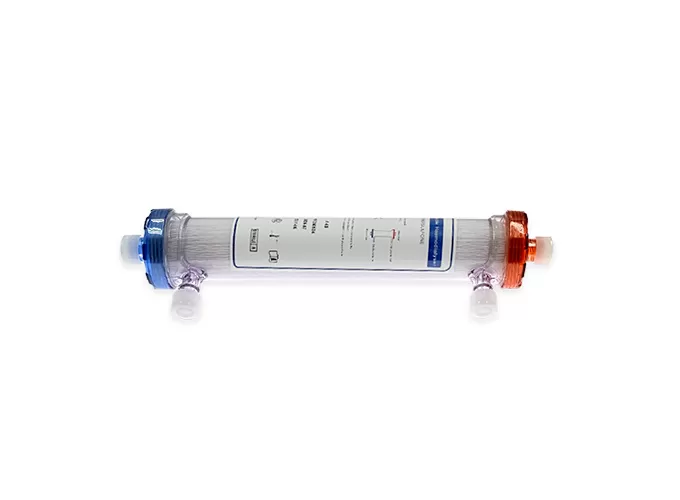
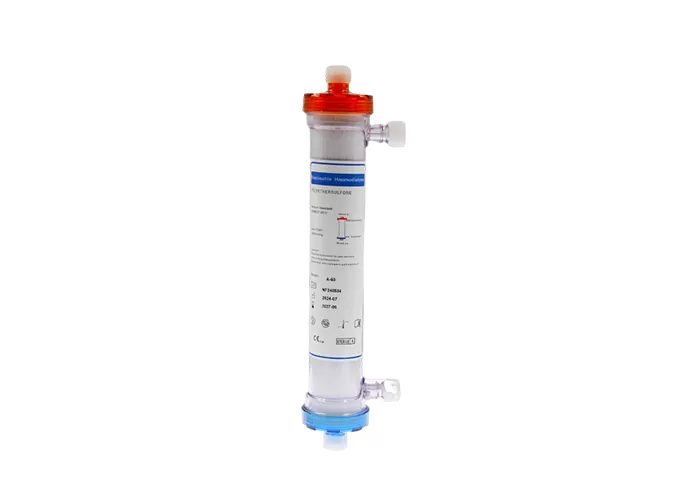
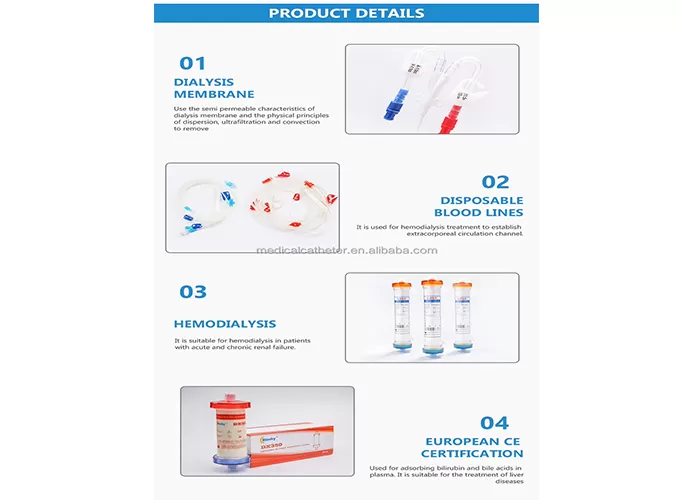
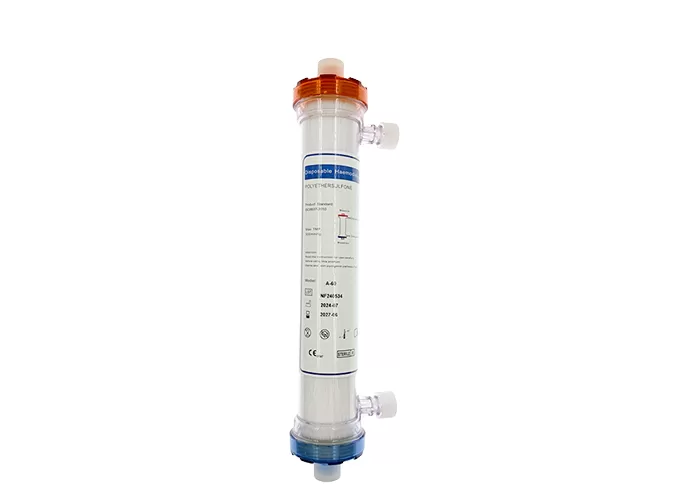
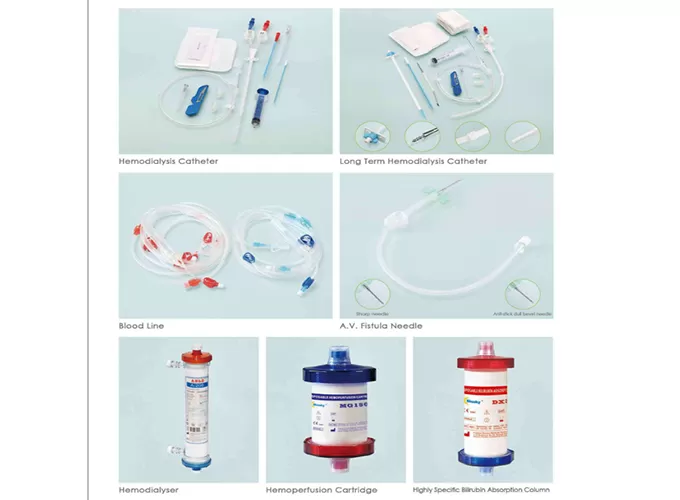
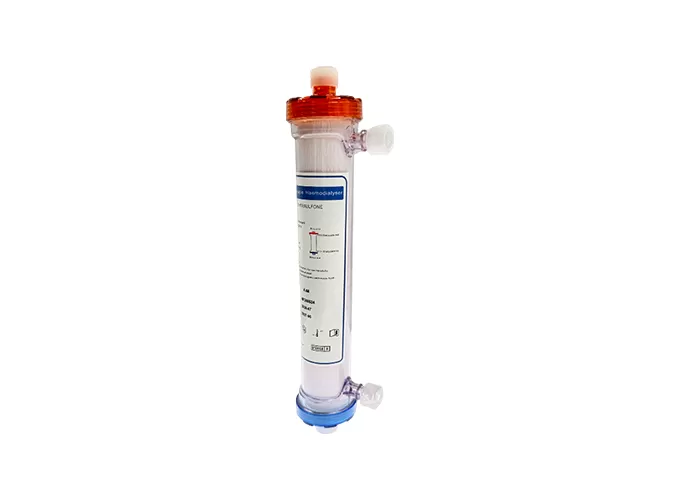
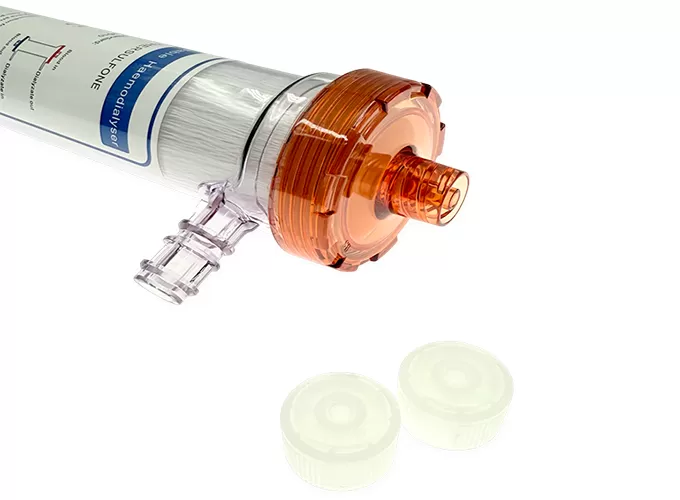
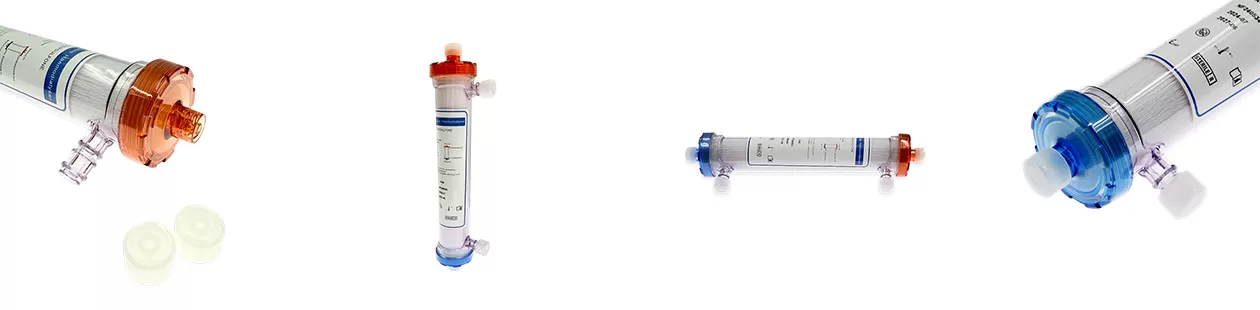
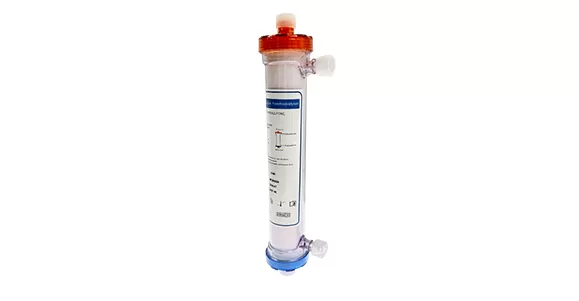
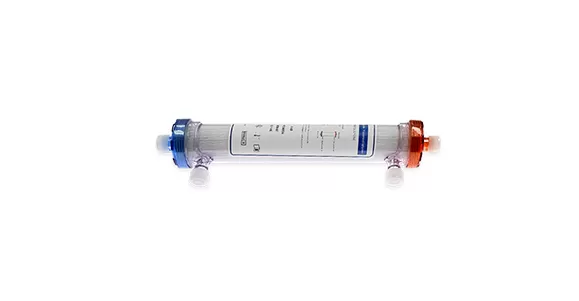
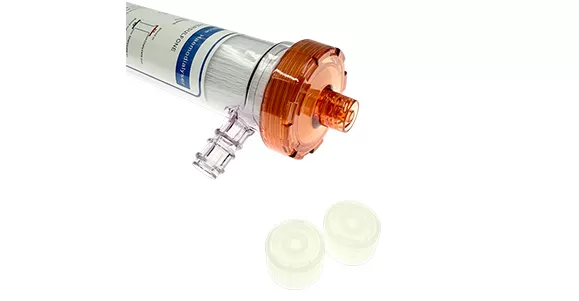
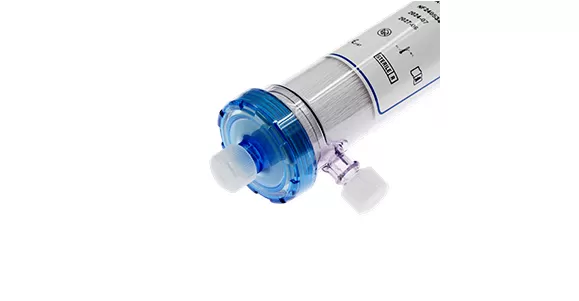
A hemodialyzer, also known as an artificial kidney, is a critical medical device used in hemodialysis to filter and remove waste products, excess fluids, and toxins from the blood when the kidneys are no longer able to function properly.

It acts as the core component of the hemodialysis system, enabling blood purification by passing the patient’s blood through semi-permeable membranes that allow selective exchange of substances between the blood and dialysis fluid.


Get A Quote

Specifications of Hemodialyzer

ModelHemodialyser


Size:1.4-2.0m2


Specifi cation and ModelH-40H-60H-80H-200
Effective Surface(m2)1.41.61.82
Membrane Quantity883299841113612288
ID(m2)200±15200±15200±15200±15
Wall Thickness(μm)40±540±540±540±5
Effective Length(mm)240±2240±2240±2240±2
Priming Volume(mL)788699108
Maximum TMP(mm Hg)500500500500
Pressure Drop(mmHg)
Qb=300ml/min
< 105< 105< 105< 105


Size: 1.4-2.0m2

 Common Specifications of Hemodialyzers

Membrane Material

Polysulfone (PS)

Polyethersulfone (PES)

Polyamide (PA)

Cellulose acetate (less common)

Membrane Surface Area

Typically ranges from 1.0 m² to 2.5 m²

Common models: 1.2 m², 1.4 m², 1.6 m², 1.8 m², 2.0 m², 2.2 m²

Ultrafiltration Coefficient (Kuf)

Measures water permeability

Ranges from 10 to 80 mL/h/mmHg

Clearance Rates (at standard blood flow and dialysate flow rates)

Urea Clearance (Kᵤ): e.g. 180–250 mL/min

Creatinine Clearance: slightly lower than urea

β2-Microglobulin Clearance: indicates middle molecule removal (used to define high-flux dialyzers)

Fiber Inner Diameter

Typically 200–220 µm

Sterilization Method

ETO (Ethylene Oxide) sterilized

Steam sterilized

Gamma radiation sterilized

Flux Type

Low-flux dialyzer: smaller pore size, mainly for small molecule removal

High-flux dialyzer: larger pore size, can remove both small and middle molecular weight toxins

Usage

Single-use only (most modern dialyzers are designed for single patient use)

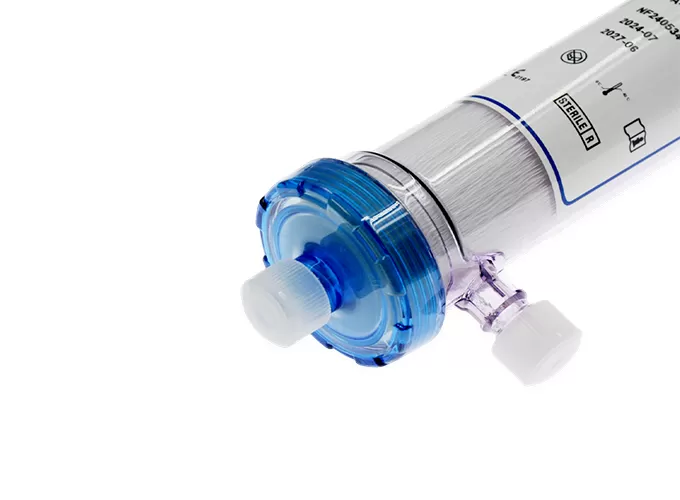
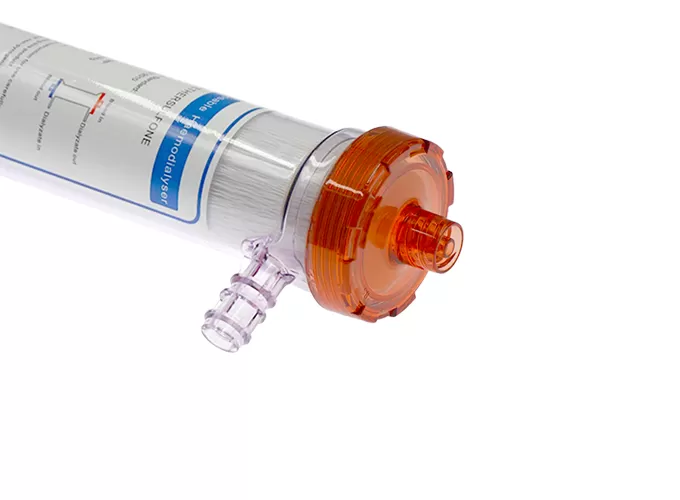
End Cap Color Coding (varies by manufacturer)

To distinguish membrane size or model type for safety and convenience


Steps for Using Hemodialyzer

Steps-for-Using-hemodialyzer.png

For single-use disposable dialyzers

✅ Step 1: Preparation

Prepare the dialysis machine and verify all components.

Check dialyzer model, membrane surface area, and sterilization method.

Ensure the packaging is intact and within the expiry date.

Remove the dialyzer from its sterile packaging.

Connect the arterial and venous blood lines to the dialyzer ports securely.


✅ Step 2: Priming the Dialyzer

Prime the dialyzer with isotonic saline to remove air and residual chemicals.

Use 0.9% sodium chloride (NaCl) solution.

Prime with 200–300 mL of saline (or as specified by manufacturer).

Ensure complete air removal from blood lines and dialyzer fibers.

Discard the priming solution to avoid contamination.


✅ Step 3: Vascular Access and Blood Flow

Establish patient vascular access and start blood flow.

Insert arterial and venous needles into the patient’s fistula or catheter.

Connect tubing to the patient and ensure secure fittings.

Start the blood pump, typically at 200–400 mL/min.

Monitor for any signs of air bubbles, leakage, or kinks in the tubing.


✅ Step 4: Dialysis Procedure

Conduct the dialysis session according to the prescribed treatment plan.

Dialysate flow: 500–800 mL/min.

Typical treatment duration: 3 to 5 hours.

Monitor transmembrane pressure (TMP), venous/arterial pressure, and ultrafiltration rate.

Observe patient vitals throughout the session.


✅ Step 5: Blood Return and Disconnection

Conclude the session and safely return blood to the patient.

Rinse the dialyzer and blood lines with saline to return residual blood.

Clamp tubing lines before disconnecting.

Remove needles carefully and apply pressure to access sites.


✅ Step 6: Disposal

Dispose of the used dialyzer and tubing per medical waste guidelines.

Treat as biohazardous waste.

Place used dialyzer in a sharps container or designated medical waste bag.

Document the procedure as per facility protocol.


Features of Hemodialyzer
features of hemodialyzer 1
features of hemodialyzer2

Features 

1. High hydraulic permeability 

2. Lower resitance membrane

3. Higher permeability for middle to large size molecules

4. Excellent blood compatibility


 Key Features of Hemodialyzers

  • High Biocompatibility

    Made from advanced membrane materials (e.g., polysulfone, PES) that minimize immune reactions and improve patient comfort.

  • Efficient Toxin Removal

    Effectively clears small and middle molecular toxins such as urea, creatinine, and β2-microglobulin to support blood purification.

  • Wide Range of Membrane Surface Areas

    Available in multiple sizes (from 1.0 to 2.5 m²) to accommodate different patient needs and dialysis prescriptions.

  • High-Flux and Low-Flux Options

    Offers flexibility in treatment based on clinical requirements — high-flux dialyzers enhance middle molecule clearance and ultrafiltration.

  • Strong Ultrafiltration Performance

    Precise control over fluid removal with reliable ultrafiltration coefficients (Kuf), ensuring patient safety during dialysis.

  • Transparent Housing with Graduated Scale

    Easy visual monitoring of blood flow and fluid level during treatment.

  • Safe and Sterile Packaging

    Individually packed and sterilized by ETO, steam, or gamma radiation to ensure safety and hygiene.

  • Single-Use Design

    Designed for single patient use to eliminate cross-contamination and ensure consistent performance.

  • Standardized Blood and Dialysate Ports

    Compatible with most dialysis machines and tubing systems for easy integration.

  • Color-Coded End Caps (Optional)

    For quick model identification and safe operation.


Applications of Hemodialyzers
applications of hemodialyzers 1
applications of hemodialyzers
  • Chronic Kidney Disease (CKD) – Stage 5 / End-Stage Renal Disease (ESRD)

    Used for regular hemodialysis treatment in patients whose kidneys have lost over 85–90% of their function.

  • Acute Kidney Injury (AKI)

    Applied in critical care settings for temporary renal support in ICU patients with sudden loss of kidney function.

  • Hemodialysis Centers & Clinics

    Core component of outpatient dialysis services; used for routine dialysis sessions (3 times per week, on average).

  • Hospitals / Nephrology Departments

    Used for inpatient dialysis therapy, especially for patients recovering from surgery, trauma, or sepsis with renal complications.

  • Emergency and Disaster Relief

    Deployed in mobile dialysis units or temporary facilities for patients affected by natural disasters or conflicts requiring renal support.

  • Home Hemodialysis Programs (selected models)

    Compatible with certain compact dialysis machines used in home-care settings for trained patients under medical supervision.

  • Perioperative Renal Protection

    In some high-risk surgeries (e.g., cardiac), dialysis may be required to support kidney function intra- or post-operatively.


Get In Touch With JCMED
CONTACT JCMED

Want to Get More Details About JCMED Medical Consumables?

We're waiting for your contact!