English
JCMED(TIANJIN) IMPORT&EXPORT CO., LTD.

HCV Test for Sale

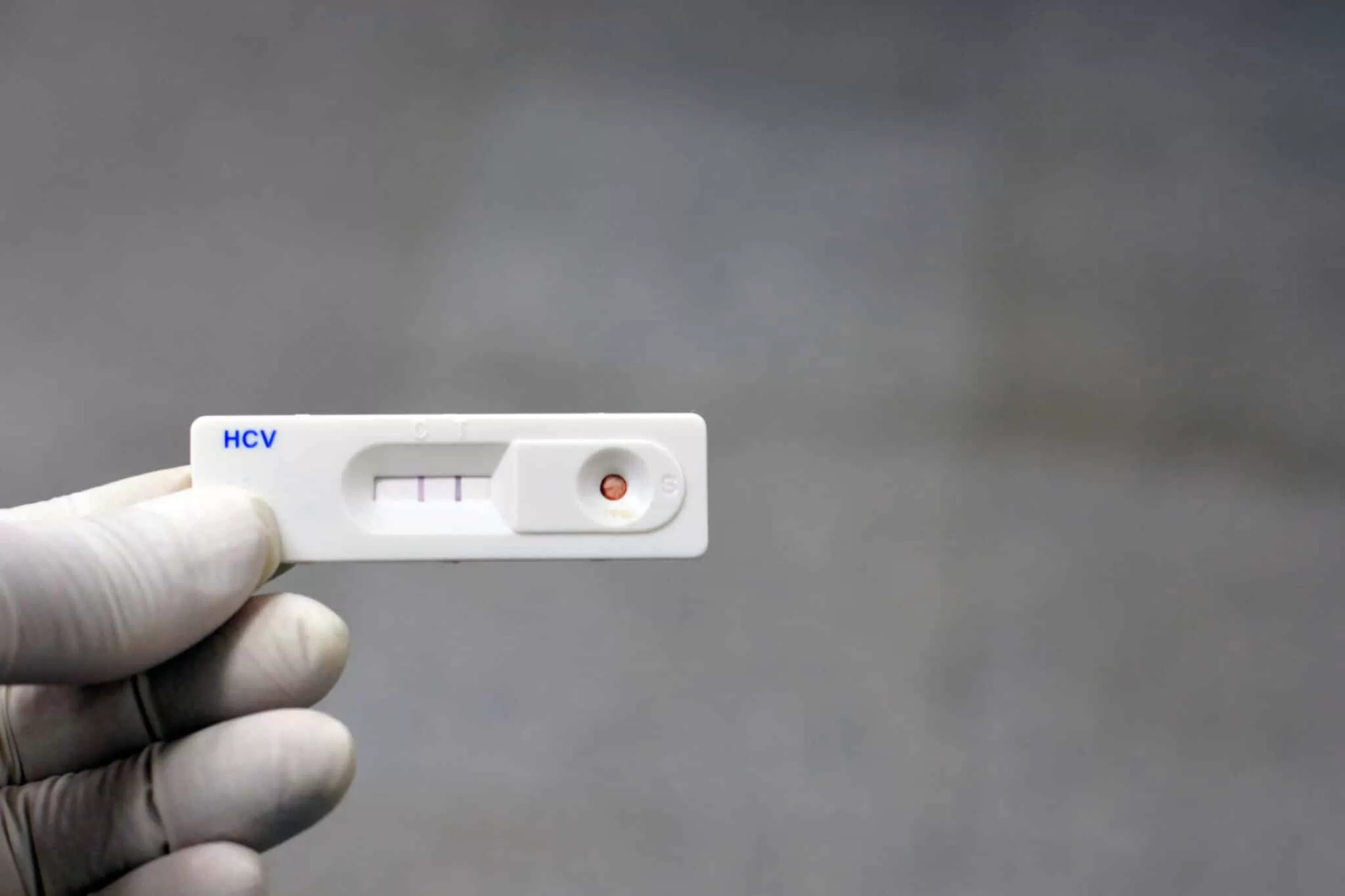
The HCV Test is a diagnostic tool designed for the accurate and rapid detection of the Hepatitis C Virus (HCV), a leading cause of liver disease worldwide. This test plays a crucial role in early diagnosis, enabling timely medical intervention and reducing the risk of chronic liver conditions, including cirrhosis and hepatocellular carcinoma.


Key Features:

High Sensitivity & Specificity: Utilizes advanced immunoassay or molecular techniques (ELISA, Rapid Tests, or PCR) to ensure reliable detection of HCV antibodies or viral RNA.

Multiple Formats Available: Includes laboratory-based tests (ELISA, Chemiluminescence) for high-throughput screening and rapid tests (lateral flow assays) for point-of-care (POC) use.

Fast Results: Rapid tests deliver results in 10–20 minutes, ideal for emergency screenings and remote settings.

Easy to Use: Minimal training required, with clear instructions for healthcare professionals and self-testing (where applicable).

CE Prequalification: Complies with international quality standards for safety and accuracy.


Benefits:

Early Detection: Facilitates prompt treatment with antiviral therapies (e.g., DAA drugs), improving patient outcomes.

Cost-Effective: Reduces long-term healthcare burdens by preventing advanced liver disease.

Portable & Scalable: Suitable for low-resource settings with limited lab infrastructure.

The HCV Test is an essential tool


Get A Quote

Specifications of HCV Test

HCV Hepatitis C Virus Ab Test StripWB/S/PStrip50T
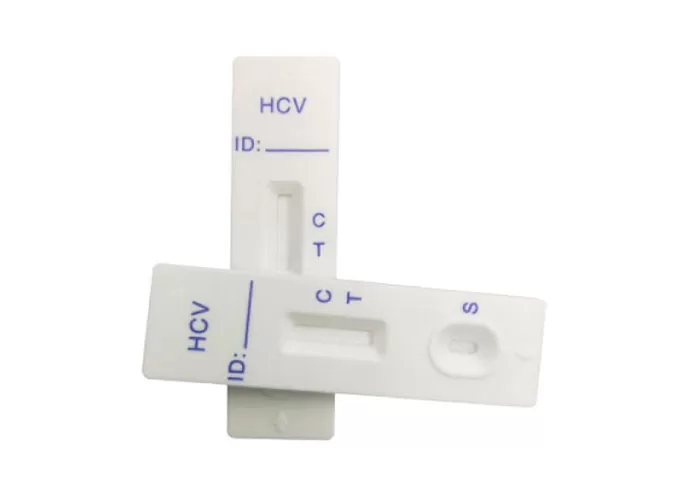
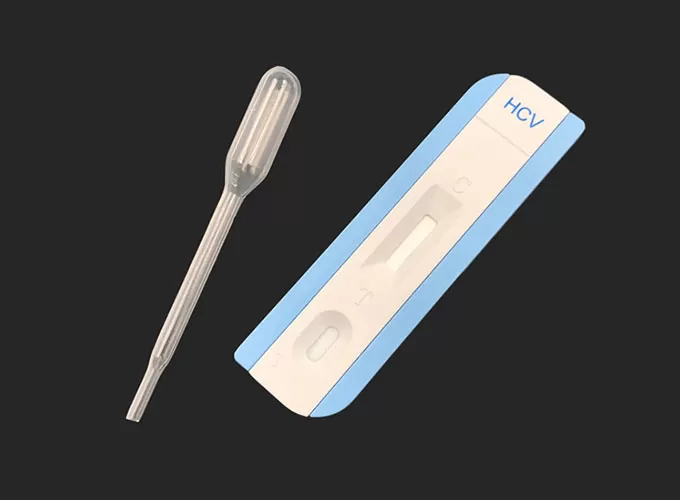
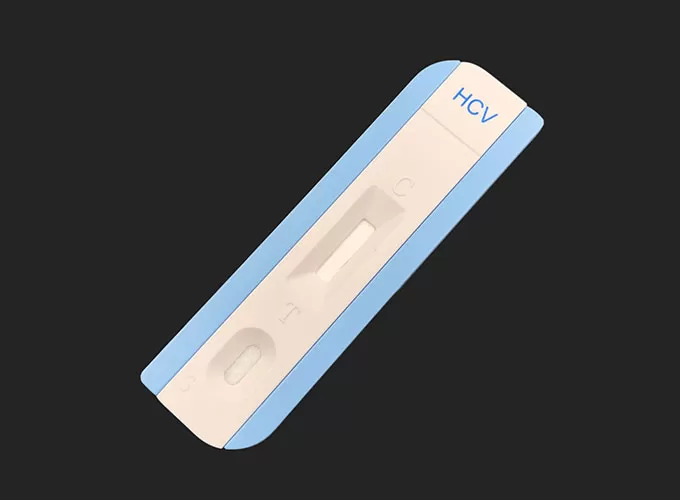
HCV Hepatitis C Virus Ab Test CassetteWB/S/PCassette25T


Key Features of HCV Test Products

High Sensitivity and Specificity – Modern HCV tests deliver exceptional accuracy, minimizing false positives and negatives. Advanced immunoassays and nucleic acid tests (NAT) ensure reliable detection of HCV antibodies, antigens, and RNA.


Rapid Results – Many HCV tests provide results in 20–30 minutes, enabling quick diagnosis and timely intervention. Rapid test kits are ideal for point-of-care (POC) settings with limited lab infrastructure.


Multiple Testing Methods – HCV diagnostics include:


  • ELISA/CLIA for antibody/antigen screening

  • PCR-based NAT for viral load quantification

  • Rapid lateral flow assays for decentralized testing

  • Automation Compatibility – Automated platforms (e.g., chemiluminescence analyzers) enhance throughput, reduce human error, and standardize results for high-volume labs.

  • Early Detection Capability – Fourth-generation ELISA tests detect both HCV antibodies and core antigens, shortening the window period post-infection compared to antibody-only assays.

  • Genotyping Options – Specialized PCR tests identify HCV genotypes (1–6), guiding personalized treatment strategies.

  • User-Friendly Design – Rapid tests feature simple procedures (fingerstick blood/serum/plasma), requiring minimal training—ideal for resource-limited areas.

  • Regulatory Compliance – Tests adhere to WHO, FDA, and CE standards, ensuring global acceptability.

  • Cost-Effectiveness – Scalable solutions cater to diverse budgets, from low-cost rapid kits to high-precision automated systems.

  • Dual/Multipanel Testing – Some assays integrate HCV with HIV/HBV screening, streamlining co-infection detection.


HCV Test – Standard Operating Procedure


1. Sample Collection & Preparation

Specimen Types: Serum, plasma (EDTA), or whole blood


Collection:

Draw 3-5 mL venous blood in serum separator tube (for ELISA/CLIA)

For fingerstick samples (rapid test), wipe away first blood drop, collect second drop


Processing:

Centrifuge at 3000 rpm for 10 min (serum/plasma)

Avoid repeated freeze-thaw cycles


2. Test Procedure

A. Rapid Test (Lateral Flow)

  • Bring test device to room temperature (15-30°C)

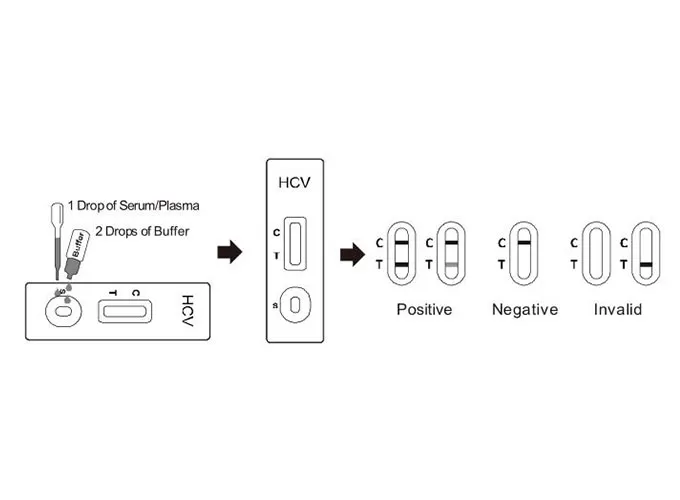
  • Add 50μL serum/plasma or 3 drops whole blood to sample port

  • Immediately add 2 drops buffer

  • Read results at 20 minutes (maximum)


B. ELISA Method

  • Load 100μL samples/controls into anti-HCV coated wells

  • Incubate 60 min at 37°C

  • Wash 5× with 300μL wash buffer

  • Add 100μL enzyme conjugate, incubate 30 min

  • Repeat wash, add 100μL TMB substrate

  • Stop with 50μL stop solution after 15 min

  • Read at 450/620nm


C. PCR Testing

  • Extract RNA using viral RNA kit

  • Prepare PCR mix:

  • 10μL RNA template

  • 15μL master mix (primers/probes)


Run real-time PCR:

  • Reverse transcription: 50°C for 15 min

  • Amplification: 40 cycles of 95°C/15 sec → 60°C/1 min


3. Result Interpretation

Rapid Test:

  • Positive: Both control (C) and test (T) lines

  • Negative: Only control line

  • Invalid: No control line → repeat


ELISA:

  • Calculate cutoff value (NC mean + 0.6)

  • Sample OD ≥ cutoff = Reactive


PCR:

  • Positive: Ct ≤40 with proper curve shape

  • Negative: No amplification or Ct >40


4. Quality Control

  • Run positive/negative controls with each batch

  • For PCR: Include internal control in each sample

  • Document all QC data


Note: Always follow manufacturer's instructions for specific test kits. Store reagents as specified.


Applications of HCV Test

  • Clinical Diagnostics

  • Blood Donation Screening

  • Public Health Programs

  • Home Testing


Get In Touch With JCMED
CONTACT JCMED

Want to Get More Details About JCMED Medical Consumables?

We're waiting for your contact!

Related Hepatitis Virus Tests