


English
JCMED(TIANJIN) IMPORT&EXPORT CO., LTD.

ECG300G-VET Electrocardiograph for Sale

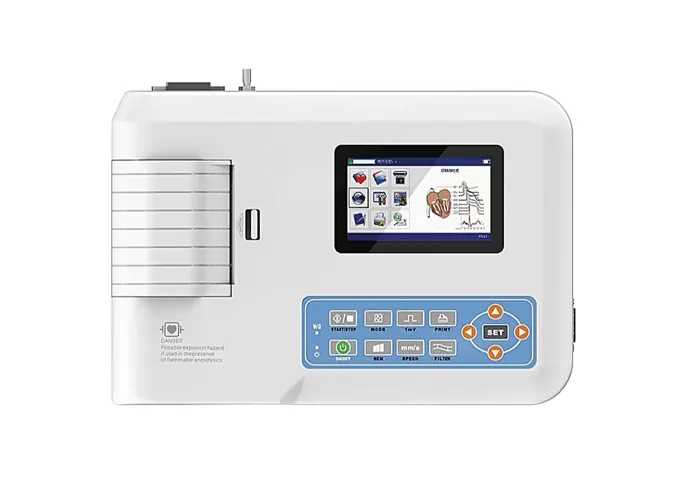
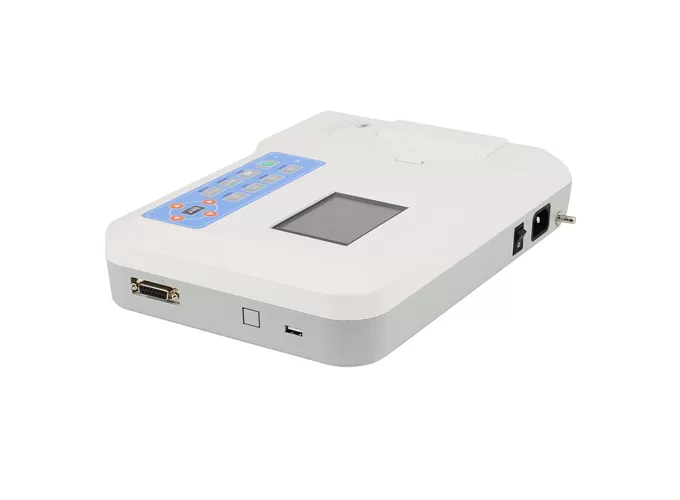
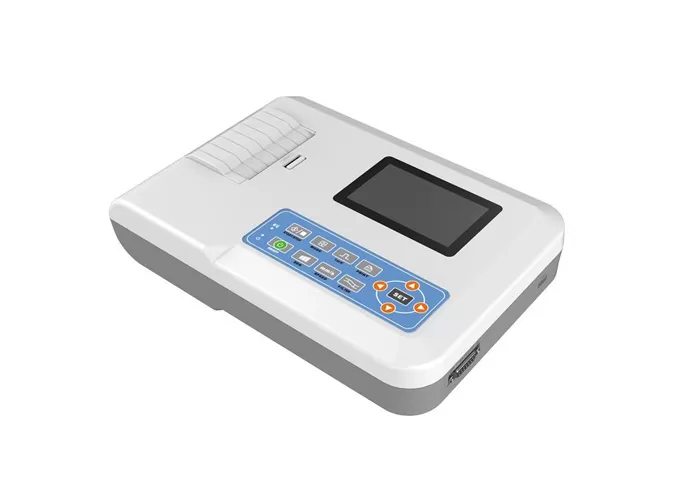
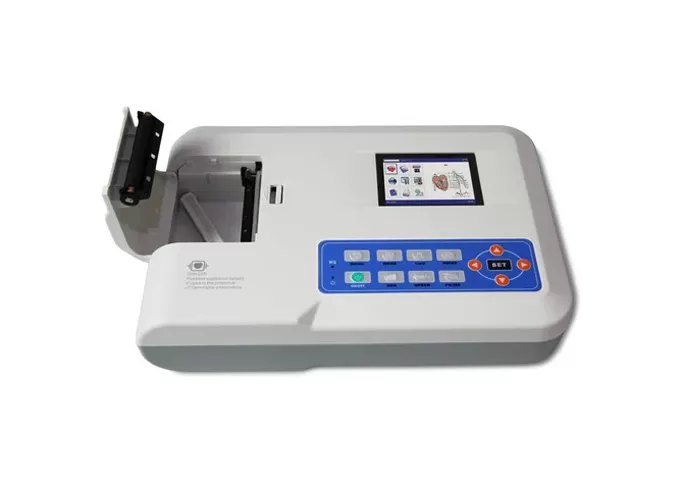
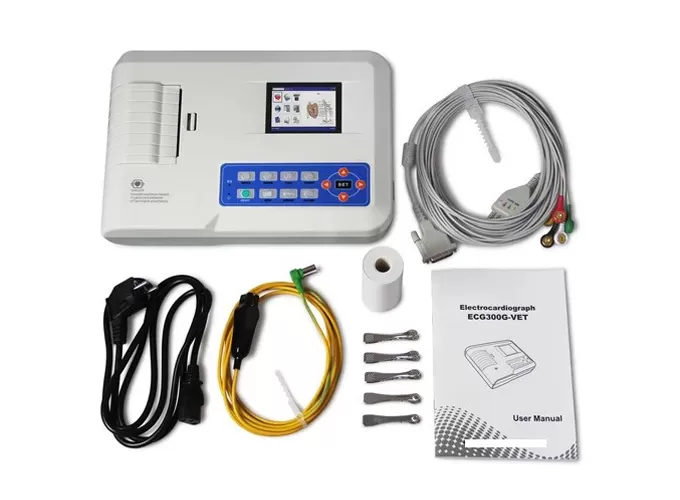
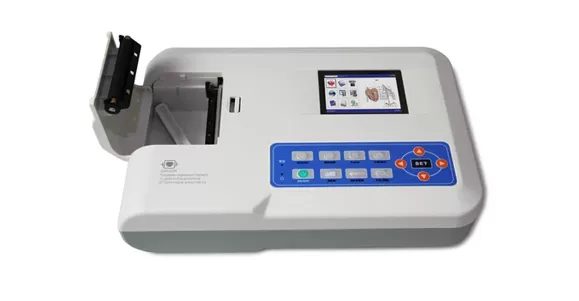
ECG300G-VET is a professional animal electrocardiograph that supports 12-lead synchronous acquisition. It uses digital signal processing technology to ensure high-quality ECG waveforms through power frequency filtering, baseline filtering and myoelectric filtering technology. The device provides automatic/manual mode, can record and display ECG signals in real time, and has automatic measurement and diagnosis functions to assist veterinarians in quickly analyzing the heart rhythm of animals. Its intelligent prompt system can monitor the "lead detachment" and "paper shortage" states to ensure smooth detection.


The device is equipped with a high-definition display screen, supports 3/6/12 lead comparison on the same screen, and intuitively displays parameters such as printing mode, sensitivity, and paper feed speed. It provides a variety of printing formats, including manual, automatic multi-lead arrangement and rhythm lead mode, and the waveform length is adjustable to meet different diagnostic needs. Built-in large-capacity storage can save more than 1,000 case data, which is convenient for case management and statistical analysis.


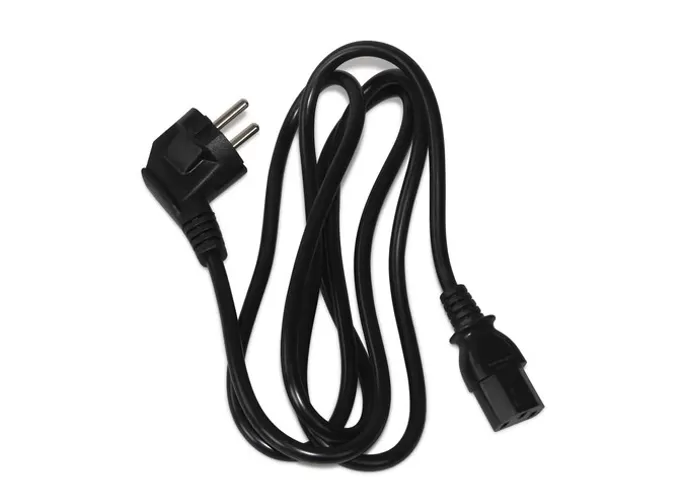
ECG300G-VET supports multi-language interface (including 17 languages such as Chinese and English), adapts to international usage scenarios, and is compatible with AC/DC power supply, suitable for clinical and mobile diagnosis and treatment. Its professional performance and convenient design provide an efficient and reliable solution for animal heart health assessment.

Get A Quote

Specifications of ECG300G-VET Electrocardiograph

Input modeFloating and defibrillation protection
Frequency response0.05Hz~150Hz (-3dB~+0.4dB)
CMRR>60dB, >100dB (Filter ON)
Time constant≥3.2s
Patient leak current<10µA
Calibration voltage1mV
Sensitivity choice:2.5/5/10/20/40mm/mV, error: ±5%. Standard sensitivity: 10mm/mV, error: ±2%
Noise level≤15µVp-p
Input loop current≤50nA
Input impedance≥50MΩ
Sampling accuracy12bit
Security typeCF type of classⅠ, anti-defibrillation applied part
Recording wayThermal printing system
Auto recordrecord according to auto-record format and auto-mode settings, auto switch lead, auto measurement and analysis
Rhythm recordrecord according to rhythm record format and rhythm mode settings, auto measurement and analysis
Manual recordrecord according to record format, manually switch lead
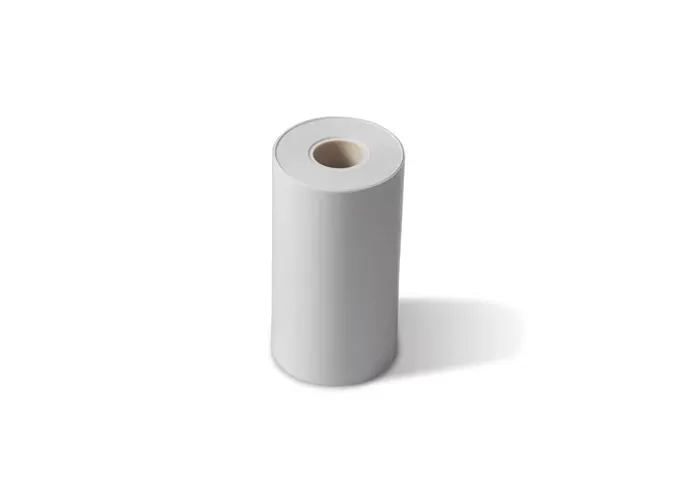
Specification of recording paper80mm(W) × 20mm(L) High-speed thermal paper
Sampling rate1000Hz
EMG interference filter25Hz/35Hz (-3dB)
Power frequency filtrationAC 50Hz/60Hz (-20dB)
Paper speedAuto mode: 5/6.25/10/12.5/25/50mm/s, error: ±5%
Rhythm mode: 5/6.25/10/12.5/25/50mm/s, error: ±5%
Manual mode: 5/6.25/10/12.5/25/50mm/s, error: ±5%
Power supplyAC: 100V~240V(50/60Hz)
DC: Rechargeable lithium battery 7.4V/3700mAh
Fuse specificationφ5×20mm, 2 pieces; AC time lag; T1.6AL250V
Anti-deleterious fluid degreeIPX0
Working modecontinuous operation device
Dimension315mm*215mm*77mm
Weight1.6Kg
Working Temperature5℃~40℃
Relative humidity25%~95% (no condensation)
Atmospheric pressure700hPa~1060hPa
Storage Temperature-40℃~55℃
Relative humidity≤95%
Atmospheric pressure500hPa~1060hPa


Features of ECG300G-VET Electrocardiograph
01
Features

High-precision 12-lead synchronous acquisition

Adopting digital signal processing technology, combined with power frequency filtering, baseline filtering and electromyography filtering, it effectively eliminates interference, ensures clear and stable ECG waveforms, and improves diagnostic accuracy.

Intelligent diagnosis and real-time monitoring

Supports automatic/manual dual modes, can automatically measure key ECG parameters (such as heart rate, PR interval, QRS complex, etc.), and provide abnormal rhythm prompts, greatly improving diagnostic efficiency.

Flexible printing and diversified analysis

Provides 10+ printing modes (such as 3x4, 2x6, rhythm leads, etc.), adjustable waveform length, supports scheduled printing, meets different clinical needs, and facilitates long-term rhythm monitoring and report archiving.

Large-capacity data management

Built-in storage can save 1000+ cases, supports historical data review and statistics, and facilitates veterinarians to track changes in animal heart health and optimize diagnosis and treatment plans.

Multi-language adaptation and international compatibility

Supports 17 language interfaces and report outputs, adapted to different regions around the world; AC/DC dual power supply design ensures stable operation in clinics, home visits and other scenarios.

User-friendly design

Intuitive display of 3/6/12-lead waveforms and key parameters (sensitivity, paper feed speed, etc.), with "lead off" and "paper out" reminder functions, easy to operate and reduce human errors.

Features

Steps for Using a ECG300G-VET Electrocardiograph

Steps for Using a ECG300G-VET Electrocardiograph

Steps for Using a ECG300G-VET Electrocardiograph


1. Power-on preparation

Connect the power supply (AC/DC adapter) or ensure that the battery is fully charged.

Select the operating language after powering on (supports 17 languages).

2. Animal preparation

Place the animal on an insulating pad and keep it quiet to reduce muscle interference.

Shave (if necessary) and clean the electrode contact area to ensure good conductivity.

3. Connect the leads

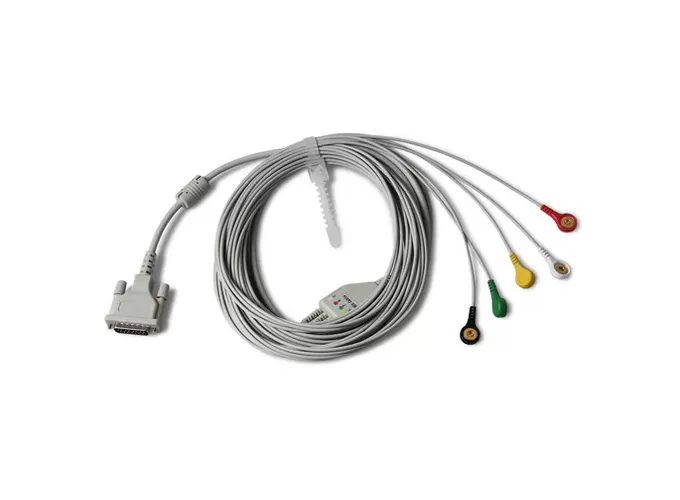
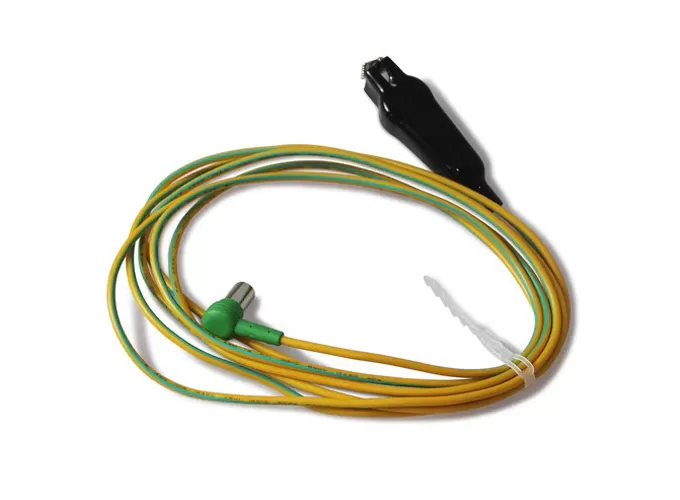
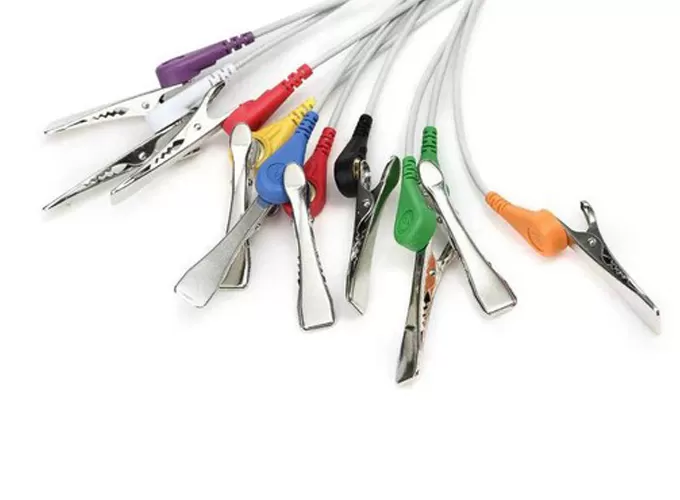
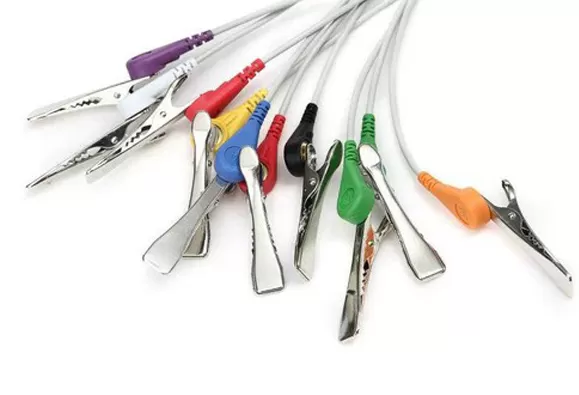
Properly attach the electrode clip or suction ball electrode according to the standard 12-lead position (such as limb leads, chest leads).

Confirm that the device has no "lead off" prompt to ensure stable signals.

4. Parameter setting

Select automatic mode (automatic analysis) or manual mode (custom settings).

Adjust sensitivity, paper feed speed and filter options (such as power frequency filtering, electromyographic filtering).

5. Start recording

Press the start/record key to observe 3/6/12 lead waveforms in real time.

If rhythm analysis is required, switch to rhythm lead mode (such as rhythm II lead).

6. Print ECG

Select the print format (such as automatic 3x4, rhythm 2 leads, etc.), and adjust the waveform length.

Confirm that there is enough thermal paper and click the print button to output the report.

7. Data preservation

The cases are automatically stored in the built-in database (can store more than 1000 cases), which can be reviewed or exported later.

8. Shutdown and tidy up

Turn off the power, clean the electrodes and the surface of the device, and return them to their original position for storage.

Precautions:

Keep the animal quiet to reduce motion artifacts.

Check the electrodes and printing paper regularly to ensure the normal operation of the device.


Applications of ECG300G-VET Electrocardiograph
  • Heart disease screening: Detect common heart diseases such as arrhythmia, myocardial hypertrophy, and myocardial ischemia.

  • Preoperative evaluation: Evaluate the cardiac function of animals before anesthesia to reduce surgical risks.

  • Postoperative monitoring: Monitor the heart rate and rhythm changes of animals after surgery to ensure good recovery.

  • Emergency examination: Rapidly diagnose suspected heart problems such as syncope and dyspnea.

  • Elderly animal physical examination: Regularly check the heart function of elderly dogs, cats and other pets to detect degenerative lesions at an early stage.

  • Chronic disease management: Monitor ECG changes in animals with heart disease and endocrine diseases (such as hyperthyroidism) to optimize treatment plans.

Get In Touch With JCMED
CONTACT JCMED

Want to Get More Details About JCMED Medical Consumables?

We're waiting for your contact!