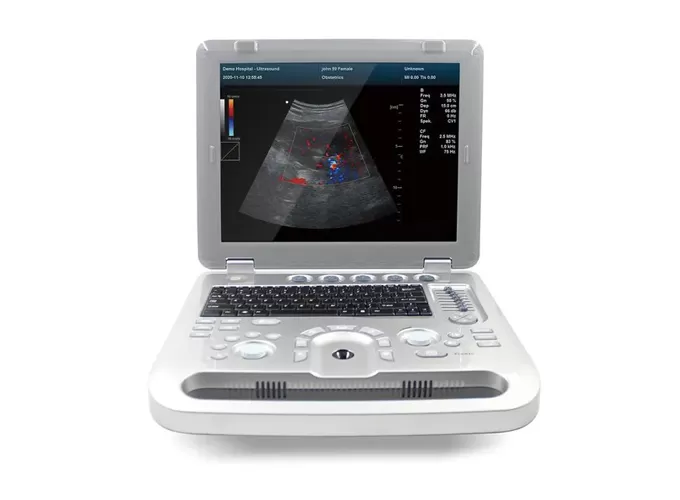
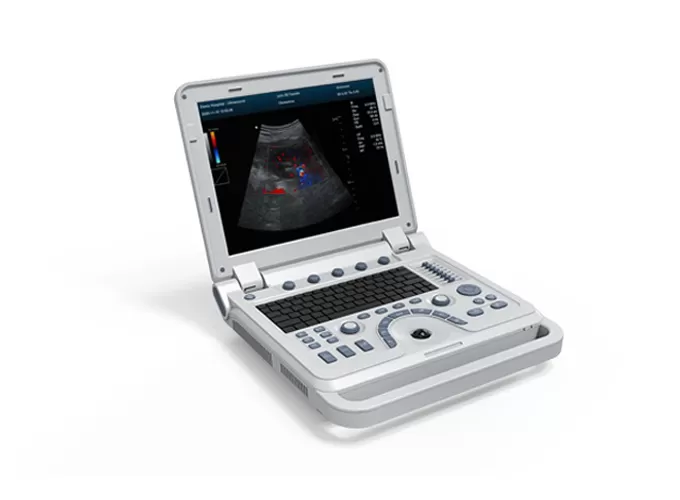
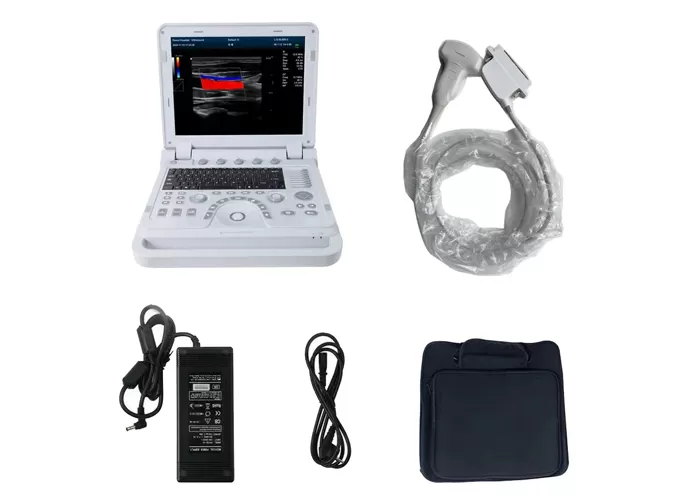
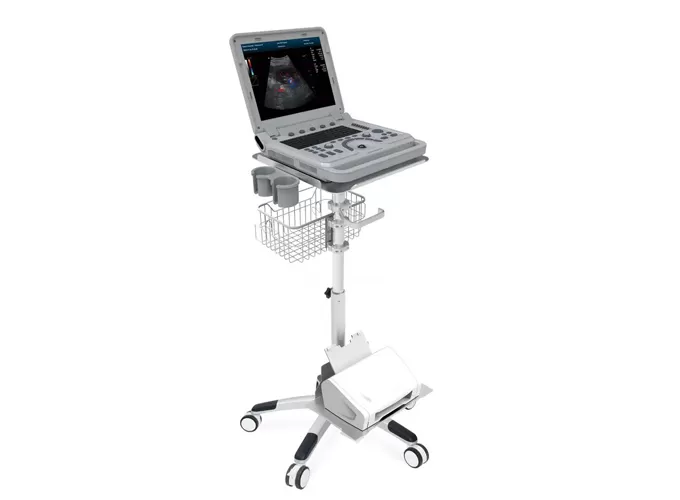
Steps for Using a CMS1700B-VET Color Doppler Ultrasonic Diagnostic System
Preparation:
Turn on the instrument and preheat it to a stable working state.
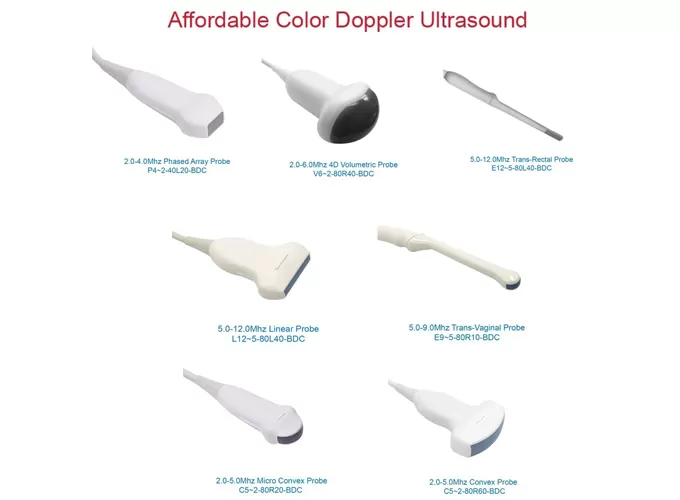
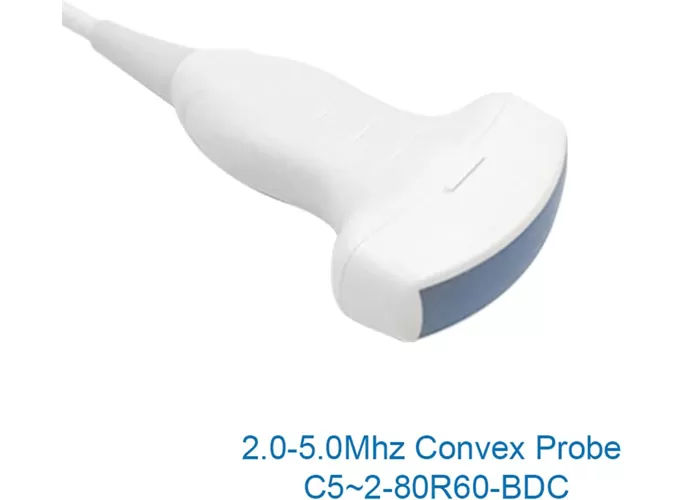
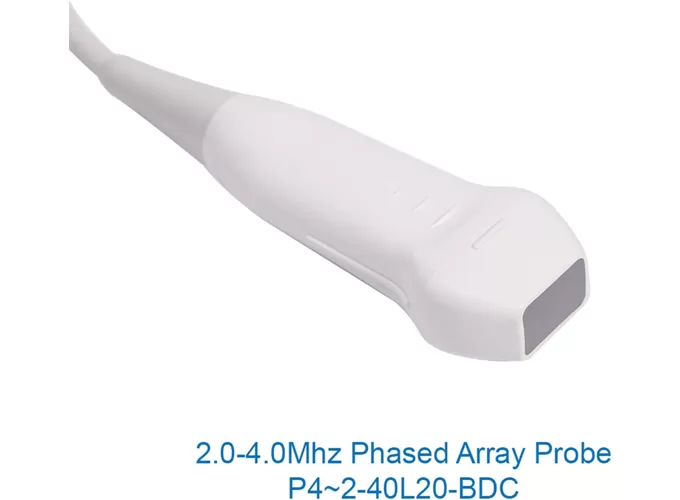
Choose a suitable probe according to the animal's species, body size and examination site and confirm that the performance is normal.
Secure the animal so that it is in a comfortable position that can fully expose the examination site, and then apply an appropriate amount of coupling agent to the examination site.
Set parameters and collect images:
Enter the basic information of the animal in the operation interface, such as species, age, gender, etc.
Adjust image depth, gain, focus and other parameters to obtain a clear two-dimensional image.
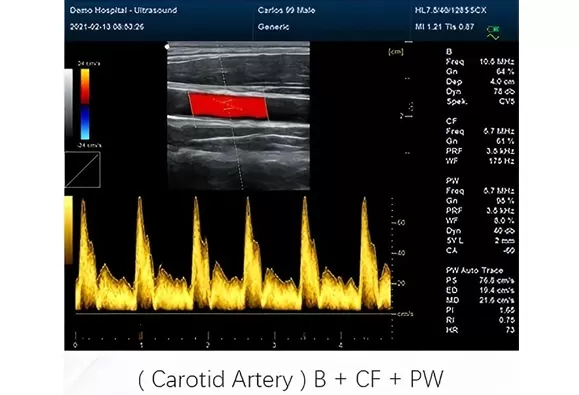
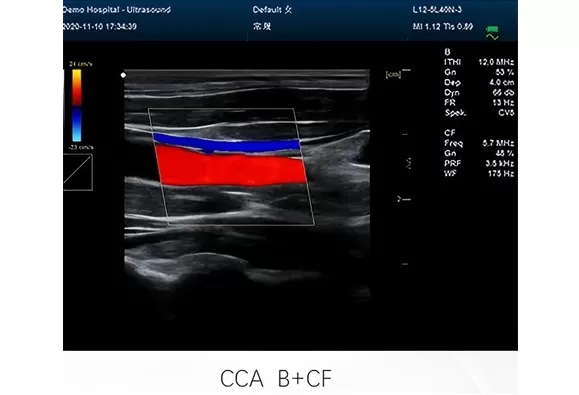
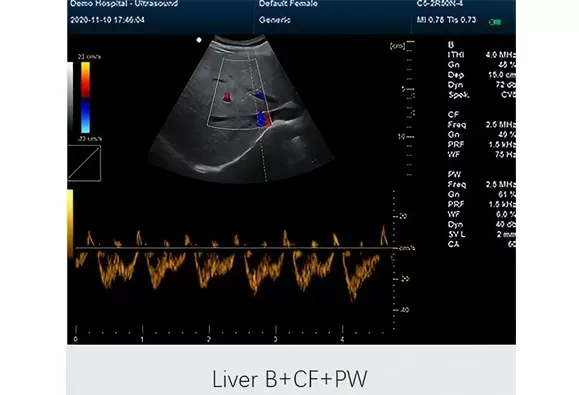
If you need to observe blood flow, enable color Doppler mode and adjust parameters such as blood flow velocity range and color gain.
Hand-held probe, scan the examination site in an orderly manner with appropriate pressure and angle, observe from multiple sections and angles, and obtain comprehensive image information.
Analysis and recording:
Observe the morphology, size, echo characteristics of tissue structures in the image, and the distribution, direction, speed, etc. of blood flow signals.
Use measurement tools to measure and analyze the area of interest, select images with diagnostic value for storage, and record relevant measurement data and diagnostic information.
End of examination:
After the examination, clean the coupling agent of the animal's examination area and turn off the probe and instrument power.
Finally, combine the image and measurement results to write an ultrasound diagnosis report and give a diagnostic opinion.
Precautions
Probe protection: High-temperature disinfection or soaking is prohibited, and medical alcohol cotton pads are used for cleaning.
Battery management: When not in use for a long time, charge once a month to maintain battery health.
Animal safety: Avoid scanning the same area for a long time to prevent tissue overheating.
Applications of CMS1700B-VET Veterinary Ultrasound
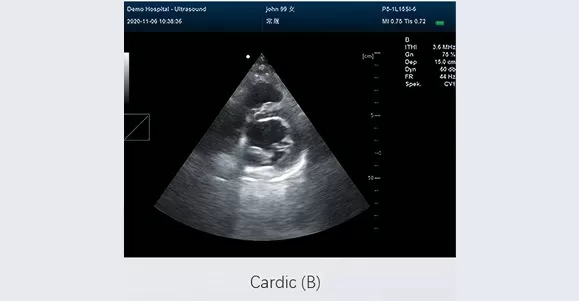
I. Clinical diagnostic applications
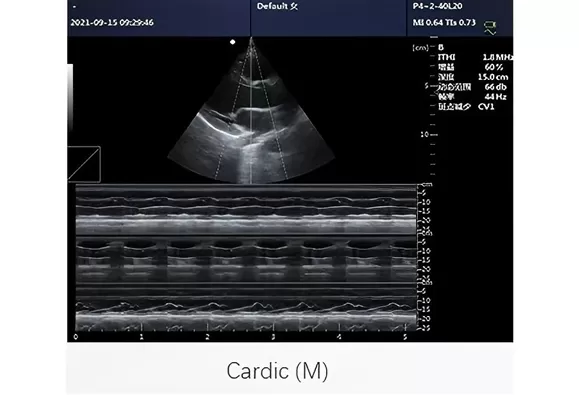
Cardiovascular system examination: Real-time evaluation of cardiac structure and function; Diagnosis of congenital heart disease and valvular lesions; Detection of pericardial effusion and myocardial lesions
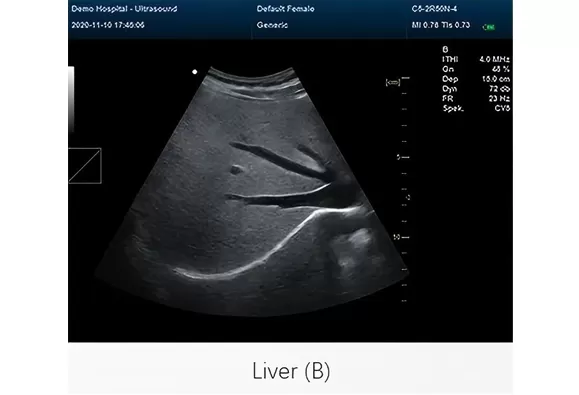
Abdominal organ examination: Diagnosis of lesions of solid organs such as liver, gallbladder, spleen, and kidney; Urinary system stones and obstruction examination; Gastrointestinal foreign body and inflammation assessment; Reproductive system monitoring; Early pregnancy diagnosis and fetal development assessment; Uterine and ovarian disease examination; Prostate and testicular lesions diagnosis
II. Animal Husbandry Production Management
Reproduction Management: Accurate determination of gestational age of economic animals such as cattle and sheep; Evaluation of fetal number and vitality of multi-birth animals Estimate; Estrous cycle monitoring and breeding timing judgment; Production performance analysis; Automatic measurement of pig backfat thickness (accuracy ±0.3mm); Calculation of eye muscle area and lean meat rate; Growth performance evaluation and breeding guidance; Group health management; Routine health screening of herds; Disease monitoring and prevention and control; Treatment effect tracking and evaluation; Applicable animal range; Companion animals: dogs, cats, etc.; Economic animals: cattle, pigs, sheep, horses, etc.; Experimental animals: rabbits, mice, etc.
Note: In specific applications, it is necessary to select appropriate probes and parameter settings according to the animal species and inspection site, and make comprehensive judgments in conjunction with other diagnostic methods when necessary.