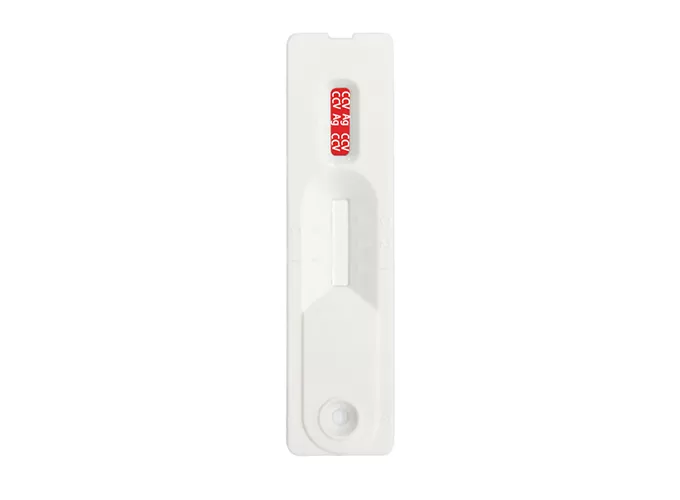
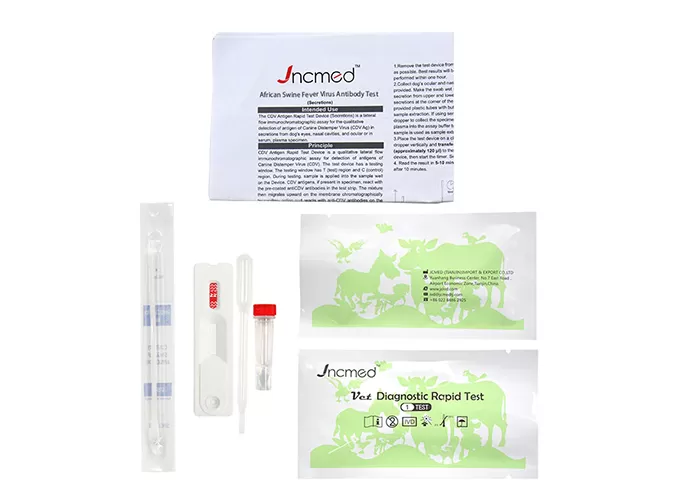
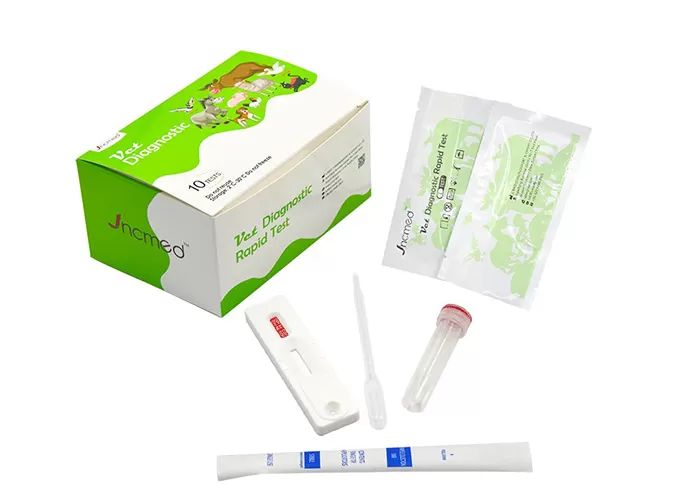
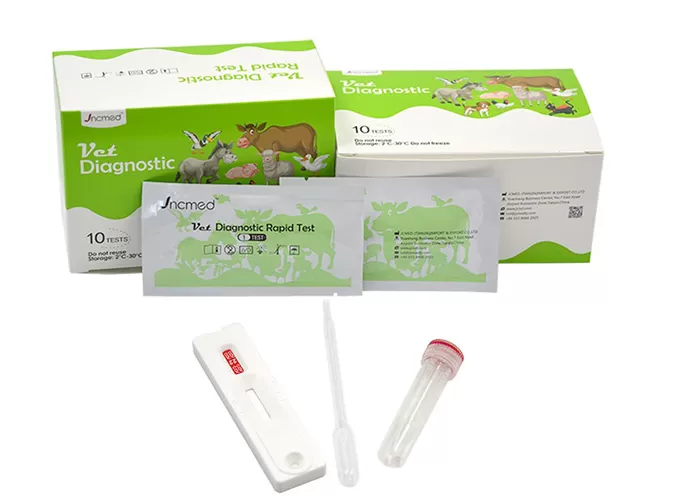
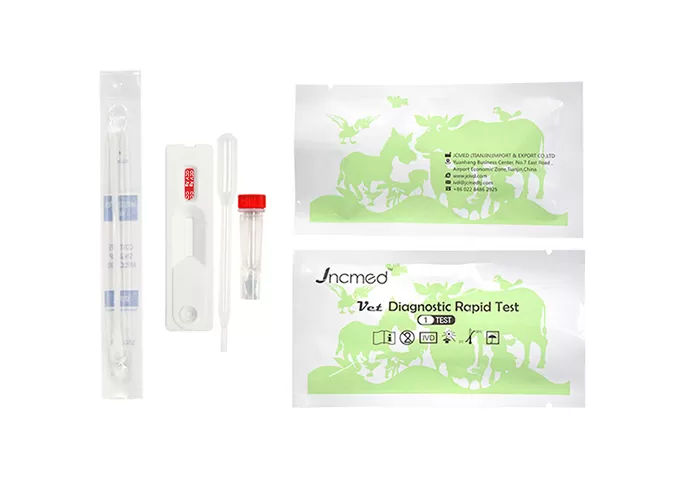
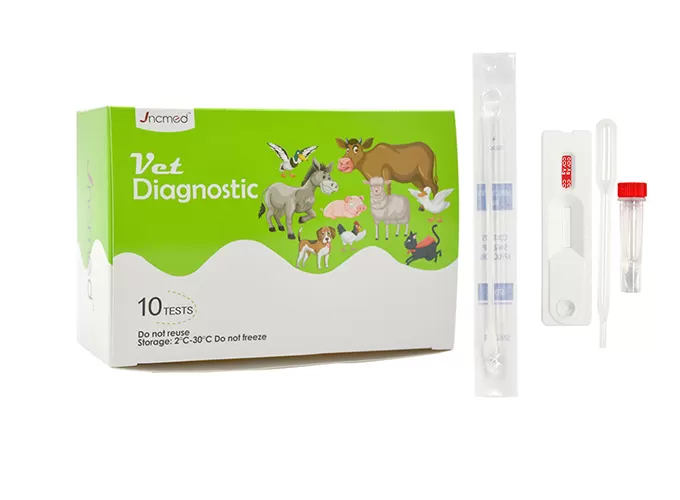
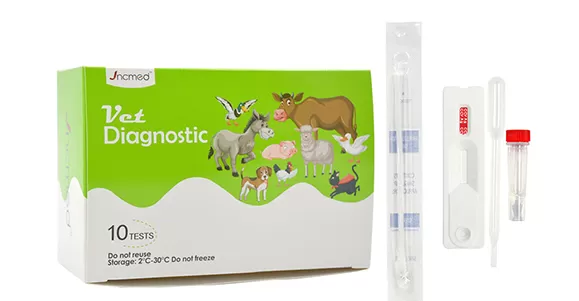
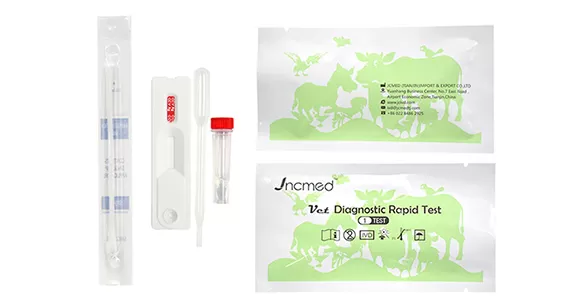
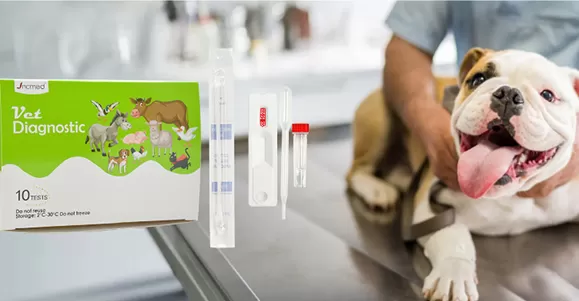
Canine Coronavirus Antigen (CCV Ag) Test Kit
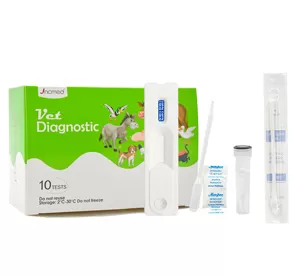
Canine Coronavirus (CCV) Antigen Detection Kit is a rapid diagnostic tool designed specifically for dogs, used to accurately detect CCV antigens in feces or vomit. Canine coronavirus infection can cause symptoms such as vomiting, diarrhea (feces are often orange and may contain blood or mucus), lethargy and decreased appetite, which are highly similar to canine parvovirus infection, but the prognosis of puppies aged 1-3 months is poor after infection. If infected with CPV (canine parvovirus) at the same time, the condition may rapidly deteriorate or even be fatal. Therefore, early rapid detection is essential for timely treatment and prevention and control.
CCV is a highly contagious enteric pathogen with a high prevalence worldwide. The seropositivity rate of domestic dogs is 25%-54%, and the seropositivity rate of dogs in kennel environments is even higher, reaching 80%-100%. The virus is excreted through feces and is easily transmitted in intensive breeding environments. This kit uses advanced sandwich immunochromatography technology with strong specificity and high sensitivity. It only takes 5-10 minutes to obtain test results. It is easy to operate and does not require professional equipment. It is suitable for use in clinical veterinary medicine, pet hospitals and kennels.
This detection method directly targets viral antigens and can effectively assist in distinguishing CCV infection from other diseases with similar symptoms, such as canine parvovirus infection. Especially for puppies, group-raised dogs, and suspected mixed infection cases, rapid diagnosis can significantly improve the success rate of treatment and reduce mortality. This kit provides an efficient and reliable solution for early screening and precise prevention and control of canine coronavirus infection.
| Product Name | Canine Coronavirus Antigen (CCV Ag) Test Kit |
| Principle | Lateral flow immunochromatography |
| Specimen | Feces or vomit |
| Assay Time | 5-10 minutes |
| Accuracy | Over 99% |
| Storage | 2-30°C, NO FREEZE. |
| Shelf life | 24 months |

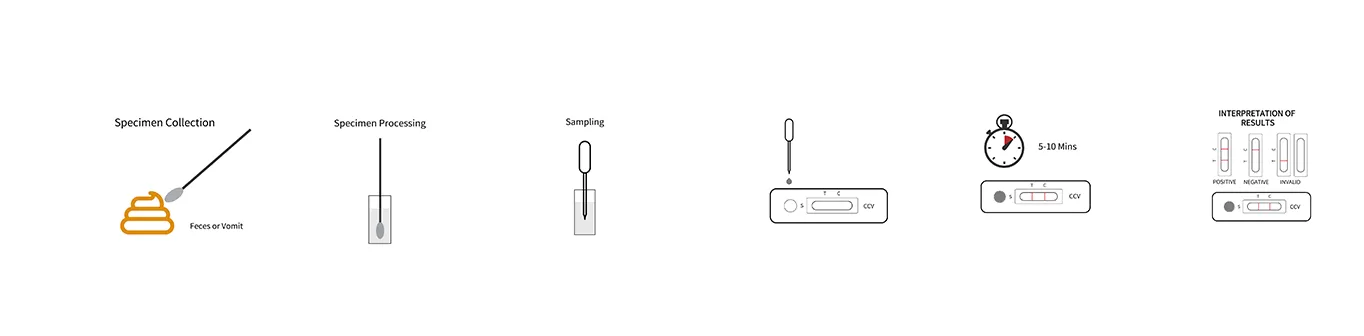
Testing steps
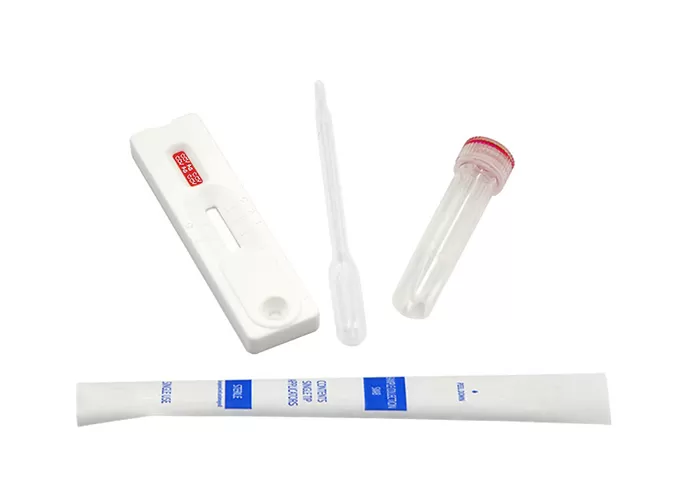
Specimen collection: Use a sampling stick to dip into the dog's fresh feces or vomit to ensure that sufficient sample is attached.
Specimen processing: Insert the collection stick into the diluent tube, stir and mix thoroughly, and let it stand for 1 minute to release the antigen.
Add specimen: Take out the test card and lay it flat, use a dropper to absorb the supernatant, and vertically add 3-4 drops to the sample well.
Waiting for reaction: Let it stand at room temperature for 5-10 minutes, observe the test window results, and avoid shaking to affect the interpretation.
Result interpretation:
Positive (+): Whether the T line is clear or not, the "C" line and the regional "T" line can be seen.
Negative (-): Only a clear C line is displayed, no T line.
Invalid: There is no colored line in the C area. Regardless of whether the T line appears.
Fast and efficient: Test results can be obtained in 5-10 minutes, which helps clinical rapid diagnosis and timely treatment.
Easy to operate: No professional equipment or complex steps are required, suitable for veterinary clinics and home use.
High sensitivity: Sandwich immunochromatography technology is used to accurately detect CCV antigens in feces and vomitus.
High specificity: It can effectively distinguish CCV from other diseases with similar symptoms, such as canine parvovirus infection.
Early screening: Especially suitable for puppies and group dogs, reducing the risk of death caused by mixed infection.
Global applicability: Designed for areas with high prevalence of CCV, it is suitable for both domestic dogs and kennel dogs.
Economical and practical: Low cost, high efficiency, suitable for large-scale screening and routine testing.
Clinical diagnosis in animal hospitals: Rapid screening of canine coronavirus infection, assisting veterinarians in accurately determining the cause of the disease.
Kennel quarantine: Regular testing of dogs in groups to effectively prevent large-scale spread of CCV.
Puppy monitoring: Focus on protecting puppies aged 1-3 months to reduce the risk of severe illness and death.
Mixed infection identification: Distinguish CCV from diseases with similar symptoms such as canine parvovirus.
Treatment monitoring: Assess the recovery of sick dogs and track the status of virus excretion.
Routine testing in pet hospitals: Outpatient instant testing to improve diagnosis and treatment efficiency.
Stray dog shelter management: Health screening of newly sheltered dogs to prevent group infection.
Home self-examination: Pet owners should find abnormalities in time and seek medical intervention as soon as possible.
Want to Get More Details About JCMED Medical Consumables?
We're waiting for your contact!