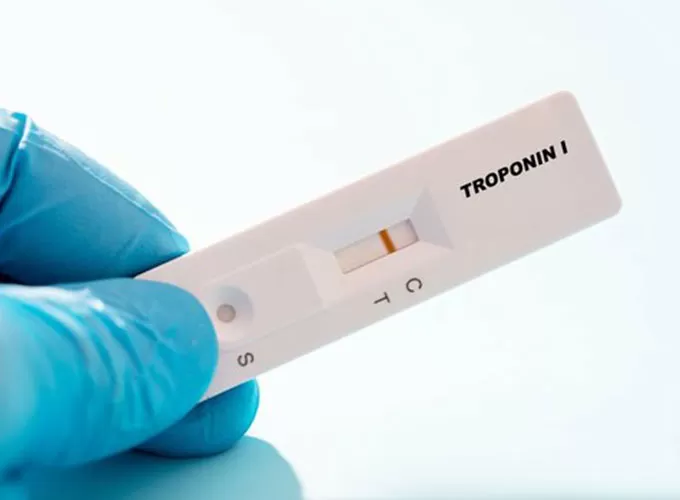
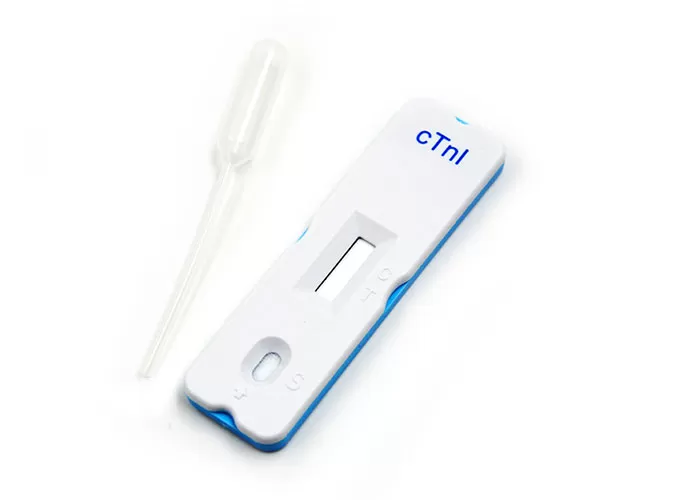
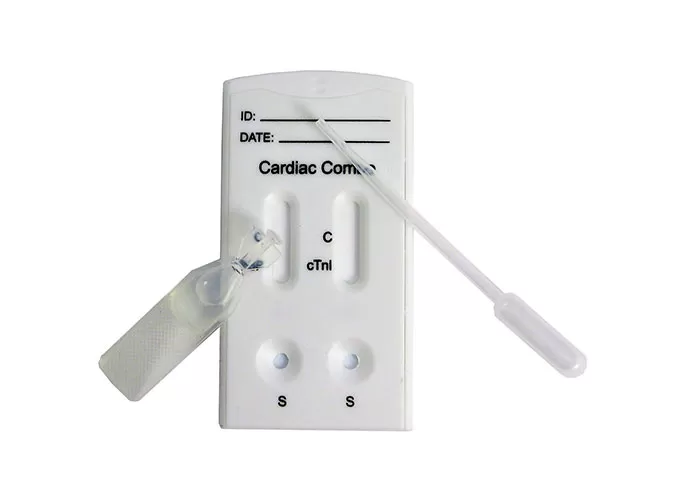
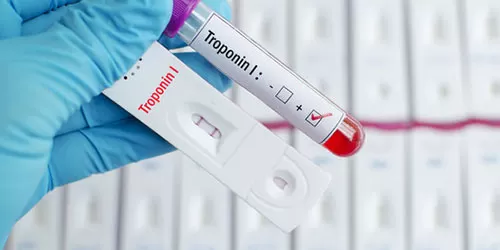

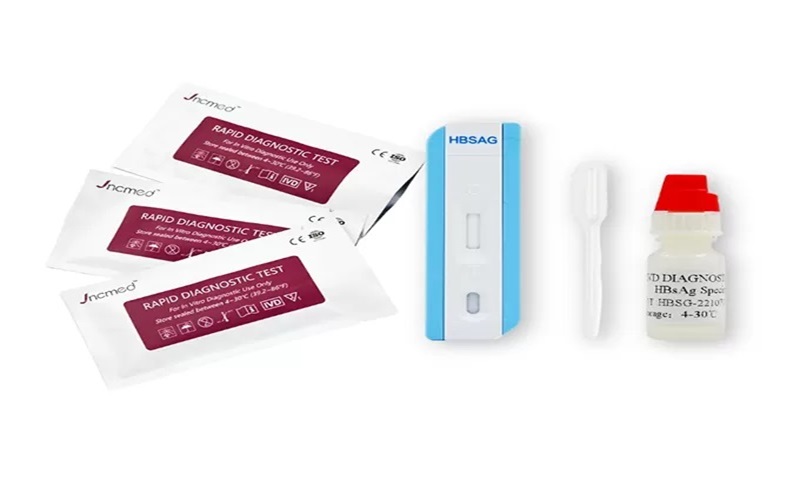
The Cardiac Markers Test is a diagnostic tool used to detect and measure specific biomarkers in the blood that indicate heart muscle damage, stress, or dysfunction. These tests play a critical role in diagnosing acute coronary syndromes (ACS), myocardial infarction (heart attack), and other cardiovascular conditions, enabling timely medical intervention.
Key Biomarkers Measured:
Troponin (I or T): The gold standard for detecting myocardial injury; elevated levels confirm a heart attack.
Creatine Kinase-MB (CK-MB): Indicates heart muscle damage, often used alongside troponin.
Myoglobin: An early marker of cardiac injury, rising within hours of symptoms.
BNP/NT-proBNP: Assesses heart failure severity and prognosis.
High-Sensitivity CRP (hs-CRP): Evaluates inflammation linked to cardiovascular risk.
Features & Benefits:
High Accuracy & Sensitivity – Ensures reliable early detection.
Fast Turnaround Time – Critical for urgent cardiac care.
Automated Platforms – Compatible with major lab analyzers.
Point-of-Care Testing (POCT) – Enables rapid diagnosis in clinics and ambulances.
| Cardiac Markers Test | |||
| cTnI Troponin I Test Cassette | WB/S/P | Cassette | 25T |
| Myo Myoglobin Test Cassette | WB/S/P | Cassette | 25T |
| CK-MB Creative Kinase-MB Test Cassette | WB/S/P | Cassette | 25T |
| cTnI/Myo/CK-MB Test Panel | WB/S/P | Panel | 20T |
Cardiac markers tests are essential diagnostic tools used to detect and monitor heart-related conditions, particularly acute coronary syndromes (ACS), myocardial infarction (MI), and other cardiovascular diseases. These tests measure specific biomarkers released into the bloodstream when the heart muscle is damaged or stressed. Below are the key features of cardiac markers tests:
High Sensitivity and Specificity
Modern cardiac marker tests, such as troponin I and T, offer high sensitivity and specificity for myocardial injury, enabling early and accurate diagnosis of heart attacks.
Rapid Results
Point-of-care (POC) cardiac marker tests provide quick results (within 15-30 minutes), facilitating timely clinical decisions in emergency settings.
Multiple Biomarker Panels
Tests often include a combination of markers (e.g., troponin, CK-MB, myoglobin, BNP, and hs-CRP) to improve diagnostic accuracy and assess different aspects of cardiac function.
Early Detection
High-sensitivity troponin (hs-Tn) assays can detect very low levels of troponin, allowing for earlier MI diagnosis compared to traditional tests.
Prognostic Value
Cardiac markers help predict patient outcomes, such as risk of recurrent events, heart failure, or mortality, aiding in long-term management.
Automated Testing Platforms
Many assays are compatible with automated lab analyzers, ensuring consistent, high-throughput testing with minimal manual intervention.
Non-Invasive Sampling
Most cardiac marker tests require only a blood sample, making them minimally invasive and easy to perform.
Guideline Compliance
These tests align with international guidelines (e.g., ACC/AHA, ESC) for ACS and MI diagnosis, ensuring standardized care.
Cost-Effectiveness
By enabling early intervention, cardiac marker tests reduce hospital stays and unnecessary procedures, lowering overall healthcare costs.
Versatility
Used in various settings, including emergency departments, ICUs, and outpatient clinics, for diagnosis, risk stratification, and treatment monitoring.
Verify patient identity and confirm the test order.
Explain the procedure to the patient and obtain informed consent if required.
Ensure the patient is in a comfortable position (preferably seated or lying down).
Sample Collection:
Clean the venipuncture site (usually the antecubital vein) with an alcohol swab.
Apply a tourniquet to make the vein more visible.
Insert a sterile needle into the vein and collect 3-5 mL of blood in a serum separator tube (SST) or EDTA tube, depending on the lab protocol.
Release the tourniquet, withdraw the needle, and apply pressure to stop bleeding.
Sample Handling:
Gently invert the tube 5-10 times to mix the blood with additives (if any).
Label the tube with patient details and place it in a biohazard bag.
Transport the sample to the lab immediately or store at 2-8°C if testing is delayed.
Laboratory Processing:
Centrifuge the sample at 3000 rpm for 10 minutes to separate serum/plasma.
Use the supernatant for analysis, ensuring no hemolysis or clots are present.
Testing Method:
Load the sample into an automated immunoassay analyzer (e.g., Roche Troponin T, Abbott Architect).
Follow manufacturer instructions to measure markers like troponin I/T, CK-MB, or BNP.
Calibrate the device and run quality controls before testing.
Result Interpretation:
Compare values against reference ranges (e.g., Troponin I:<0.04 ng/mL).
Report critical values (e.g., elevated troponin) to the physician immediately.
Post-Test Steps:
Dispose of used needles and tubes in biohazard containers.
Document results in the patient’s record and notify the healthcare team.
Emergency Room Triage
Chest Pain Evaluation
Cardiac Rehabilitation Assessment
Preoperative Risk Stratification
Emergency Diagnosis: Rapid detection of heart attacks in ER settings.
Risk Stratification: Assessing the severity of coronary events.
Monitoring Treatment: Tracking recovery post-intervention (e.g., angioplasty).
Preventive Screening: Identifying high-risk patients with chest pain or comorbidities.
Want to Get More Details About JCMED Medical Consumables?
We're waiting for your contact!