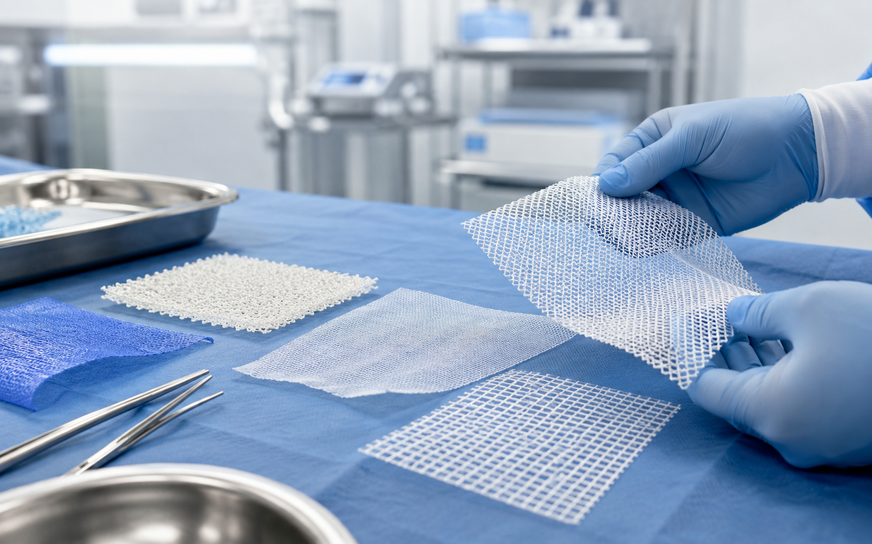
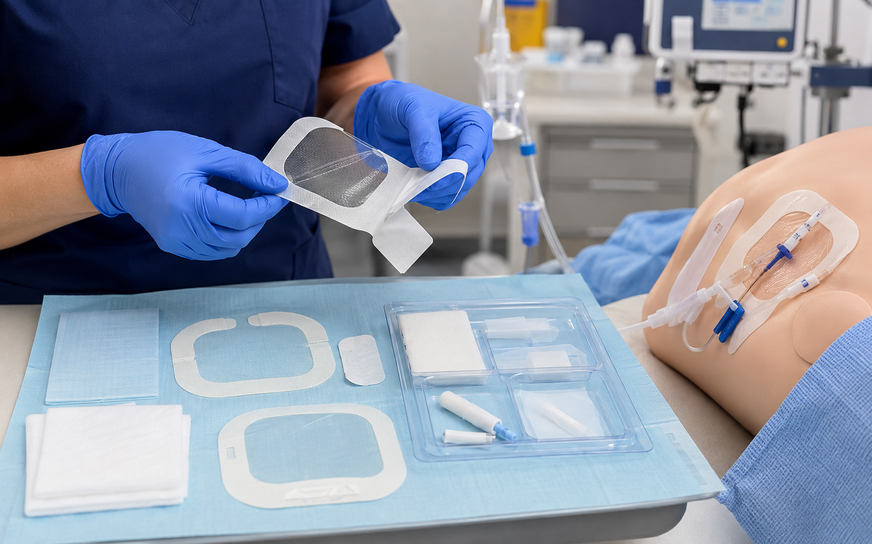
The widespread use of non-woven fabrics in medical protection is mainly based on its many advantages in material performance, cost and processing. The following is a detailed introduction:
Material performance advantages
Good filtration: Non-woven fabrics have a unique fiber structure that can effectively filter particles such as dust, bacteria and viruses in the air. The pore size between its fibers can be precisely controlled through the production process, so that it can block pollutants of different particle sizes and provide a reliable protective barrier for the medical environment. For example, medical masks and surgical gowns usually use this feature of non-woven fabrics to prevent the spread of pathogens.
Excellent barrier properties: It can effectively block the penetration of liquids such as blood and body fluids. After special treatment, non-woven fabrics can have good waterproof properties, prevent pathogens in liquids from contacting the bodies of medical staff or patients, and reduce the risk of cross-infection. They are often used to make medical protective clothing, isolation clothing and other protective supplies.
Good breathability: Although non-woven fabrics have barrier properties, they can also maintain a certain degree of breathability, allowing air molecules to pass through, so that the water vapor emitted by the human body can be discharged, making the wearer feel more comfortable. This is very important for medical staff who wear medical protective equipment for a long time, which helps to reduce the feeling of stuffiness and discomfort and improve work efficiency.
Soft and skin-friendly: The texture is soft, and there will be no obvious irritation and discomfort when in contact with human skin, which is suitable for long-term wear. This feature enables masks, hats, protective clothing, etc. made of non-woven fabrics to fit the human body better, improve the use experience of medical staff and patients, and also reduce problems such as skin damage caused by skin friction.
Antimicrobial property: By adding antibacterial agents or using fiber raw materials with antibacterial properties during the production process, non-woven fabrics can have certain antimicrobial properties, inhibit the growth and reproduction of microorganisms such as bacteria and fungi, further enhance the medical protection effect, and reduce the risk of infection.
Cost and processing advantages
High cost-effectiveness: The production process is relatively simple, the production efficiency is high, and the cost of raw materials is relatively low. It can be mass-produced, so that the cost can be effectively controlled while ensuring the quality of medical protection, so that medical protective equipment can be widely supplied to meet the needs of different medical scenarios.
Easy to process and shape: Medical protective equipment of various shapes and styles can be made through a variety of processing methods, such as hot pressing, suturing, laminating, etc., to meet different usage needs. For example, it can be easily processed into the three-dimensional shape of a mask, the one-piece structure of a protective suit, etc., and different functional layers can be compounded during the processing process, such as adding a filter layer and a waterproof layer to the non-woven fabric to improve the protective performance.
Disposable convenience: Medical protective equipment made of non-woven fabrics is usually designed for single use and can be directly discarded after use, avoiding the risk of cross-infection caused by repeated use, and also reducing the cost and workload of subsequent processing links such as cleaning and disinfection, which meets the strict requirements of modern medicine for infection control and hygiene safety.