Purpose of testing
Clinical diagnosis: Help doctors determine whether patients have drug abuse, so as to provide diagnostic basis for possible health problems, such as judging whether the patient's mental abnormalities, physical discomfort and other symptoms are caused by drug abuse.
Treatment monitoring: For patients who have been diagnosed with drug abuse, regular testing can monitor their treatment effects, understand whether the patient continues to quit drugs or whether there is a relapse, so as to adjust the treatment plan in time.
Public health monitoring: Conducting drug abuse testing in communities, schools, workplaces and other environments helps to understand the prevalence and distribution of drug abuse, and provide data support for the formulation of public health policies and preventive measures.
Legal and regulatory needs: In the judicial field, such as detecting whether drivers are driving under the influence of drugs in traffic law enforcement, or detecting whether prisoners use banned drugs in places such as prisons, in order to maintain legal order and social security; it is also used in some professional qualification reviews, anti-doping in sports events, etc., to ensure that relevant personnel comply with laws, regulations and industry norms.
Common detection methods
Urine Test
Principle: Most drugs and their metabolites are excreted into urine through the kidneys. Immunoassay, gas chromatography-mass spectrometry and other technologies are used to detect whether specific drugs or their metabolites are present in urine.
Features: It is easy to operate, non-invasive and relatively low-cost. It is one of the most commonly used detection methods. It can detect whether drugs have been used recently, but different drugs can be detected in urine for different periods of time. For example, marijuana can generally be detected in urine for several days to weeks, while amphetamines can usually be detected for 3-5 days.
Blood Test
Principle: After the drug enters the human body, it will enter the blood circulation. By detecting the drug components and concentrations in the blood, it can accurately determine whether drugs are taken and the dosage of drugs.
Features: The results are accurate and reliable, and can reflect the immediate situation of the drug in the body, but it is an invasive test, and the drug metabolism in the blood is relatively fast, and the detection window period is relatively short. It is generally suitable for situations where accurate results need to be obtained quickly or where high detection accuracy is required, such as drug driving detection or acute drug poisoning diagnosis.
Hair Test
Principle: After the drug enters the human body, it will reach the hair follicles through the blood circulation, and will be fixed and stored by the keratin in the hair. By analyzing the hair, long-term drug abuse can be detected.
Features: The detection window period is long, and the drug use can be traced back for months or even years. It is not easily affected by short-term drug withdrawal or washing, but hair testing has high requirements for sample collection and testing technology, and the cost is relatively high. It is often used for long-term monitoring of drug abuse or assessment of relapse risk.
Saliva Test
Principle: Some drugs are secreted into saliva through the salivary glands. Using specific detection reagents or instruments, the drug components in saliva can be detected.
Features: Sample collection is convenient, non-invasive, and rapid. It can be tested on site and is suitable for preliminary screening, but the detection sensitivity is relatively low. The concentration of some drugs in saliva is low, which may lead to missed detection. It is usually used for rapid screening or preliminary judgment of recent drug use.
Detection reagents and equipment
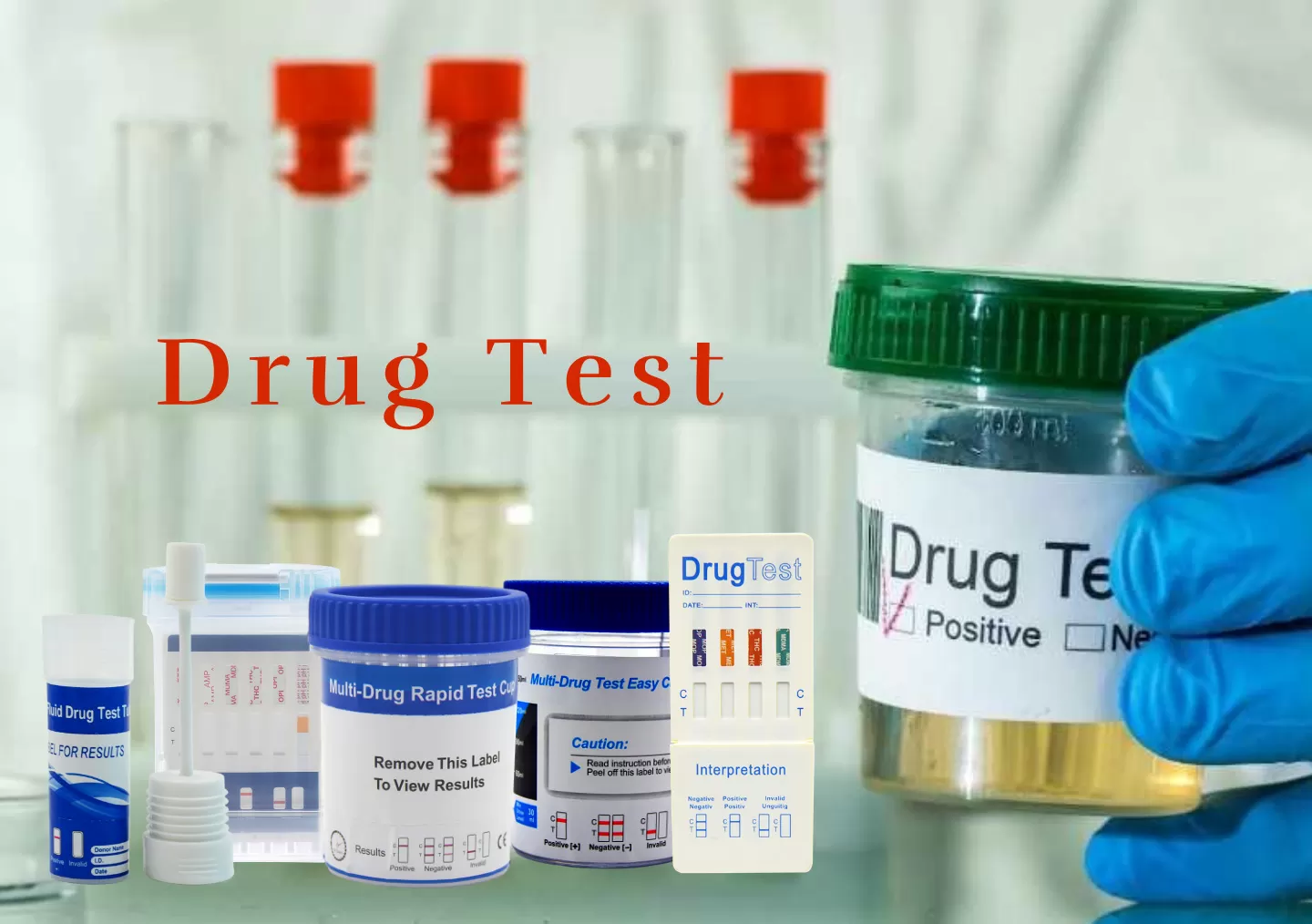
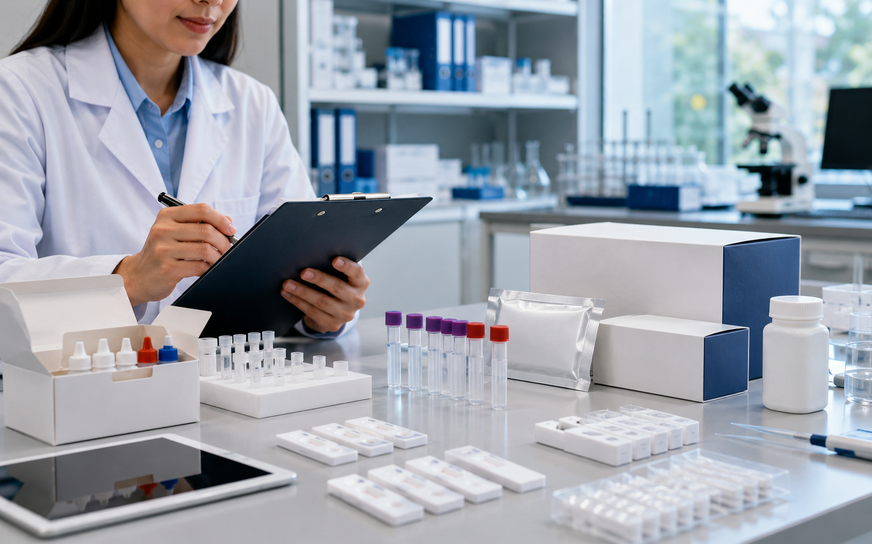
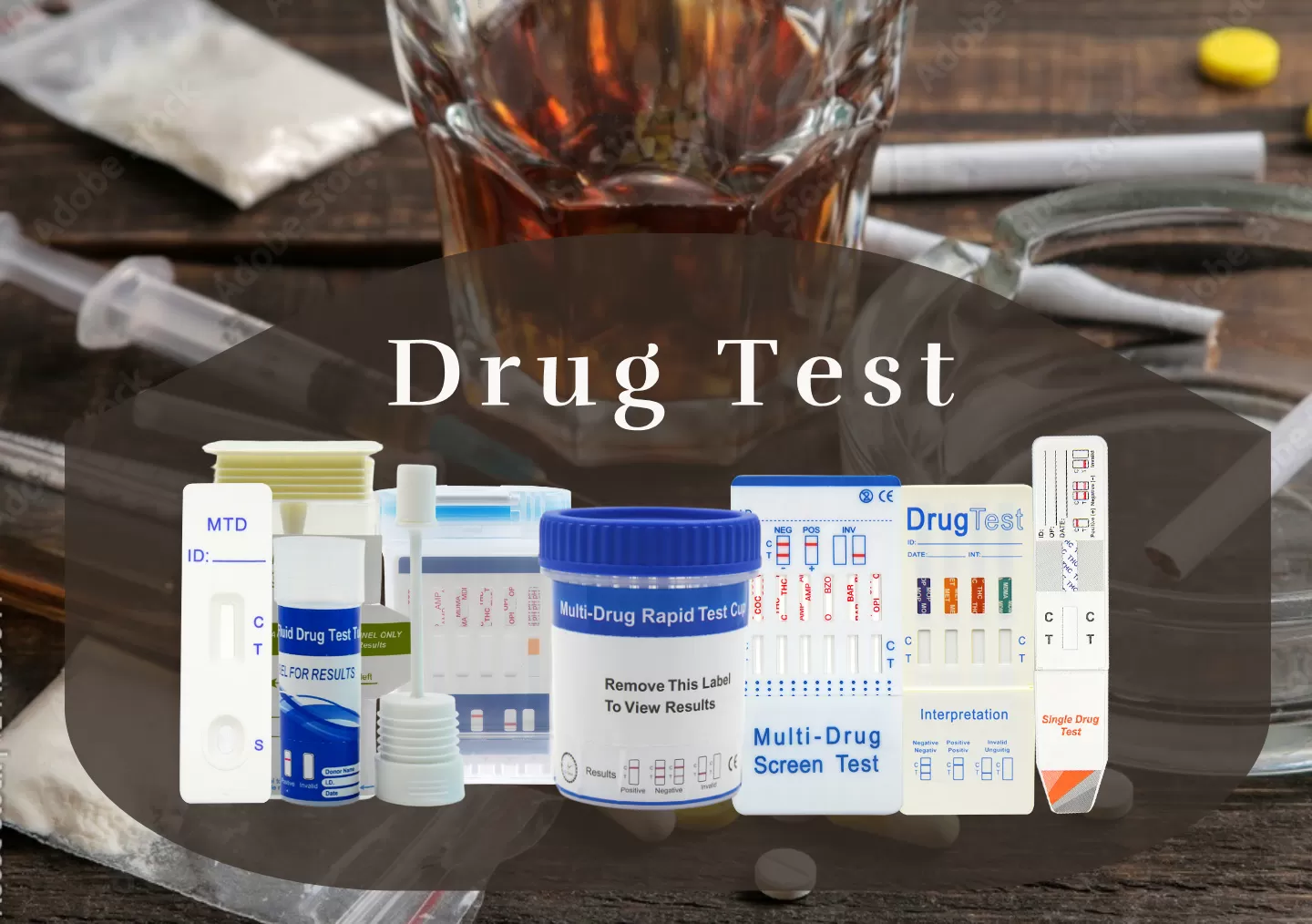
Detection reagents: There are detection reagents for single drugs, such as morphine detection reagents, cocaine detection reagents, etc., and there are also multi-detection reagents that can detect multiple drugs at the same time. Common types of detection reagents include immunochromatographic test strips, enzyme-linked immunosorbent assay kits, etc., which are easy to operate and have quick results, and are suitable for on-site screening or preliminary testing.
Detection equipment: For some complex testing needs or situations that require high-precision results, professional testing equipment will be used, such as gas chromatography-mass spectrometry (GC-MS), liquid chromatography-mass spectrometry (LC-MS), etc. These devices can perform qualitative and quantitative analysis of drugs, and the test results are accurate and reliable, but the equipment is expensive and complex to operate, requiring professional technicians to operate, and is generally used for laboratory testing.