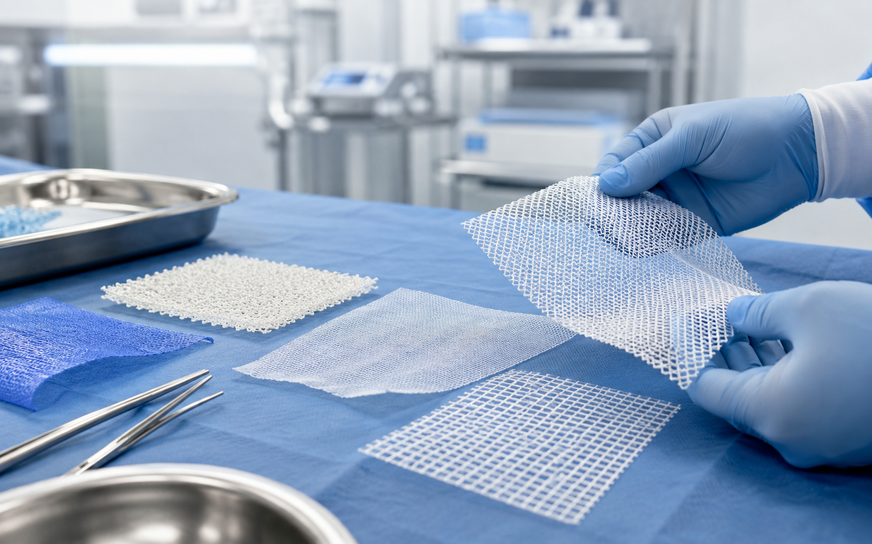
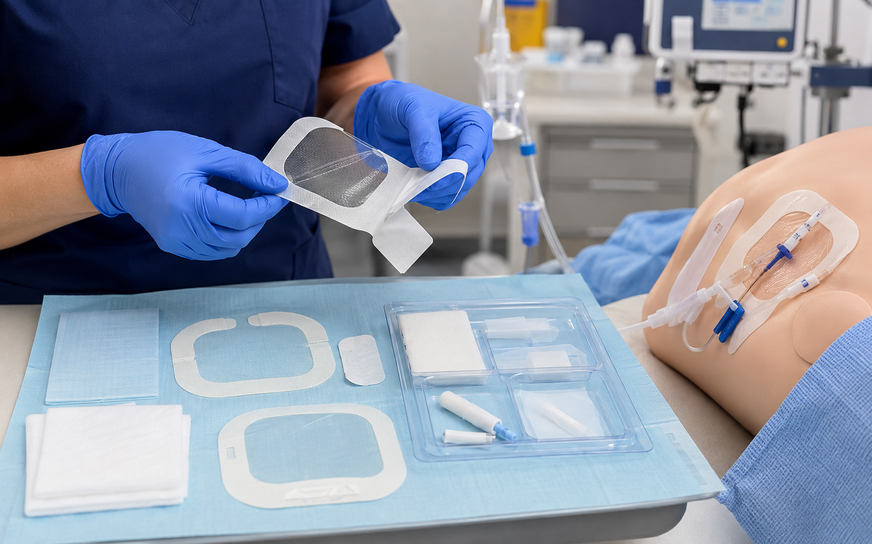
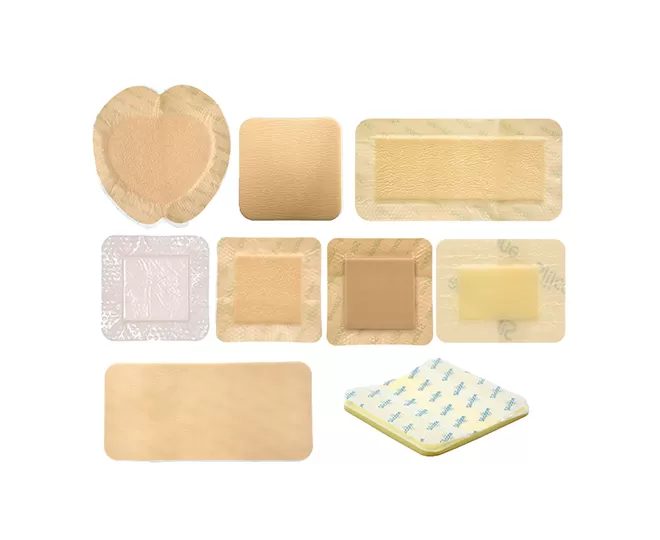
Medical dressings are common medical devices that play an important role in the healthcare field and are widely used. They are mainly used to clean and cover wounds, absorb exudates, and provide a healing environment for the wound. Some medical dressings can also support organs or tissues. Currently, commonly seen medical dressings on the market include gauze dressings, foam dressings, hydrocolloid dressings, etc. In recent years, with the continuous development of technology in the field of medical dressings, medical dressings with new materials and new functions have constantly emerged, such as hydrogel dressings, alginate dressings, and silver ion dressings.
The continuous emergence of medical dressings has also brought new problems for the regulation of medical dressing devices. Some medical device companies are not clear about the understanding of dressings, and they are troubled by the inability to determine the management category of dressings. This article summarizes the classification rules of medical dressings.
Situations where they are not managed as medical devices
(1) Medical dressings that contain chemical components, Chinese herbal medicines, and their extracts, and the components only have pharmacological, immunological, or metabolic effects, and the drug plays the main role. They do not have the function of cleaning and covering wounds, absorbing body exudates, or providing a healing environment for the wound. For example, Shangshi Ding Pain Relief Patch, this product uses medical pressure-sensitive adhesive and natural edible tortoise leaf as the main raw materials, coated on the medical non-woven fabric substrate, and covered with polytetrafluoroethylene polymer material as the protective film. It is used for pain caused by sequelae of bone injuries and osteoarthritis. Since the natural edible tortoise leaf in the product plays the main role in relieving pain, it is not managed as a medical device.
(2) Medical dressings that have both pharmacological, immunological, or metabolic effects and the function of medical devices, but the drug plays the main role. For example, Povidone-Iodine Wound Dressing, the product contains the antibacterial drug povidone-iodine, which mainly uses the pharmacological effect of povidone-iodine to protect the wound from contamination, so it is not managed as a medical device.
Situations where they are managed as medical devices
(1) Medical dressings that have both pharmacological, immunological, or metabolic effects and the function of medical devices, where the medical device plays the main role. For example, Iodine-Containing Wound Cleaning Gel, the product mainly functions to absorb wound exudate and clean and protect the wound, while the iodine in the product plays an auxiliary role in reducing bacteria on the wound surface. Therefore, it is managed as a Class III medical device.
(2) Medical dressings whose components do not have pharmacological, immunological, or metabolic effects, and meet the definition of medical devices, are managed as medical devices.
① Expected to be used on normal skin, exhibiting physical therapeutic effects without containing other additives, with therapeutic or auxiliary therapeutic effects. For example, Far Infrared Paste, the product contains non-drug components of far-infrared materials, which are used for the treatment of neck, shoulder, waist, leg, and joint pain by absorbing heat through far-infrared materials. Managed as Class II medical devices.
② Expected to be used on the body surface with superficial wounds and non-sterile medical dressings. For example, Band-Aid (non-medicated), the product is made of polyurethane composite film or non-woven fabric coated with medical pressure-sensitive adhesives, used for superficial small wounds, abrasions, etc. Managed as Class I medical devices.
③ Expected to be used on the body surface with superficial wounds and sterile medical dressings, or for first or superficial second-degree burns. For example: Transparent Fixing Dressing, the product is made of polyurethane film backings and low-allergen adhesive acrylic, and is a single-use sterile product. Used to protect wounds and fix catheters at puncture sites. Managed as Class II medical devices.
④ Expected to be used internally or on the body surface with dermal wounds (excluding superficial second-degree burn wounds), or deep second-degree or third-degree burn wounds. For example, Foam Dressing, the product is made of sterile polyurethane foam and hydrocolloid adhesive, for wounds with heavy exudates, deep wounds, and burns, providing a moist environment and promoting wound healing. Managed as Class III medical devices.
⑤ Medical dressings with functions of anti-adhesion, or promote tissue proliferation, and/or act as temporary skin substitutes, or can be fully or partially absorbed by the body. For example, the Uterine Anti-Adhesion Sponge, the product is composed of chitosan, deionized water, PVF sponge, etc. It has anti-adhesion functions and is used to prevent uterine lining adhesion, thus managed as Class III medical devices.